
Romania's Castles Ranked 2026: 15 by History, Access & Cost
Romania's 15 best castles and fortresses ranked for 2026 by history, ticket price in lei and access - Peles, Corvin, Bran, Poenari and more.
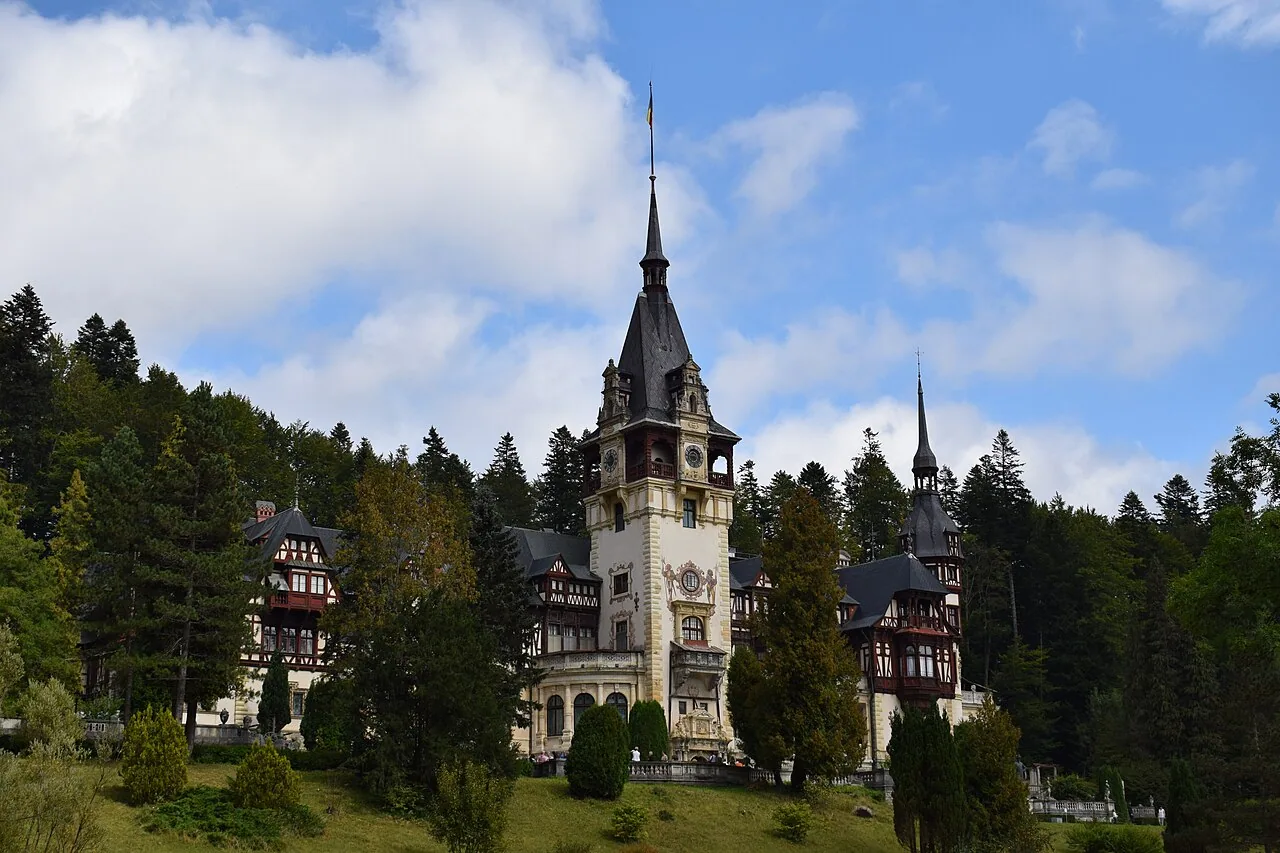
Romania has more castles worth the drive than any single trip can hold, and they’re wildly uneven: one is a genuine royal palace, one is the largest Gothic fortress in Transylvania, and one is world-famous mostly for a book its owner never appears in. The single best building is Peles in Sinaia, not the Dracula-branded Bran that fills the postcards. This page ranks fifteen of them by the things that actually decide whether a visit pays off, so you can skip the long detours that don’t pay off.
The quick version, before the list: if you see one castle, make it Peles; if you see two, add Corvin, not Bran. Everything below is scored on how good the building itself is, how much real history sits behind it, how easy and how cheap it’s to reach, with crowds flagged separately. All prices are in Romanian lei, because Romania doesn’t use the euro, and every figure was checked in July 2026 against official sites. Ticket prices and hours drift, so treat the numbers as a planning guide and confirm nearer the date.
How we ranked them
Four things carry the ranking. First, the building and its setting: interiors, walls, the view, the atmosphere when you stand in the courtyard. Second, historical substance: whether real events happened here or a legend was bolted on later. Third, access and value: distance from Bucharest or Brasov, how hard the last leg is, and what you pay. Fourth, kept apart so it doesn’t drag a great castle down, crowds. A quiet ruin and a coach-park circus are different experiences even when the stonework is similar, and you’ll want to know which is which.
| # | Castle | Area | Built | Adult entry | Getting there | Go for |
|---|---|---|---|---|---|---|
| 1 | Peles (Sinaia) | Prahova Valley | 1873-1914 | 100 lei | Train 1.5h from Bucharest, 1h from Brasov | Finest interiors in Romania |
| 2 | Corvin (Hunedoara) | Transylvania | 1440s | 55 lei | Via Deva; not a Bucharest day trip | Real medieval Gothic |
| 3 | Bran (near Brasov) | Transylvania | 1377 | 120 lei | Bus 50 min from Brasov | The Dracula name |
| 4 | Alba Carolina (Alba Iulia) | Transylvania | 1715-1738 | Free | 1h from Sibiu by car | Largest citadel, free |
| 5 | Sighisoara citadel | Transylvania | 12th-14th c. | Free (streets) | Train 2h from Brasov | A lived-in medieval town |
| 6 | Poenari (Arefu) | Wallachia | 15th c. rebuild | 30/20 lei | Car, foot of the Transfagarasan | The real Vlad, 1,480 steps |
| 7 | Cantacuzino (Busteni) | Prahova Valley | 1901-1911 | ~50-65 lei combined | Train ~2h from Bucharest | The “Wednesday” castle |
| 8 | Fagaras | Transylvania | 14th-17th c. | ~20-30 lei | On DN1, 66 km from Brasov | Underrated moated fortress |
| 9 | Rasnov | Transylvania | 13th-14th c. | ~30 lei funicular | 15 km from Brasov | The best panorama |
| 10 | Suceava (Cetatea de Scaun) | Bucovina | late 14th c. | 20 lei | ~6h from Bucharest | Moldavia's throne fortress |
| 11 | Rupea | Transylvania | medieval | 15 lei | On E60, Brasov-Sighisoara | Restored hilltop stop |
| 12 | Neamt (Targu Neamt) | Moldavia | late 14th c. | ~24 lei | 45 km from Piatra Neamt | Stephen the Great's citadel |
| 13 | Deva | Transylvania | 13th c. | Free (funicular 30 lei) | Deva rail; pair with Corvin | Free hilltop and cable car |
| 14 | Banffy (Bontida) | Transylvania | 16th-19th c. | 15 lei | 30 km from Cluj | Romantic ruin, festival site |
| 15 | Sturdza (Miclauseni) | Moldavia | 1880-1904 | Park free (interior closed) | 65 km from Iasi | Fairytale neo-Gothic, remote |
Sort by entry price to find the four that cost nothing, or by Built to read the chronology instead of the ranking. Filter by region to plan around one base. Prices are adult tickets in lei, checked with each site; don't treat them as fixed - confirm on arrival.
Link to this table:
https://romania-guidebook.com/attractions/romania-castles-ranked/
The top five: worth a special trip
1. Peles Castle, Sinaia. Built between 1873 and 1914 as the summer residence of King Carol I, this is the one castle in Romania with interiors that genuinely stop you: carved walnut, stained glass, a wall of Meissen porcelain, over a hundred rooms of Neo-Renaissance excess. The adult ticket is 100 lei and covers the main floors. Two catches decide your trip: it shuts completely for a month of autumn maintenance, 2 November to 1 December in 2026, and entry runs on timed slots capped at 2,000 people a day, so you’ll want to book early online and pick a morning slot before the 11:00 crush. It sits on the Bucharest-Brasov railway, about 90 minutes from the capital. The full rundown, including the Pelisor annexe, is in our Peles Castle guide; the little one has its own Pelisor guide.
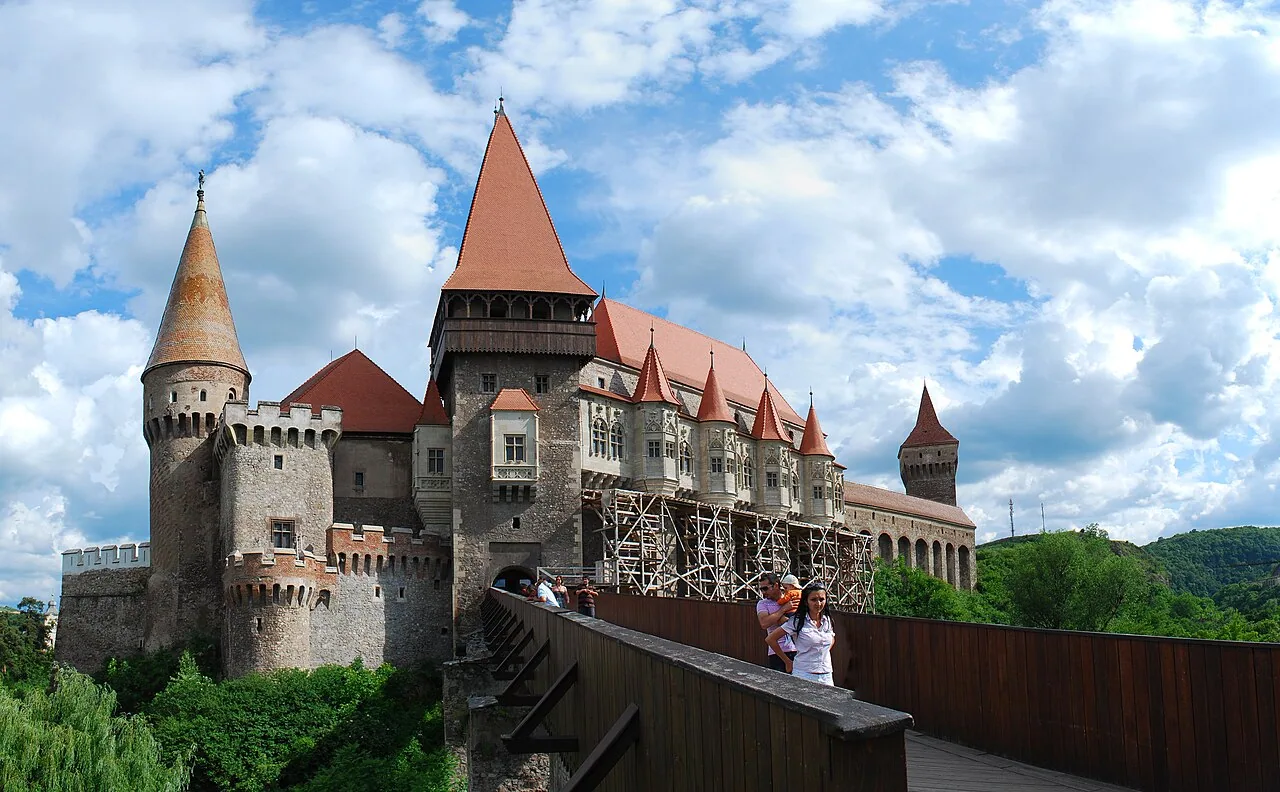
2. Corvin Castle, Hunedoara. This is the castle Bran only pretends to be: a hulking 15th-century Gothic fortress raised by John Hunyadi, with a covered timber bridge, a knights’ hall and a forest of red-roofed towers. At 55 lei it’s also better value than Bran, and far less polished, which is the point. The catch is the location in the industrial west, reached via the city of Deva rather than the tourist trail. It’s not a realistic day trip from Bucharest; base yourself in Sibiu, Cluj or Timisoara instead. Our Corvin Castle guide covers the Deva connection and the Vlad-was-imprisoned-here legend.
3. Bran Castle. The famous one, and honestly the most oversold. Bran is a handsome 14th-century border fort that became Queen Marie’s summer home, then got branded worldwide as Dracula’s Castle despite Vlad the Impaler never owning it and Bram Stoker never seeing it. At 120 lei it’s the most expensive castle on this list, the busiest, and the smallest payoff per leu once you factor in the souvenir gauntlet at the gate. It earns third place on sheer fame and easy access, a 50-minute bus from Brasov. Go early, keep expectations sensible, and read the full picture in our Bran Castle guide and the wider Dracula in Romania story.
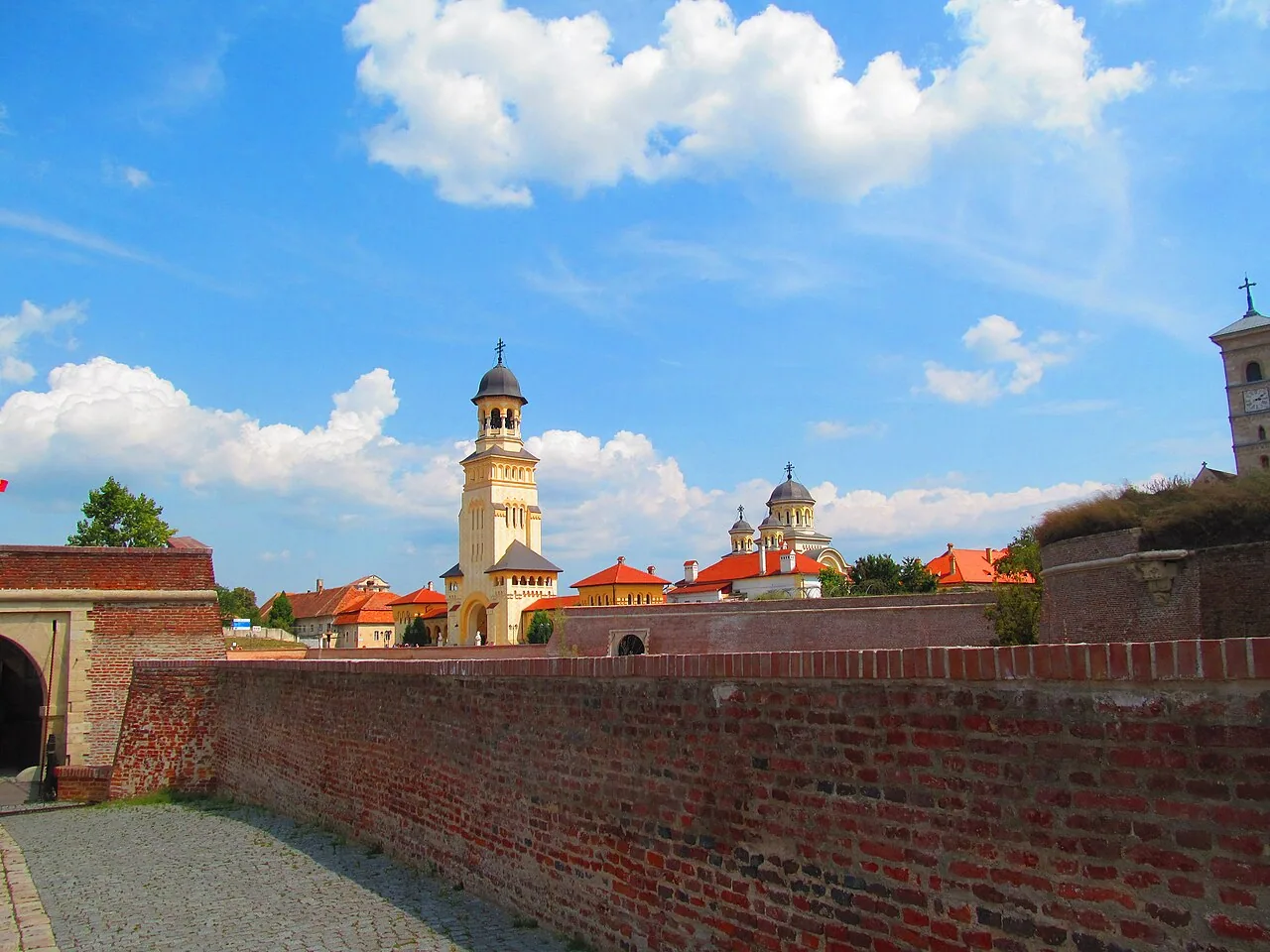
4. Alba Carolina Citadel, Alba Iulia. The biggest surprise on the list and completely free. This is a vast Vauban-style star fortress built between 1715 and 1738 under the Habsburgs, a whole walkable town of baroque gates, ramparts and museums, with a changing-of-the-guard ceremony in 18th-century uniforms on Friday and Saturday evenings at 20:00 and Sunday at noon through the 2026 season (1 May to 1 October; the timetable is reset every year, so check the current one). You can wander the walls at any hour without a ticket; only the museums inside charge. Our Alba Carolina citadel guide has the 2026 guard-change timetable, the museum tickets and the train trap from Sibiu. It’s an easy hour from Sibiu and pairs well with a western-Transylvania loop toward Corvin.
5. Sighisoara Citadel. Not a single castle but a whole inhabited medieval citadel, the last one in Europe where people still live inside the walls, crowned by a 14th-century Clock Tower. Walking the cobbled streets, the towers and the covered stair up to the Church on the Hill costs nothing; only the Clock Tower museum and the house marketed as Vlad’s birthplace charge a small fee. It sits on the rail line about two hours from Brasov, and the details, including the truth about that birthplace claim, are in our Sighisoara guide.
The strong middle: worth planning a day around
6. Poenari Castle. The purist’s Dracula site, and the anti-Bran. This is the ruined crag fortress Vlad the Impaler genuinely repaired and garrisoned in the 1450s, reached by climbing roughly 1,480 steps. The steps are why it stays empty and atmospheric. Entry is 30 lei for adults and 20 lei reduced (CJ Arges, checked August 2026); there’s no palace at the top, just broken walls and a warlord’s view. It sits on the southern side of the Transfagarasan mountain road, so drivers pair the two. April to October is the sensible window.
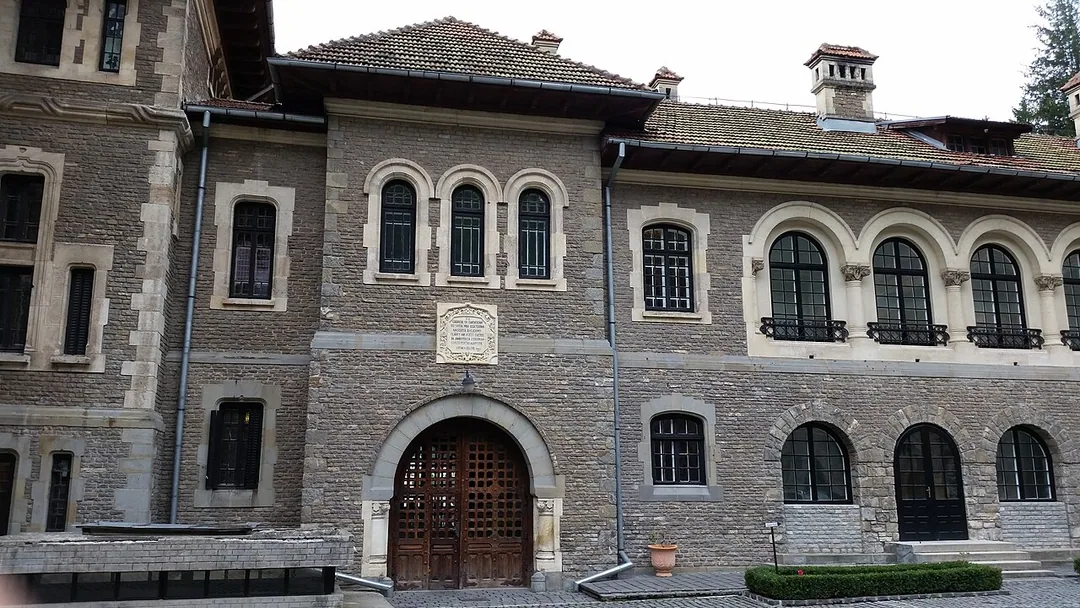
7. Cantacuzino Castle, Busteni. The newcomer everyone suddenly wants, because its facade played Nevermore Academy in Netflix’s “Wednesday”. Built in Neo-Romanian style between 1901 and 1911, it’s elegant rather than ancient, with terraced gardens and a mountain backdrop. A combined castle-and-park ticket runs around 50 to 65 lei, park-only cheaper. Best of all it sits one stop up the same Prahova Valley railway from Peles, so you can do both in a day. Crowds have climbed sharply since the series, so mornings are wise.
8. Fagaras Fortress. The most underrated stop on this list. A squat, moated brick fortress in the middle of Fagaras town, it grew from the late 14th century and took its heavy defensive shape in the 17th, and locals will tell you it was never taken by force. Entry is modest, roughly 20 to 30 lei, and it houses the county museum. It sits right on the DN1 between Brasov (66 km) and Sibiu, which makes it a genuinely easy break on a drive rather than a special mission.
9. Rasnov Fortress. Come here for the setting, not the rooms: a hilltop peasant-refuge citadel with the widest view in the whole Bran-Brasov triangle, 15 km from Brasov and 12 from Bran. A funicular up from the town is about 30 lei. A 2026 heads-up: the citadel is under restoration, so the garden and viewpoint are open but the upper structures and the famous 146-metre well may be closed. It’s the natural third stop on a Bran day, as our Rasnov guide lays out.
10. Suceava Fortress. Moldavia’s answer to the Transylvanian castles, and most Western visitors never reach it. The Cetatea de Scaun was the throne fortress of the Moldavian princes, strengthened by Stephen the Great, and it has been given an excellent modern restoration with strong museum displays for 20 lei. It’s a long haul northeast, around six hours from Bucharest, but it doubles as the base for the painted monasteries of Bucovina, which is why people make the trip.
Worth it when you’re nearby
11. Rupea Fortress. A big three-ringed hilltop citadel fully restored and reopened in 2013, sitting right on the E60 between Brasov and Sighisoara. At 15 lei it’s a cheap, satisfying leg-stretch that breaks up that drive, with panoramic views and about an hour and a half of walkable walls and towers.
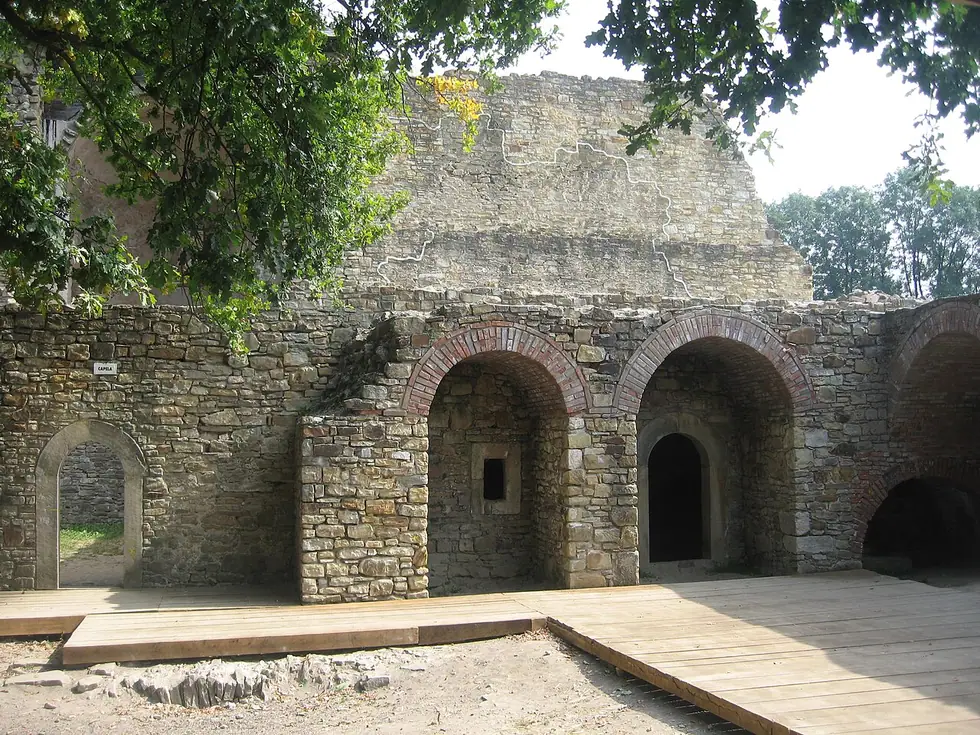
12. Neamt Citadel. A classic Moldavian medieval fortress on a crag above Targu Neamt, founded in the late 14th century and fortified by Stephen the Great. Entry is around 24 lei. It’s deep in the northeast, roughly 45 km from Piatra Neamt, so it makes sense only as part of a Moldavia trip, but the approach across a long footbridge is genuinely dramatic.
13. Deva Fortress. A ruined hilltop stronghold above the city of Deva, free to enter, with a funicular up the slope for 30 lei return if you would rather not walk the 45-minute path. Its trump card is location: Deva sits on the main east-west railway right next to Corvin, so the two make an obvious pair on any western loop.
14. Banffy Castle, Bontida. The “Transylvanian Versailles”, a baroque mansion wrecked in the Second World War and left to rot under communism, now being carefully brought back by a heritage trust. Entry is a token 15 lei for adults, 10 lei for students, checked with the castle in August 2026. It’s a romantic, half-ruined place about 30 km from Cluj-Napoca, and once a year it transforms completely as the site of the Electric Castle festival. Pair it with the Turda salt mine on a Cluj day.
15. Sturdza Castle, Miclauseni. A fairytale neo-Gothic pile built between 1880 and 1904 inside a working monastery estate, 65 km west of Iasi. A 2026 catch: the castle interior is closed for a major restoration expected to run into 2027 or 2028, so for now you can only walk the park and the monastery grounds, which stay open and free. Before the works the interior ticket was around 20 lei, and the guided tour will return once it reopens. It’s remote and needs a car, so it’s really one for castle completists or anyone already exploring Moldavia rather than a destination in itself.
How to plan a Romanian castle trip
Geography does most of the work. The Prahova Valley train from Bucharest strings together Peles at Sinaia, Cantacuzino at Busteni and, further up at Brasov, the base for Bran and Rasnov, so the four headline castles need no car if you don’t mind one bus. The western pair, Corvin and Deva, share the Deva railway. The Moldavian trio is a separate trip, best done by car out of Iasi or Suceava. To fold several into one week, our Romania 7-day itinerary threads the Brasov cluster together, and things to do in Brasov covers that hub. The most-asked hop, Peles to Bran, has its own timings. If you want Wallachia without another castle day after Poenari, the Wallachia monasteries route is the southern alternative out of Bucharest - Curtea de Arges, Cozia and UNESCO Horezu over two days on the A1/DN7 axis, not the DN1 castle crawl.
For the awkward ones, a car or a fixed-price ride earns its keep. Poenari and Corvin swallow a whole day by public transport, so a private transfer or a hire car turns them into a stop; the Bucharest to Brasov routes cover the main approach. Pick a base with good rail links and compare places to stay before summer weekends fill up: where to stay in Brasov breaks that town into districts, and Sibiu is the better base for Corvin and Alba Iulia. And read the ranking as a shortlist rather than a to-do list: nobody needs fifteen castles. Three well-chosen ones across a week beat the full set crammed into four days.
Read also

What to see · 11 min read
Marginimea Sibiului: Shepherd Villages Near Sibiu
Verified · September 5, 202618 shepherd villages west of Sibiu: Rasinari, Sibiel glass icons, Saliste, Paltinis bus fares, and how a day out of town works.

What to see · 9 min read
Prejmer Fortified Church: UNESCO Near Brasov
Verified · September 3, 2026Prejmer fortified church 15 km from Brasov: Greek-cross plan, 275 wall rooms, UNESCO hours for 2026 and how a visit actually works.

What to see · 11 min read
ASTRA Museum Sibiu: Romania's Great Open-Air Village
Verified · August 29, 2026ASTRA Museum near Sibiu: 50-lei tickets, hours by season, how to get there, and which of the 400+ buildings across 96 hectares to see first.

What to see · 10 min read
Bucegi Sphinx & Babele: Cable Car from Busteni
Updated · August 26, 2026Ride the Busteni cable car to the Sphinx and Babele: 2026 return fare 199 lei, hours from 08:30, and how to pair it with Peles or Cantacuzino.