
Cluj-Napoca Travel Guide 2026: How to Visit Cluj
Visit Cluj-Napoca: things to do, Union Square, St Michael's Church, the Botanical Garden, the Cetatuia viewpoint and the Salina Turda day trip, in lei.
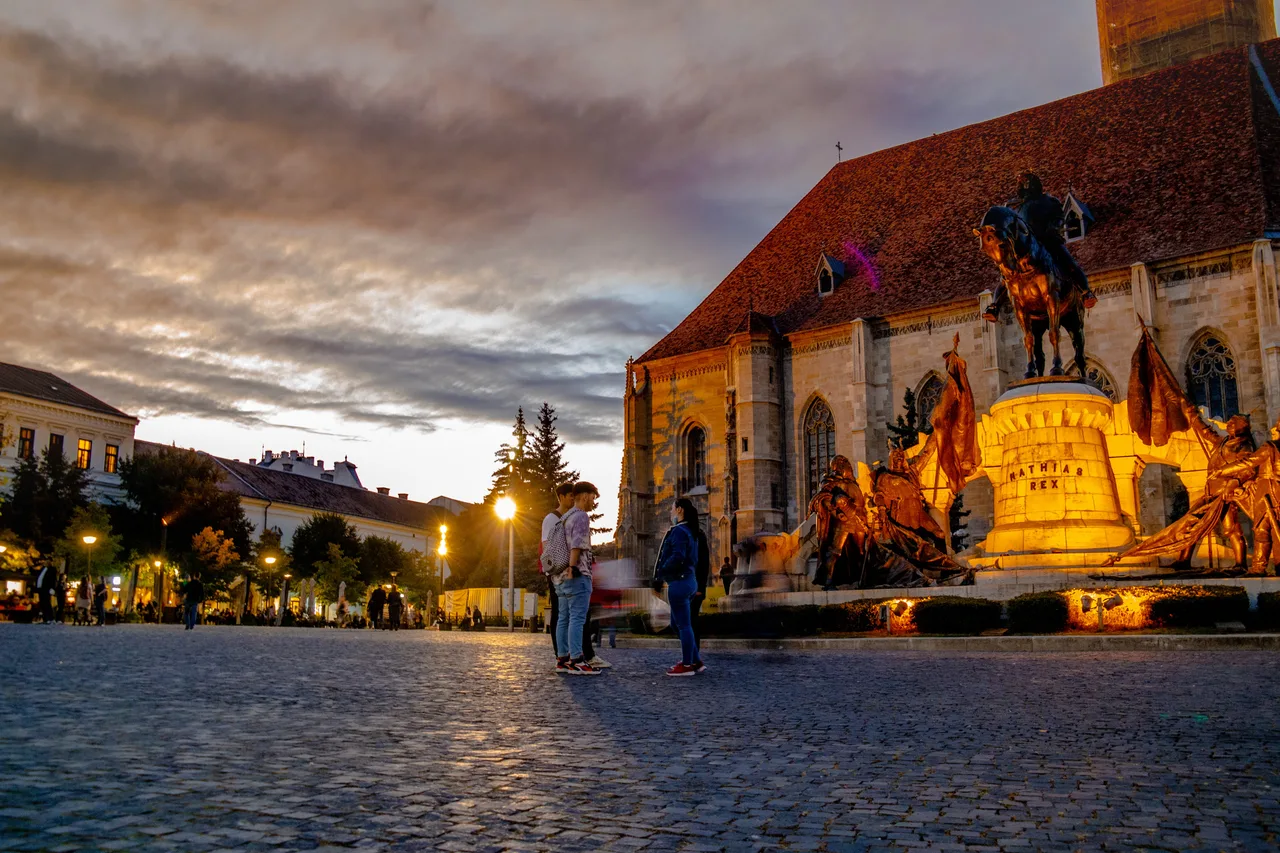
Cluj-Napoca is Transylvania’s biggest and youngest city, and it works best if you treat it as a place to live in for a couple of days rather than a monument to tick off. The compact historic core, Union Square with its giant Gothic church and the Matthias Corvinus statue, is worth a slow morning, but the real draw is the mood: a student city of nearly 287,000 people with the best cafe scene in the region, and the natural base for the Salina Turda salt mine and the Turda Gorge nearby. Give it a full day in the centre, a second for the parks and a day trip, and carry cash in lei for the small entry fees.
Here is how a Cluj visit actually runs. You can walk the old-town sights in a single day, so this isn’t a place you come to for a dozen museums. You come for Union Square, the view from Cetatuia hill, the Botanical Garden, and then the food and coffee scene and a jumping-off point for the salt mine. Fly in if you can, because the train from Bucharest is famously slow.
With two days and a car, the Apuseni loop from Cluj hits Rimetea, Scarisoara ice cave and Oradea.
Is Cluj-Napoca worth visiting?
Yes, but know what you are getting. Cluj is Romania’s second-largest city and the unofficial capital of Transylvania, and it doesn’t look or feel like the medieval postcards of Sibiu or Sighisoara. It’s a working university city built on Roman foundations, the Napoca of AD 106, later the Hungarian Kolozsvar and the German Klausenburg, and home to Babes-Bolyai University, the country’s largest. That student population is what gives the centre its energy, its terraces and its late-night buzz, and UNESCO named it a Creative City of Film in 2021. The same energy peaks every August, when Untold turns the city into its biggest weekend of the year - dates and the accommodation squeeze are in our Romania events calendar.
So the pitch is different from the rest of Transylvania. If you want fairy-tale citadels, the towns to the south deliver those better. If you want a lively city with a compact historic heart, cheap and good coffee, green hills on the doorstep and Romania’s strangest attraction 30 km away, Cluj is the one. Most people give it one or two nights on a wider loop, and that is about right.
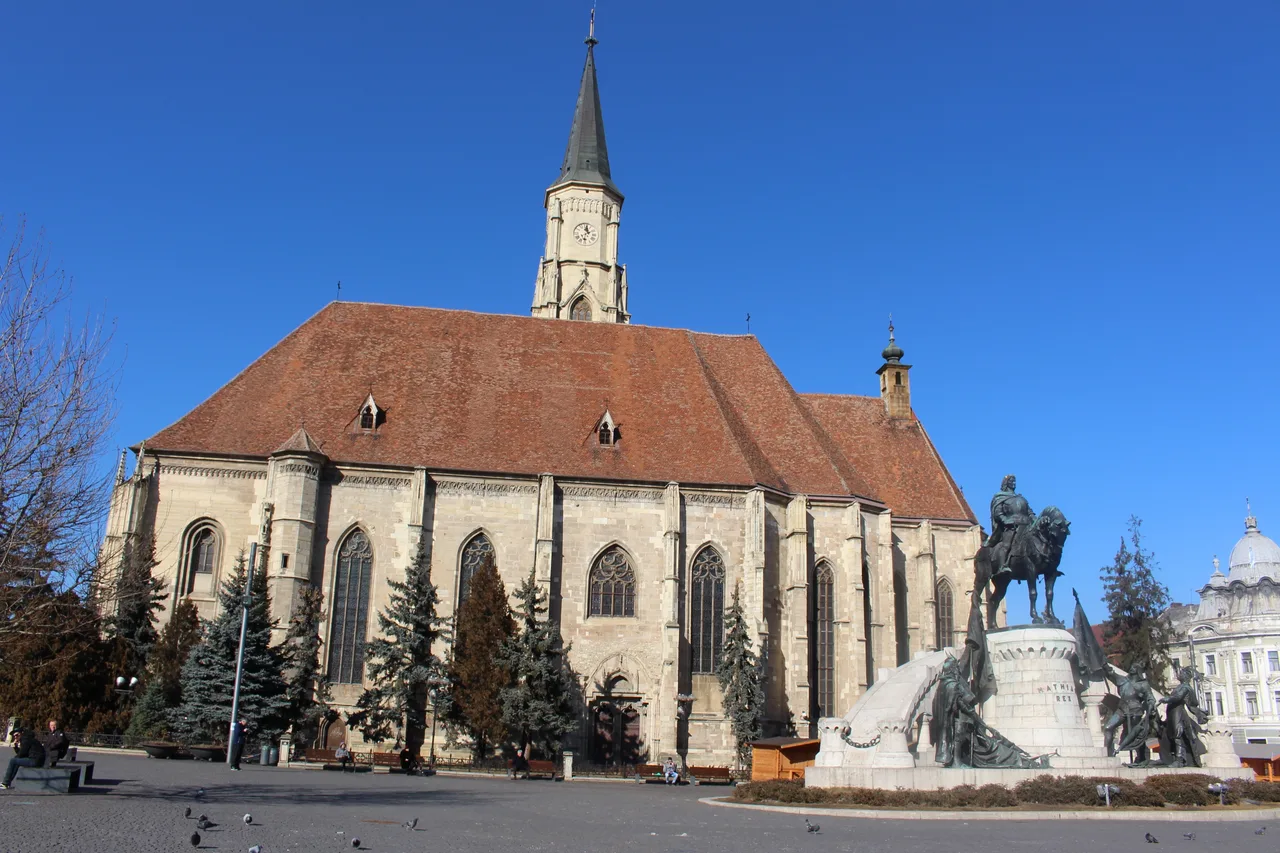
What is there to see on Union Square (Piata Unirii)?
Everything starts here. Union Square is the historic core, a wide square built around St Michael’s Church, and it’s where you get your bearings. St Michael’s is a serious Gothic church: work began in 1316 and the main body was finished between 1442 and 1447, giving it a nave 50 metres long and an overall length of around 70 metres. That makes it the second-largest church in the whole of Transylvania, beaten only by the Black Church in Brasov. Entry is free, and it’s open to visitors on weekdays from 9:00 to 16:00 when there’s no mass on.
The tower is the landmark you photograph but the one thing you probably can’t climb on a whim. The current Neo-Gothic tower dates from 1862 and rises 76 metres (80 with the cross on top), the tallest church tower in Transylvania. Here is the caveat: there is no advertised schedule for climbing it, and access is arranged only on certain days through the church, so don’t build your visit around going up. Treat the tower view as a bonus if you happen to catch it open, and get your panorama from Cetatuia instead.
Why is there a giant statue in front of the church?
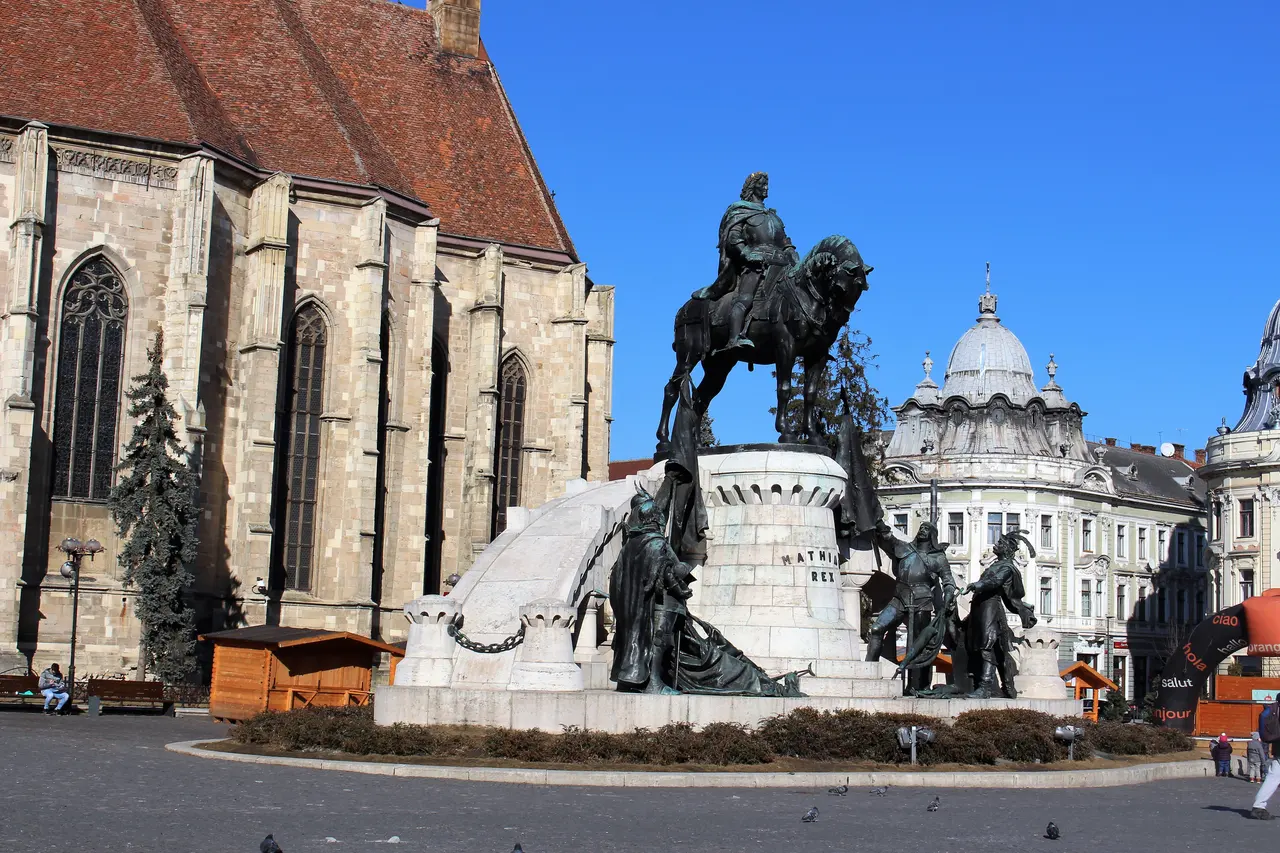
That bronze horseman is Matthias Corvinus, and Cluj is very proud he was born here. King Matthias (1443-1490) was one of the great Renaissance rulers of Central Europe, King of Hungary and Croatia, and the man who built the Black Army, Europe’s first standing professional army. He was born in the city in 1443, in a Gothic townhouse a few streets away that still stands and now houses the University of Art and Design; you can walk past the Matthias Corvinus House, though it isn’t a museum you tour inside.
The monument itself is a genuine piece of art history, not just a big statue. It shows Matthias on horseback flanked by four of his generals, and it was made by the sculptor Janos Fadrusz and unveiled in 1902. Fadrusz’s model for it won the grand prize at the 1900 Paris World’s Fair, which is why it is far better than the average town-square king on a horse. It is the natural meeting point of the city, the church behind it, cafes all around, and the best single spot to sit and take Cluj in.
Where do you get the best view of the city?
Walk up Cetatuia. It’s the hill on the north bank of the Somes river, just across from the old town, and the climb takes about 15 minutes on foot. The name comes from an 18th-century Austrian fortress built up here to control the city rather than defend it, and today it’s a park-topped ridge with a hotel, a big memorial cross and, most importantly, the widest view over Cluj: the roofs, the church spire and the hills that ring the city on every side. It costs nothing, and evening is the time to do it, when the light is soft and half of Cluj seems to be up there too.
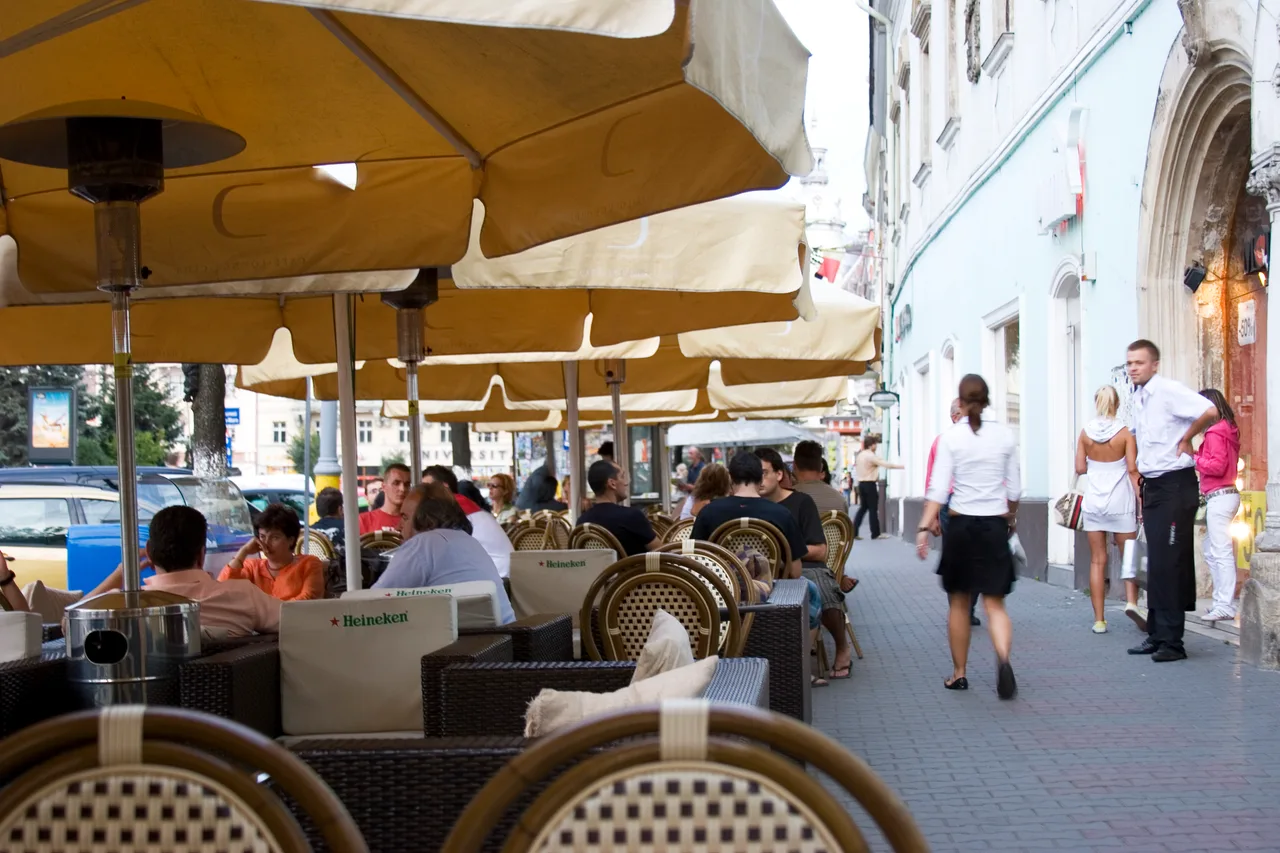
If you would rather stay at street level, the terraces around Union Square and the pedestrian lanes off it do the job just as well. This is the part of a Cluj day that no ticket covers and that most guidebooks undersell: the city is at its best when you are simply sitting in it with a coffee, which the huge student population has turned into something close to a local sport.
Is the Botanical Garden worth it?
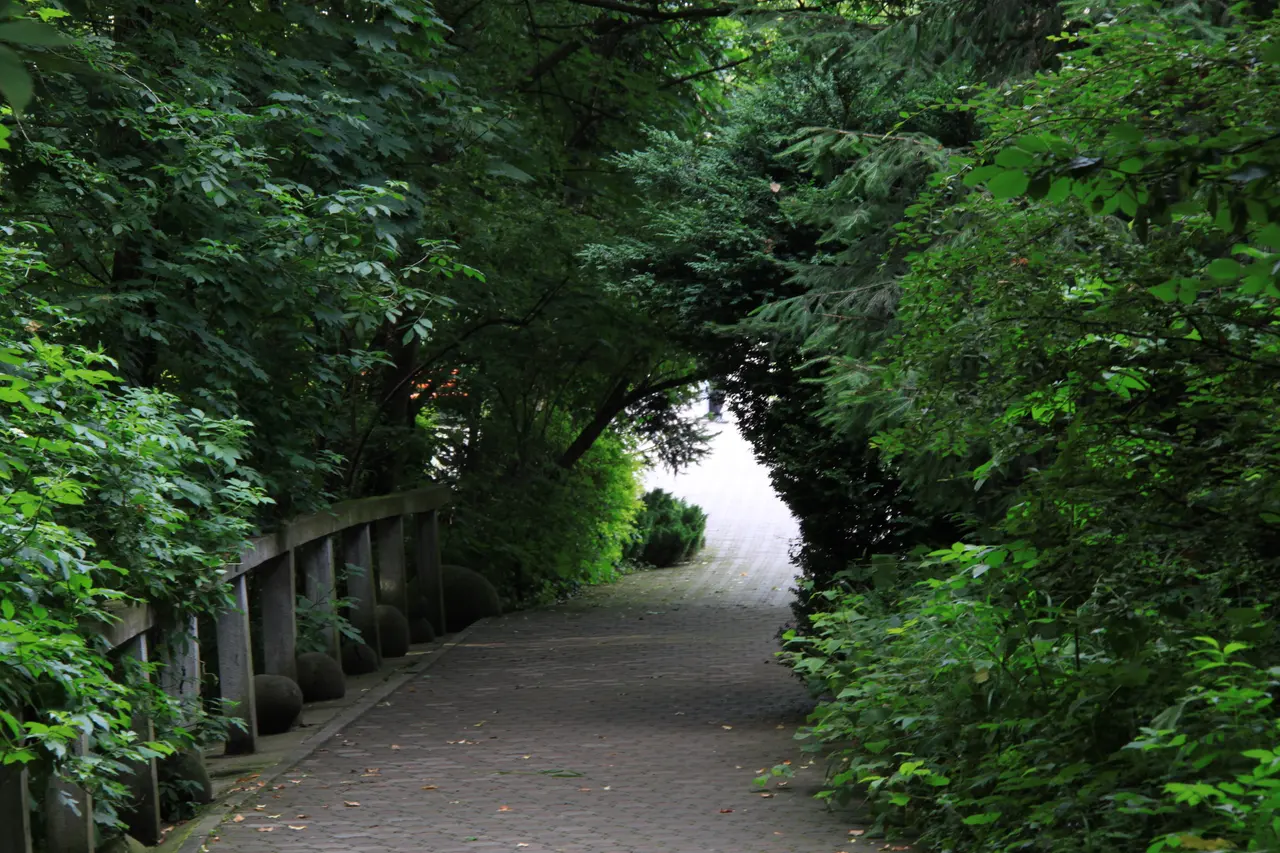
If the weather is good, yes, and it’s the best green half-day in the city. The Alexandru Borza Botanical Garden belongs to the university and runs down a south-facing slope a short walk from the centre. It’s a proper botanical garden with themed sections, greenhouses and, the crowd favourite, a small Japanese garden with a red-and-blue tea pavilion on stilts over a pond. In autumn it is at its most photogenic; in high summer the greenhouses can be sticky but the shaded paths are a relief.
Two practical things. Adult entry is 21 lei, or 11 lei for children, students and retirees, dropping to 14 and 6 lei on the days the greenhouses are closed; a family ticket runs 48 to 56 lei (checked July 2026 on the garden’s site). And note the catch that trips people up: the greenhouses shut for maintenance on the first two Mondays of every month, so if the glasshouses are your reason for coming, don’t go on an early-month Monday. The garden itself is open daily from 9:00 to 20:00 in summer (9:00 to 19:00 in the April and October shoulder months).
What else is worth an hour in the centre?
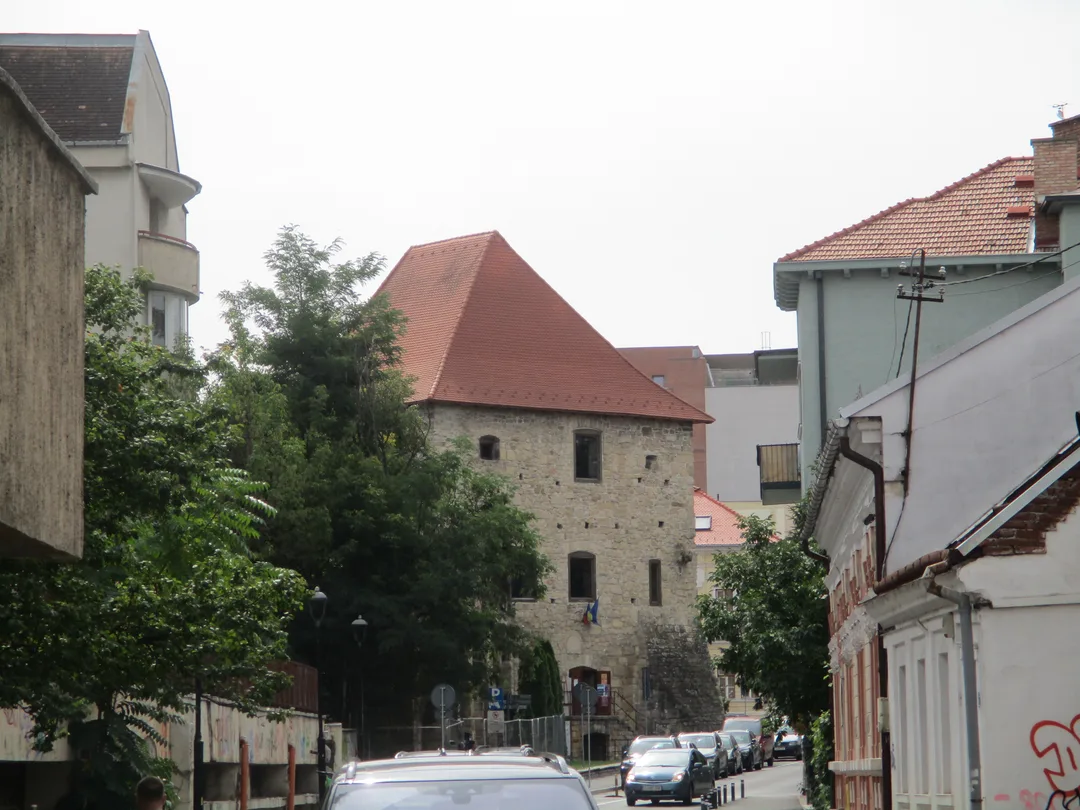
A few smaller stops round out a day. The Central Park, laid out along a lake, holds the old Casino, an elegant white neoclassical pavilion that has nothing to do with gambling any more; it reopened as an urban culture centre, so you will usually find a free art show or an event inside, and the lake and bandstand around it are where locals stroll. Nearby, the Tailors’ Bastion (Bastionul Croitorilor), also called the Bethlen Bastion, is the best-preserved chunk of the medieval city walls, a squat stone tower from 1475 that now holds a small exhibition and a cafe.
For a proper half-day out, the Ethnographic Museum of Transylvania deserves a look. Its downtown gallery sits in the Reduta Palace, but the memorable part is its open-air section, the Romulus Vuia park in the Hoia forest northwest of the centre, which opened in 1929 as the first open-air museum in Romania and gathers old farmhouses and wooden buildings from across the region. If you have already done the ASTRA museum in Sibiu you can skip it; if not, it’s a good rainy-afternoon option.
What is the best day trip from Cluj?
The salt mine, without question. Salina Turda is a 250-year-old mine turned into an underground theme park 120 metres down, with a Ferris wheel and a boating lake in a vast salt cavern, and it sits about 30 km south-east of the city. It’s the single strangest sight in Romania and the main reason many people base themselves in Cluj at all. You can reach it by the Fany bus from the Pod Traian stop in about 40 minutes, but a car or a fixed-price transfer is far easier and lets you add the Turda Gorge (Cheile Turzii), a dramatic limestone canyon with walking trails nearby, for a full day out: one sight underground and man-made, one above ground and wild. Our guide to getting from Cluj to the Turda salt mine compares every option in full. Rimetea, Alba Iulia and Banffy Castle at Bontida sit on the same day trips from Cluj menu, ranked by effort rather than by fame.
If Cluj is one stop on a bigger trip, it works as the northern anchor. Our Transylvania road trip guide threads it together with Sibiu, the Transfagarasan and the Saxon south, and our Romania 7-day itinerary shows how to bolt a Cluj-and-Turda day onto either end of the classic loop through the castles and medieval towns. Heading west, it’s about 150 km to Oradea, the Art Nouveau town on the Hungarian border that makes an easy first or last stop for anyone flying via Budapest.
How do you get to Cluj-Napoca?
Fly if you can. Cluj has its own airport, Avram Iancu International (CLJ), about 9 km east of the centre, with a wide spread of European budget routes, and it’s one of the easiest Transylvanian cities to reach directly. From the airport, CTP buses 5, 8 or the express A1E run into the central area in about 26 minutes for a few lei (app, kiosk or SMS); an official taxi from the arrivals kiosk or a Bolt is usually about 30 to 50 lei and 15 to 25 minutes. Late flights matter here - bus frequency thins at night - so a pre-booked transfer earns its keep after 23:00. The full last-mile rundown - current CTP fares, the A1E timetable caveat and the arrivals taxi totem - is in Cluj Airport to the city centre; the same options set against OTP and the other gateways sit in which airport for Romania.
From Bucharest, skip the train. The flight takes about 50 minutes and Tarom, HiSky and Anima Wings all fly the route; the direct train, by contrast, grinds over the mountains for well over eight hours, and the bus is no quicker. Our Bucharest to Cluj guide compares the flight, train and bus in full. If you are driving the wider region, a rental car is what unlocks the salt mine, the gorge and the villages beyond, while a private transfer handles the airport run or a door-to-door trip to Turda without the timetable. Base yourself near Union Square so the old town is on foot; our where to stay in Cluj-Napoca guide breaks down the best areas, and you can compare central Cluj hotels early. If you’re starting or ending in the capital, our Bucharest guide and, for the mountain leg, our Brasov guide fill in the rest. The overland hop between the two is Cluj to Brasov - bus usually beats the train here. Cluj, though, rewards a Friday night far more than a Tuesday one.
Photos
On the map
The map loads on click - to keep the page lightweight.
The map didn’t load. Check your connection and refresh the page.
Admission and opening hours
- Admission price
- St Michael's Church free to enter. Botanical Garden 21 lei adults / 11 lei children, students and retirees (14 and 6 lei when the greenhouses are closed); family ticket 48-56 lei. Cetatuia viewpoint free.
- Opening hours
- St Michael's Church open to visitors Mon-Fri 9:00-16:00 when no mass is on. Botanical Garden daily 9:00-20:00 in summer, 9:00-19:00 in April and October (greenhouses 9:00-18:00, closed the first two Mondays of each month).
Prices and hours shift with the season - confirm on gradinabotanica.ubbcluj.ro before you go. The church tower has no advertised climbing schedule; ask at the church if you want to go up.
Details checked: July 4, 2026
Read also

Cities · 13 min read
Predeal: Romania's Highest Ski Town
Verified · September 3, 2026Predeal sits at 1,030-1,110 m on the Bucharest-Brasov line: Clabucet ski, the town itself, and how it stacks up against Sinaia and Poiana.

Cities · 10 min read
Suceava Travel Guide: Fortress & Bucovina Gateway
Updated · August 25, 2026Things to do in Suceava: Stephen the Great's fortress, the UNESCO Saint John monastery, village museums, and using the city as a base for Bucovina.

Cities · 9 min read
Where to Stay in Sighisoara: Citadel or Lower Town
Verified · August 24, 2026Where to stay in Sighisoara: citadel vs Lower Town, price bands in lei, parking, the medieval festival, and who should sleep inside the walls.

Cities · 11 min read
Where to Stay in Timisoara: Best Areas & Hotels
Verified · August 19, 2026Where to stay in Timisoara: Cetate vs Fabric vs Iosefin vs Circumvalatiunii - who each suits, walk times, prices in lei, and getting in from the airport.