
Dracula in Romania: Vlad the Impaler, Legend & Tours
Vlad the Impaler was real, the vampire was not. Where to find Dracula in Romania - Poenari, Bran, Sighisoara, Targoviste - and how the legend formed.
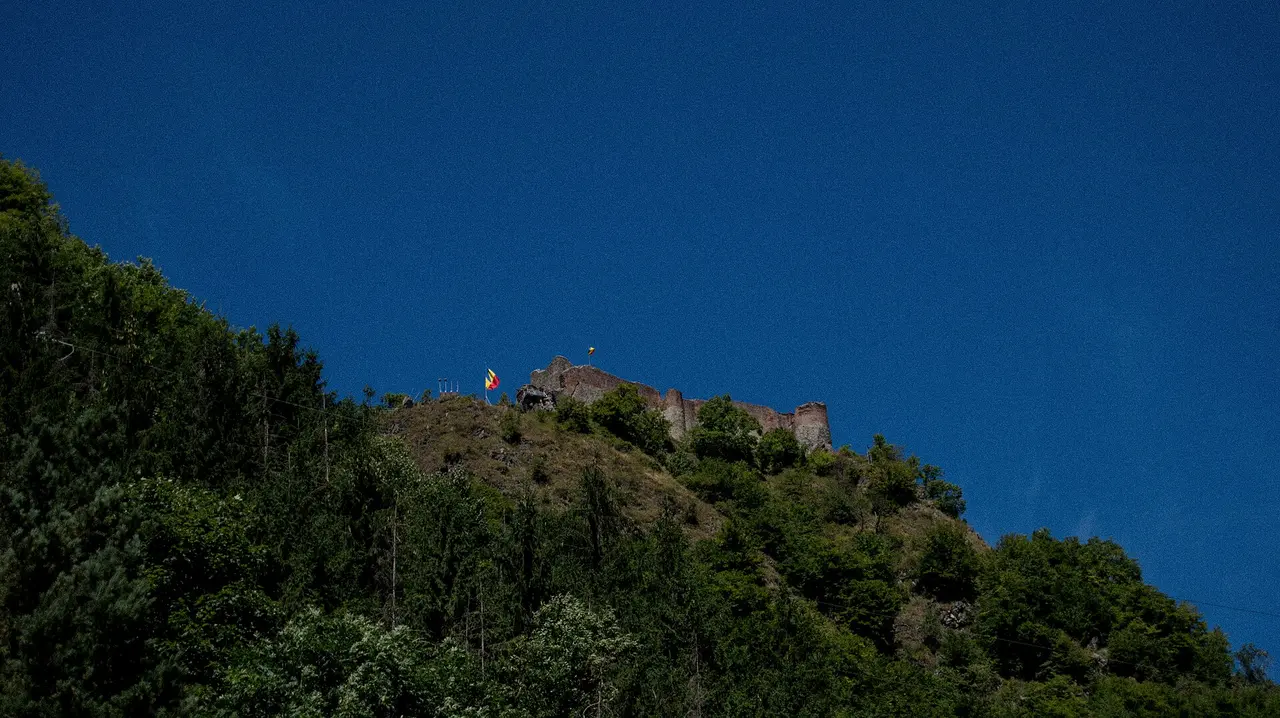
Dracula in Romania is really two stories that the tourist trade stitched into one: a real 15th-century warlord called Vlad the Impaler, and a Victorian horror novel that borrowed his nickname. They barely overlap. The castle everyone photographs was never his, the author never set foot in the country, and the vampire owes almost nothing to the man. Pull the two apart and you can actually plan a good trip around it.
Here’s the useful part before the history. The “real Vlad” sites and the “Dracula brand” sites sit in different corners of Romania and pull completely different crowds, so knowing which is which stops you from building a whole day around the wrong one. The whole trick is separating the real warlord from the novel’s vampire and working out which one you actually came for - that’s the history-or-legend fork.
Who was the real Dracula?
Vlad III, remembered as Vlad Tepes (the Impaler) and Vlad Dracula, was a prince of Wallachia, the region south of the Carpathians, not a count in a Transylvanian castle. He was born between 1428 and 1431, most likely in Sighisoara, and the “Dracula” name came from his father. Vlad II had joined the Order of the Dragon, a knightly league founded to fight the Ottomans, and took the byname Dracul, “the dragon”. Dracula is just the possessive form: son of Dracul. Here’s the detail that fed five centuries of horror marketing: in modern Romanian the same word, dracul, also means “the devil”.
He ruled Wallachia three separate times, and the long, defining reign ran from 1456 to 1462, out of his capital at Targoviste. What made him notorious in his own century was his signature punishment: impalement, on a scale and with a theatricality that shocked even hardened contemporaries. He used it on enemies, criminals and rival boyars alike, partly as terror tactics against a much stronger Ottoman Empire and partly to hammer a lawless country into order. Contemporary reports put the death toll at tens of thousands, 40,000 in one account and over 100,000 in another, and historians treat those round numbers with real caution, but the reputation was earned in his lifetime, not bolted on afterwards.
His other claim you’ll hear is genuine military nerve. In 1462 he raided deep across the Danube into Ottoman territory, then boasted in a letter of killing more than 23,000. When Sultan Mehmed II crossed the river that June with a far larger army, Vlad answered with a night attack on 16-17 June, a raid on the Sultan’s own camp meant to kill him in his tent. It failed to reach Mehmed but passed straight into legend. Vlad himself was killed in battle around the end of 1476, and Ottoman sources say his head was carried to Constantinople and shown off on a stake. So: a real, ruthless, politically cornered ruler. No fangs.
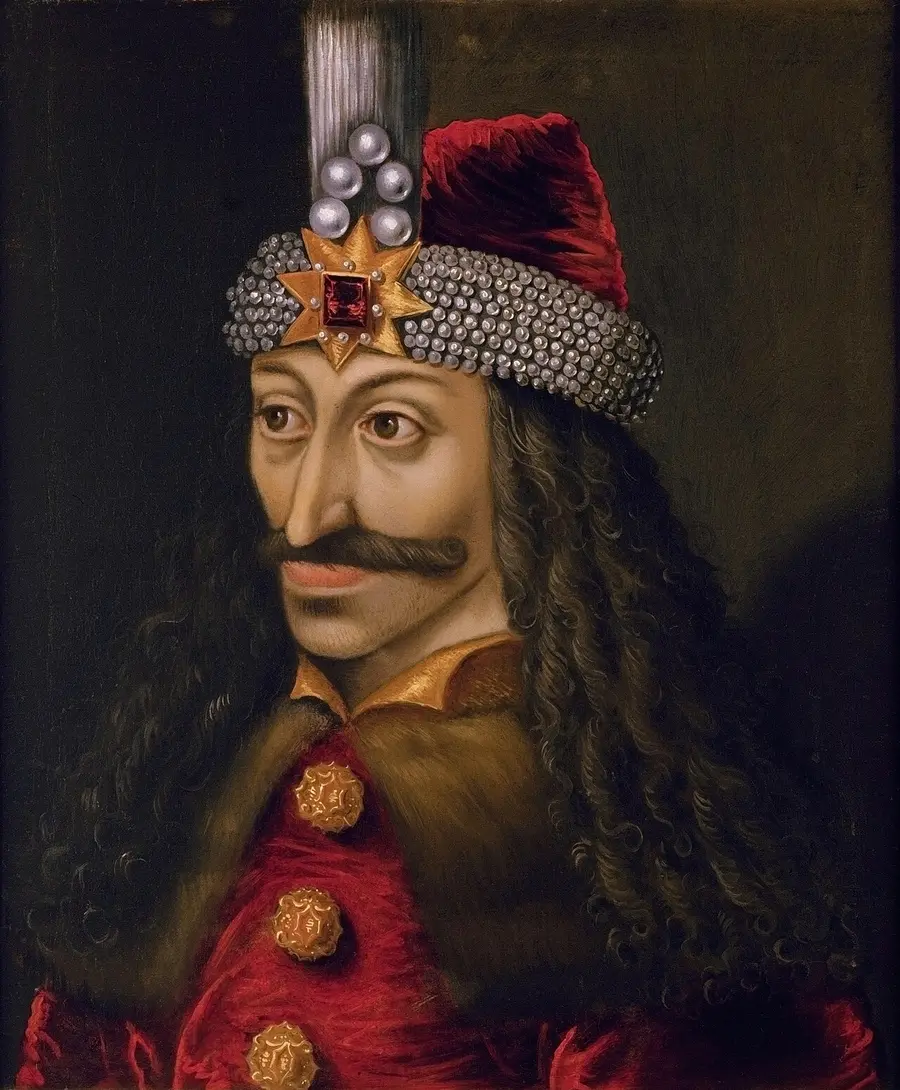
So how did Vlad end up a vampire?
Don’t blame Romania - blame a novelist who never came here. Bram Stoker published Dracula in 1897 without ever visiting Transylvania or Romania; he built his version of the region out of library books and maps. The name he lifted from a single footnote in British consul William Wilkinson’s 1820 “Account of the Principalities of Wallachia and Moldavia”, which he read while holidaying in Whitby in 1890. The footnote mentioned a warlord called Dracula and noted that the word meant devil, and that’s all Stoker took. He set his Castle Dracula at the Borgo Pass (Pasul Tihuta) because he found the name on a map, and by every indication he had never heard of Bran Castle at all.
That’s the part worth holding onto: the historical Vlad and the fictional count only met in the 20th century, when Romania’s tourism industry realised it owned a globally famous brand and had nowhere obvious to pin it. The vampire’s bloodletting is Stoker’s invention; the real man was a soldier and a tyrant, not a night creature. Everything you’ll see sold as “Dracula” today, the fanged fridge magnets included, flows from that 1897 novel rather than from anything Vlad actually did.
Where do you actually find Dracula in Romania?
Split the map in two. The real-Vlad sites sit in Wallachia and southern Transylvania, run quiet, and reward people who came for the history. The branded sites sit on the well-worn Transylvania tourist trail, run busy and commercial, and reward people who came for the fun of it. Most visitors only ever see the second group and never learn the first exists.
Poenari Castle: the fortress he actually held
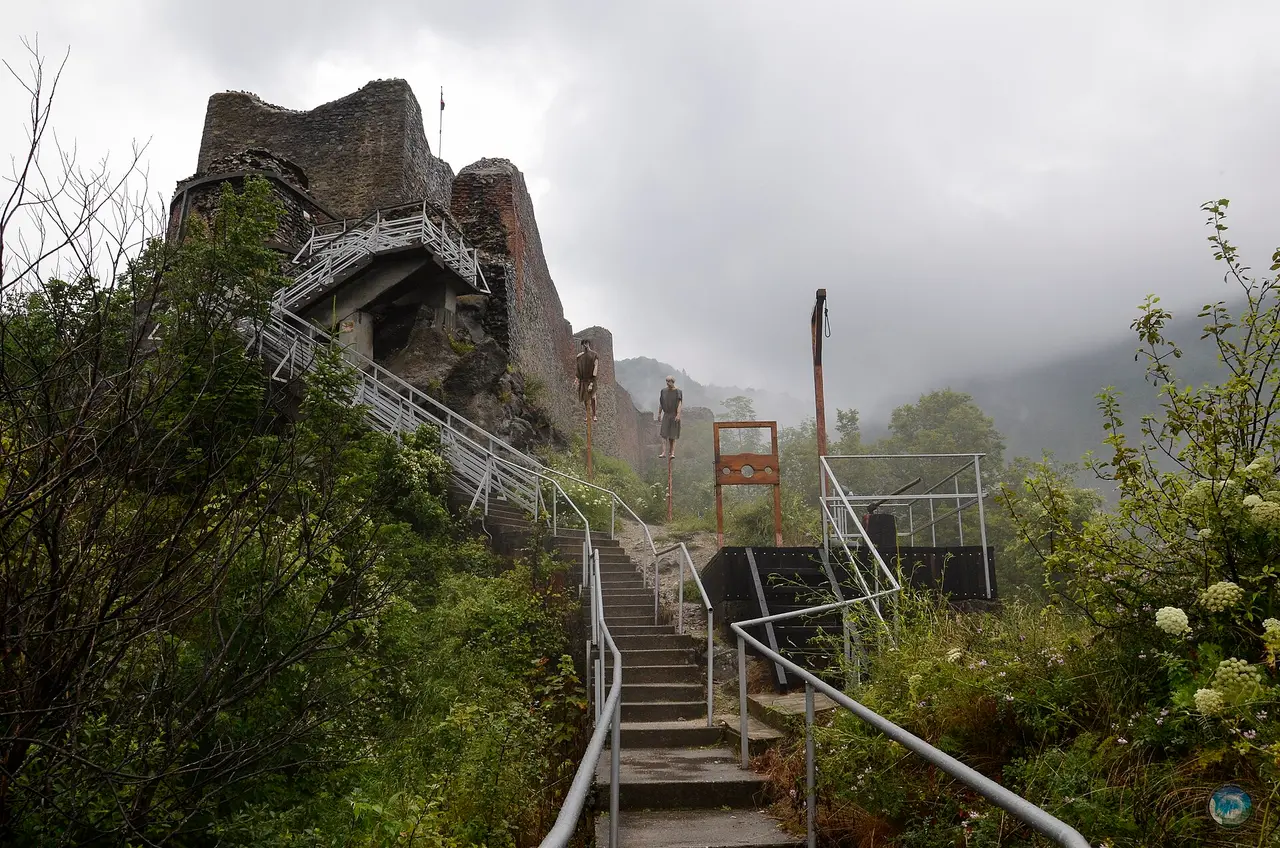
If you want the real thing, this is it. Poenari (Cetatea Poenari), perched on a crag above the Arges valley, is the fortress Vlad genuinely repaired and garrisoned in the 1450s and 60s, according to the local legend by driving captured boyars up the mountain to do the building. The catch, and the reason it stays blissfully uncrowded, is the approach: roughly 1,480 steps up the hillside, about 30 to 45 minutes of climbing if you’re reasonably fit. What waits at the top is a genuine ruin with a commanding view, not a furnished palace, and that rawness is the whole point. It sits at the southern foot of the Transfagarasan mountain road, so self-drivers usually pair the two. The Arges County Museum has run the site since 2009; entry is 30 lei for adults and 20 lei reduced (CJ Arges, checked August 2026), and April to October is the sensible window, because the steps are grim in the wet. For the climb, tickets and hours in one place, use our Poenari Castle visiting guide.
Targoviste and Snagov: his capital and his grave
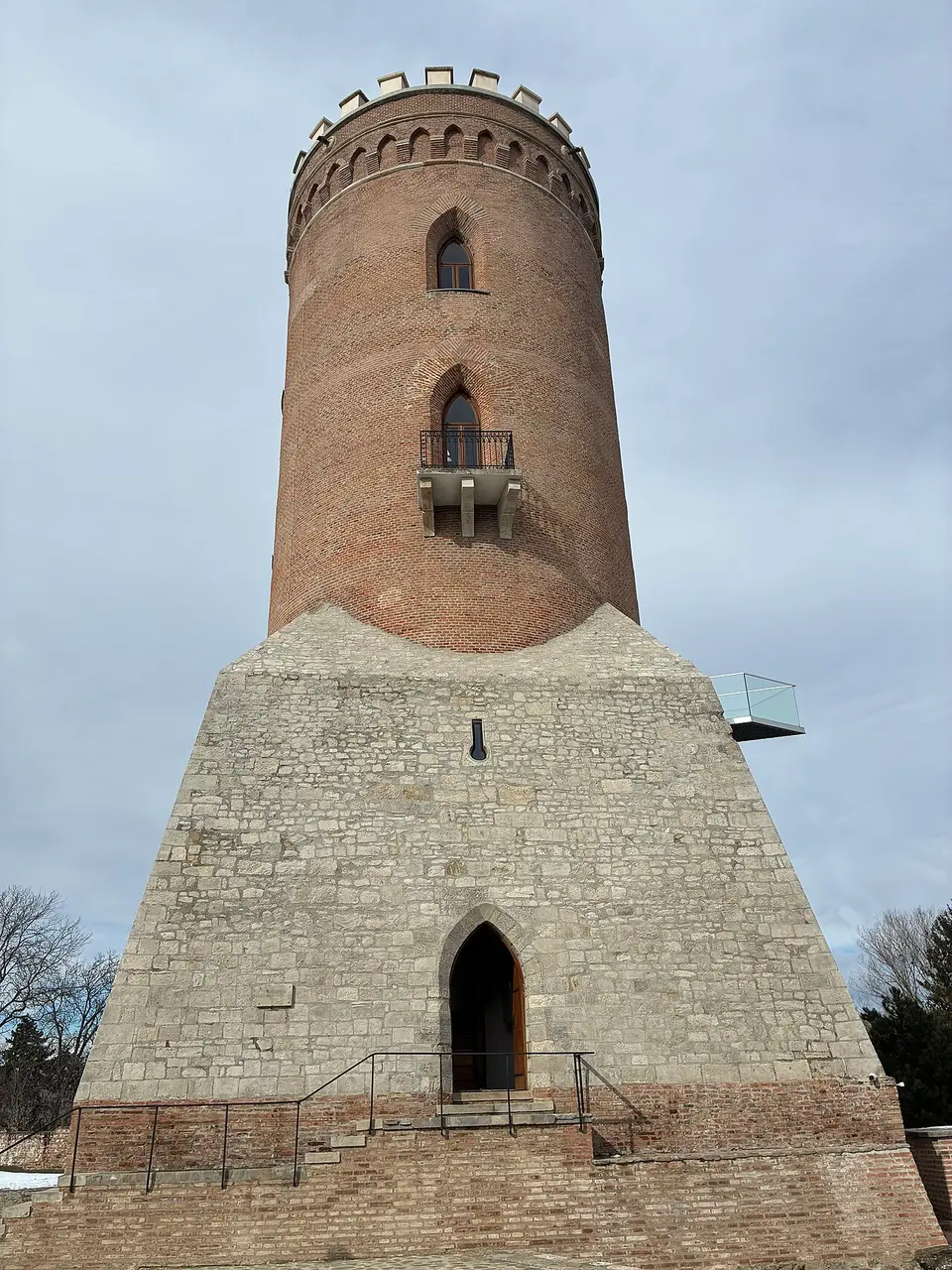
Targoviste was the seat of Vlad’s power, the town he ruled from and Wallachia’s capital for centuries. The Princely Court (Curtea Domneasca) and its landmark Chindia Tower, most likely raised during his reign, are the closest you can get to walking through his actual base rather than a legend about him. Our Targoviste guide covers the tower and the court ruins in full, including what’s documented about the 1462 night raid on the Ottoman camp here. Combined with Poenari, about two hours to the west, it makes the genuine “real Vlad” day trip out of Bucharest.
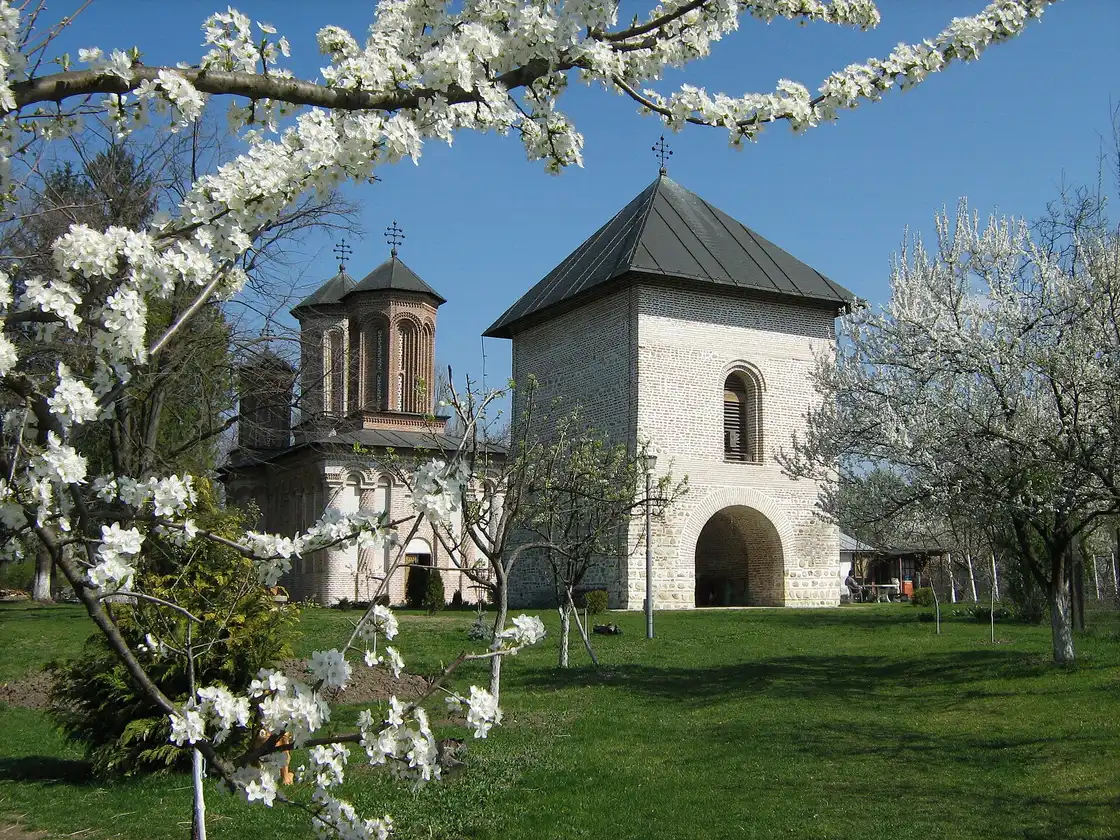
Snagov Monastery, on a small island in a lake about 40 km north of the capital, is where tradition says he was buried, and a stone slab in front of the altar is pointed out as his tomb. The story is shakier than the plaque suggests: when the archaeologist Dinu Rosetti dug beneath that slab in the 1930s he found no body there at all, and some historians now back Comana Monastery, a foundation of Vlad’s own, as the likelier grave. Either way the island setting, now reached on a pedestrian footbridge rather than a boat, is a quietly memorable place with none of the Bran-style circus.
The branded trail: Bran, Sighisoara and a themed hotel
The famous stuff is genuinely worth doing, as long as you know what it is. Bran Castle is the one sold worldwide as “Dracula’s Castle”, a real and handsome medieval fortress that Vlad never owned and Stoker never named; the full story of how it got the label, plus tickets and how to reach it, is in our Bran guide. Sighisoara, the lived-in Saxon citadel, has Casa Vlad Dracul, marketed as his birthplace on the strength of a 1430s mint and a plaque added in 1976, and we untangle that claim in the Sighisoara guide. Corvin Castle in Hunedoara has the most convincing Gothic looks of the three and a local legend that Vlad was held prisoner there for a spell.
And for pure kitsch there’s the Hotel Castel Dracula at Piatra Fantanele, built in the 1980s on the Borgo Pass precisely because that’s where Stoker put the fictional castle, complete with a themed coffin down in the basement. It’s silly and entirely aware of it, which is the right spirit for the whole brand.
How to see the Dracula sites, and which to skip
Pick your trip by what you actually want out of it. For the history, do Poenari plus Targoviste as a long day from Bucharest, ideally with your own car or a private transfer, because public transport to Poenari is painful and swallows the day. For the legend, base yourself in Brasov and take in Bran and, further out, Sighisoara; our things to do in Brasov covers that side, and the 7-day Romania itinerary threads several of these together across a week. Plenty of operators sell “real Dracula” tours pairing Poenari and Targoviste, and separate ones running the Bran-and-Sighisoara branding trail, for anyone not driving.
Here’s the ranking. If you can fit only one and you’re after atmosphere, Poenari beats Bran hands down: the climb, the broken ramparts and the empty view feel far more like a warlord’s eyrie than Bran’s polished, crowded museum. If you want the easy, photogenic half-day with souvenir stalls and royal interiors, Bran is your castle. And for a complete change of gear, none of them touches the opulence of Peles Castle an hour up the road, which has nothing to do with Dracula and holds the finest interior in the country. If you want the whole field weighed up, our Romania castles ranked guide scores fifteen fortresses by history, access and cost.
A couple of practical notes to close. Around Halloween, Bran runs themed events whose dates and format shift year to year, so check the official castle site rather than a blog if that’s your plan. Book accommodation early for the Transylvania towns on summer weekends; it’s worth comparing places to stay along the trail before rooms fill. Carry notes for the buses and the Poenari ticket while you’re at it. And keep the two halves apart as you travel: Vlad Tepes is the history, Dracula is the novel, and the trail works far better once you stop trying to make them the same trip.
Read also

What to see · 11 min read
Marginimea Sibiului: Shepherd Villages Near Sibiu
Verified · September 5, 202618 shepherd villages west of Sibiu: Rasinari, Sibiel glass icons, Saliste, Paltinis bus fares, and how a day out of town works.

What to see · 9 min read
Prejmer Fortified Church: UNESCO Near Brasov
Verified · September 3, 2026Prejmer fortified church 15 km from Brasov: Greek-cross plan, 275 wall rooms, UNESCO hours for 2026 and how a visit actually works.

What to see · 11 min read
ASTRA Museum Sibiu: Romania's Great Open-Air Village
Verified · August 29, 2026ASTRA Museum near Sibiu: 50-lei tickets, hours by season, how to get there, and which of the 400+ buildings across 96 hectares to see first.

What to see · 10 min read
Bucegi Sphinx & Babele: Cable Car from Busteni
Updated · August 26, 2026Ride the Busteni cable car to the Sphinx and Babele: 2026 return fare 199 lei, hours from 08:30, and how to pair it with Peles or Cantacuzino.