
Where to Stay in Brasov: Best Areas & Hotels
Best areas to stay in Brasov: Old Town vs Schei vs near the station, who each suits, hotel prices in lei, and using the city as a base for the castles.
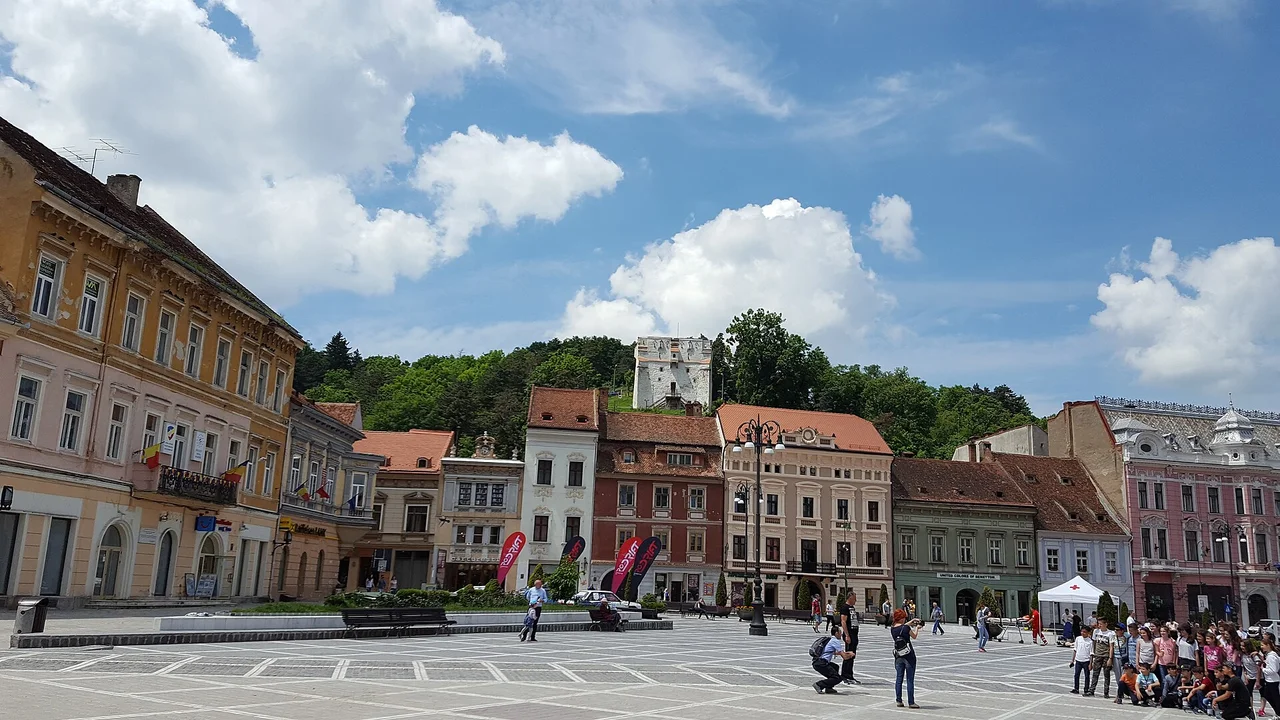
Stay in the Old Town, around Council Square and the pedestrian Strada Republicii. Brasov’s medieval centre is compact enough to cross on foot in fifteen minutes, so a room on or near the square puts every sight, terrace and day-trip bus stop within easy reach, and that’s what most first-timers should book. Choose Schei, the old Romanian quarter just uphill, if you want somewhere quieter, cheaper and closer to the trails, and the streets near the train station for a budget or early-departure stopover.
Getting this choice wrong is genuinely hard, because the part of Brasov you’re here for is small, walkable and safe from end to end. What actually separates one street from the next is noise, price, and how much bus and train time you’re willing to spend chasing Bran, Rasnov and Peles from your base. None of the areas below is a poor choice, but they trade differently on those three things, so it pays to know which before you book, not after you’ve checked in.
Which area is best for a first visit?
The Old Town (Centrul Vechi), without much debate. This is the postcard Brasov, a bowl of pastel merchant houses ringed by wooded mountains, arranged around Council Square (Piata Sfatului) with the old Council House at its centre and the pedestrian Strada Republicii running off it. Sleep here and you roll out of bed into a coffee, walk to the Black Church and the Tampa cable car, and stumble home from dinner in a couple of minutes. For a two or three-night trip, the convenience is hard to beat.
Picking a price bracket in Brasov mostly means picking how close to the square, and how much evening noise, you’re willing to pay for. Hostel beds and simple budget rooms start around 115 to 125 lei a night, a solid mid-range hotel lands closer to 250 to 400 lei, and the polished addresses on or near the square push toward 600 to 750 lei. All three bands jump on summer and ski-season weekends and whenever the Christmas market is running, so check the live number before you commit. Alongside the familiar chains, the centre is thick with guesthouses and apartments that have more personality than a hotel brand usually does.
Old Town: the square and Strada Republicii
This is the obvious pick, and the loudest one in the best sense. Step outside your door and the terraces, the Black Church, narrow Rope Street and the cable car up Tampa for the BRASOV sign are already close, no bus or taxi required. Sightseeing is the whole point of a stay here, and our guide to the things to do in Brasov walks the centre in order so you can see just how close everything actually sits.
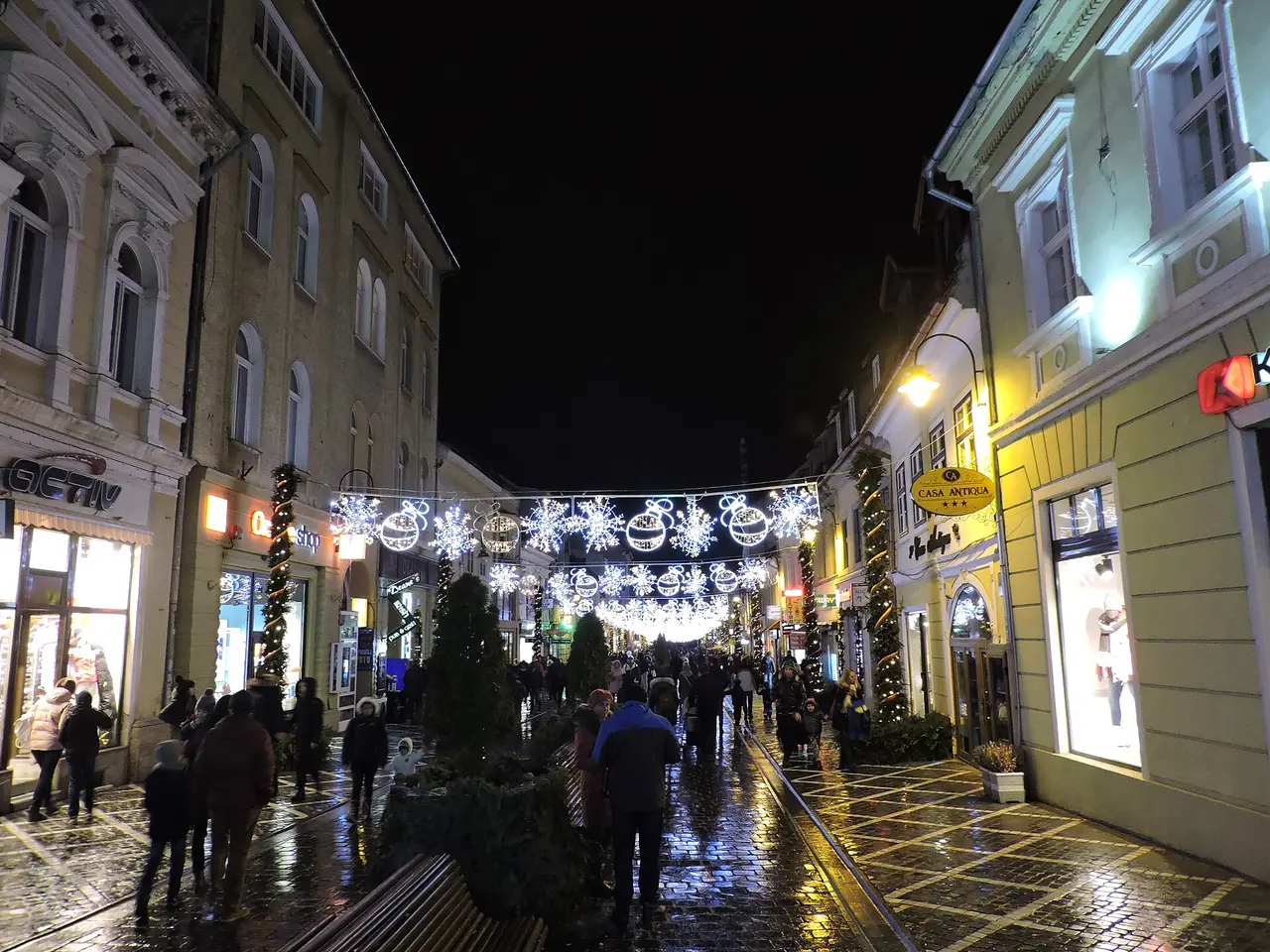
Book directly on Strada Republicii or with a window over the square, and some summer weekends you’ll hear the terrace crowd well past midnight, on top of paying the Old Town’s highest rates for the privilege, worse again during festivals and the Christmas market. None of that will ruin a trip to a city this laid-back, but light sleepers should ask for a courtyard room or a lane a block back from the square. Most people take the walkability trade anyway, which is exactly why the Old Town wins for a first stay.
Schei: quieter, homier, and nature on the doorstep
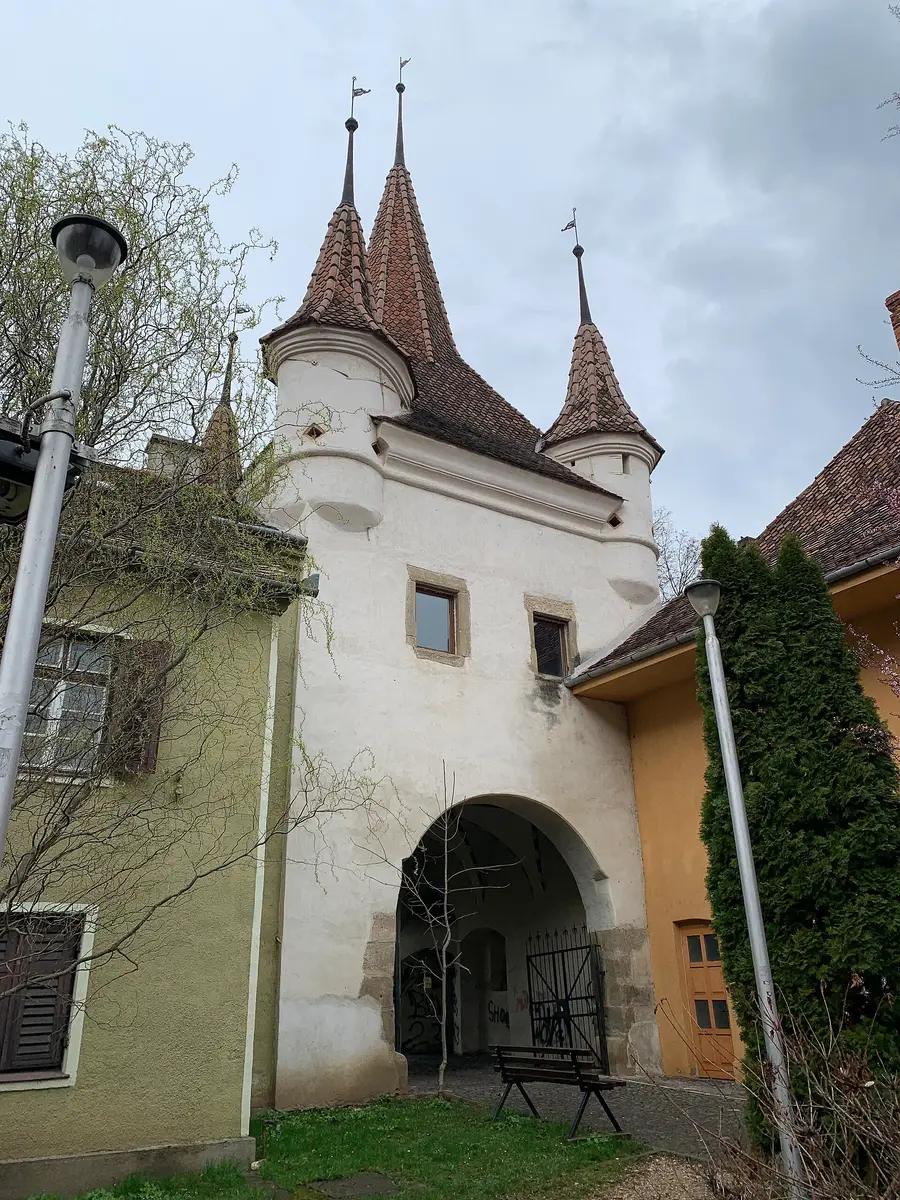
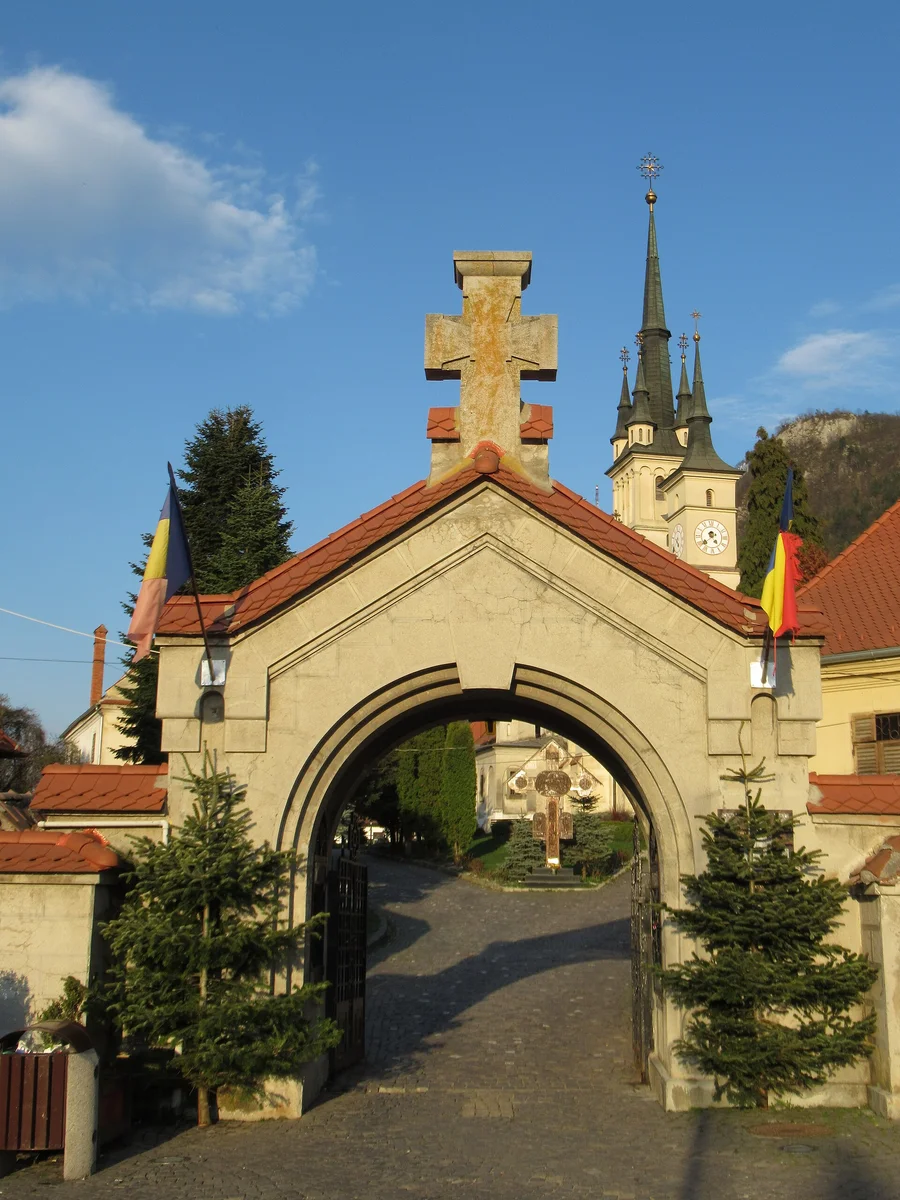
Head southwest through Catherine’s Gate, the pointed white tower marking the edge of the old Saxon walls, and you’re in Schei (Prund-Schei), the historic Romanian quarter. It has a completely different feel from the squared-off centre: a tangle of narrow lanes and low houses climbing the hillside, gathered around Piata Unirii, the black-towered St Nicholas Church and the First Romanian School. It’s noticeably calmer and more residential, and rates typically land a shade below the Old Town’s.
Pick Schei when what you actually want is Brasov’s medieval feel without the square’s price tag or its after-dark noise, and the walk back through Catherine’s Gate doesn’t put you off. It also happens to be the trailhead side of town: paths onto Tampa and into the hills behind it start a few streets from here, so a morning hike doesn’t need a taxi first. Couples wanting a calmer night, families, and anyone counting lei will all do well here, provided being a short walk from the square beats sleeping right on it.
Near the station, and the modern New Centre
Beyond the medieval core, two more pockets earn a mention for practical reasons rather than charm. Around Gara Brasov, the train station roughly 3 km northwest of Council Square, rooms cost less and reaching an early departure takes minutes, not a taxi ride across town - a fair trade if Brasov is one stop on a longer route rather than the whole point of the trip. The area itself does little for atmosphere and picks up traffic noise, so it isn’t somewhere to spend a whole stay.
Between the station and the Old Town sits Centrul Nou (the New Centre), a district of modern blocks, wider streets and larger hotels. It has less atmosphere than the medieval core but often better value for a straightforward, comfortable room, and it’s still a short bus ride or walk from the square. Worth a look if the Old Town is booked out or over budget on your dates and newer beats characterful.
Using Brasov as a base for the castles
Most people who stay in Brasov are here as much for what is around it as for the town itself, and this shapes where to sleep. The city is the natural launch pad for the castle belt: Bran Castle and Rasnov fortress are reached by bus from the Autogara 2 bus station northwest of the centre (the Bran-Moeciu line, roughly 50 minutes to Bran for around 13 lei; confirm the timetable locally), while Peles at Sinaia is a train hop south of about an hour. A central base keeps you near the local buses that feed both, so you’re not adding a cross-town leg before you even start. Still deciding whether to sleep here or day-trip the castles from the capital instead? Our Bucharest to Transylvania guide compares both approaches with times and fares.
If you’re here in winter, the same logic points at the slopes: Poiana Brasov, Romania’s best-known ski resort, sits about 12 km up the hill and 25 minutes away on bus 20 from the centre, so you can sleep in the medieval town and ski by day. However you arrive, our Bucharest to Brasov guide covers the train, bus and car options for getting here in the first place, and confirms why the scenic train usually wins that run. Flying into Otopeni with Brasov as your first bed? Shared airport shuttles and private transfers skip the capital and drop you here in about 2 to 3 hours - details in Bucharest airport to the city. Landing at Brasov’s own field instead? Brasov Airport (GHV) covers the short hop from Ghimbav into town.
One more thing shapes the decision if you plan to drive the castle loop yourself: Council Square and the lanes around it are largely pedestrianised, so a car earns you nothing inside the medieval centre except a longer walk. Book somewhere that has its own parking, or use a car park just outside the pedestrian core and walk the last few minutes in, rather than circling the square hunting for a gap. Sibiu’s old centre runs on exactly the same logic if both towns are on your route: keep the car parked while you’re in the historic core, and only start the engine on the morning you head out to Bran or the mountains.
The short version
Book the Old Town, around Council Square and Strada Republicii, for a first trip: you’re within walking distance of everything, right among the terraces, and close to the day-trip buses. Cross into Schei for a quieter, slightly cheaper base with the hiking trails on your doorstep. Pick near the station or Centrul Nou for budget stays and early departures. Whichever way you lean, the whole centre is only a few minutes wide, so getting it “wrong” costs you an extra five-minute walk, not a ruined trip. Get your bearings with the things to do in Brasov guide, keep some lei on hand for small places and day-trip buses, and compare what’s actually available for your dates before you settle on a neighbourhood.
Photos
Admission and opening hours
- Admission price
- Nightly rates for 2026, as a rough steer: hostel beds and simple rooms run about 115-125 lei, a solid mid-range hotel lands around 250-400 lei, and the smartest addresses reach roughly 600-750 lei. Expect a jump on summer and ski-season weekends and whenever the Christmas market is on.
- Opening hours
- The old centre is easy to cross on foot from end to end; the train station sits about 3 km northwest of Council Square, a short bus or taxi ride if the hotel is not right in the centre.
These are ballpark figures rather than live quotes, and they climb on peak weekends and around events; day-trip bus times shift by season too. Confirm both close to your travel dates. Checked July 2026.
Details checked: July 9, 2026
Read also

Cities · 13 min read
Predeal: Romania's Highest Ski Town
Verified · September 3, 2026Predeal sits at 1,030-1,110 m on the Bucharest-Brasov line: Clabucet ski, the town itself, and how it stacks up against Sinaia and Poiana.

Cities · 10 min read
Suceava Travel Guide: Fortress & Bucovina Gateway
Updated · August 25, 2026Things to do in Suceava: Stephen the Great's fortress, the UNESCO Saint John monastery, village museums, and using the city as a base for Bucovina.

Cities · 9 min read
Where to Stay in Sighisoara: Citadel or Lower Town
Verified · August 24, 2026Where to stay in Sighisoara: citadel vs Lower Town, price bands in lei, parking, the medieval festival, and who should sleep inside the walls.

Cities · 11 min read
Where to Stay in Timisoara: Best Areas & Hotels
Verified · August 19, 2026Where to stay in Timisoara: Cetate vs Fabric vs Iosefin vs Circumvalatiunii - who each suits, walk times, prices in lei, and getting in from the airport.