
Bucegi Sphinx & Babele: Cable Car from Busteni
Ride the Busteni cable car to the Sphinx and Babele: 2026 return fare 199 lei, hours from 08:30, and how to pair it with Peles or Cantacuzino.
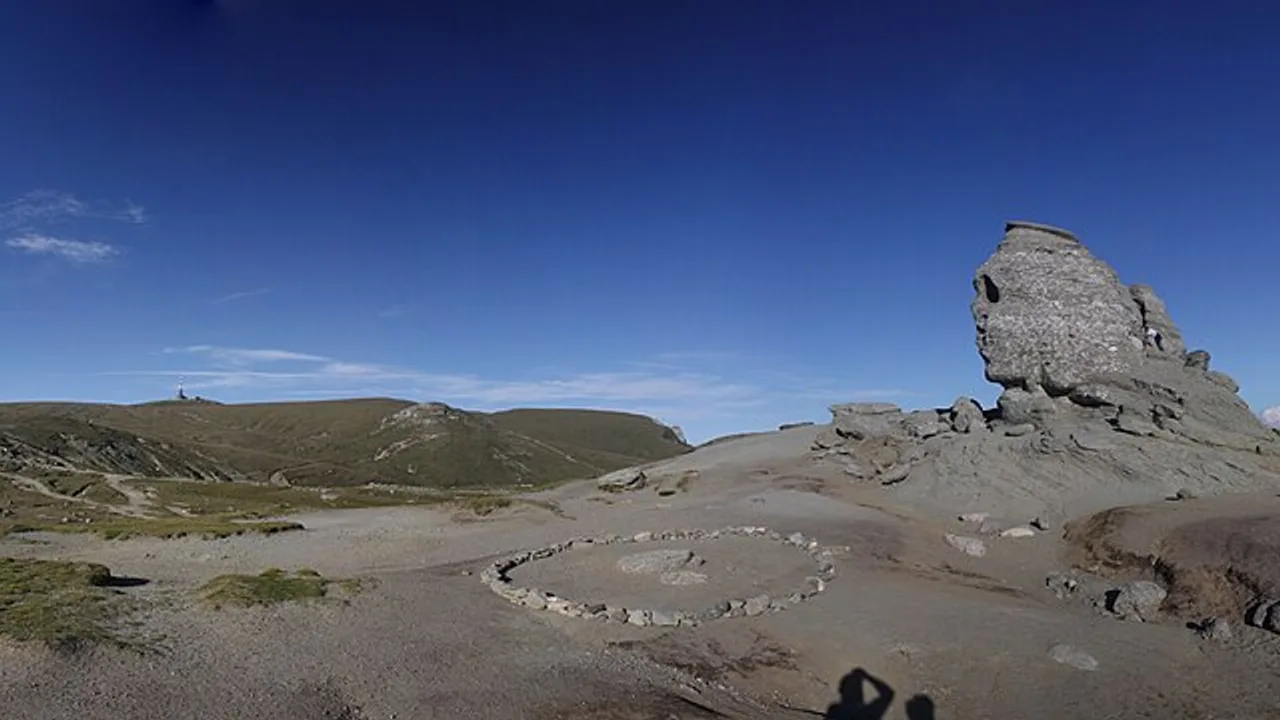
The fastest way to the Bucegi Sphinx and Babele rock formations is the cable car from Busteni: a 2026 round-trip adult ticket costs 199 RON (about 44 USD / 32 GBP at late-August exchange rates), the ride climbs roughly 1,235 m in about 13 minutes, and you step out on the plateau on an open plateau where wind-sculpted rocks sit above the Prahova Valley. You’ll want a warm layer even in summer, cash or card for the ticket desk, and an early start on Saturdays, when Romanian families queue for the same view.
Genetrix SA, the operator behind teleferic.ro, publishes the live tariff and timetable. What it does not publish is how long you’ll wait in line, and that gap matters on a July Sunday.
| Quick answer | Detail |
|---|---|
| Return fare (adult) | 199 RON (105 RON one way) |
| Child 5-12 | 85 RON return / 49 RON one way |
| Under 5 | Free (operator rule) |
| First car Mon, Wed-Sun | 08:30 |
| Tuesday | First ascent 10:30 (maintenance) |
| Last ascent | 16:00 · last descent 17:00 |
| Ride time | About 13 minutes (4.35 km line) |
| Walk at top | Short flat paths between Sphinx and Babele |
Prices and hours checked August 2026 on the operator site - confirm again before you travel, especially after storms or on Tuesdays.
What are the Sphinx and Babele?
They are natural rock sculptures on the Bucegi plateau, not built monuments, and they owe their shapes to centuries of wind and frost on limestone and conglomerate that eroded at different speeds. Babele means “the old women” in Romanian: a cluster of mushroom-shaped pillars that look like hunched figures when the light is low. Ten minutes along the path, the Sphinx (Sfinxul) is a block of stone whose profile reads, from the classic viewpoint, like a human face looking over the Carpathians.
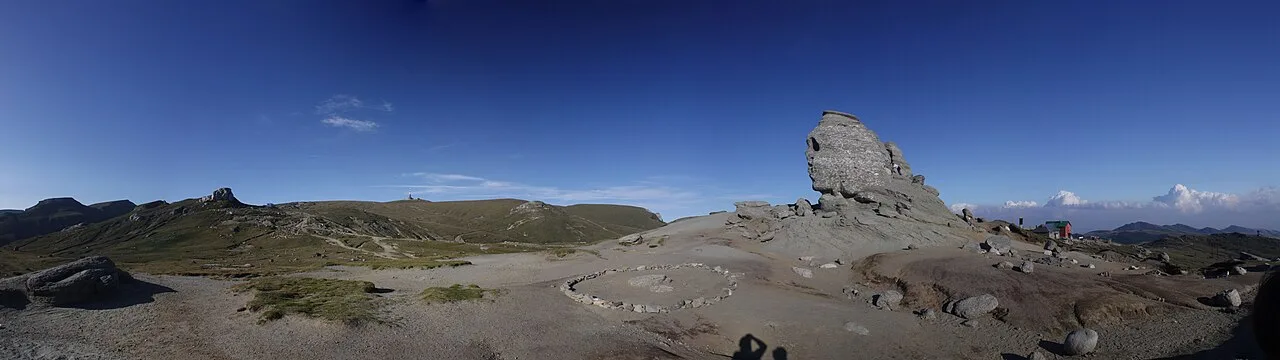
Both formations sit inside Bucegi Natural Park, the same high ground that caps the Prahova Valley resorts. Romanians treat the pair as a national postcard; foreign visitors often arrive expecting a small archaeological site and find instead an alpine meadow with a kiosk, a hut, and sudden cloud. That mismatch is half the charm. The plateau is real mountain country: in clear weather you look straight down into Busteni and across to the Caraiman Heroes’ Cross on the ridge, and in fog you may see only twenty metres of grass - still worth the ride if you’ve never stood at this altitude without hiking up.
Busteni cable car prices in 2026
Genetrix publishes a single tariff grid for the 2026 season at teleferic.ro/tarife. For the main Busteni-Babele segment, the numbers are straightforward:
- Adult: 105 RON up or down; 199 RON round trip
- Child (5-12): 49 RON one way; 85 RON round trip
- Under 5: free
Buying a return saves 11 RON against two one-way tickets - not huge, but it also saves you from discovering at 16:00 that the down queue is longer than the up queue was at noon.
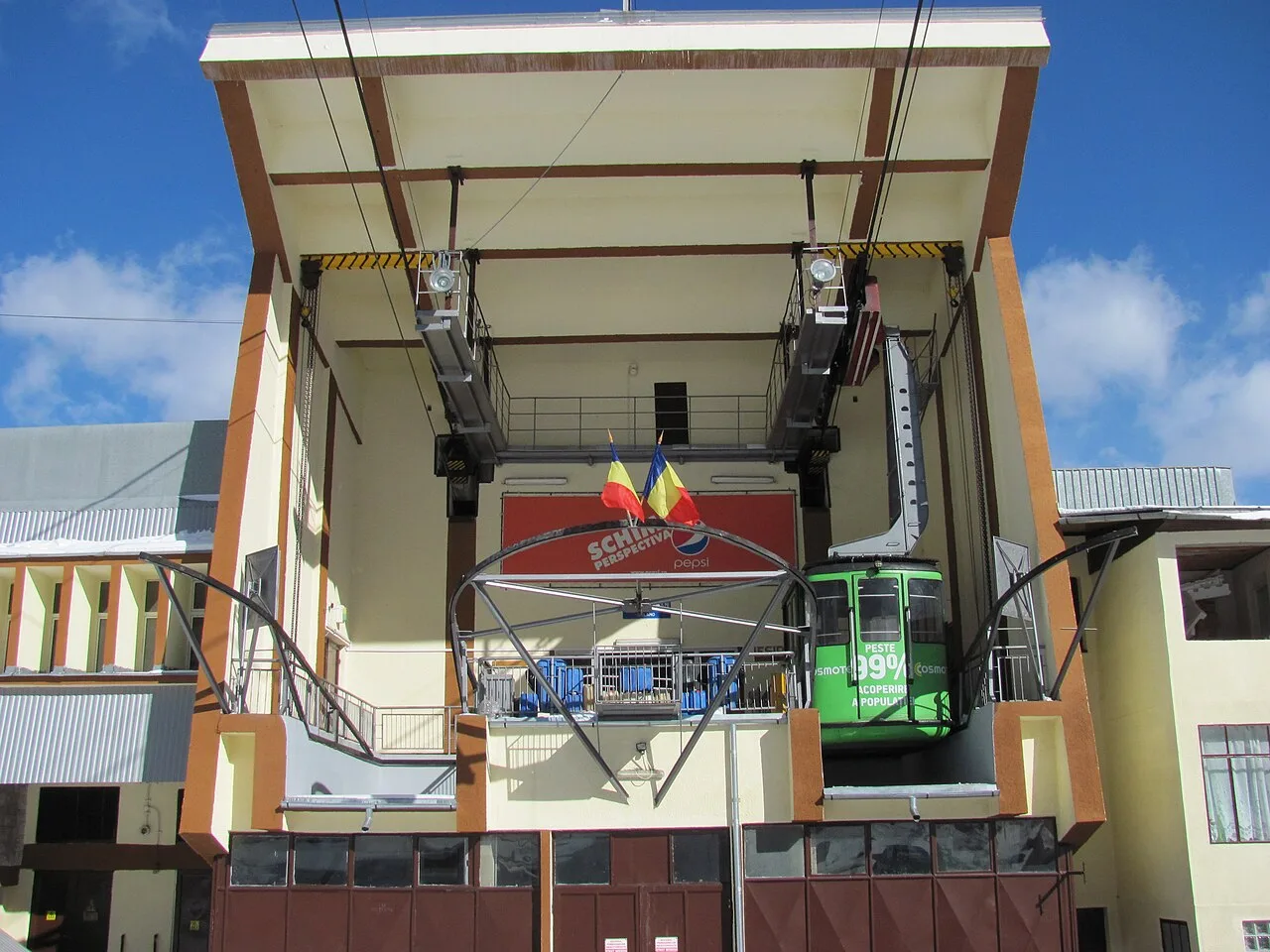
If you plan to continue to Peștera (the upper station above Ialomiței Cave), separate segments apply on the same operator grid: 190 RON adult one way Busteni-Peștera, 249 RON round trip, and 90 RON each way on the Babele-Peștera link (149 RON return). A through ticket from valley to cave and back exists, but the combined timetable cuts off earlier - last ascent from Busteni toward the full loop is 12:00 on most days, so a cave add-on is a morning decision, not an afternoon impulse.
Payment is at the station: card and cash both work in normal conditions, and there’s no need to hunt third-party resellers for the published tariff.
Schedule, wind, and the Tuesday maintenance window
Operating hours are fixed on paper and flexible in practice. From teleferic.ro/program, the Busteni-Babele line runs with first ascent at 08:30 Monday and Wednesday through Sunday, last ascent at 16:00, and last descent at 17:00. On Tuesdays, the first ascent is 10:30 because the installation is down for scheduled maintenance until then - not closed all day, but useless if you’ve planned a 07:00 start.
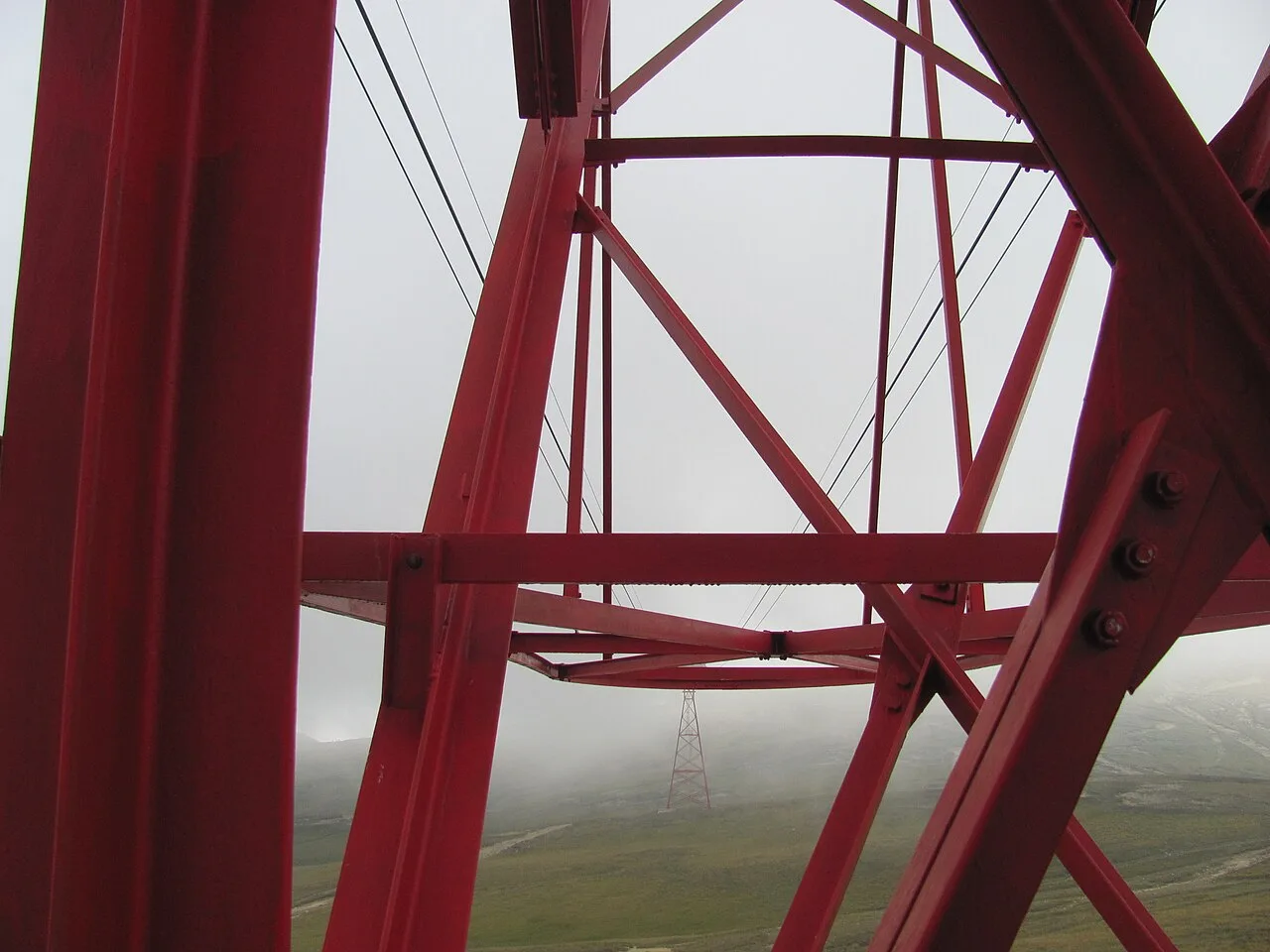
High wind is the other shutdown trigger. The line is engineered for strong gusts (historical specs cite a 16 m/s operating limit), and when the plateau is blowing, cars stop mid-schedule without much warning. Check the operator’s same-day status online or by phone before you drive up from Bucharest; a wasted DN1 run in closed traffic hurts more than a cancelled cable car.
Weekend strategy that actually works: queue before 09:00, ride up, walk the rocks while the day is still clear, and ride down before 15:00. Afternoon thunderstorms are common in July and August; metal-rich plateau air and a crowded cabin are a bad mix when lightning is moving in.
The ride: what 13 minutes at 2,290 m feels like
The Busteni-Babele telecabina is a proper mountain lift, not a ski-resort hop. When it opened in August 1978, it was celebrated for a 4,350 m single span with about 1,235 m of vertical gain - lower station near 880 m, upper station near 2,290 m. Two large cabins shuttle in opposite directions; capacity is on the order of 24 passengers plus an attendant, so a full load moves slowly through boarding.
The published journey time at inauguration was about 12 minutes 40 seconds; in practice you’ll spend longer if the queue is long. The visual payoff comes early: the Jepii gorge falls away, Busteni shrinks to a strip along the DN1, and the Caraiman cross appears at eye level before you’ve reached the plateau. If you’re nervous about heights, stand centre in the cabin; the east-facing windows over the valley are the dramatic side.
This is the easy alternative to hiking up from Busteni through Valea Jepilor - a forest trail that earns the same rocks in several hours of steep walking. For trail maps, season windows, and bear etiquette on the longer Bucegi routes, see our page on Carpathian hiking - it covers the range, not this ticket desk, and that’s deliberate.
At the top: Babele, the hut, and ten minutes of flat walking
The upper station opens onto grass and stone, not a fenced viewpoint. Cabana Babele, the mountain hut beside the cables, is the obvious place to wait out a squall - but sources disagree on whether it opens year-round, so don’t build the day around finding it staffed. From the station, signed paths lead to Babele first for most visitors, then onward to the Sphinx - figure 10 to 15 minutes of easy walking between the two on flat ground, longer if you’re photographing every pillar.
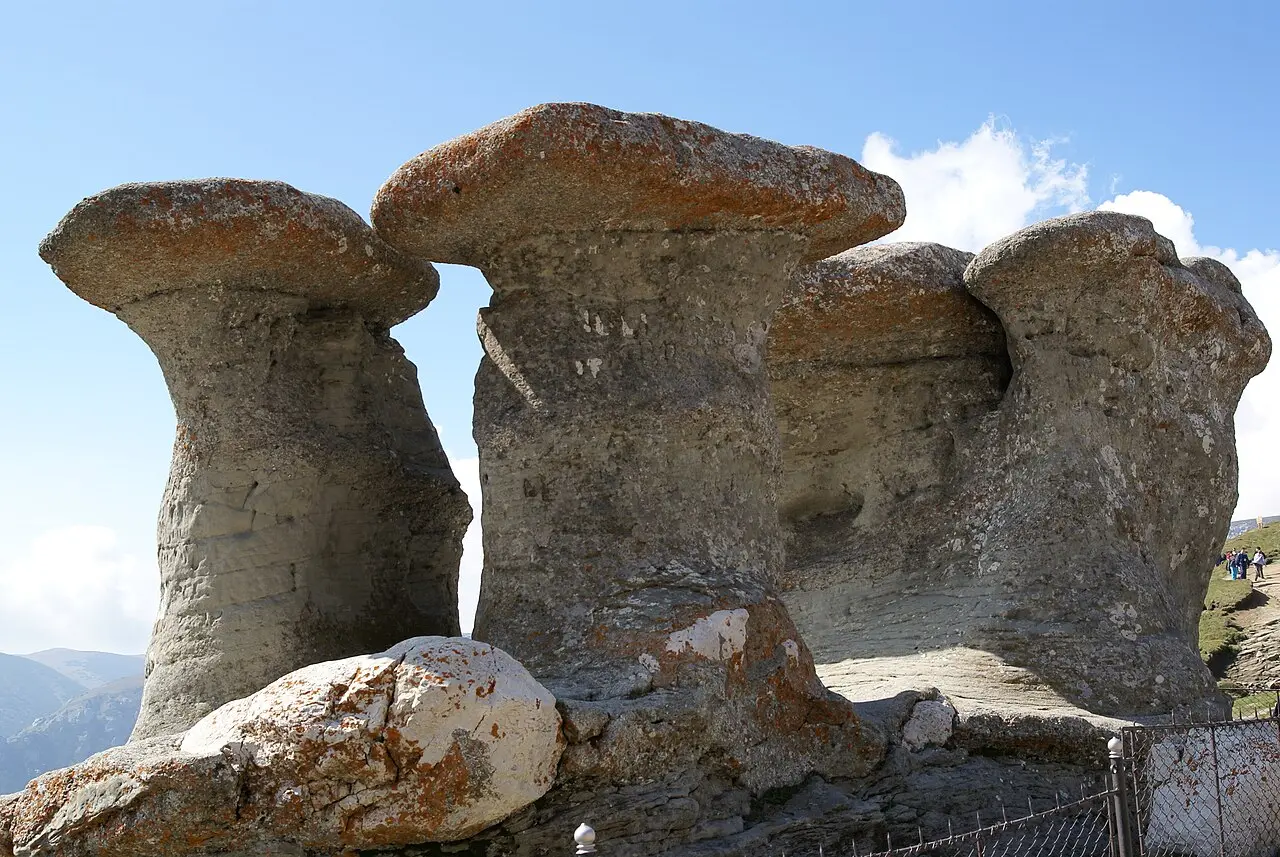
Dress for 10-15 °C below whatever Busteni feels like at noon. Even in August, mist can drop visibility to nothing in minutes; a packable waterproof beats an umbrella, which the wind will turn inside out. Sturdy shoes help on wet rock, though you don’t need boots for the standard loop. Dogs are common on the plateau; keep distance - this is grazing land as well as a tourist site.
Fit walkers can push farther toward Omu peak (2,505 m), the highest summit in the Bucegi, but that’s a half-day extension with proper kit, not a casual add-on in trainers. The cable car buys you the icons, not the full traverse.
Adding Peștera and Ialomiței Cave
A second cable segment drops from Babele toward Peștera station, the access point for Ialomiței Cave (Peștera Ialomiței), a show cave with a monastery chapel at the entrance. Operator tariffs for Babele-Peștera are 90 RON one way / 149 RON return for adults in 2026. The Peștera-Babele line runs on a slightly different clock - first ascent 09:00 most days, 11:00 on Tuesdays, last run 16:30 - and cave visits inside add at least an hour.
The combined Busteni-Babele-Peștera return ticket only works if you respect the early cutoff: last ascent from Busteni is 12:00 on Mon and Wed-Sun (10:30 start on Tuesday, same midday cutoff). Miss that window and you’re buying separate segments or hiking between stations. Cave entry fees are not included in the cable tariff; pay at the cave gate on arrival.
Getting to Busteni
Busteni is a Prahova Valley resort 10 km north of Sinaia and about 135 km north of Bucharest on the DN1. The train is the sanest option on summer weekends, when the road jams with Bucharest traffic: direct CFR services from Bucharest North take roughly 1 h 50 min to 2 h, from Brasov about 50-60 min, and from Sinaia around 10 minutes. The lower cable-car station is a signed uphill walk from the town station - about 2.3 km, so budget 30-35 minutes on foot with the elevation.
Drivers park near the station or at hotel lots; spaces fill early on Saturday. A private transfer to Busteni pays off for families with gear or for a same-day castle-and-cable loop where train timing is tight.
Fitting a Prahova Valley day together
Most international visitors shouldn’t ride the cable car in isolation. The standard efficient day runs Sinaia → Busteni along the valley: morning at Peles Castle, lunch in Sinaia, afternoon cable car to Babele, or the reverse if weather forecasts favour a clear morning on the plateau. The Sinaia town guide covers the monastery, the casino, and the separate Sinaia lifts for a second route onto the Bucegi massif.
In Busteni itself, Cantacuzino Castle - the Nevermore exterior from Netflix’s Wednesday - sits above town and pairs naturally with an early cable-car slot: castle tour before 11:00, queue for the 12:00 car, or do the rocks first and the castle on the way down. Either order works; the mistake is trying to add Bran Castle the same day without accepting a very long DN1 drive.
Book hotels in Busteni or Sinaia before peak weekends; both towns sell out when Bucharest empties into the mountains. If the cable car is closed by wind, you still have the valley castles - if you planned only for Babele with no buffer, you’ll feel cheated. Build the day with a wet-weather fallback and you’ll leave the plateau happy whether the Sphinx is smiling through sun or hiding in cloud.
Photos
On the map
The map loads on click - to keep the page lightweight.
The map didn’t load. Check your connection and refresh the page.
Admission and opening hours
- Admission price
- Busteni-Babele cable car (2026 season, Genetrix SA): 105 RON one way / 199 RON round trip (adult); 49 RON / 85 RON (child 5-12). Under-5s free. Combined Busteni-Peștera round trip 249 RON adult.
- Opening hours
- Mon and Wed-Sun: first ascent 08:30, last ascent 16:00, last descent 17:00. Tuesday: service from 10:30 (maintenance until then). Stops in high wind - confirm on the day.
Tariffs and hours from teleferic.ro, checked August 2026. Operation depends on weather; queue time is not included in the published schedule.
Details checked: August 26, 2026
Read also

What to see · 9 min read
Prejmer Fortified Church: UNESCO Near Brasov
Verified · September 3, 2026Prejmer fortified church 15 km from Brasov: Greek-cross plan, 275 wall rooms, UNESCO hours for 2026 and how a visit actually works.

What to see · 11 min read
ASTRA Museum Sibiu: Romania's Great Open-Air Village
Verified · August 29, 2026ASTRA Museum near Sibiu: 50-lei tickets, hours by season, how to get there, and which of the 400+ buildings across 96 hectares to see first.

What to see · 9 min read
Fagaras Fortress: Transylvania's Moat Castle
Updated · August 23, 2026Fagaras Fortress on the DN1: moat citadel between Brasov and Sibiu. Tickets 30 lei, hours, the museum circuit, and a stop that needs no detour.

What to see · 10 min read
Snagov Monastery: Vlad the Impaler's Reputed Grave
Verified · August 17, 2026Snagov Monastery on Lake Snagov: the slab said to mark Vlad's grave, what the 1933 dig found, plus the 2009 footbridge, hours and boat.