
How Many Days in Romania Do You Need?
How many days do you need in Romania? What fits into 3, 5, 7, 10 and 14 days, the pacing that slows you down, and how to choose your trip length.
Five days is the practical minimum for a first trip to Romania, seven is the sweet spot, and you want ten or more only if you’re pushing north into Maramures and Bucovina or out to the Danube Delta. Two or three days is a Bucharest-plus-one-castle taster, not a Romania trip. The thing that decides all of this isn’t how much there’s to see, it’s how slowly you actually move between the sights, because there’s still no motorway over the Carpathians and the map lies to you about distances.
So the question is less “how long is Romania” and more “how far into it do you want to go”. Below is what each trip length genuinely buys you, the pacing trap that eats a day at each end, and how to match your days to the season rather than the other way round.
How many days do you actually need in Romania?
Pick the row that matches your appetite, then read down for the detail. All of these assume you fly into Bucharest (OTP), which our guide to which airport to fly into helps you confirm.
- 2 to 3 days: Bucharest plus a single day-trip to a castle. A city break with a taste of the mountains, nothing more.
- 5 days: the castle core, done without rushing. Bucharest, Peles, Brasov, Bran, and one Saxon town.
- 7 days: Transylvania properly, the region’s greatest hits plus the Transfagarasan pass. This is where most first trips should land.
- 10 days: the seven-day loop extended north into Maramures and Bucovina, or east to the Danube Delta. One direction, not both.
- 14 days: the whole spread if you keep moving, or a far more relaxed version of the ten-day trip with time to breathe.
The single biggest mistake is treating Romania like a country you can criss-cross. You can’t see the wooden churches of the north, the painted monasteries of the northeast, and the delta in the east on one tidy circuit; they sit in opposite corners. Every good Romania plan picks a direction and commits.
A long weekend: 2 to 3 days
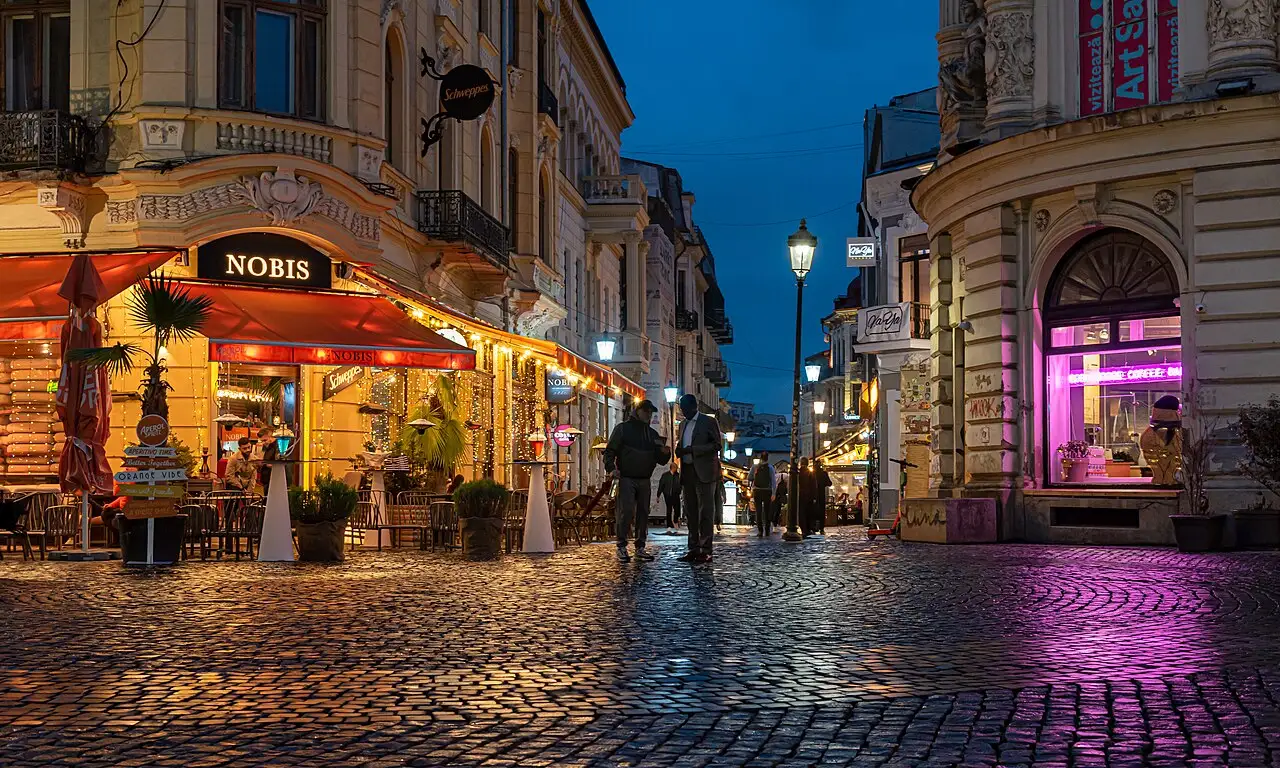
Two or three days is a Bucharest trip with one escape to the hills, and there’s no shame in that. The capital itself earns a full day or two: the colossal Palace of the Parliament, the restored Old Town lanes, the Village Museum. Our things to do in Bucharest guide has the shortlist and the booking traps, and the 2-day Bucharest itinerary puts them in the order that actually works.
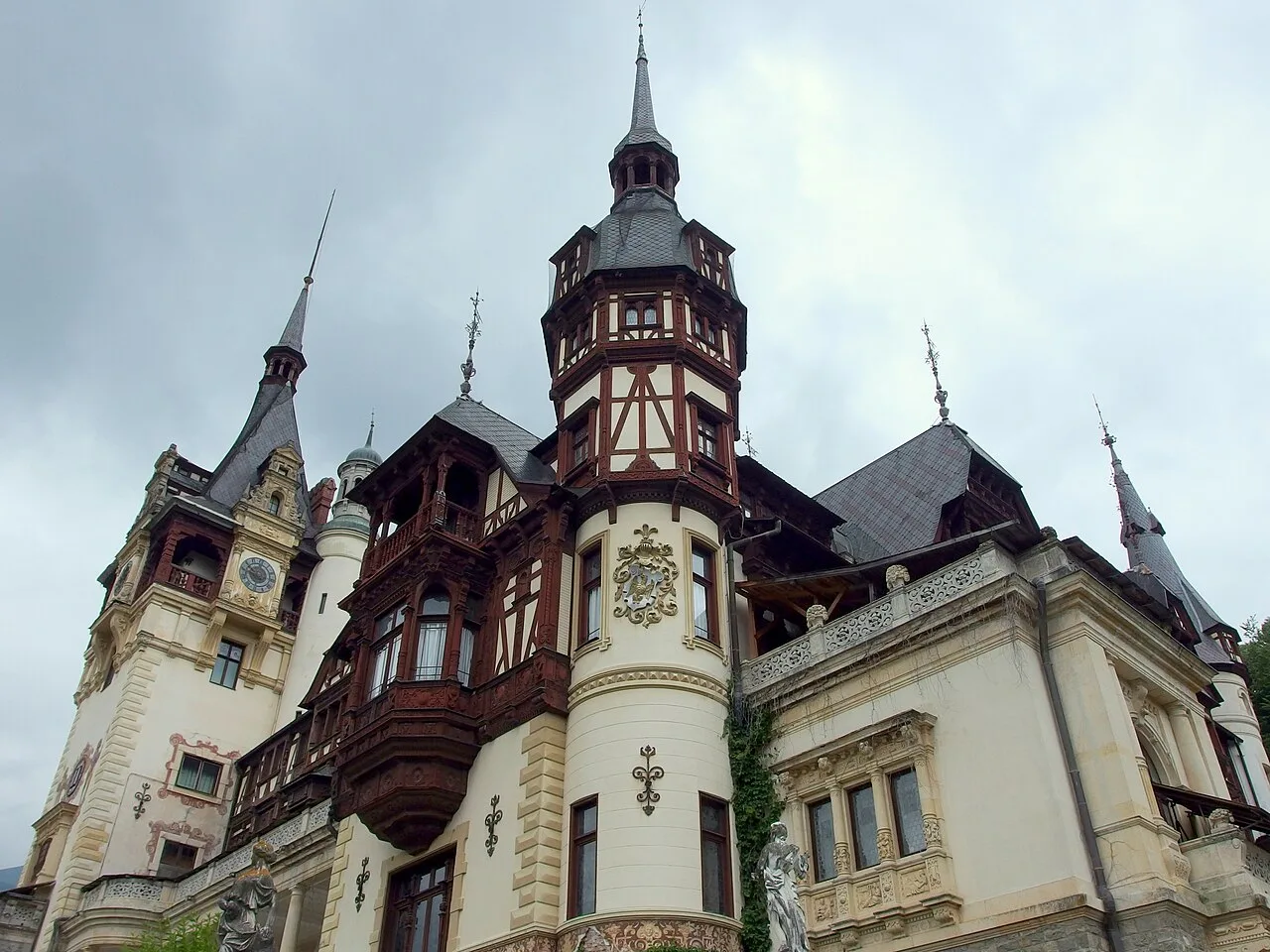
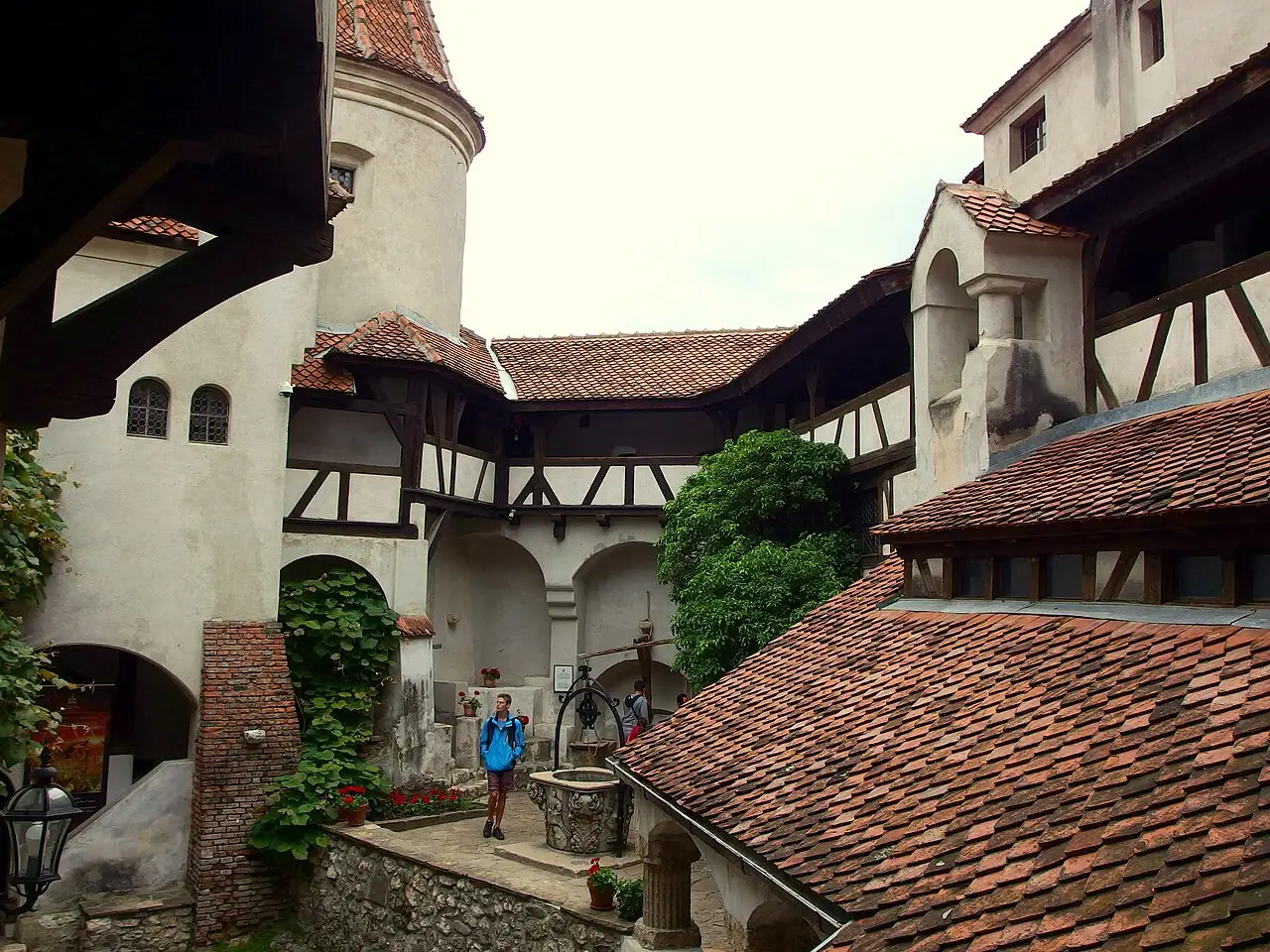
On the spare day, most people run up to Sinaia for Peles Castle or over to Bran Castle, the “Dracula” one, and both are doable as a long day out of Bucharest. Just know the trade: you spend three to five hours of that day in the car or on the train for a couple of hours at the castle. It works as a highlight reel. It’s not the countryside trip, and it barely touches Transylvania.
Five days: the castle core
Five days is the first length that feels like a real trip. You get Bucharest, the Prahova Valley up to Peles in Sinaia, two nights based in Brasov, Bran Castle, and one of the Saxon medieval towns, Sighisoara or Sibiu, without any single day turning into a transit slog. It’s the plan for a first-timer who wants the postcards, the castles, the cobbled squares, and one good mountain view, and to sleep well rather than pack every hour.
The compromise at five days is that the Transfagarasan, Romania’s famous alpine road, needs its own day and the right season, so it usually falls off. If that road is the reason you’re coming, skip to seven. If it’s the castles and the towns you’re after, five days covers them cleanly, and our seven-day itinerary shows exactly how to cut its loop down to five without losing a headline sight.
Seven days: Transylvania properly
One week is the answer I give most people, and it’s the length the Romania seven-day itinerary is built around: a clockwise loop of roughly 720 km through Bucharest, Sinaia, Brasov, Bran, Sighisoara, and Sibiu, then back over the mountains. Seven days is what it takes to see Transylvania as a region rather than a set of castle car parks, with time for the fortified Saxon churches, a slow morning in a medieval square, and the drive that ties it all together.
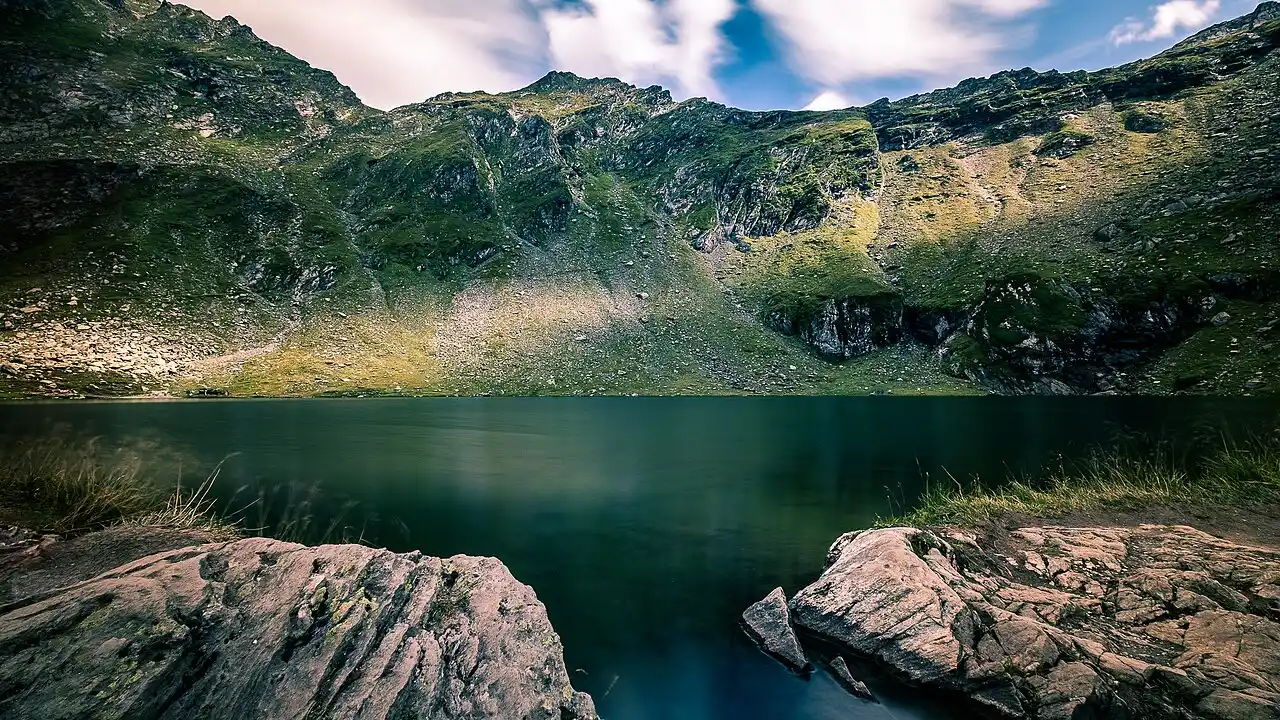
That drive is the Transfagarasan (the DN7C), which climbs to 2,042 metres by glacial Balea Lake and is the single best reason to give the trip a seventh day. It can’t be squeezed into a busy castle day; it wants its own. The catch is the calendar, covered below.
Seven days is also the point where a rental car starts to pay for itself, because Bran, the pass, and the smaller villages are not on the rail map. If you’re weighing hiring wheels against the train, compare a rental car early, and check the deposit hold rather than the daily rate. Prefer the railway? The spine of the country is genuinely good by train: Bucharest to Brasov is about 166 km and the fast InterCity does it in roughly 2 hours 16 minutes, up to ~30 trains a day, from near 59 lei second class (confirm on bilete.cfrcalatori.ro). You lose the pass and the villages, but you skip parking in medieval old towns.
Ten days: add the north
Ten days is where Romania opens up beyond the castle belt, and the smart move is to extend the Transylvania loop rather than start crossing the country. Our ten-day itinerary does exactly that: it condenses the castle section and pushes north into the two regions that make the country feel genuinely remote.
The first is Maramures, the land of tall wooden churches, the painted blue crosses of the Merry Cemetery at Sapanta, and a narrow-gauge steam train up the Vaser valley. It rewards two or three days and feels a century removed from Brasov, and our Maramures loop route is how those days fit together on the ground. The second is Bucovina and its painted monasteries, where 500-year-old frescoes cover the outside walls of the churches, not just the inside.
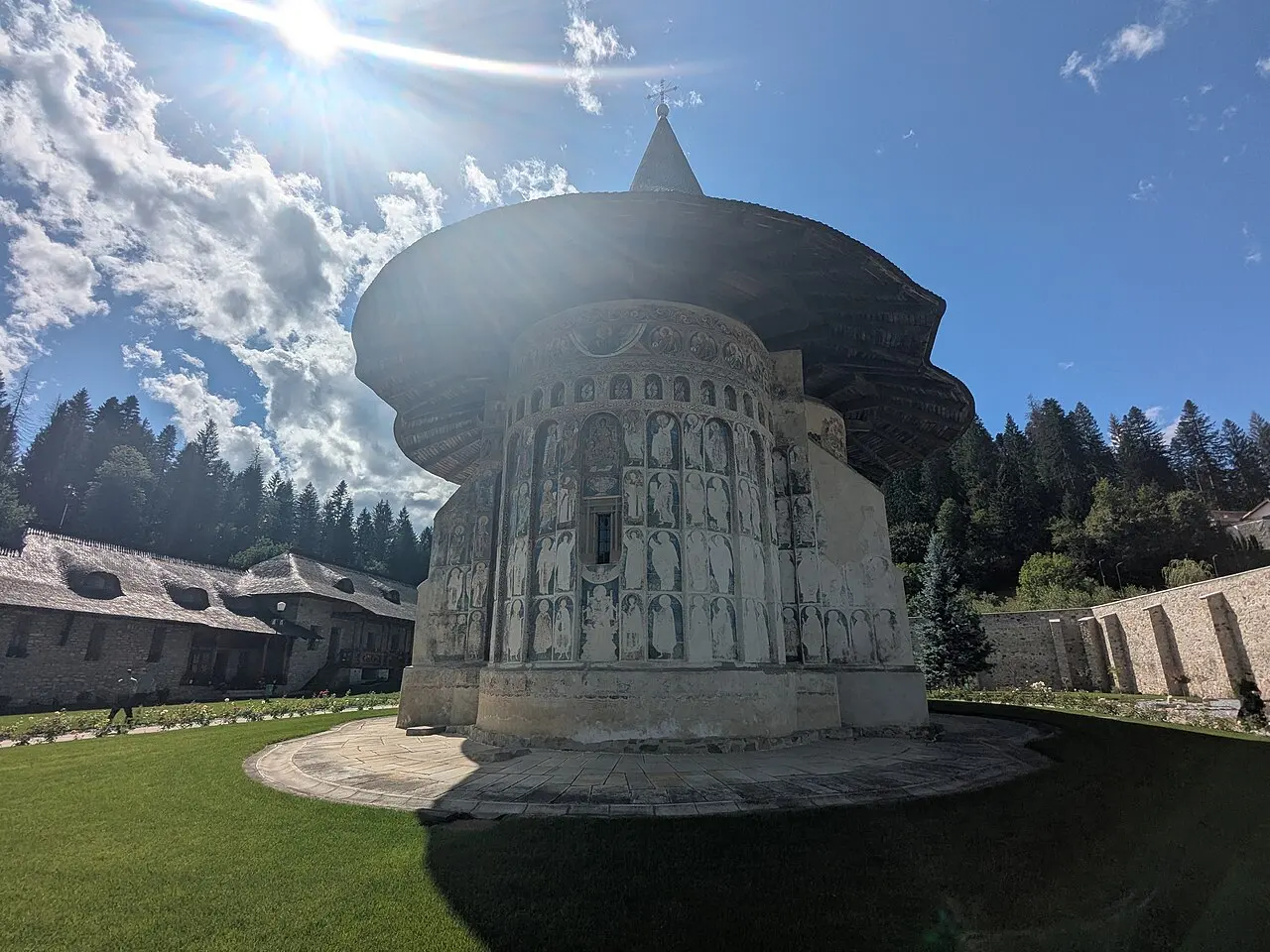
The loop that stitches these together runs around 1,300 km, which is a lot of driving in ten days. Do it and you sleep in a different bed most nights, so book your places to stay as a chain of one- and two-night stops rather than a single base. If that sounds relentless, that’s your signal to either slow it to two weeks or drop the far north and swap in the delta instead.
Two weeks: the whole country, or a slower half
Fourteen days gives you two genuine choices, and both are better than the frantic middle. Either keep moving and add an eastern arm to the ten-day northern loop, or take the same ten-day route and give it room to breathe with rest days in Brasov and Sibiu. Most people are happier with the second.
Two weeks is also the length that finally makes the Danube Delta practical. Europe’s largest wetland is reached via Tulcea and then explored only by boat, so a hire car just sits in a car park, and it wants two or three unhurried days to be worth the detour east: our Danube Delta boat route is built around that pace. If beaches are more your thing, Constanta and the Black Sea coast sit about two and a half hours east of Bucharest by train and bolt on easily. What two weeks still won’t do is all of it at once: north and delta on the same trip means a lot of your holiday spent watching the road.
What actually eats your days
Here is the part the itineraries assume you already know. Romania is slower than its distances suggest, and the reason is structural: there’s no motorway across the Carpathians. The long-promised A3 from Bucharest toward Brasov is still unbuilt, so the main route north is the single-carriageway DN1, which crawls on summer weekends, especially heading back to Bucharest on a Sunday afternoon. Budget for that jam or travel midweek.
The rest of the arithmetic follows from it. Bucharest to Brasov is a comfortable half-day; Bucharest to Cluj, at the far end of Transylvania, is the better part of a full day by road or rail, which is why flying into the wrong airport for your route can cost you a day at each end. Mountain roads reward patience over pace, and the medieval old towns are for walking, not driving through. Every “one more region” you add isn’t just its own days, it’s the transfer days to reach it. That’s the whole case for picking a direction and going deep rather than wide.
Let your dates set the length
Sometimes the calendar decides your trip length for you. The Transfagarasan is only fully open, top to bottom, from roughly 1 July to 31 October, weather permitting, and the exact reopening shifts every year (in 2026 the road authority cleared the high section in mid-June). Travel outside that window and the pass day simply disappears from a seven-day plan, which nudges the sweet spot back toward five. The nearby Transalpina is also a summer-only road.
Season changes the maths in other ways too: ski trips to Poiana Brasov are a winter proposition, the delta is best in spring and early summer for birds, and the shoulder months trade crowds for shorter opening hours. Work out when you’re coming first with our guide to the best time to visit Romania, then size the trip to fit, not the other way round. For pacing the spend across whatever length you choose, the Romania trip cost breakdown puts daily and full-week budgets in lei next to each of these lengths.
The short version
For a first trip, give Romania seven days if you possibly can: it sees Transylvania properly and earns the mountain pass. Squeezed for time, five days still covers the castle core without a rush, and a long weekend is a fair Bucharest-plus-a-castle taster. Reach for ten days to add the northern regions or the delta, and two weeks to do it without living in the car. Whatever number you land on, remember the Carpathians set the pace, the season caps the pass, and Romania always rewards going deep into one corner over skimming the whole map.
Read also

Before you go · 8 min read
What to Pack for Romania: Seasons & Essentials
Verified · September 1, 2026What to pack for Romania by season: city heat near 30 C, Carpathian ridges near 10 C in July, Black Sea kit, and winter layers that work.

Before you go · 10 min read
Skiing in Romania: Resorts, Passes & Season
Updated · August 30, 2026Ski Romania: Poiana Brasov, Sinaia, Predeal and Straja day-pass prices in lei, the snow season window and which resort fits your trip.

Before you go · 9 min read
Best Day Trips from Cluj-Napoca
Verified · August 16, 2026Day trips from Cluj by effort: Salina Turda by bus, Rimetea by car, Alba Iulia citadel and Banffy Castle at Bontida, with times and prices in lei.

Before you go · 8 min read
Romania's Black Sea Resorts: Which One to Choose
Verified · August 11, 2026Mamaia, Eforie Nord, Costinesti, Neptun or Vama Veche? Pick the Romanian Black Sea resort that fits your trip, budget and noise tolerance.