
Best Time to Visit Romania 2026 (Month by Month)
When to visit Romania in 2026: month-by-month climate normals, when the Transfagarasan opens, ski season, delta birds and when hotel rates spike.
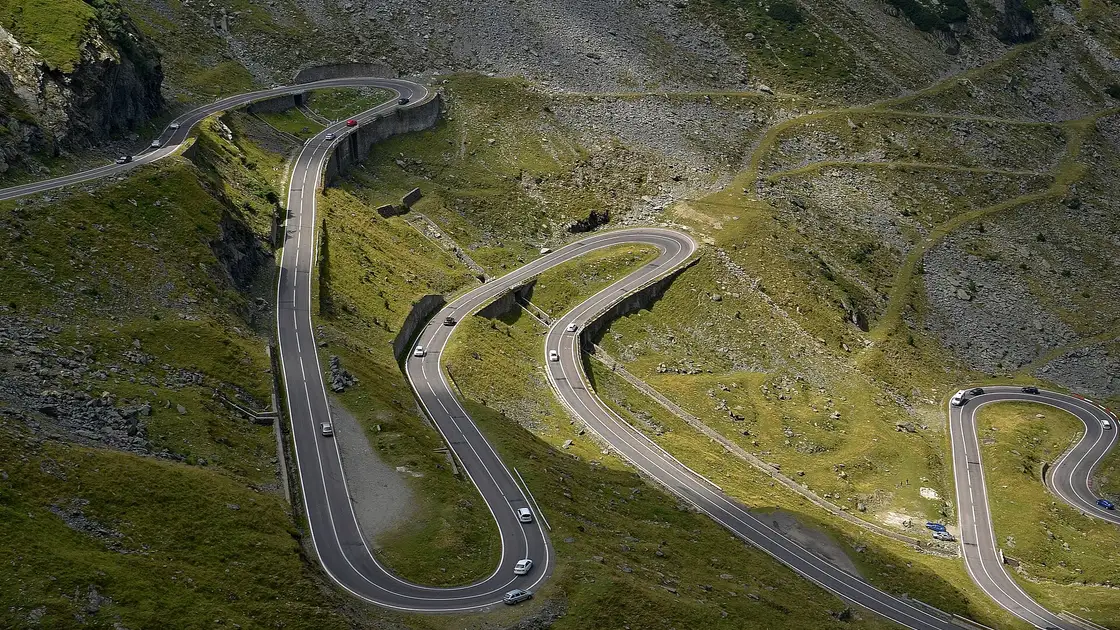
May, June and September are the sweet spot for most trips to Romania. You get warm days without the July heat, the mountain roads are open, the castle towns are busy but not mobbed, and prices sit below peak. But it depends on what you came for, because Romania is a country of altitudes. The same week that has Bucharest baking at 35 C can have snow lingering on the Fagaras ridge, and the road everyone wants to drive, the Transfagarasan, doesn’t even open until mid-June.
So the question isn’t “when is Romania nice” but “when is the thing I want to do actually possible.” The high alpine roads, the skiing, the Danube Delta birds and the crowds on the castle belt each keep to their own season, and they fall in different months, which is why the year below is broken down month by month.
When is the best time overall?
If you want one window and no caveats, aim for the second half of May through June, or September into early October. Daytime highs across the lowlands sit in the mid-20s (24 C in May, 28 C in June, 25 C in September on the table below), the Carpathian passes are open by late June, the light is long, and you avoid both the August festival crush and the coach convoys on the castle belt. September has a particular edge: the summer heat has broken, the Black Sea is still warm enough to swim in the first half of the month, and the vineyards and Transylvanian hills turn gold.
July and August are not a mistake, they’re just the intense version of Romania: hot, busy and expensive, but with every road open and every festival running. Winter is a genuinely different trip built around snow and Christmas markets rather than sightseeing. The point is to match the month to the plan, and the sections below do exactly that.
What is the weather like month by month?
Romania has a continental climate, which is a polite way of saying the seasons are sharp. Winters are properly cold and summers are properly hot, with two short, lovely shoulder seasons in between. Altitude changes everything: the table below is the 1991-2020 climate normal for Bucharest and the lowlands, and you’ll want to subtract several degrees for Transylvania and a lot more for the mountains.
| Month | Avg high / low | Rain | What it means |
|---|---|---|---|
| January | 3.0 C / -5.0 C | 40 mm | Coldest month; cold snaps go well below this |
| February | 6.3 C / -3.5 C | 33 mm | Driest month of the year, still deep winter |
| March | 12.3 C / 0.3 C | 42 mm | Lowland thaw; mountains and high passes stay shut |
| April | 18.5 C / 4.9 C | 50 mm | Unpredictable - warm one day, grey and cold the next |
| May | 24.1 C / 9.7 C | 70 mm | Warm and green, but the wettest run-up to summer |
| June | 28.1 C / 13.9 C | 83 mm | Hot and the single wettest month, mostly short storms |
| July | 30.4 C / 15.6 C | 69 mm | Peak heat starts |
| August | 30.6 C / 15.2 C | 49 mm | As hot as July by day, but almost a third less rain |
| September | 25.0 C / 10.7 C | 61 mm | Warm and settled; the summer heat has broken |
| October | 18.0 C / 5.7 C | 61 mm | Cools fast; first half still mild, second half autumn proper |
| November | 10.5 C / 1.4 C | 44 mm | Grey, damp shoulder; alpine roads usually shut by now |
| December | 4.2 C / -3.3 C | 47 mm | Cold, Christmas-market season |
Source: NOAA/WMO Climate Normals 1991-2020, Bucuresti-Baneasa station (WMO 15420).
Two things about this table surprise first-time visitors. August is as hot as July by day (30.6 C against 30.4) but gets almost a third less rain (49 mm against 69), so for storm-free high summer it’s the better bet; by daily mean July is actually the warmer month, 23.0 C against 22.4. And May-June is wetter than the “rainy” late autumn, 153 mm across the two months against 105 mm for October-November, but spring rain comes as short, hard afternoon storms, not all-day drizzle, so pack a light jacket and keep your plans. The Carpathians run colder and wetter than this table at every point in the year, and the high passes stay snowbound long after the lowlands have thawed - that’s the whole subject of the next section.
July and August are the prime window for the high trails in our Carpathian hiking guide, when the mountains run far cooler than the lowland highs above. September and early October bring the grape harvest to Dealu Mare, an hour and a half from Bucharest, where our Dealu Mare wine route covers the cellars worth booking ahead for that window. And the Danube Delta, covered in its own section below, runs on a completely different calendar to everything else on this page.
When are the mountain roads open?
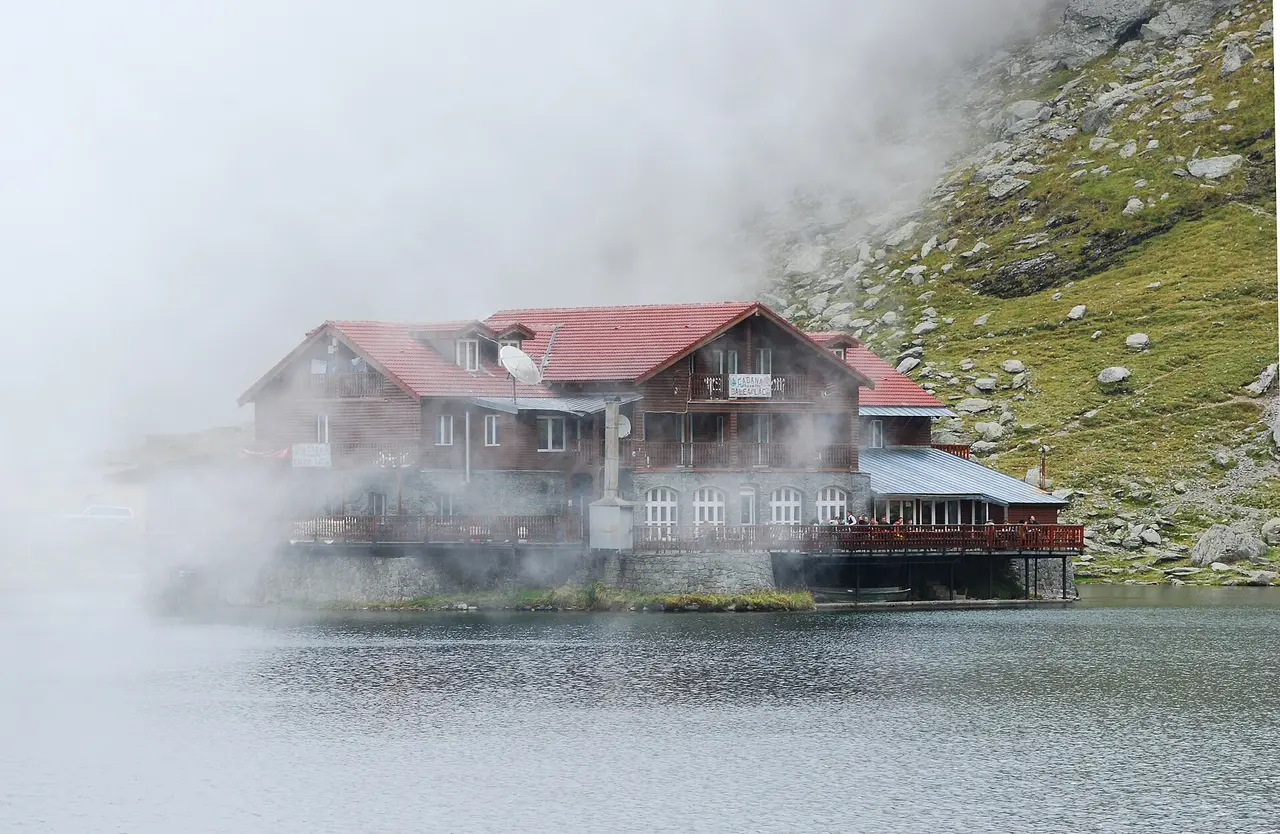
This is the single most-missed detail in planning a Romania trip. The Transfagarasan (DN7C), the switchback road most people picture when they think of driving here, has a high alpine section that closes for winter and only reopens once the snow is cleared. In 2026 it reopened on 12 June; the closing side works by rule - from 20 October the alpine stretch between Balea Cascada and Piscul Negru can be shut on any day the weather turns, and in 2025 it came down on 20 October itself. The date isn’t announced in advance: the road authority closes the section on the weather, sometimes with only a day or two of notice.
The lesson for your calendar: plan the Transfagarasan for July, August or the first half of September for the best chance of an open road. Early June and anything after mid-September is a maybe, not a plan, so don’t build the week around it. The current status, the cable car that still runs when the top is shut and the detour if you arrive too late are in our Transfagarasan road guide, and the wider picture on crime, roads and those roadside bears is in is Romania safe for tourists.
Its higher neighbour, the Transalpina (DN67C), is Romania’s loftiest road at 2,145 m over the Urdele Pass, and it follows a similar rhythm: open roughly mid-May to mid-October. In 2026 the Ranca-Curpat section reopened on 29 May, and the daily window widened from 09:00-20:00 to 07:00-21:00 on 1 July. If you’re building a mountain-driving trip around both roads, high summer is the only window when you can reliably count on both of them. A rental car is the natural way to do this loop, and our car rental guide covers the deposits and one-way fees to watch.
When is the ski season?
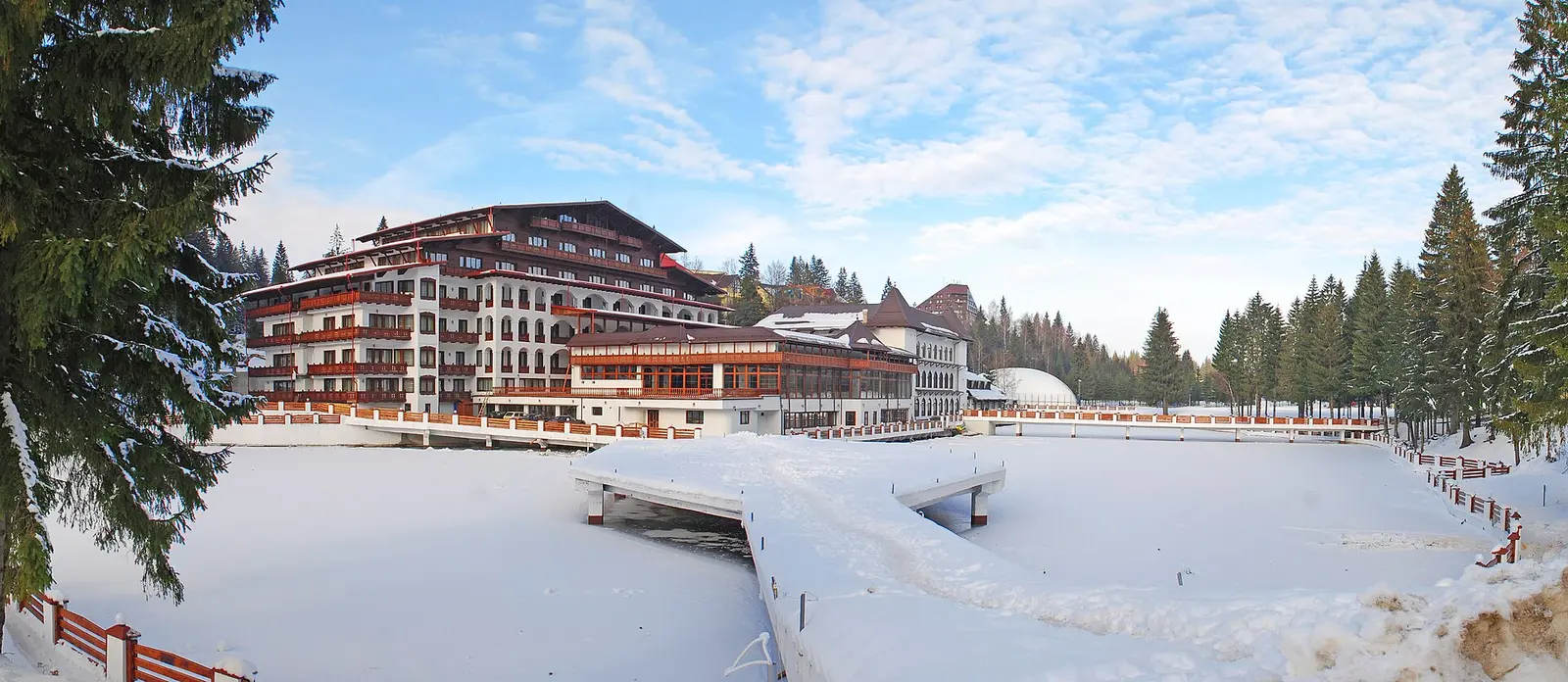
Romania’s main resort, Poiana Brasov above Brasov, runs a reliable snow window of about mid-December to mid-March, with lifts often turning into early April. January and February hold the best snow. A one-day adult lift pass was 240 lei on the operator’s 2025/26 tariff, with children aged 6 to 12 at 140 lei. The pass loads onto a plastic RFID card that costs 20 lei on top and, in the operator’s own words, is rechargeable but not returnable - so budget for it and don’t wait at the window for a refund. The 2026/27 tariff was not published when this page was checked in September 2026: the resort’s recharge portal still listed the 2025/26 season as closed. The easiest way up from Brasov is city bus 20 from the Livada Postei stop, about 5 lei and 25 minutes.
If you’re coming specifically to ski, aim for January or February and go midweek if you can, because the weekend crowds up from Brasov and Bucharest are the resort’s one real drawback. Dates, hours and prices shift every season with the snow, so confirm the current tariff and lift status on the resort’s own channels close to your trip. The full rundown of slopes and logistics is in our Poiana Brasov skiing guide, and the base town itself is covered in things to do in Brasov. If skiing is only one piece of a winter trip, our Romania in winter guide lines it up against the Christmas markets and the castles that reopen for the season.
When should you visit the Danube Delta?
For wildlife, the Danube Delta has a clear best window: April to June. Spring migration fills the channels with birds, and more than half of Europe’s great white pelicans breed here, so May is prime time to watch them active on the water while the mosquitoes are only just waking up. The delta is a different world from the rest of the country, reached by boat from Tulcea, and it rewards an early-season visit more than almost anywhere else in Romania. Our two-day delta route by boat shows how those channel days actually run, and it’s built around exactly this window.
The flip side: avoid July and August in the delta. High summer brings serious mosquito clouds and heat, which turns a magical boat trip into an endurance test. Autumn is quieter and still worth it for the light and the departing birds, but May and early June are the sweet spot if wildlife is your reason for going.
When is the Black Sea warm enough to swim?
The Romanian coast around Constanta and Mamaia has a short, reliable beach season. Air highs at Constanta average 27.9 C in both July and August (NOAA 1991-2020 normal), a few degrees milder than inland Bucharest thanks to the sea breeze, and it’s the driest corner of the country - every month there sees less rain than the Bucharest table above. The sea is warm enough to swim in July and August, and still swimmable in early September, while June is pleasant on land but a touch cool in the water.
If beaches are the point of your trip, July and August win despite the crowds and prices. If you want the seaside town without the summer scrum, early September still gives you warm water and a calmer resort. There’s more on the old town, the casino and the Roman remains in our Constanta and the Black Sea guide.

How do I avoid the crowds?
The crowds in Romania are less about the whole country and more about a handful of pinch points, and they’re easy to sidestep once you know where they are.
- The castle belt on summer weekends. Peles, Bran, Sinaia and Brasov all hang off the DN1 from Bucharest, a road with no motorway alternative, and it jams badly on July and August weekends. The classic snarl is Sunday afternoon heading back to the capital. Visit these on a weekday, start early, and you halve the pain.
- The Transfagarasan top on a fine Saturday. The summit car park at Balea can feel more festival than wilderness on a sunny summer weekend. Be at the gate when it opens at 07:00, or go midweek.
- August festival cities. When a big festival is on, its host city fills and hotel prices spike (see below). If you’re not there for the music, route around Cluj in early August.
The broader trick is simply shoulder season. Come in late May, June, September or early October and most of these problems shrink on their own, because the day-trip masses and the school-holiday families are not on the road. That’s the real argument for the shoulder months, beyond the pleasant weather.
When are hotel prices lowest?
Accommodation follows the same curve as the crowds above. Room rates climb through the second half of July and all of August, spike again during Sibiu’s theatre festival in June and Untold week in Cluj, and go up again over the Sighisoara festival weekend and any Christmas-market weekend in December. They fall back once low season starts: November, and most of January and February, are the cheapest stretch of the year to book a room in Bucharest or Sibiu. Brasov is the exception in winter, as the base for Poiana Brasov’s ski weekends.
Exact rates move with demand, the exchange rate and how far ahead you book, so compare current prices for your own dates. For what a room actually costs by city and standard, see our Romania trip cost breakdown.
Which festivals are worth timing a trip around?
Romania’s calendar has a strong run of summer events, and a couple are big enough to plan around, or to plan away from if crowds are not your thing. The dates below are 2026’s actual dates, useful as a guide to when each one typically lands since the pattern repeats within a week or two most years, but they don’t sit still - confirm the exact dates for your own travel year before booking.
- Sighisoara Medieval Festival, usually the last full weekend of July (24 to 26 July in 2026). The medieval citadel of Sighisoara fills with costumes, crafts and music for a free weekend; the town is small, so book beds early.
- Sibiu International Theatre Festival, usually mid-to-late June (19 to 28 June in 2026). One of Europe’s biggest theatre festivals, over 850 performances across the city by the festival’s own count, and a fine reason to be in Sibiu in June.
- Electric Castle, usually mid-July (16 to 19 July in 2026), and Untold, usually early August (6 to 9 August in 2026), both near or in Cluj. Untold is Romania’s largest electronic-music festival and packs Cluj Arena; expect the city to fill and hotel prices to jump for that week.
- George Enescu Festival. The famous classical festival in Bucharest runs in odd years, and the next one is set for 27 August to 26 September 2027, with season passes on sale from January and single tickets from February. In 2026 the slot went to the George Enescu Competition instead, which ran 23 August to 19 September, so don’t book a 2026 trip expecting the festival.
- Christmas markets (late November through December). Bucharest, Sibiu, Cluj, Brasov and Craiova all run festive markets in December, which pair naturally with a ski week. Exact opening dates vary year to year, so check locally.
For the full year, month by month, including the quiet stretches worth building a low-season trip around, see our Romania events calendar.
Matching the month to your plan
Line it up against your plan. For a first trip taking in the castles, Transylvania and a mountain drive, go in June or September: everything is open, the weather is kind, and the crowds are manageable. That’s also the season the classic 7-day Romania itinerary and a Transylvania road trip are built for. For Danube Delta birds, come in May. For skiing, come in January or February. For Black Sea beaches, it has to be July or August. And if you want the shortest possible list of compromises, the second half of May, June and September are the months that get the most done without fuss. Once the month is fixed, what to pack for Romania maps the layers for city heat, the coast and the cool ridges, and what to eat in Romania covers the seasonal end of the table.
Photos
Read also

Before you go · 8 min read
What to Pack for Romania: Seasons & Essentials
Verified · September 1, 2026What to pack for Romania by season: city heat near 30 C, Carpathian ridges near 10 C in July, Black Sea kit, and winter layers that work.

Before you go · 10 min read
Skiing in Romania: Resorts, Passes & Season
Updated · September 23, 2026Ski Romania: Poiana Brasov, Sinaia, Predeal and Straja day-pass prices in lei, the snow season window and which resort fits your trip.

Before you go · 9 min read
Best Day Trips from Cluj-Napoca
Verified · August 16, 2026Day trips from Cluj by effort: Salina Turda by bus, Rimetea by car, Alba Iulia citadel and Banffy Castle at Bontida, with times and prices in lei.

Before you go · 12 min read
Romania's Black Sea Resorts: Which One to Choose
Verified · September 23, 2026Mamaia, Eforie Nord, Costinesti, Neptun or Vama Veche? What a summer room costs, how to get there from Bucharest and which resort fits your trip.