
Maramures Loop: Wooden Churches & Merry Cemetery
Drive the Maramures loop in 2-3 days: the UNESCO wooden churches, the Merry Cemetery at Sapanta and the Mocanita steam train, stop by stop.
The Maramures loop is a 2-3 day drive around Romania’s far north, starting and ending in Baia Mare, that ties together the region’s three headline sights: the UNESCO wooden churches, the Merry Cemetery at Sapanta, and the Mocanita steam train up the Vaser Valley. It runs roughly 300 km on quiet valley roads and it needs a car, because public transport between these scattered villages is thin and slow. On how long: give it two days if you must, three if you can, and sleep near Sighet or in a village like Breb in the middle.
The loop has a particular shape. This isn’t a loop you race; the driving is easy but the point is the pace between the stops - carved gates, hay meadows, horse carts at harvest. The one hard scheduling fact is the Mocanita, which leaves in the morning (the operator publishes the exact times only in its online shop) and eats five to six hours, so it anchors a whole day on its own. Everything else bends around that. For the deeper background on the churches, the cemetery and the train, our Maramures guide does the why; this page is the how, in order.
How the loop works
Think of it as a rough circle out of Baia Mare, the county town where most people land a rental or get dropped by transfer. From there you climb north over the Gutai pass to the border country around Sapanta and Sighet, swing east through the Iza valley past Barsana, and finish at Viseu de Sus in the far east before looping back. Drive it clockwise as the stops below run, or flip it - the sights are the same either way.
One quirk to plan around: Sighetu Marmatiei physically sits between Sapanta and Barsana, so you pass through it on the way out. I would resist stopping there on day one. The town’s big sight, the Memorial in the old prison, is heavy going, and it lands better on a fresh morning than at the end of a driving day. So the natural rhythm is churches and colour on day one, history and steam on day two.
A car is not optional here. The wooden churches, Sapanta and Viseu de Sus are strung across three different valleys, and there’s no useful bus stitching them together. To avoid driving the whole way, a private transfer from Cluj or Baia Mare gets you in, but you will still want your own hire car once you’re among the villages. Most people fly into Cluj-Napoca, which has far more connections than the tiny Baia Mare airport, and drive up in around two and a half to three hours; the Cluj guide covers that gateway, and Oradea works as a first night if you come in from Budapest.
Day 1: Baia Mare to Sapanta and Barsana
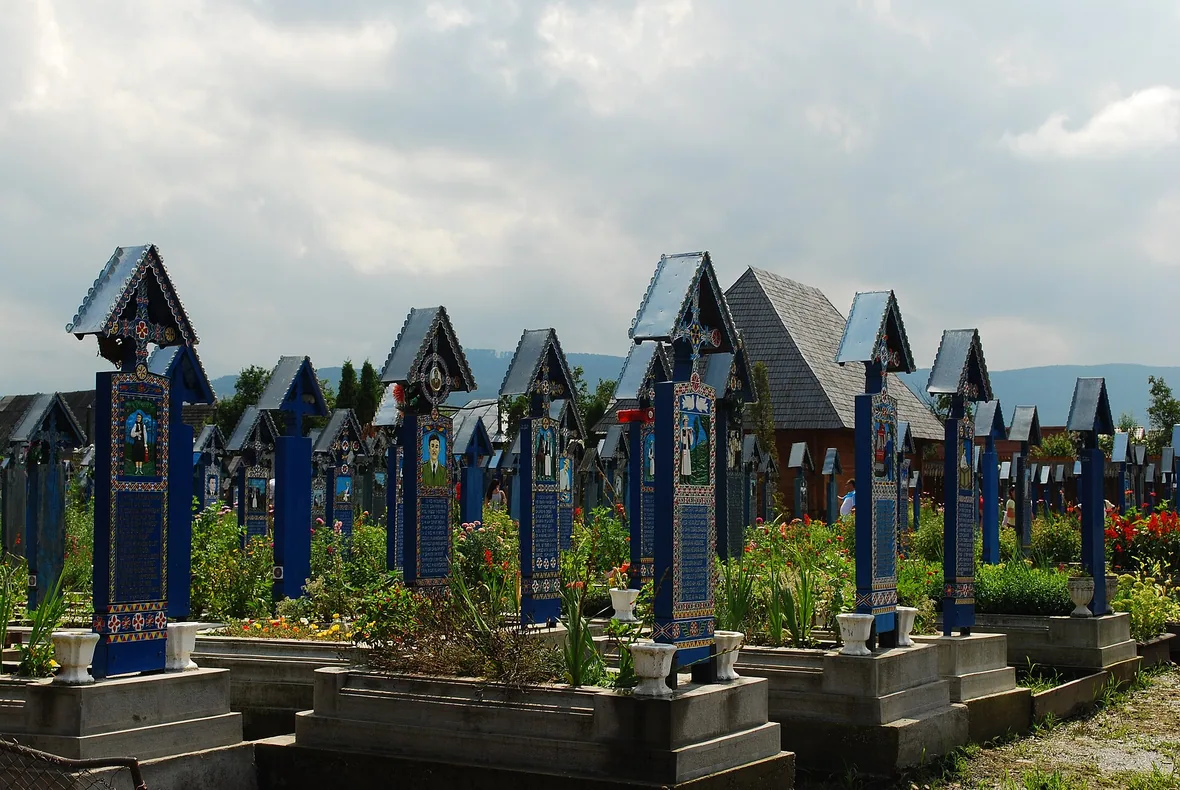
Leave Baia Mare early and point north over the Gutai pass. It’s about 85 km and an hour and twenty to Sapanta, right up against the Ukrainian border, and the Merry Cemetery is the first real stop. Entry is small, roughly 10 lei in cash at the gate, and the trick is to slow down: instead of just photographing the field of blue crosses, read a few. The woodcarver Stan Ioan Patras started them in 1935 and chose that strong “Sapanta blue” on purpose, and the epitaphs are written in the first person, frank and often funny about the person below - the drinker, the mother-in-law nobody misses, the one killed on the road. Give it an unhurried hour.
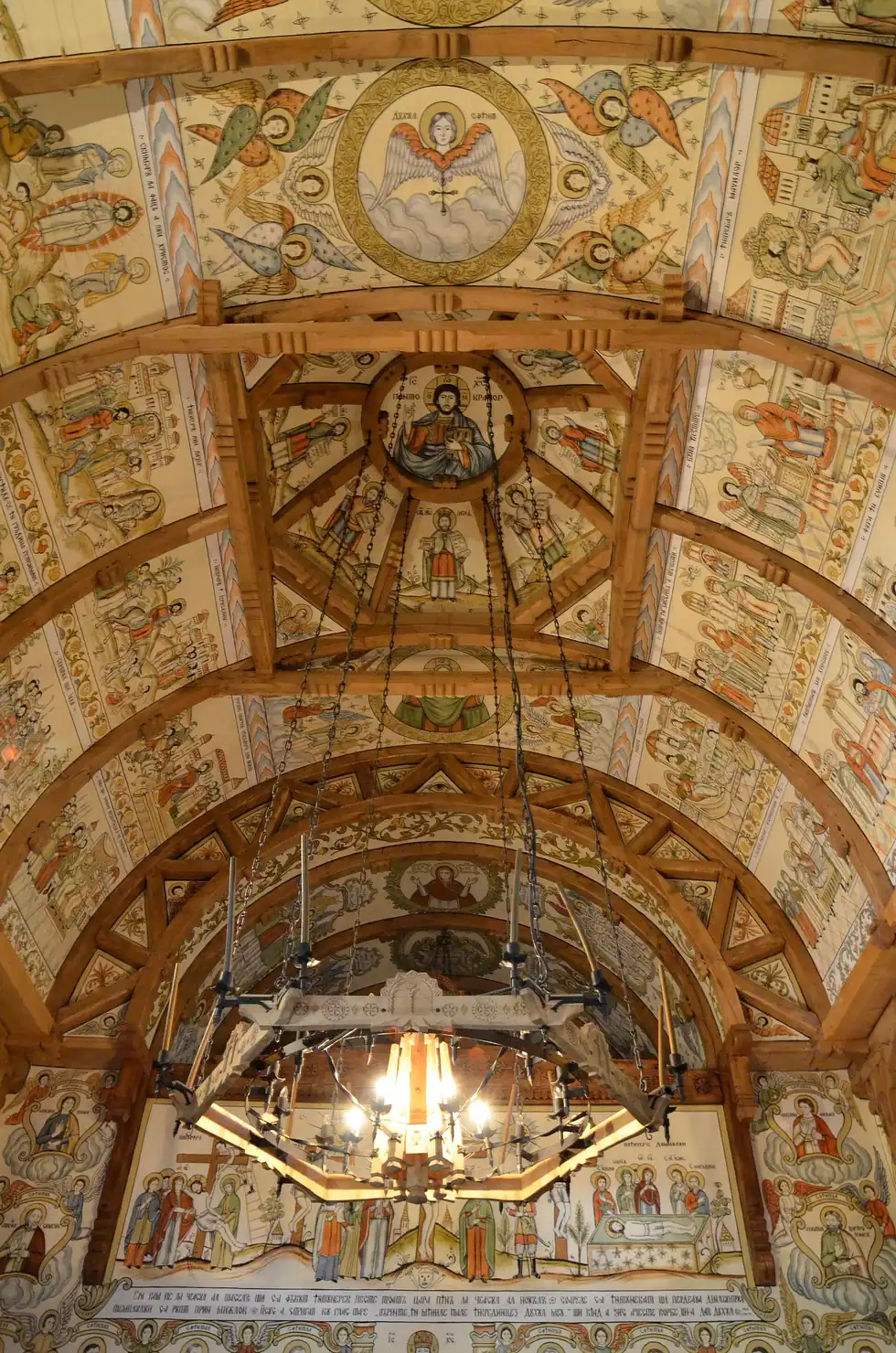
From Sapanta, drive back through Sighet and on into the Iza valley to Barsana, about 45 minutes on. There are two sights signed “Barsana” side by side here, and our Maramures guide untangles which one is the actual UNESCO church and which is the photogenic modern monastery. For this drive, the practical point is simpler: they’re a two-minute walk apart, and most people see both, so budget the time for two stops rather than one. Along the way you’ll pass other listed churches - Budesti and Desesti sit on this road - and these are working parish buildings, often locked; treat any open door as a bonus rather than something to plan the day around.
Sleep somewhere in the middle. Sighetu Marmatiei has the most hotels and puts you close to day two’s start; villages like Breb or a guesthouse near Barsana are lovelier and more rural if you want the full slow-Maramures feeling. Book a base that leaves you a short morning drive from the Memorial.
Day 2: Sighet’s prison and the Mocanita
Start with the heavy thing while you’re fresh. In Sighetu Marmatiei, the Memorial to the Victims of Communism and to the Resistance occupies a former political prison, and our Maramures guide covers its full history. What matters for this drive is timing: it deserves a clear head, not the tail end of a long day behind the wheel, so give it 90 minutes on a fresh morning - a stark switch of mood coming right after yesterday’s cheerful graveyard at Sapanta.
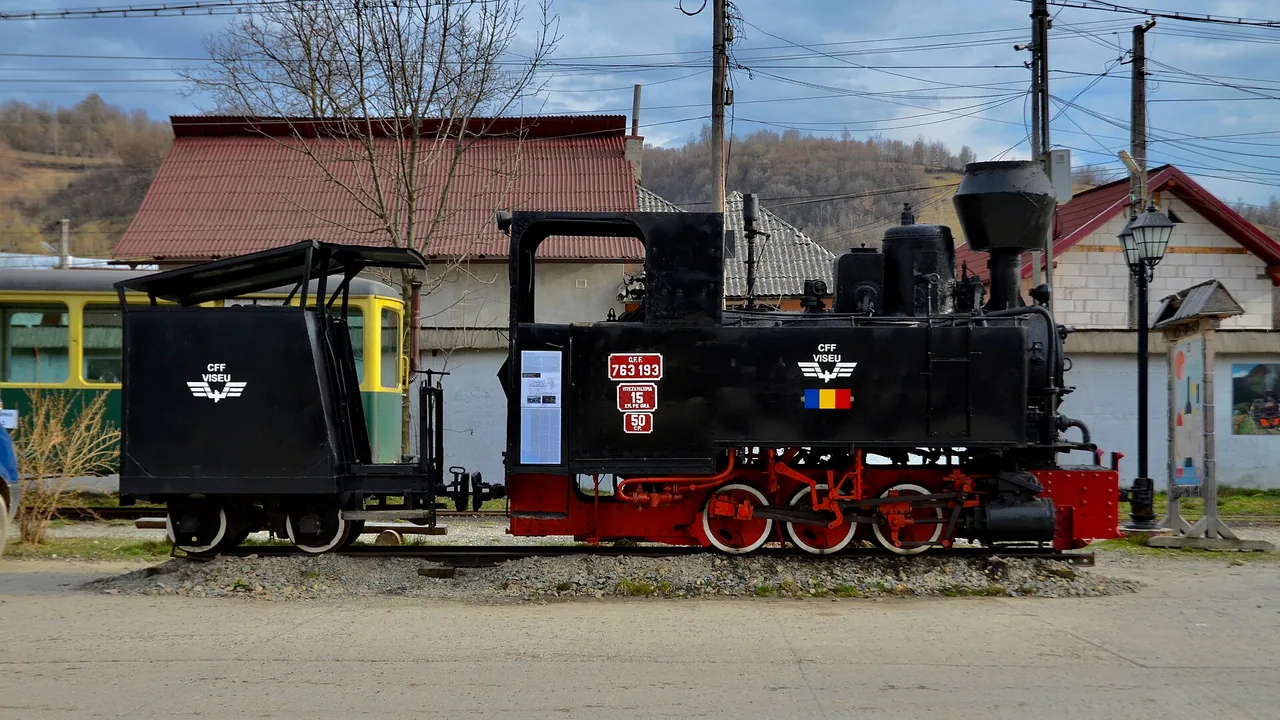
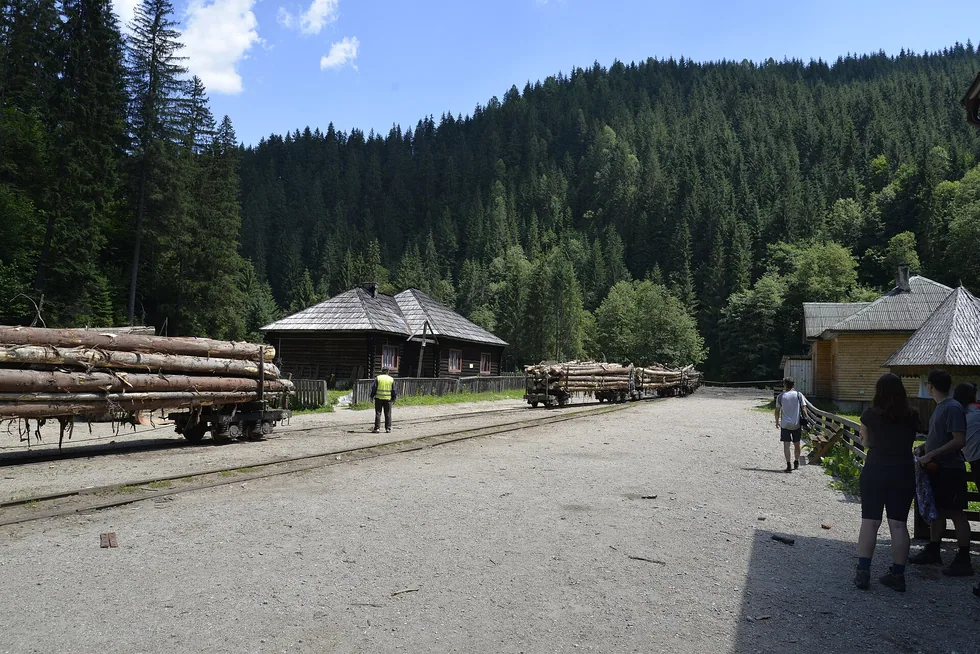
Then drive east to Viseu de Sus for the Mocanita, and here the clock matters. The narrow-gauge steam train is the last working forest railway of its kind in Romania, built to haul timber and now carrying passengers up the roadless Vaser Valley behind a genuine steam locomotive. It leaves in the morning, so if the Memorial ran long you may be looking at riding it the following morning instead - some people flip the order and take the train on day one for exactly this reason. Confirm the current weekly schedule before you lock in which day; it genuinely sells out in summer regardless, so book online ahead either way. The round trip is five to six hours, much of it in cool, damp shade beside the river, so bring a layer even on a hot day, and a standard adult ticket runs about 136 lei, with a pricier package that adds a grilled lunch at a valley clearing.
Off the train by mid-afternoon, you loop back to Baia Mare, either over the Moisei road and down the Iza or back across the Gutai pass. It’s a good two hours, so do not dawdle - this is the one long transfer of the trip.
Two days or three?
Two days works if you’re disciplined and willing to run the Mocanita and the Memorial on the same day, which is tight but doable when the train is your morning and Sighet your afternoon. Three days is the sweet spot: one for Sapanta and the Iza-valley churches, one for the Mocanita, and a spare to slow down for the carved gates, a village church you can actually get into, and a lunch that runs long. The distances are short but the pleasure is in not hurrying them, and the loop rewards the extra night more than almost anywhere else in the country.
Where you can’t cut a corner is the churches versus the train on one day. The Mocanita from its morning departure to mid-afternoon leaves no room to also chase scattered timber churches on the far side of the region; pick one or the other per day. And don’t try to see all eight UNESCO churches - take Barsana plus one weathered village church like Desesti or Budesti and let the rest go.
When to go, and what it costs
Late spring to early autumn is the window - May to September - when the passes are clear, the Mocanita runs daily and the hay meadows are at their best. If you can time it for around Orthodox Easter you land in Maramures at its most traditional, though that is a movable date. Winter is possible but the train drops to Thursday-to-Sunday runs (Friday to Sunday in March) and the light is short.
On money, the paid sights are cheap: about 10 lei for the Merry Cemetery, 136 lei for the Mocanita. The real budget is the car, the fuel and two nights, which is why 700 lei is a sensible floor for a couple doing the loop over three days once you add meals. Carry cash in lei - the cemetery gate, a village guesthouse and a rural cafe are not going to take a tap-to-pay, and card machines get scarce the moment you leave the towns. Sort the rental deposit and insurance excess at pick-up; our car rental in Romania guide covers that side.
The loop stands on its own, but Bucovina’s painted monasteries are only a range of mountains further east, and they make a genuinely different second act - frescoed church walls instead of bare timber spires. For anyone still slotting the north into a longer trip, the Romania 7-day itinerary shows how Maramures connects to the castles and cities down south. Drive it slowly, save the Memorial for a clear morning, book the train ahead, and the far north does the rest.
Route day by day
- Days on the road
- 3
- Distance
- ≈310 km
- Budget from
- 700 RON
- Best season
- May, June, July, August, September
The route at a glance
-
Baia Mare (start)
Route startstop ≈60 min
The county town and gateway. Pick up the rental, fill the tank and grab a coffee under Stephen Tower before you head north over the Gutai pass. Last big supermarket for a while.
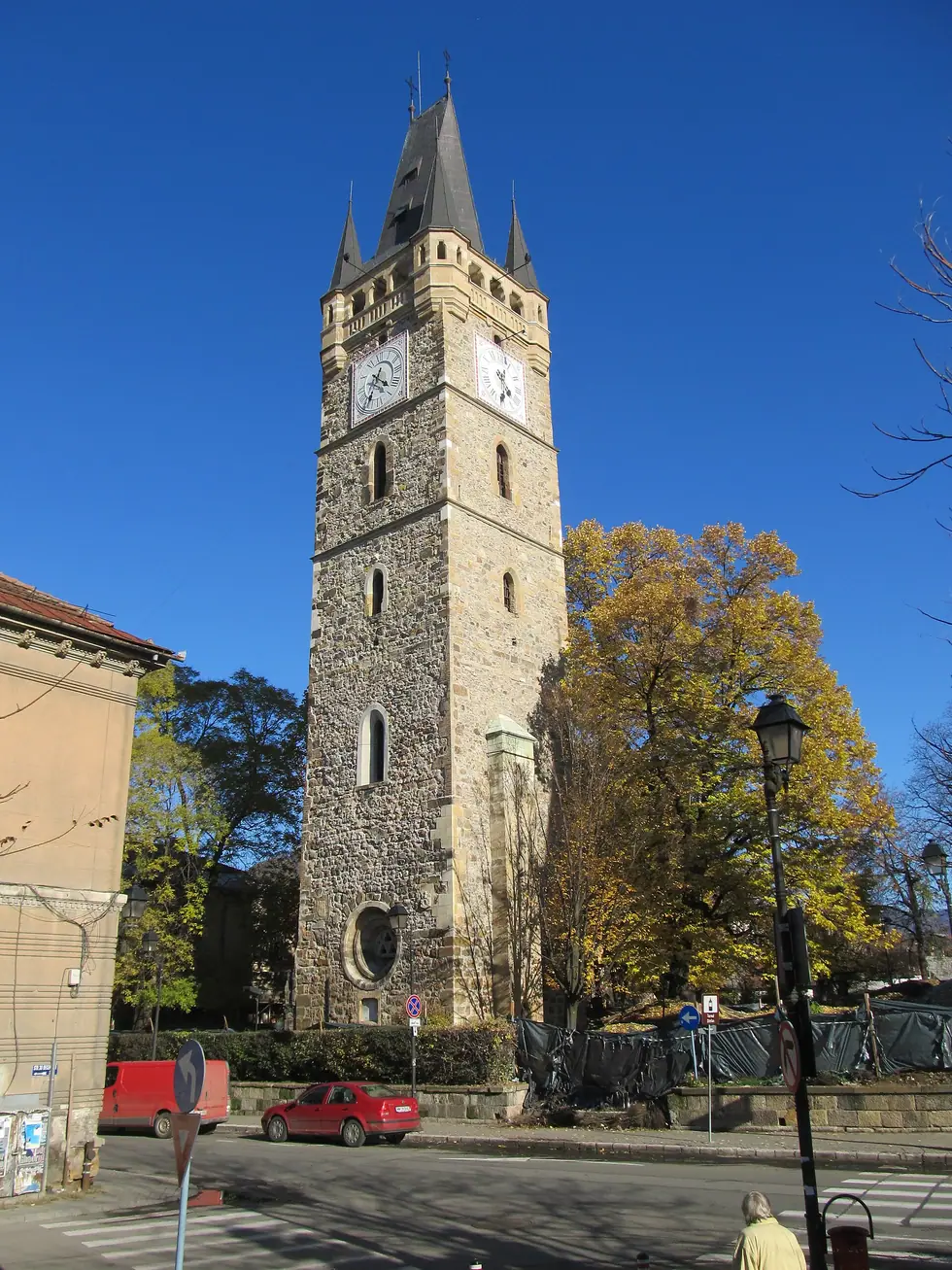
Photo: Nenea hartia / Wikimedia Commons, CC BY-SA 4.0 ( source) -
Sapanta (Merry Cemetery)
85 km from the startstop ≈60 min
The blue-crossed Merry Cemetery near the Ukrainian border, about 10 lei at the gate. Read a few epitaphs rather than just photographing the colour. Give it an unhurried hour.
Photo: Andrei Stroe / Wikimedia Commons, CC BY-SA 3.0 ( source) -
Barsana
130 km from the startstop ≈75 min
Two Barsanas: the 1720 UNESCO village church, and the huge wooden monastery built in the 1990s with its shingled spire and gardens. Most people walk both.
Photo: The Traveller LB / Wikimedia Commons, CC BY-SA 3.0 ( source) -
Sighetu Marmatiei
150 km from the startstop ≈90 min
The border town. Its Memorial to the Victims of Communism fills a former prison where the pre-war elite was jailed from 1950. Sobering, and the sharpest contrast to the cheerful graveyard.

Photo: Chainwit. / Wikimedia Commons, CC BY-SA 4.0 ( source) -
Viseu de Sus (Mocanita)
200 km from the startstop ≈330 min
The narrow-gauge steam train up the roadless Vaser Valley. Departures start in the morning (exact times in the operator's online shop), a round trip of 5-6 hours, about 136 lei. Book online ahead in summer and dress for cool forest.
Photo: Eddy Renard / Wikimedia Commons, CC BY-SA 4.0 ( source) -
Baia Mare (return)
310 km from the startstop ≈0 min
Loop back from Viseu over the Moisei road and down the Iza, or retrace the Gutai pass. Budget a good two hours and leave the train by mid-afternoon.
Route map
The map with stops loads on click - to keep the page lightweight.
The map didn’t load. Check your connection and refresh the page.
Admission and opening hours
- Admission price
- Merry Cemetery at Sapanta about 10 lei adults, 5 lei children, cash at the gate. Mocanita steam train from Viseu de Sus about 136 lei adults (the package with a grilled lunch about 198 lei), children less.
- Opening hours
- Merry Cemetery open daily, roughly 08:00-20:00 in summer. Mocanita runs daily April to October, Thursday to Sunday in January-February and November-December, Friday to Sunday in March; departures start in the morning, exact times in the operator's online shop; round trip about 5-6 hours.
Fees, timetables and seasons change without notice. Book the Mocanita online ahead in summer, it sells out, and confirm the cemetery details locally. Carry cash in lei; card machines out here are not a given. Prices checked July 2026.
Details checked: July 19, 2026