
Romania Trip Cost 2026: Daily Budget in Lei
How much Romania costs per day in 2026: budget about 140 lei (27 euros), mid-range 265 lei (50), comfortable 440 lei (84) - what each tier buys.
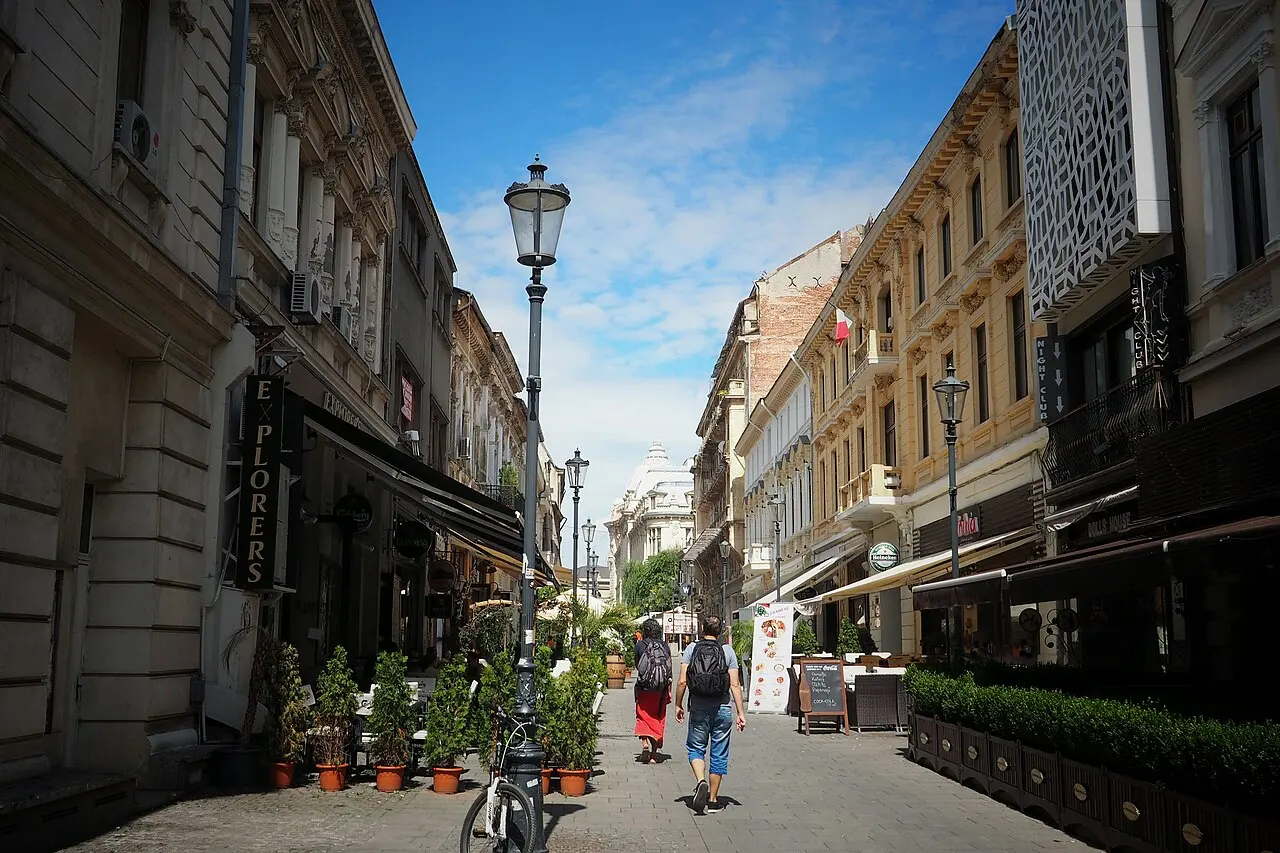
Romania is one of the cheapest countries in the EU to travel, and in 2026 you can plan around roughly 140 lei a day as a careful budget traveller, 265 lei for a comfortable mid-range day, and about 440 lei if you want to spread out, all per person and all before flights and car hire. Add up a night’s bed, a day’s food, getting around town and a sight or two, the line items below, and that’s where those totals come from; Nomadic Matt and Numbeo put their own estimates in the same range, which is a useful cross-check but not where these figures start. Everything here’s priced in lei (RON), because Romania is in the EU but not the eurozone, so the euro isn’t the money you spend. As a rough conversion, one euro is about 5.2 lei and a dollar about 4.5.
That daily band hides a lot of range, though, and the difference between the low and high number is almost entirely two things: where you sleep and how often you eat sitting down. Below is the trip built from the ground up, line by line, so you can size your own days rather than trust a single headline figure. For how you actually pay for all of it, cards versus cash and the exchange-rate traps, see the companion guide on money in Romania.
Currency converter
- RON
- lei 476.51
- USD
- $100
- EUR
- €89.09
- GBP
- £75.75
How much does a trip to Romania cost per day?
Take the three tiers as starting points, not rules, and remember they cover your day-to-day: a bed, food, local transport and a sight or two. They don’t include the flight to get here or a rental car, which are separate and covered further down.
- Budget, around 140 lei a day (about 27 euros). Hostel dorm, cooking or eating cheap and local, buses and trams, walking the free sights. Two people sharing a private room usually land here per head too, because splitting a room is the single biggest saving there is.
- Mid-range, around 265 lei a day (about 50 euros). A private room or a decent three-star, sit-down meals, the odd taxi, paid entry to castles and museums. This is the sweet spot most independent travellers actually hit.
- Comfortable, around 440 lei a day (about 84 euros) and up. Nicer hotels, restaurants without a second thought, guided tours, more taxis. Easy to exceed in Bucharest, harder in a small town where there’s simply less to spend money on.
One calibration: our 7-day Romania itinerary works out from about 2,600 lei for the route, which lands between mid-range and comfortable once you fold in castle tickets and moving between towns. That’s the number to beat if you’re pacing a full loop. How many nights you commit to is the other big lever on the total, so it is worth settling how many days you need in Romania as you add the trip up.
Trip budget calculator
Estimated total for the trip, flights excluded
- RON
- lei 3,710
- USD
- $778.58
- EUR
- €693.61
- GBP
- £589.80
Accommodation: your biggest single cost
Where you sleep will make or break the budget, and it’s the one line where spending more genuinely buys you a different trip. In 2026 the ladder looks like this:
- Hostel dorm bed: roughly 50 to 70 lei a night, more in central Bucharest in high summer.
- Private room in a hostel or a guesthouse: around 130 lei.
- Budget hotel: 150 to 175 lei for a simple double.
- Mid-range city hotel: commonly 200 to 350 lei for a double, drifting higher in Brasov and central Bucharest during peak weekends and lower in the smaller Transylvanian towns and out of season.
The pattern to know: prices aren’t uniform across the country. Bucharest and the honeypot mountain towns like Brasov and Sinaia charge the most, especially on summer weekends when locals drive up from the capital; Sibiu, Cluj, Timisoara and the villages are noticeably gentler. A private room split two ways often costs each person less than a dorm bed, so couples and pairs almost always sleep better and cheaper than they expect. It pays to compare accommodation a few weeks out, because the good-value places in the centre book up first.
Food: how little you can eat well on
This is where Romania quietly rewards you. A proper meal is cheap by Western standards, and the traditional food happens to be the cheapest food on the menu.
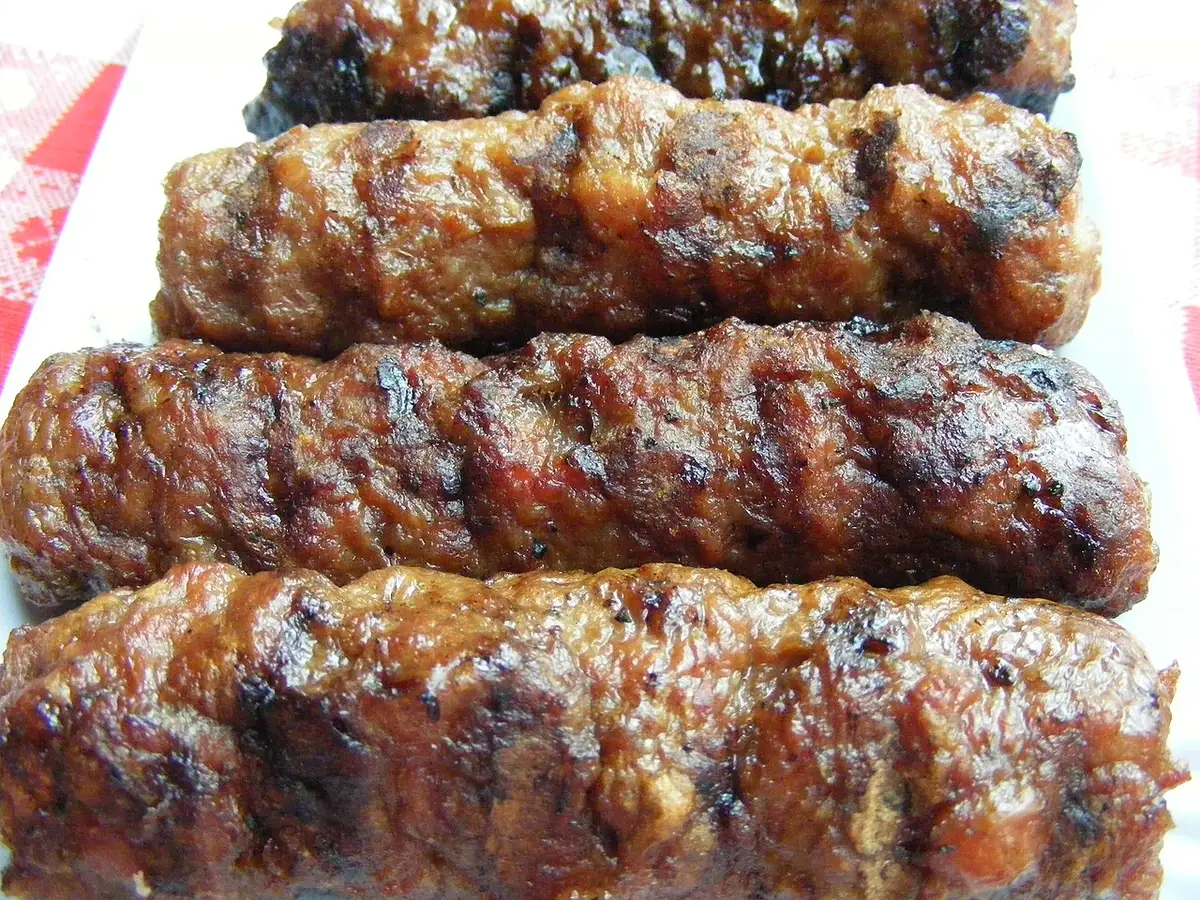
Here are the numbers to plan around, all confirmed mid-2026 and all worth checking on the spot since they climb with inflation:
- Set lunch (meniul zilei): the best-value meal in the country, a two- or three-course workers’ lunch from about 30 lei.
- A meal at an inexpensive restaurant: around 50 lei.
- Dinner for two with drinks at a mid-range place: roughly 150 to 200 lei all in.
- A draft beer: about 11 lei; a coffee 10 to 13 lei.
- A night out: dinner drinks are covered above, but a proper evening of cocktails and club cover charges is its own line - see Bucharest nightlife for what it actually costs.
- Street food: mici, covrigi (pretzels) and langos keep a lunch under 20 lei if you’re watching the budget.
The move that stretches the food budget furthest is the set lunch: order the meniul zilei at midday and a big meal barely dents the day’s spend. Eat your main meal then, snack in the evening, and you can hold food to 60-80 lei a day without trying. For what those dishes actually are and which to seek out, what to eat in Romania is the primer; a bowl of ciorba and a plate of sarmale at a no-frills local place is both the tastiest and the cheapest way to eat here.
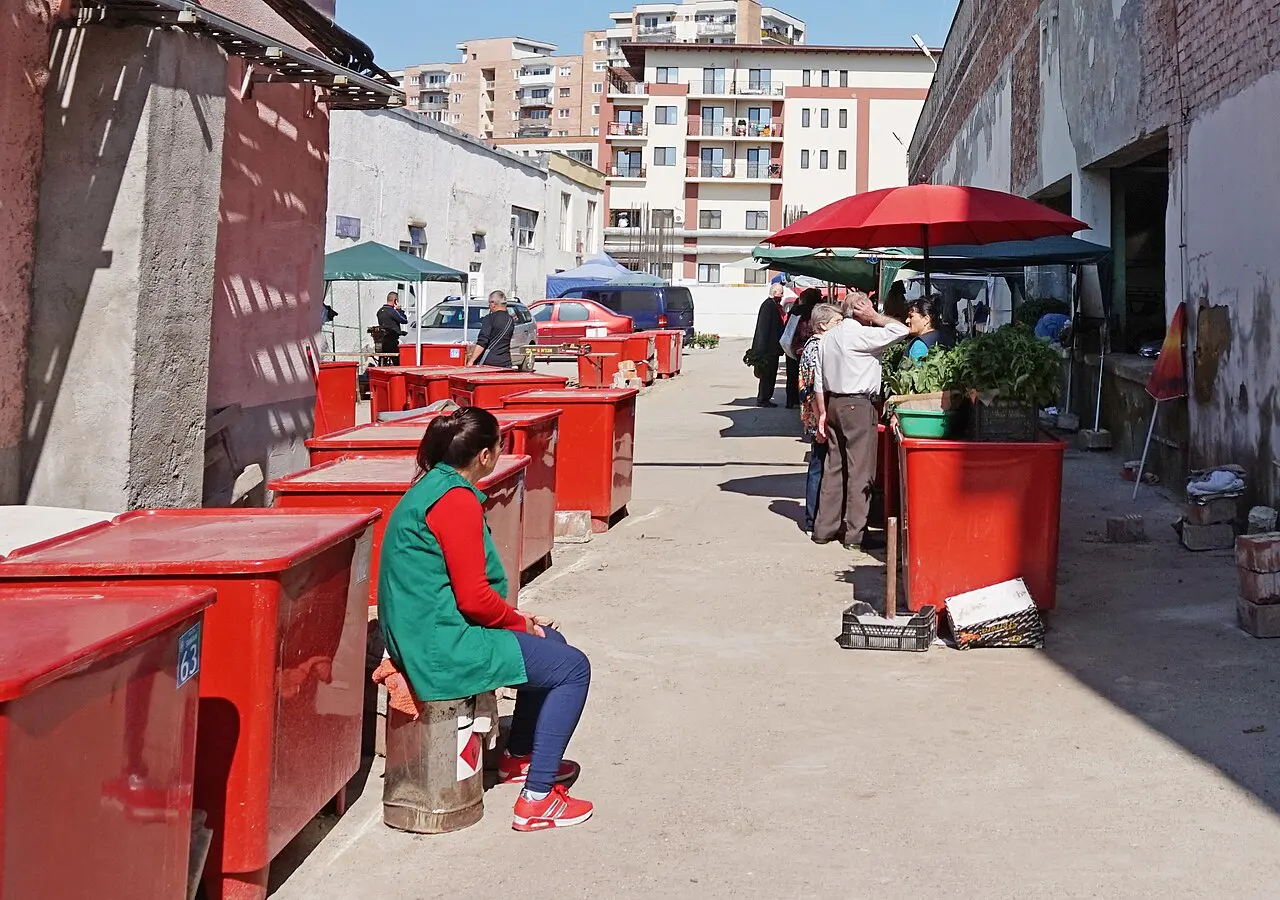
Getting around: cheap in town, a mix between towns
Local transport is almost an afterthought in the budget. In Bucharest, the city operator STB sells a single ticket, good for 90 minutes on any bus, tram, trolleybus or the metro, for 3 lei, and in most cities you now just tap a contactless card on the validator rather than buying paper tickets; other cities set their own fare, so check locally. Taxis are cheap too, but Bucharest has no single calibrated meter rate the way some capitals do - the city caps the per-kilometre charge and dozens of licensed firms each price within it, so reckon on roughly 2.5 lei to start plus 2 to 3.5 lei a kilometre depending on the company. Rather than guess which firm you’ve flagged down, book through Bolt (everywhere in the city) or Uber and the app shows the exact fare before you get in. From Bucharest’s airport into town, the train to Gara de Nord runs about 6.50 lei bought at the station or online (more if you pay the conductor on board), the Bus 100 express is the same 3 lei STB fare, and a metered taxi runs roughly 60 to 100 lei depending on traffic and the firm.
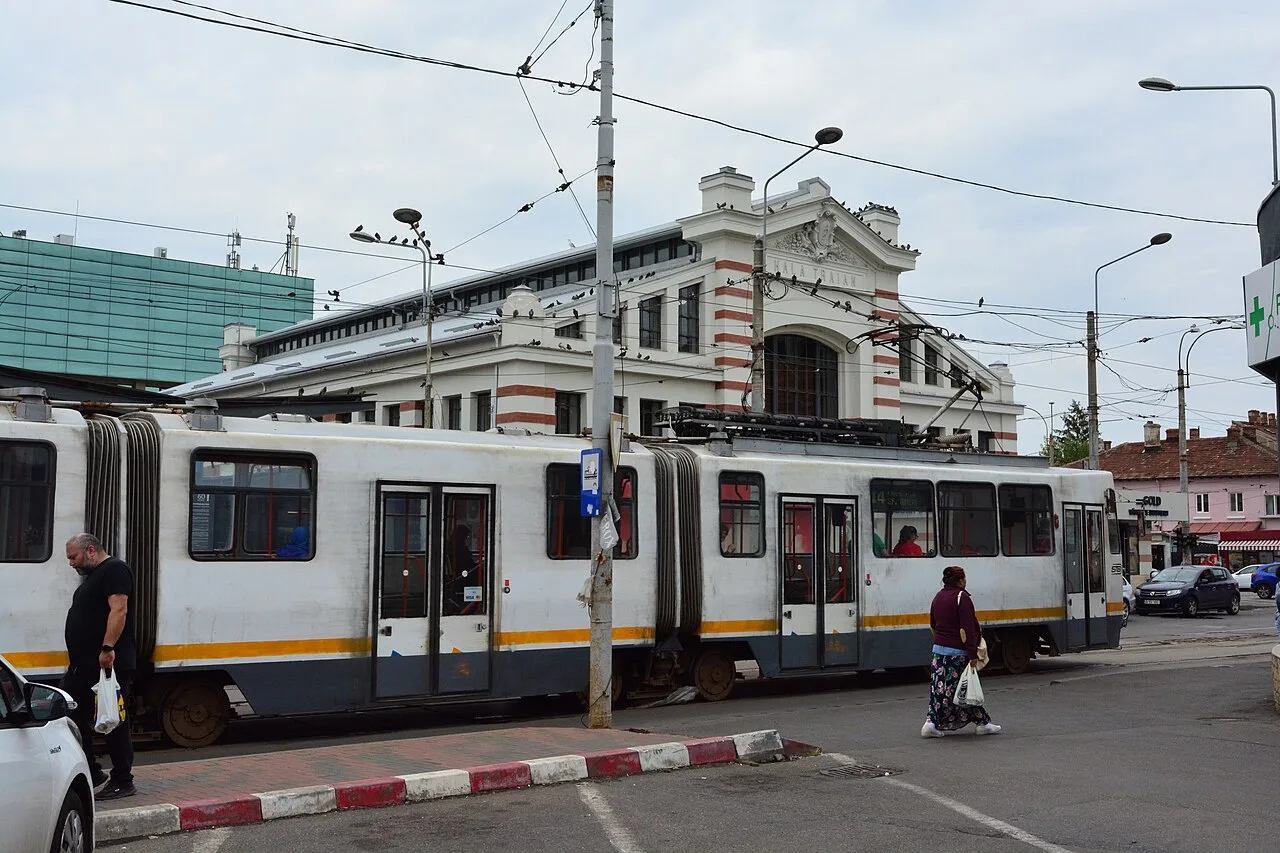
Moving between cities is where you make a choice. Trains are slow but reliable and easy on the wallet: Bucharest to Cluj on the InterCity runs about 90 to 95 lei second class on the 2026 timetable, and Bucharest to Brasov, the busiest tourist run, is roughly 37 to 80 lei second class depending on the train, from the all-stations Regio up to the faster InterCity, in about two and a half hours on the good ones. Buses (FlixBus and the like) cover the gaps the railway misses; FlixBus prices Bucharest-Brasov dynamically, from around 35 lei if you book a few days ahead and climbing well past that close to departure, so it’s worth checking the app rather than assuming it automatically beats the train. As a rule, if there’s a direct train you want it, and if there isn’t, the bus is your friend.
Sights: what castles and museums cost
Churches and small museums are cheap, but the headline castles cost more than older guides suggest. In Bucharest, the standard tour of the colossal Palace of the Parliament is 60 lei for adults (30 lei students, 20 lei children), and the open-air Village Museum is 40 lei for adults. Out in the country, the two castles everyone actually comes for charge full admission: Bran Castle is 120 lei for the standard tour and Peles Castle is 100 lei for the ground and first floor, both current 2026 prices from the castles’ own ticket offices, with extras (photography permit, the Torture Chamber and Time Tunnel combo at Bran) on top. Smaller museums and churches run a fraction of that, often 10 to 20 lei or free, and confirm the current price on each site since they do change. Plenty of the best experiences, the painted monasteries of Bucovina, the medieval lanes of Sighisoara, a walk up to a citadel, cost nothing at all beyond getting there. Budget 40 to 80 lei for an ordinary sightseeing day of churches, viewpoints and a modest museum, and closer to 100 lei or more just for entry on the day you visit Bran or Peles specifically, on top of getting there.
Renting a car and driving: the deposit catch
If your Romania is a road trip, and for Transylvania or the mountain passes it should be, the driving itself is cheap but there’s one budget surprise. The running costs are gentle: tracked across the Petrom, OMV, Rompetrol, MOL and Lukoil forecourts in early August 2026, petrol (95) runs about 9.40 lei a litre and diesel about 10.6 to 10.8, and both move most weeks, so treat this as a snapshot rather than a fixed price. The mandatory road vignette, the rovinieta, costs 31.55 lei for the 10-day option most short trips need at CNAIR’s September 2026 rate. From 1 October 2026 a transport ministry order prices it in lei by the car’s emission class: 30 lei for those 10 days in a Euro VI car, what almost every rental is, 27 in an electric one and 39 lei in an older Euro III car. Either way it’s loose change. Driving in Romania covers the full vignette ladder, the fuel and the rules.
The catch isn’t the daily cost, it’s the deposit. Rental companies place a hold on your credit card, often several thousand lei or the euro equivalent, to cover the insurance excess, and that hold ties up real headroom on your card for the whole rental. You generally need a credit card, not a debit card, in the main driver’s name, so budget the available limit and not just the rental price. The car rental in Romania guide walks through the deposit, the excess and the young-driver surcharge, and it’s the number that catches more travellers out than the fuel ever does.
Getting here, and the entry paperwork
Flights are the one big cost this guide can’t pin down, because they swing with season and how early you book. The good news is that Bucharest (OTP) is a Wizz Air hub with cheap direct links across Europe and Ryanair on many routes, so base fares from Western Europe often run low if you book two to three months ahead; a quick airport transfer at the other end saves the post-flight haggle. Cluj and Timisoara are the other budget-airline gateways, and which airport for Romania helps you pick.
One thing that’s free but worth getting right: the paperwork. Citizens of the US, UK, Canada, Australia, New Zealand and the EU need no visa for tourism and can stay up to 90 days in any 180-day period. Romania has been a full Schengen member since January 2025, so those 90 days are shared across the whole Schengen area, not counted per country. The change on the horizon is ETIAS, the EU’s travel authorisation for visa-exempt visitors; it’ll cost 20 euros for adults, last three years, and take minutes to apply for online. It isn’t live yet, and as of August 2026 the EU has withdrawn its published launch window without naming a new date, so there’s nothing to budget for this year. Our Romania entry requirements guide tracks where it stands; confirm the current position on the official EU ETIAS site before you travel. Your passport should be valid for the whole trip, with six months’ validity the safe margin.
Sample budgets: weekend, week, two weeks
Put the lines together and the trip totals fall out, per person, before flights:
- A city weekend in Bucharest (2 nights), mid-range: roughly 550 to 800 lei, most of it the hotel and a couple of good dinners.
- One week around Transylvania, mid-range: budget from about 2,600 lei if you’re pacing it like our seven-day loop, more if you eat out every night or taxi everywhere.
- Two weeks, budget style: a careful traveller on dorms, set lunches and trains can do a fortnight for around 2,000 to 2,800 lei plus the flight, which is genuinely hard to match anywhere else in the EU.
Add a rental car and its fuel and vignette if you’re driving (cheap per day, but mind the deposit hold), and add flights on top of all of these.
The five-second version
Plan on 140 lei a day if you’re counting, 265 for comfortable, 440 to spread out, per person and before flights and a car. Your accommodation and how often you eat out are what move that number; the set lunch, the train, and a private room split two ways are your best savings. Everything is priced in lei, not euros, so sort a card and a little cash the way money in Romania lays out, pick your season with when to visit, and Romania stays one of the best-value trips in Europe.
Photos
Admission and opening hours
- Admission price
- Rough daily spend per person, mid-2026, in lei (RON): budget traveller about 140 lei a day, mid-range about 265, comfortable about 440, before flights and car hire - built from the line items on this page, with Nomadic Matt and Numbeo cited as an independent cross-check, not the source. Building blocks: hostel dorm 50-70 lei, hostel private room around 130, budget hotel 150-175; an inexpensive restaurant meal about 50 lei, a set lunch from 30, a draft beer 11, a coffee 10-13; a single STB transport ticket in Bucharest 3 lei (90 minutes, any bus/tram/metro). Orientation rate (ECB) on 2 July 2026: 1 EUR = 5.2321 lei, so roughly 5.2 lei to the euro; the dollar sits near 4.5 lei.
- Opening hours
- Museums and castles vary by season and often close Monday or Tuesday; ATMs run 24/7 in cities. Book flights 2-3 months ahead and accommodation early in summer for the best prices.
These are orientation figures, not quotes: prices move with inflation and season, and rates change daily. Check the current rate (bnr.ro publishes the official daily reference) and confirm prices locally. Visa and ETIAS rules are time-bound - verify the current position on official sources before you travel. The lei figures were checked in July 2026; transport, fuel, the rovinieta and the marquee sights (Palace of Parliament, Village Museum, Bran, Peles) were re-verified against operator and official sources on 10 August 2026, the rovinieta again with CNAIR and the Monitorul Oficial on 25 September 2026; the entry and ETIAS paragraph was rechecked on 4 August 2026.
Details checked: August 10, 2026
Read also

Before you go · 8 min read
What to Pack for Romania: Seasons & Essentials
Verified · September 1, 2026What to pack for Romania by season: city heat near 30 C, Carpathian ridges near 10 C in July, Black Sea kit, and winter layers that work.

Before you go · 10 min read
Skiing in Romania: Resorts, Passes & Season
Updated · September 23, 2026Ski Romania: Poiana Brasov, Sinaia, Predeal and Straja day-pass prices in lei, the snow season window and which resort fits your trip.

Before you go · 9 min read
Best Day Trips from Cluj-Napoca
Verified · August 16, 2026Day trips from Cluj by effort: Salina Turda by bus, Rimetea by car, Alba Iulia citadel and Banffy Castle at Bontida, with times and prices in lei.

Before you go · 12 min read
Romania's Black Sea Resorts: Which One to Choose
Verified · September 23, 2026Mamaia, Eforie Nord, Costinesti, Neptun or Vama Veche? What a summer room costs, how to get there from Bucharest and which resort fits your trip.