
What to Pack for Romania: Seasons & Essentials
What to pack for Romania by season: city heat near 30 C, Carpathian ridges near 10 C in July, Black Sea kit, and winter layers that work.
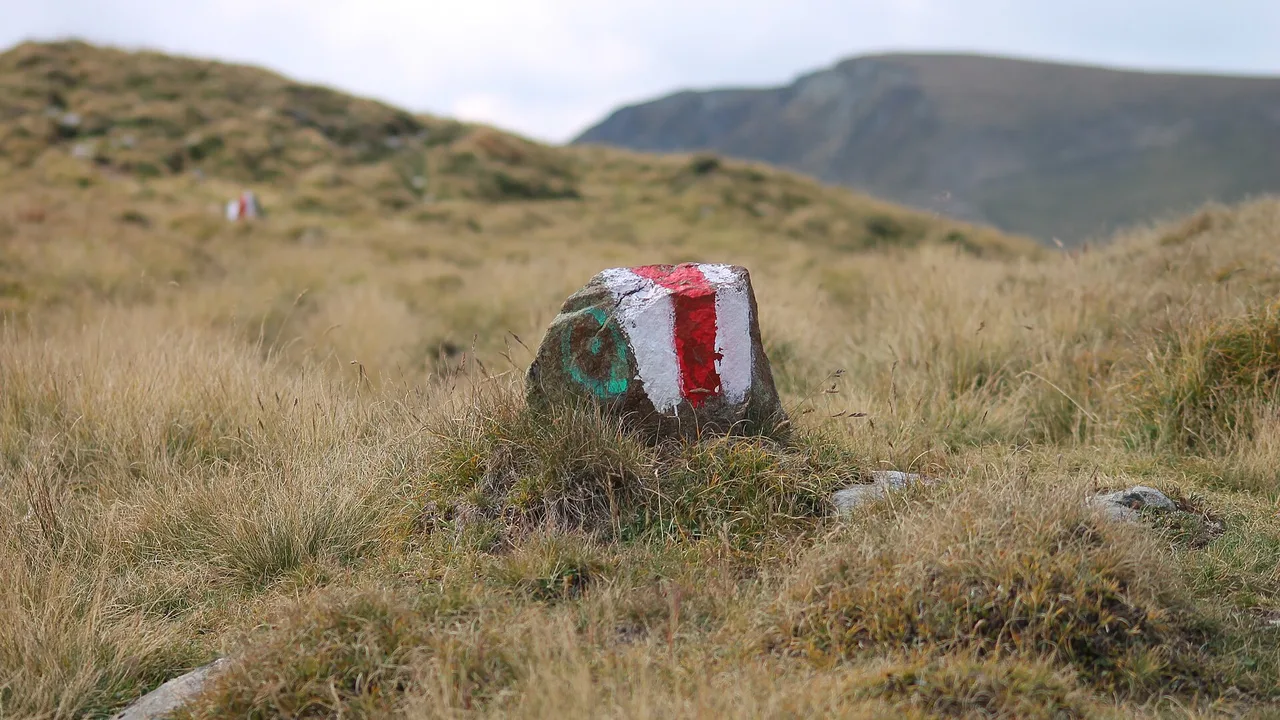
Pack for altitude and season, not for a generic “Romania is warm” tip. The same July day can put Bucharest near 30 C and a Carpathian summit near 10 C. Build a small core of layers you can add or strip, then swap one bag of extras for the coast, the ridges or winter. Month-by-month weather and road openings sit in our best time to visit Romania page; this one is what goes in the bag once you’ve picked the window.
Why one suitcase fails here
Romania’s climate is continental in the plains and alpine on the arc of the Carpathians. In Bucharest the mean July and August daily maximum is 29.8 C on the 1981-2010 normals, with January’s daily mean around -1.3 C; the newer 1991-2020 set runs about half a degree warmer in summer, which is why our best time to visit Romania page quotes 30 to 31 C for the same months. On the coast at Constanta, July’s mean maximum is 27.2 C - the figure Romania’s National Meteorological Administration publishes through the WMO - so the seaside is genuinely cooler than the capital by day, not just breezier. Up on Vârfu Omu at 2,504 m, the same July mean maximum is only 9.8 C. That gap is the packing problem: a T-shirt day in the capital becomes a fleece-and-shell morning on the ridge.
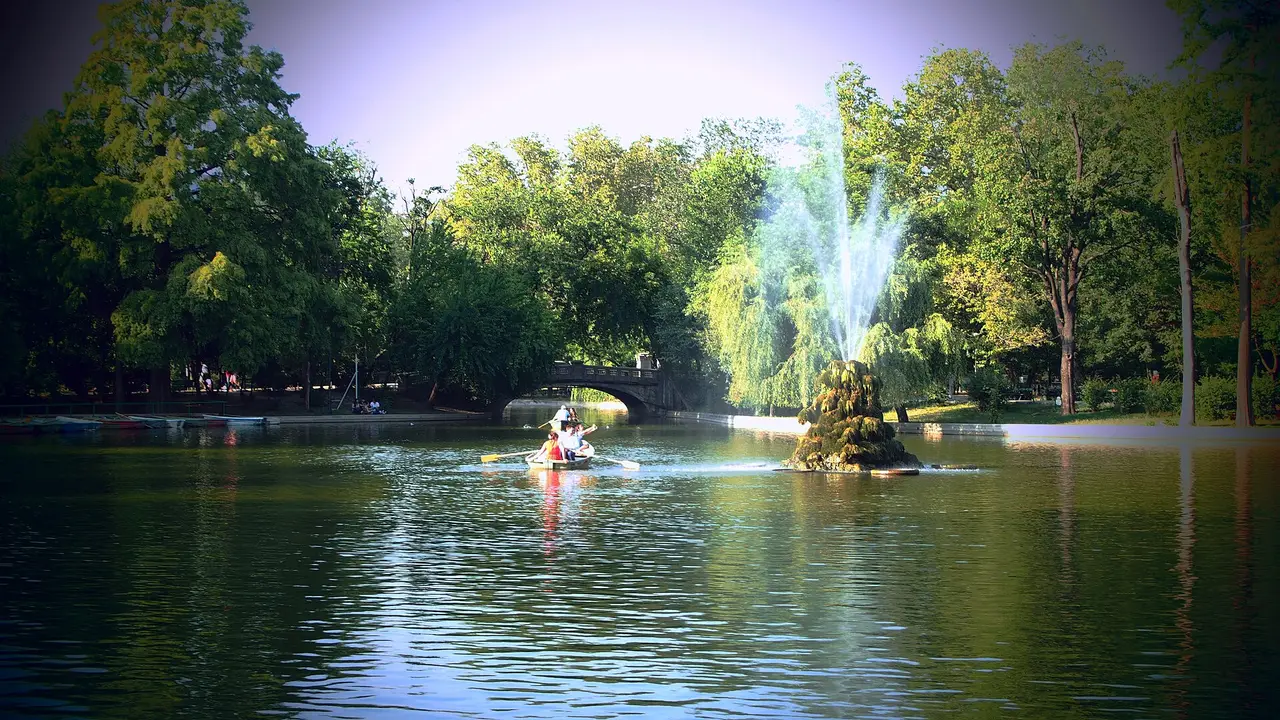
So treat every trip as two microclimates. City and castle towns want breathable clothes and sun protection. Anything above the treeline wants a warm mid-layer and a waterproof shell even in August, because afternoon storms roll across the ridges fast. You’re not packing for fashion weeks; you’re packing so you don’t buy an overpriced fleece at a mountain hut.
Spring and early autumn: the flexible bag
Late May through June, and September into early October, are the easiest packing seasons for mixed itineraries. Lowland highs often sit in the 20s - May and September closer to the mid-20s, June noticeably warmer (Bucharest June mean max is already 27.7 C), and early October already cooler (~18 C mean max). Evenings cool off, and May-June still bring the year’s wetter stretch as short thunderstorms. You’ll live in layers: a light long-sleeve, a sweater or light fleece, a compact rain shell, walking shoes that survive wet pavements, and one nicer outfit for dinners in Brasov or Sibiu.
Leave the heavy down at home. Bring the shell anyway. Spring mud on forest trails and autumn drizzle in the hills punish trainers that can’t take a splash. If your plan includes early mountain days before the high ridges clear, assume snow still sits in north-facing gullies into June - gaiters and warmer gloves earn their place then, and our Carpathian hiking guide marks the July-September window for the big traverses.
High summer: cities, coast and the cool escape
July and August are when the packing split is sharpest. In Bucharest and the southern plains you’re dressing for heat: linen or technical shirts, shorts, a hat, strong sunscreen, and sandals you can actually walk in. Constanta’s July mean maximum (27.2 C) runs about two and a half degrees below Bucharest’s, and the sea breeze widens that gap further, so the beach kit is the real add-on - swimwear, a cover-up, flip-flops for the sand, and something closed-toe for evenings in town.
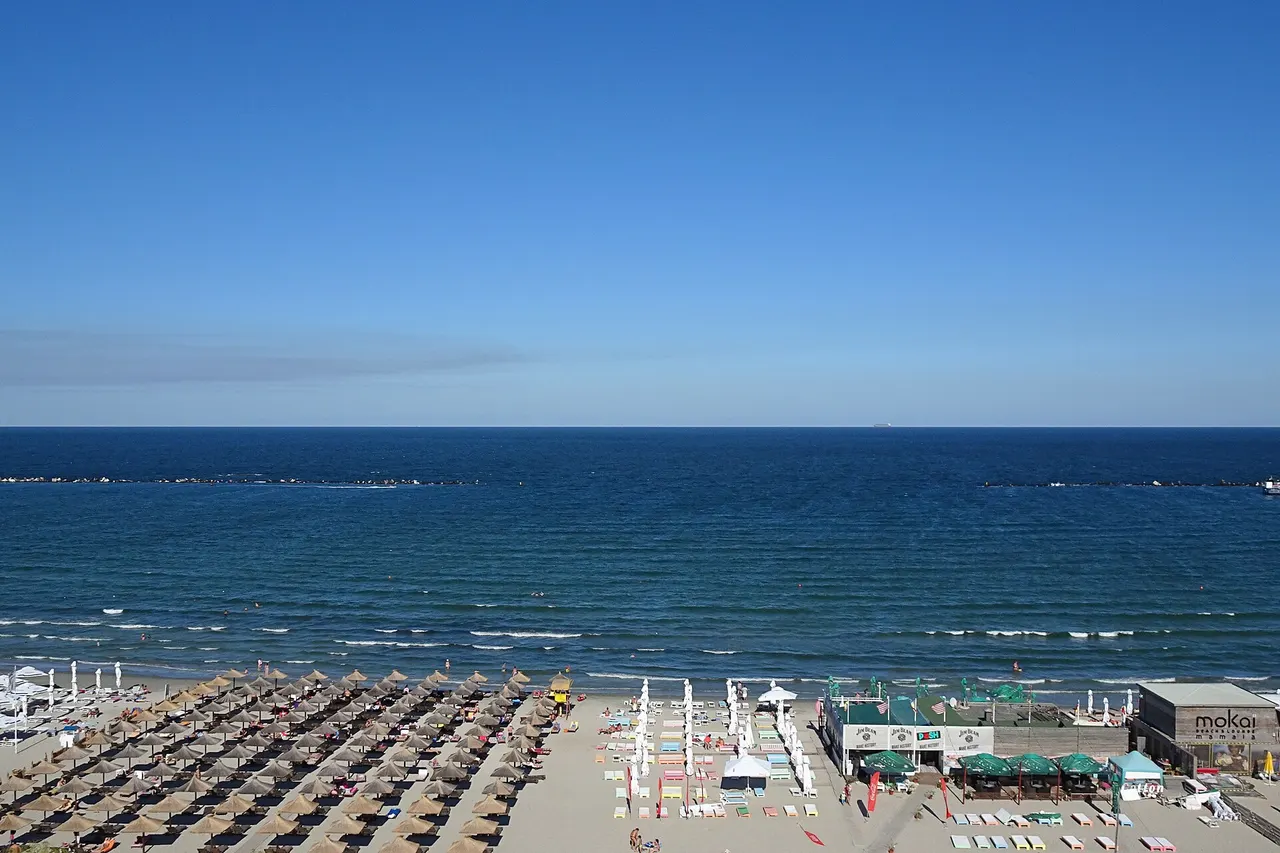
Water on the Romanian Black Sea is usually comfortable for swimming in July and August (about 23 to 24 C in July and August, the figure our best time to visit Romania page works from). Don’t build the whole bag around beachwear if you’re only booking two nights on the coast between Transylvania stops - one capsule beach set is enough.
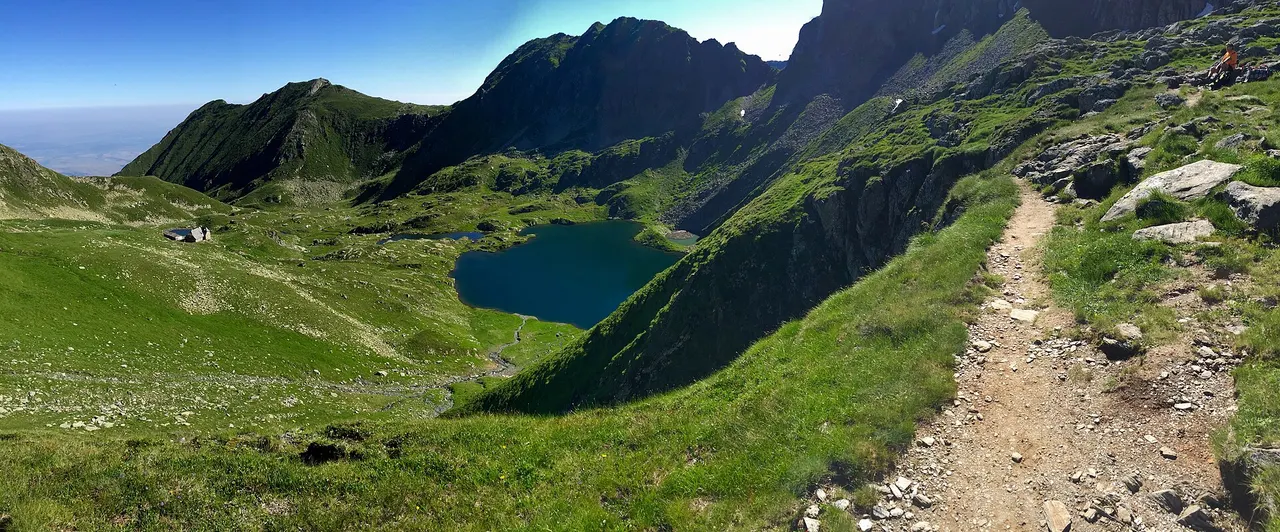
The mountains are the other half of the summer story. Romania’s highest point, Moldoveanu at 2,544 m, and day-hike lakes around 2,000 m (Balea sits near that band) stay properly cool. On Vârfu Omu the July mean high is under 10 C. That means: hiking boots with grip, moisture-wicking base layers, a fleece, a waterproof-breathable shell, gloves for the wind, a warm hat, and a daypack with water and a spare top. Trail runners are fine on dry Bucegi plateau paths after the cable car; they’re a poor bet on wet Fagaras rock. Start early, be off exposed ridges by mid-afternoon, and keep the shell where you can reach it when the sky turns.
Winter: real cold, not Instagram frost
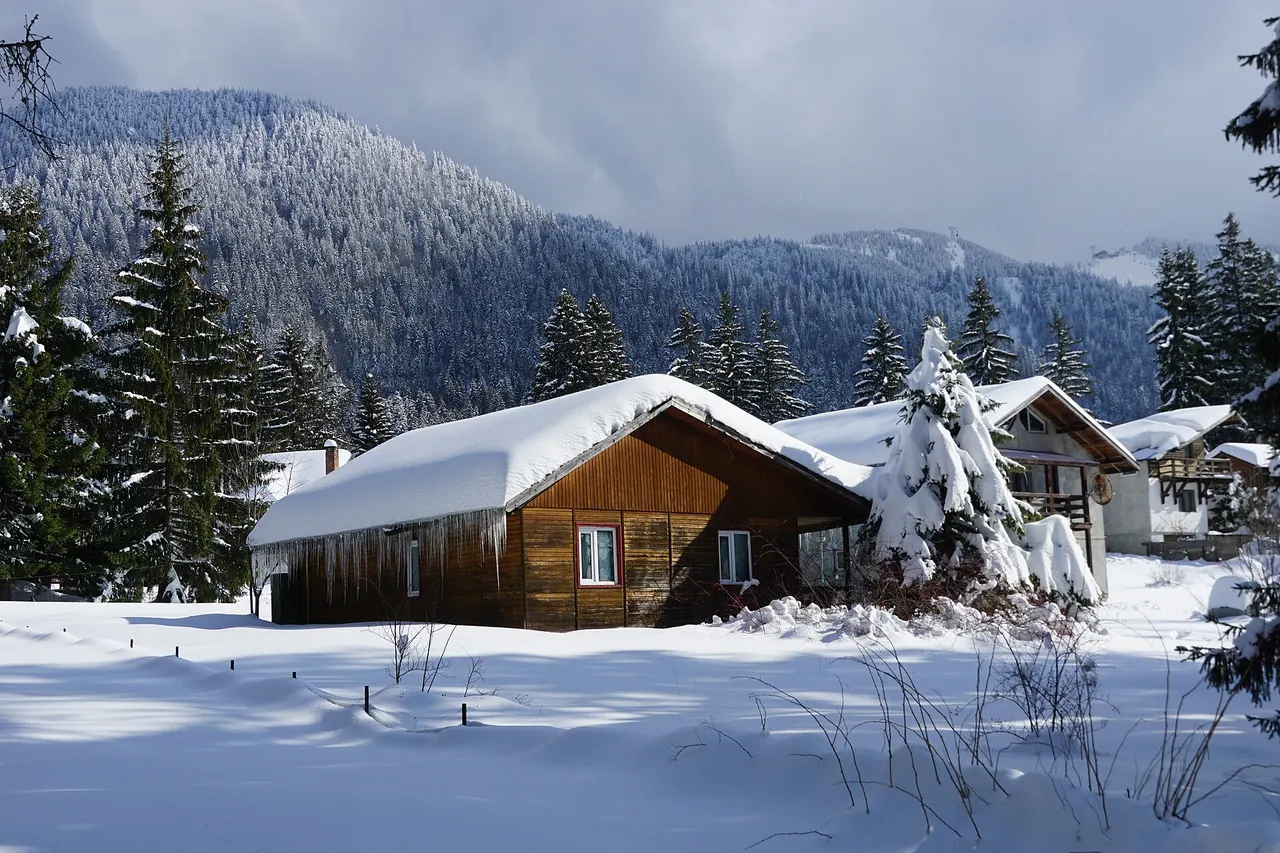
From December through February, pack as for a proper Central European winter. Bucharest’s January daily mean sits below freezing, and cold snaps go much lower. Cities need a warm coat, insulated waterproof boots, gloves, a scarf, and thermals under everyday clothes for long walks between museums and markets. Transylvanian towns and mountain resorts run colder still.
Skiing at Poiana Brasov or similar adds ski-specific layers and goggles; hire gear on site if you don’t want to fly with skis. Christmas-market evenings are standing-still cold - the coat that feels fine while you walk won’t feel fine while you drink mulled wine for twenty minutes. For winter itinerary ideas beyond the bag, see Romania in winter.
Gear that isn’t clothing
A few non-clothes items punch above their weight on almost every Romania trip:
- Power. Romania uses Type C/F plugs at 230 V. Bring a small EU adapter; US and UK plugs don’t fit without one.
- Money kit. Cards work widely in cities; keep some lei cash for mountain huts, village shops and tip jars. Details live in money in Romania.
- Sun and bugs. Strong SPF for summer cities and high-altitude UV; insect repellent if you’re heading into the Danube Delta in late spring or summer.
- Daypack. A 20-30 L bag for castle days and short hikes beats stuffing a cabin suitcase onto a cable car.
- Paper backups. Passport and a printed or offline copy of bookings help when rural signal drops. Entry rules themselves change with nationality and year - use the live Romania entry requirements page, don’t copy them into a packing list.
Travel insurance
Medical cover isn’t a shirt, but it belongs in the “essentials” column for anyone walking above the treeline, driving mountain roads or travelling without an EHIC/GHIC safety net. Romania’s public mountain rescue will come for you; the hospital bill and a flight home afterwards are a separate problem. Match the policy to activities (hiking altitude limits, skiing add-ons) and read exclusions before you pay. The full rules and gaps sit in Romania travel insurance.
What most visitors overpack
The classic mistake is three near-identical “nice” outfits and no rain shell. Romania’s towns are informal; jeans and a clean shirt cover dinners almost everywhere outside a handful of Bucharest restaurants. Another mistake is flying in with only city shoes when the itinerary includes the Bucegi plateau or a muddy gorge after rain. You don’t need mountaineering boots for every trip, but one pair with tread changes how much of the country you actually walk.
Underpacking cuts the other way. People land in July with beach clothes only, then book a day on the Transfagarasan and freeze at the top in a cotton hoodie. Or they bring a fashion coat for December that soaks through in ten minutes of snow. Borrow or hire specialised ski kit; don’t skimp on the everyday waterproof and the mid-layer that works from train platform to trailhead.
A practical way to close the bag
Decide the trip shape first. City-and-castles in May or September: layers, shell, good walking shoes, one smart-casual outfit. Summer with two mountain days: add boots, fleece and shell even if the forecast for Bucharest looks tropical. Coast week in July: swim kit plus sun protection, still keep a light long-sleeve for evenings. Winter: coat and boots first, then thermals, then ski extras only if you’re actually skiing.
Check the weather for both the city you’ll sleep in and the highest point you’ll stand on. That single habit catches the Bucharest-versus-ridge gap better than any generic packing list. Get the layers right and you spend the day on the ridge or the beach instead of shopping for emergency fleeces. Pair the bag with the season calendar in best time to visit Romania and the trail notes in Carpathian hiking, and the suitcase stops being a guess.
Photos
Read also

Before you go · 10 min read
Skiing in Romania: Resorts, Passes & Season
Updated · August 30, 2026Ski Romania: Poiana Brasov, Sinaia, Predeal and Straja day-pass prices in lei, the snow season window and which resort fits your trip.

Before you go · 9 min read
Best Day Trips from Cluj-Napoca
Verified · August 16, 2026Day trips from Cluj by effort: Salina Turda by bus, Rimetea by car, Alba Iulia citadel and Banffy Castle at Bontida, with times and prices in lei.

Before you go · 8 min read
Romania's Black Sea Resorts: Which One to Choose
Verified · August 11, 2026Mamaia, Eforie Nord, Costinesti, Neptun or Vama Veche? Pick the Romanian Black Sea resort that fits your trip, budget and noise tolerance.

Before you go · 10 min read
Romania in Winter: Skiing, Christmas Markets, Castles
Updated · August 8, 2026A winter Romania trip planned right: Poiana Brasov ski dates, Sibiu and Brasov Christmas markets, and Peles and Bran castles under snow.