
Constanta & the Romanian Black Sea Coast
Constanta travel guide: the reopened Art Nouveau Casino, Roman mosaics, ancient Tomis and the Mamaia beach strip, with prices in lei and train tips.
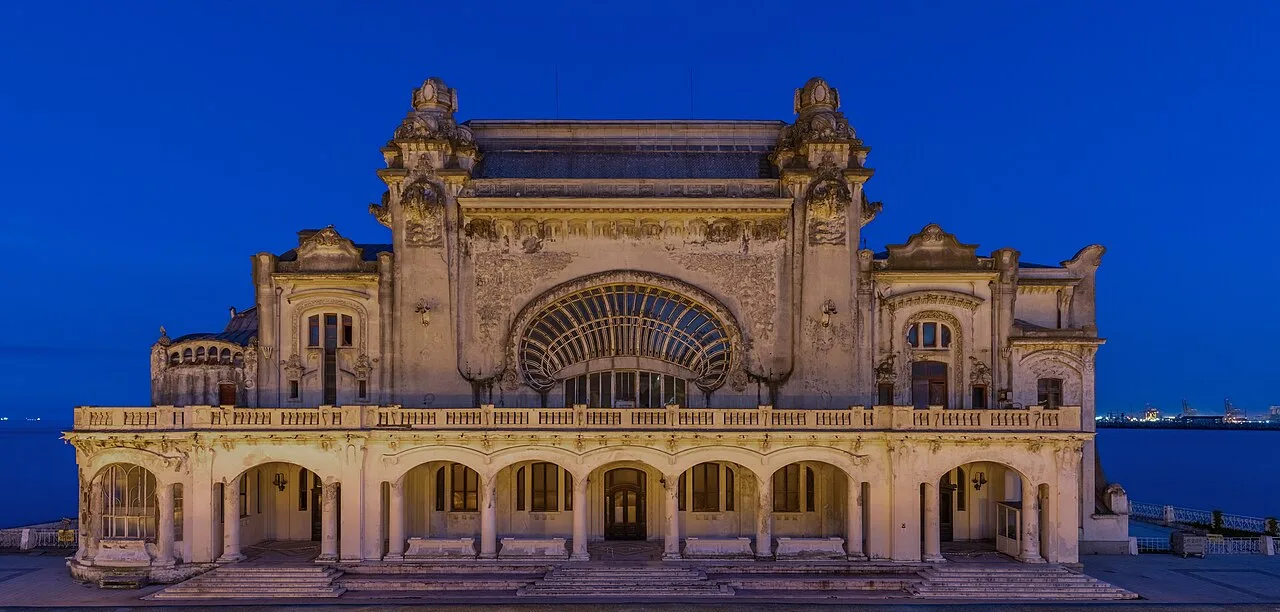
Constanta is two cities stacked on one headland. On the old Peninsula you get ancient Tomis, the town where the Roman poet Ovid was exiled two thousand years ago, plus a huge floor of Roman mosaic and a fairy-tale Art Nouveau casino that reopened in 2025 after five years wrapped in scaffolding. Ten minutes north, Mamaia is a 8 km ribbon of sand and beach clubs that becomes Romania’s loudest summer resort. The trick is knowing that the history and the beach are separate days, and this guide splits them so you can do both in a long weekend, with prices in lei and the fastest way down from Bucharest.
The short version: base yourself either in the quiet, atmospheric Peninsula for the ruins or in Mamaia for the beach, take the InterCity down from Bucharest in about two hours to skip the summer traffic, and give the old town a slow half-day on foot. Romania uses the leu (RON), not the euro, so budget in lei and keep some cash for small museum fees.
Is Constanta worth visiting?
Yes, but go knowing what it is. This is Romania’s oldest continuously inhabited city and its biggest sea port, founded by Greek colonists as Tomis around the 6th century BC, so the draw is layered history right on the water rather than a tidy, polished old town. Parts of the Peninsula are gloriously restored, parts are still peeling, and that faded-grandeur mix is exactly its character. Come for a day or two of Roman ruins and seafront architecture, tack on the beach at Mamaia if the season is right, and you’ve got the coast covered.
What makes 2026 a good year to come is timing. The landmark Casino reopened to the public in May 2025 after a long restoration, and the Roman Mosaic Edifice, the other must-see, reopened in late 2025 after its own overhaul. For years both were off-limits or hidden behind hoardings, so the two anchors of a Constanta visit are finally back at the same time.
The Constanta Casino: what to know first
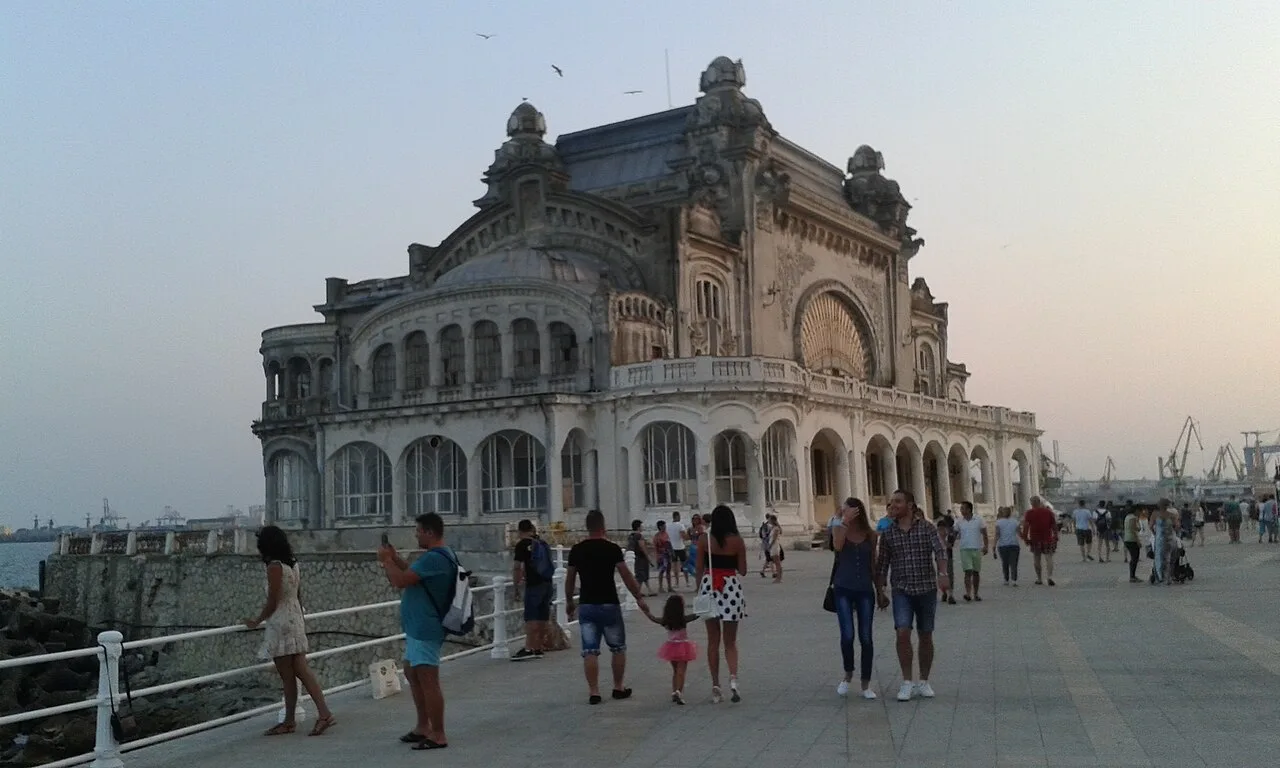
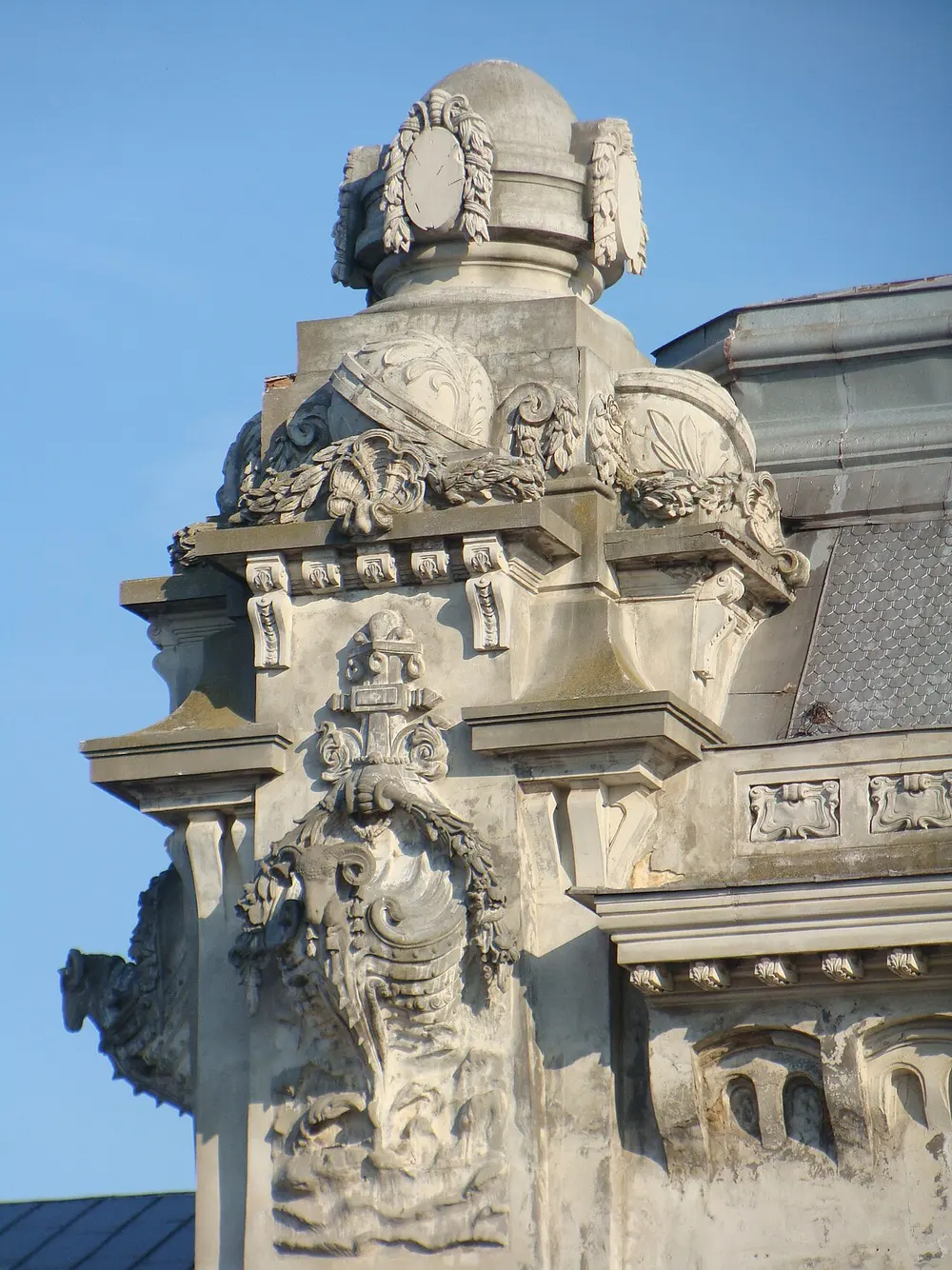
The Casino (Cazinoul) is the reason most people photograph Constanta. It’s a swooping Art Nouveau pile on the seafront, designed by the Swiss-Romanian architect Daniel Renard and inaugurated in August 1910 on the initiative of King Carol I. For decades it decayed into a beautiful ruin, which is how a generation of travellers knew it. A restoration ran from January 2020 to March 2025 and it reopened to visitors on 21 May 2025 during the Constanta Days, now working as a cultural venue for exhibitions and events rather than a gambling hall.
Here’s the practical part. The exterior, the terrace and the promenade around it are the real draw and they’re free and open all the time, best at golden hour when the light hits the sea-facing facade. Interior access has come back in stages: since the reopening it has run through timed entry slots and event days rather than a permanent walk-up ticket booth, and different sources quote different rules. So plan to enjoy it from outside, and if you want to get inside, check the current arrangements on the Constanta city hall channels a few days ahead rather than assuming you can just turn up.
What can you do in the old Peninsula?
Everything historic is a short, flat walk, so treat the Peninsula as one loop on foot. Start in Piata Ovidiu (Ovid Square), the ancient heart of the city, where a bronze statue of Ovid has stood since 1887. The Romans banished the poet to Tomis in AD 8 and he grumbled about the cold and the frontier for the rest of his life; the statue is the city’s unofficial mascot and the obvious meeting point.
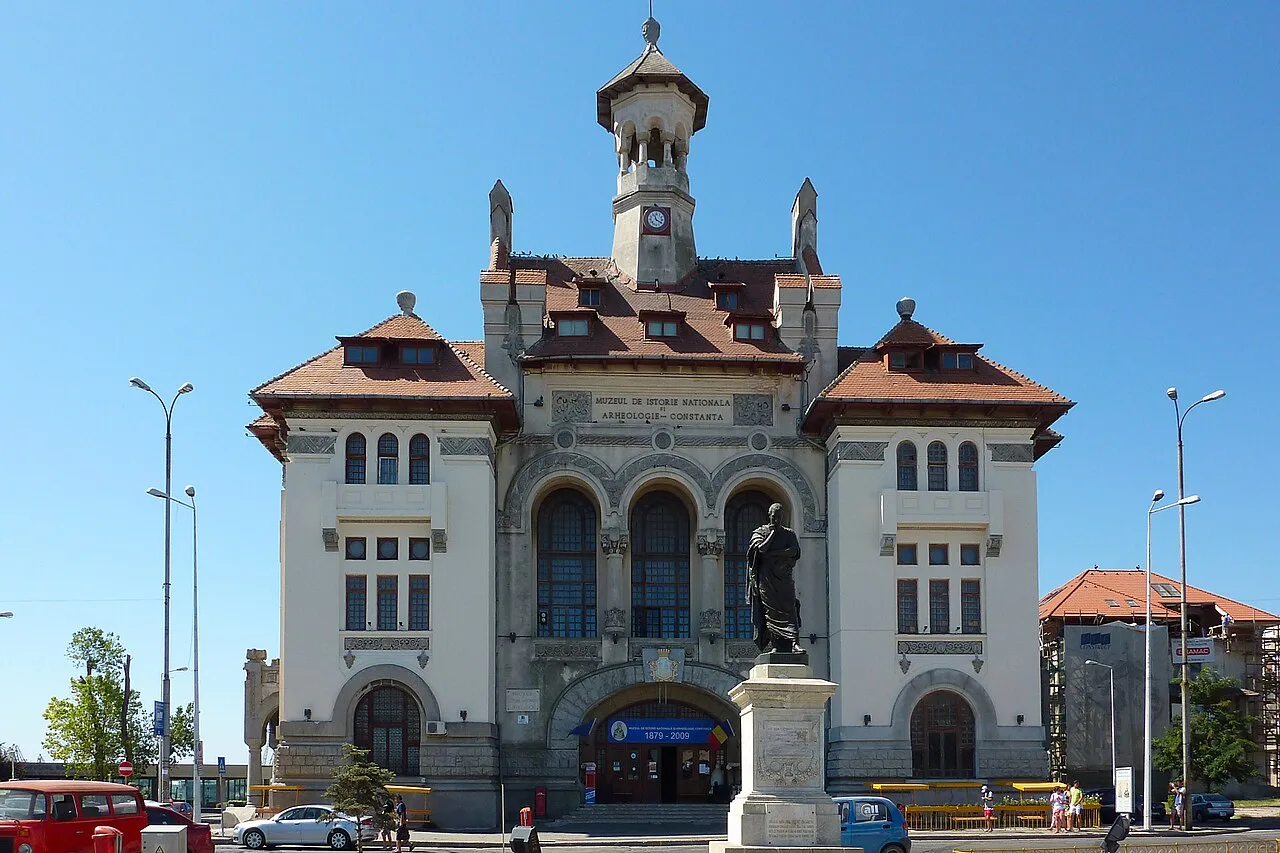
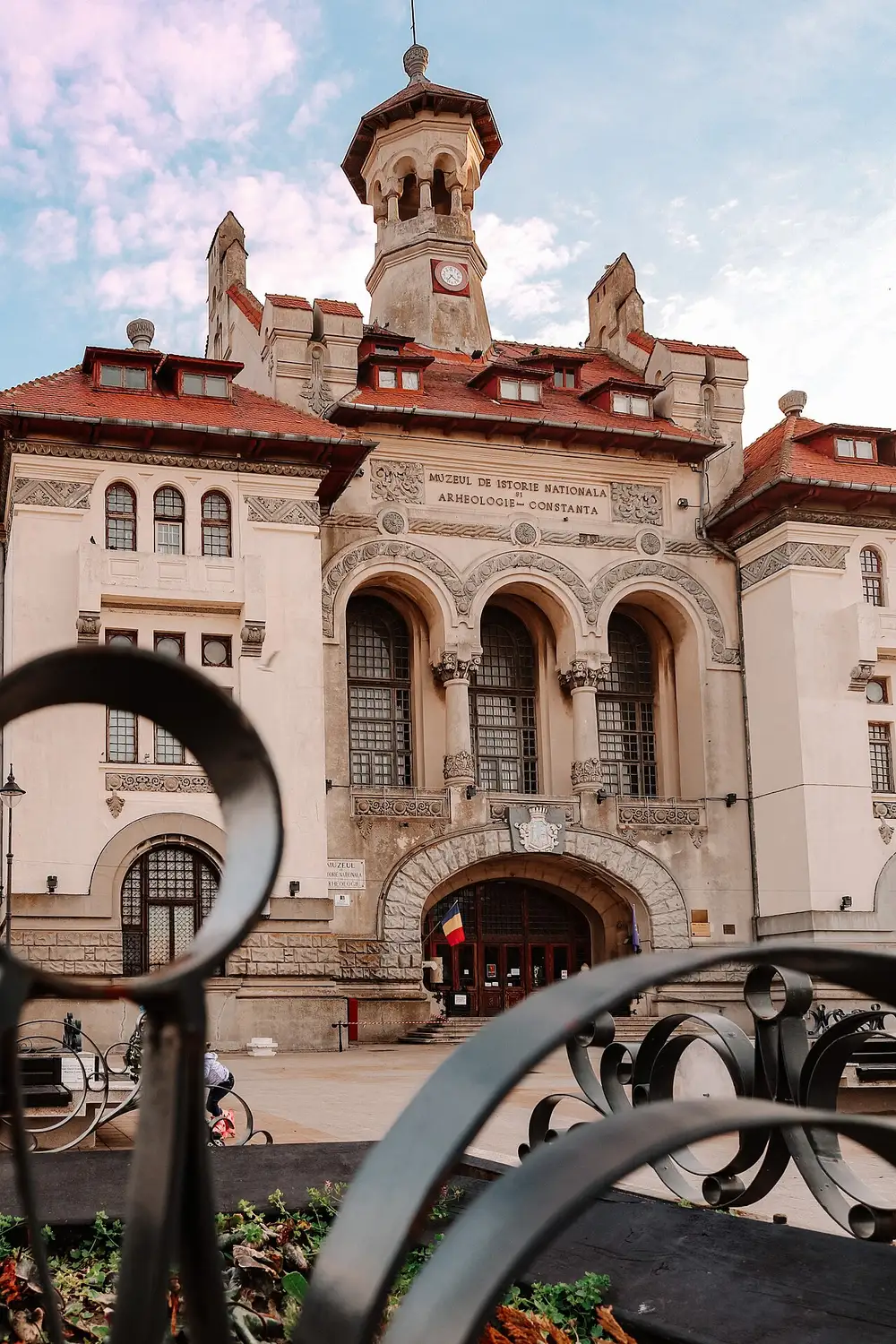
Facing the square is the National History and Archaeology Museum, one of Romania’s oldest, set in the former city hall. Admission is modest, around 20 lei, and it’s usually closed on Mondays and Tuesdays, so don’t plan the old town for the start of the week. The reason to go in is the Hellenistic and Roman finds from Tomis: the star piece is the Glykon Snake, a strange marble serpent god carved from a single block, alongside the Hamangia-culture terracottas known as the Thinker and the Sitting Woman. Give it under an hour.
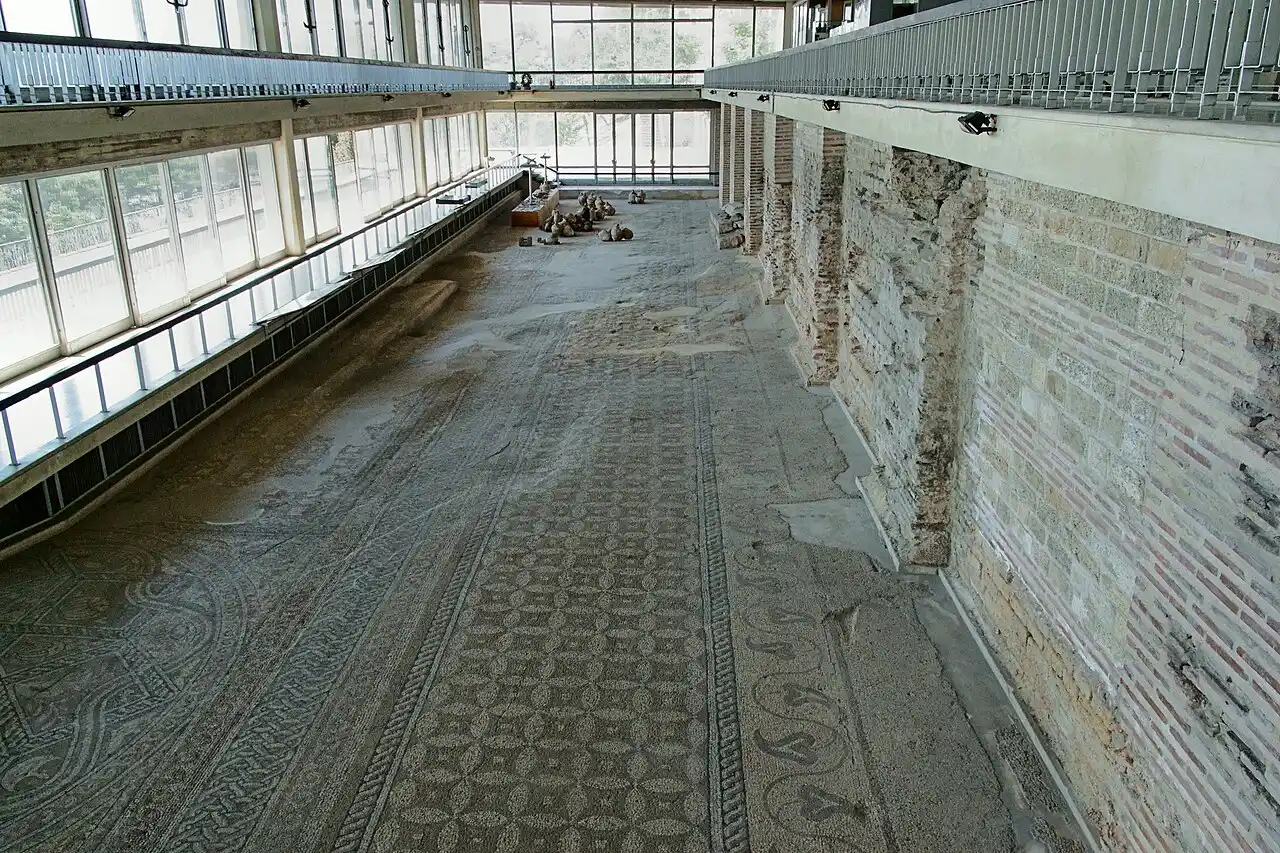
A minute away is the highlight I wouldn’t skip: the Roman Edifice with Mosaic (Edificiul Roman cu Mozaic). Discovered by accident in the 1960s, it shelters a mosaic floor that originally ran to some 2,000 square metres, of which about 850 survive today - still the largest Roman-Byzantine mosaic in the Balkans, part of a 3rd-to-4th-century commercial complex that once stepped down from the upper town to the ancient harbour. The mosaic is over 1,700 years old, and the edifice reopened to the public in late 2025 after a long rehabilitation, reportedly with free entry. Stand at the top and you get the mosaic in the foreground and the modern port beyond - a neat compression of the whole city’s history.
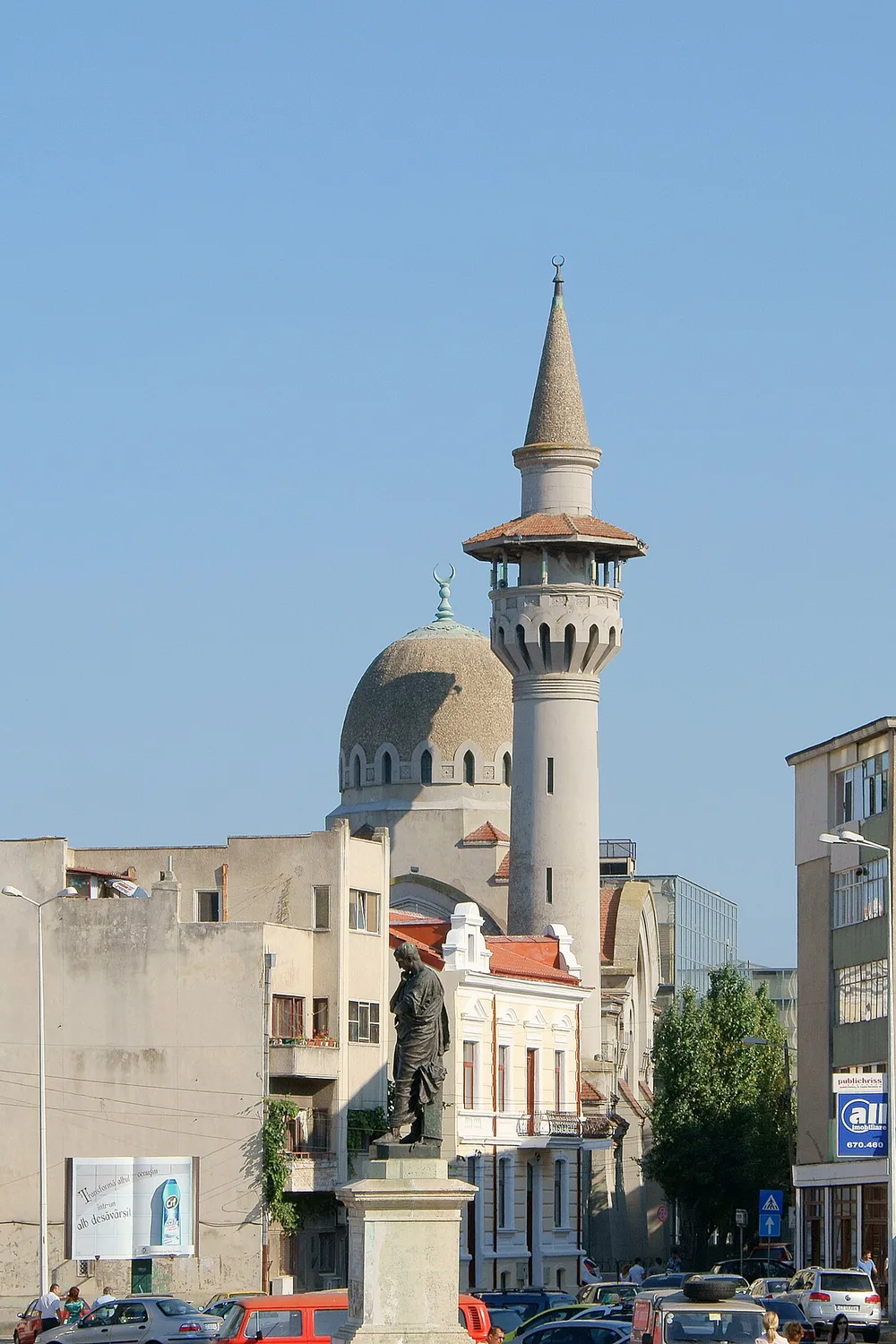
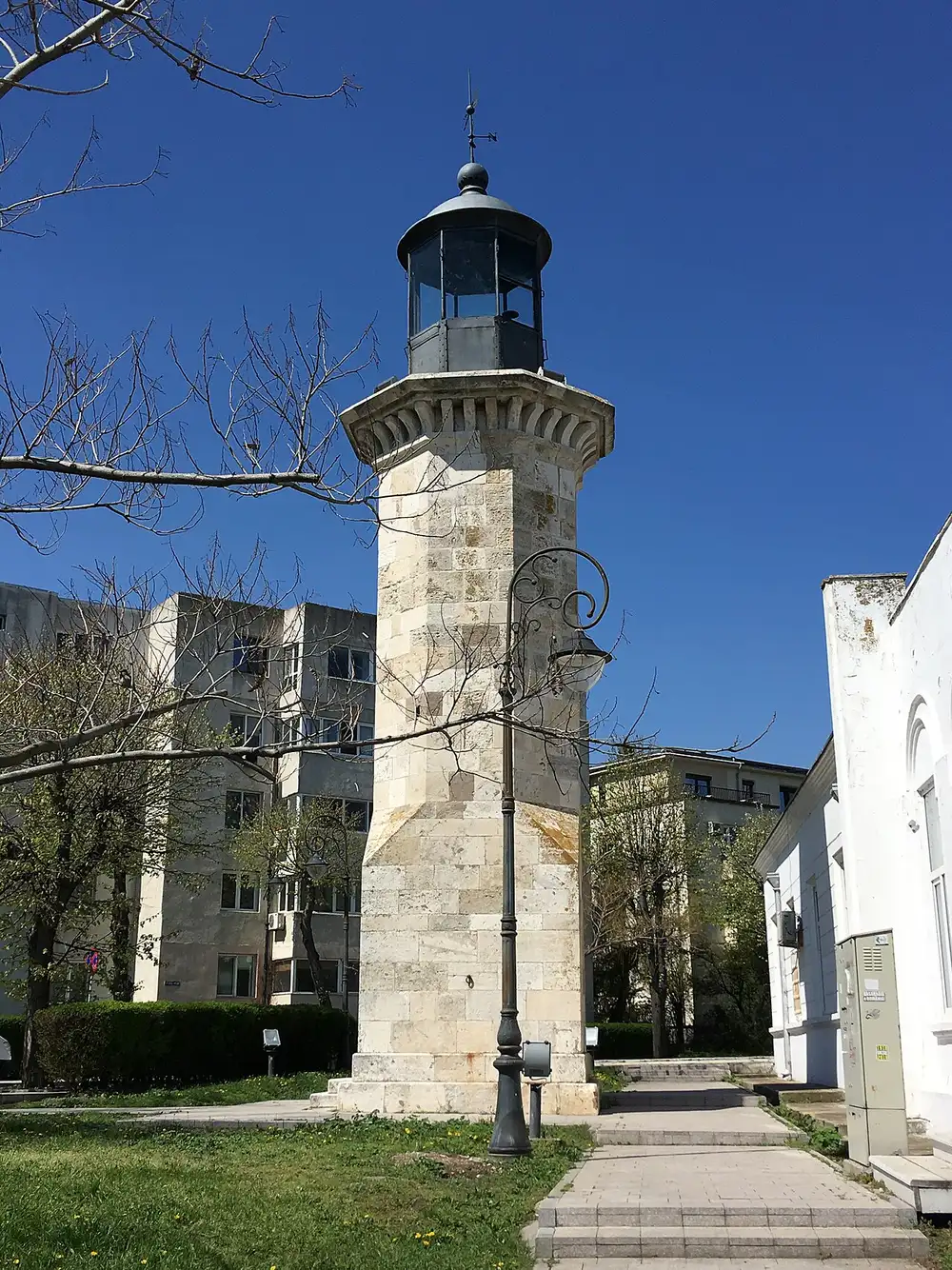
Two more quick stops round out the loop. The Great Mosque (Moscheea Carol I), built in 1910 for the local Muslim community, has a 47-metre minaret you can climb for the best panorama over the harbour and the old roofs for a small fee. And down on the promenade, the little Genoese Lighthouse, an 8-metre stone tower that honours the medieval Genoese traders who once worked this coast, is a photo stop rather than a visit; it’s fenced and you look at it from outside. While you’re there, hunt down Stradela Vantului (Wind Lane), the narrowest street in the city at barely two metres wide.
One caution: don’t build a day around the old seafront Aquarium. It has been closed while a new modern one is planned, so treat it as shut unless you hear otherwise on the day.
Is Mamaia beach worth it, and how is it different?
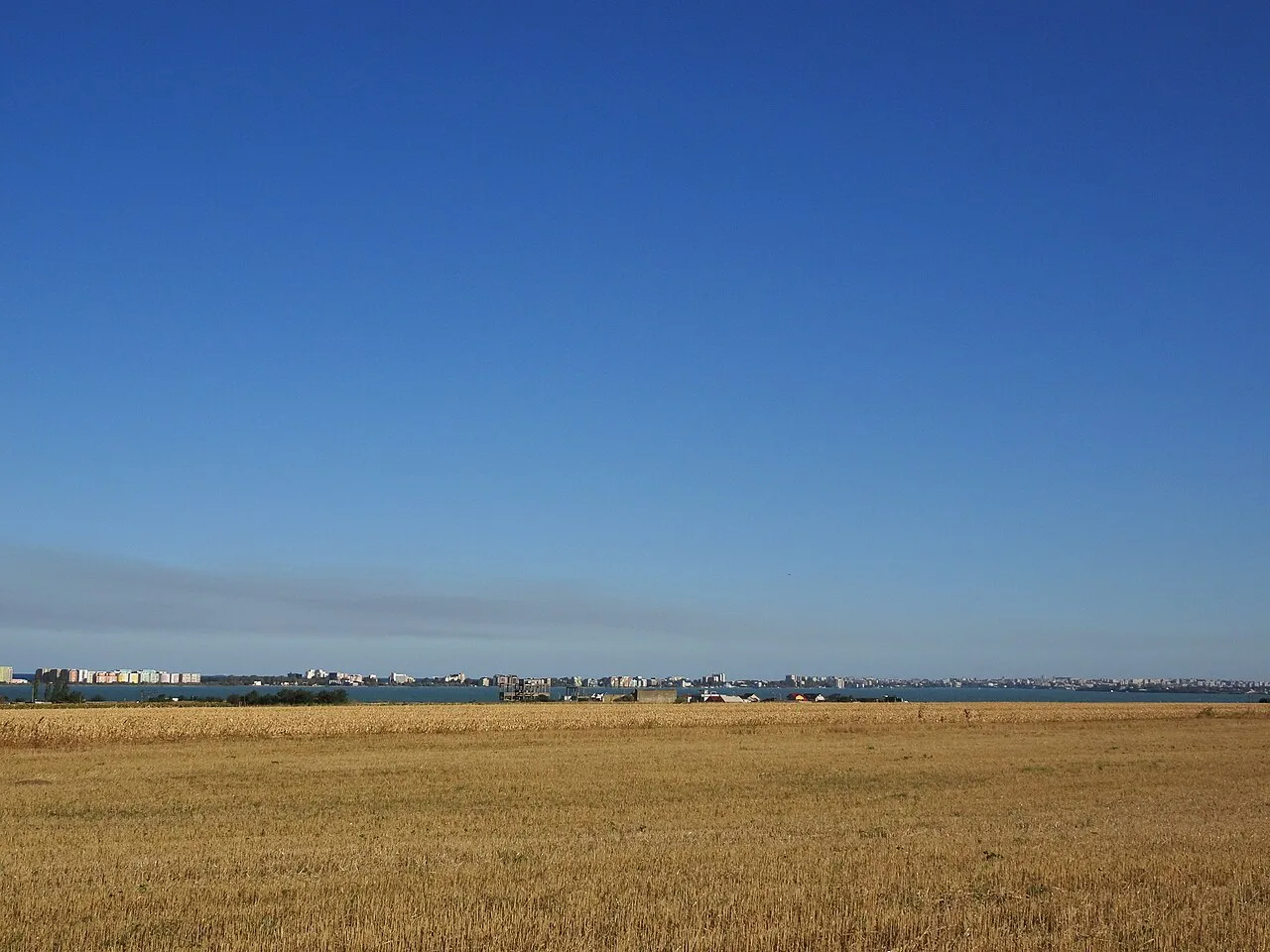
Mamaia is a different animal from the old town, and whether you love it depends on what you want. It’s Romania’s largest and most popular seaside resort, going back to 1905, laid out on a narrow spit only about 8 km long and 300 metres wide between the open Black Sea and Lake Siutghiol. That geography is the whole appeal: wide sandy beach on one side, a freshwater lake with watersports on the other, and a wall of hotels, pools and beach clubs down the middle. A cable car runs the length of the strip in season.
If you want a lively, built-up beach holiday with nightlife and every sunbed for hire, Mamaia delivers exactly that. If you picture a quiet cove, this isn’t it - it’s busy, developed and at its most crowded in July and August. If a festival is part of the plan, note that the coast’s big one now runs at Costinesti rather than Constanta - our Romania events calendar has the current dates. Choosing between Mamaia, Eforie, Costinesti, Neptun and Vama Veche is its own decision - our Black Sea resorts guide sorts which strip fits which trip, and the Eforie Nord guide goes deeper on the mud lake and family beach south of town. The season runs from mid-June to early September, when daytime temperatures sit around 25-30 C. It’s close, too: central Mamaia is about 8 km from the old town and the far end of the strip about 12 km, a 15-25 minute drive or a short local bus, so you can easily sleep in the Peninsula for the history and taxi up for a beach afternoon, or the reverse.
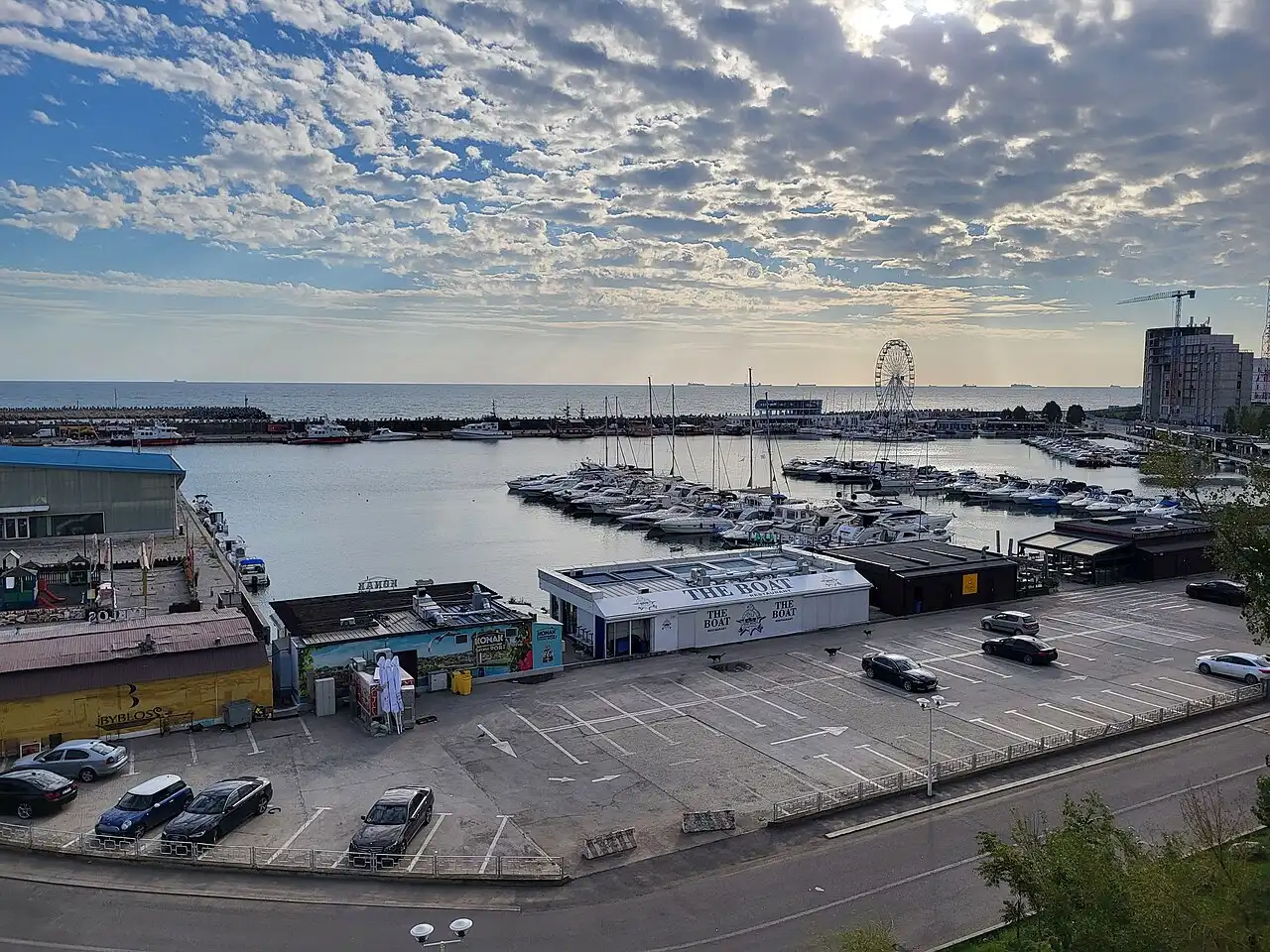
Being a port city, Constanta is also a fine place to eat fish and seafood by the water - our best food in Constanta and Mamaia guide covers where to go, from the marina restaurants on Portul Tomis to the one Mamaia beach kitchen worth the trip. For where to sleep, our where to stay in Constanta and Mamaia guide breaks down each area by budget and season, but the short version is Mamaia for the beach or the Peninsula and city centre for the ruins and the promenade; compare hotels in Constanta and Mamaia and book early, because the coast fills up across summer weekends.
How do you get to Constanta from Bucharest?
Two easy ways, and the season decides which. The train is the stress-free option: Romanian Railways (CFR) runs roughly sixteen services a day over the 200-odd kilometres. The InterCity takes about two hours for 105 lei in second class with a seat, the InterRegio about two hours twenty minutes for 92 lei, and there’s the slow Regio at 48.50 lei. In July and August, when the motorway to the coast jams up, the train is genuinely the smarter move. For the full breakdown of train, bus and car with times and fares in lei, see our Bucharest to Constanta guide.
Driving takes about two and a half to three and a half hours on the A2, the “Sun Motorway”, roughly 200 to 206 km of flat, straightforward road from Bucharest. The motorway carries no toll beyond the rovinieta, Romania’s road vignette, and since 1 October 2026 neither does the Danube bridge at Fetesti-Cernavoda: the new road-charging law repealed the ordinance its 19-lei car toll rested on. The real catch is timing - on summer weekends the A2 fills from Friday afternoon into Saturday morning heading to the coast and from Sunday lunchtime heading back, so avoid those windows or expect to crawl. A car earns its keep if you’re combining Constanta with the wider Dobrogea region; you can rent a car for Romania and drive the coast at your own pace, or, with no car at all, a fixed-price transfer from Bucharest or the airport drops you at the door.
Constanta also has its own airport, Mihail Kogalniceanu (CND), just inland, which lists only three international routes - Istanbul and London all year, plus Rome; for the full picture of flying into Romania and connecting on, see our guide to which airport to use for Romania.
How does Constanta fit a wider Romania trip?
Easily, because it’s the natural coastal add-on to an inland route. If you’re doing the classic loop, our Romania 7-day itinerary runs out of Bucharest through Transylvania, and a couple of extra days on the coast at Constanta and Mamaia make a relaxed finish once you’ve had your fill of castles and mountains on the Transylvania road trip. The contrast is the point: Gothic citadels and Carpathian passes one week, Roman mosaics and a beach the next.
The other pairing is with the wild northeast of the same region. From Constanta it’s a few hours north to Tulcea, the gateway to the Danube Delta, Europe’s largest wetland and a completely different Romania of reed channels, pelicans and fishing villages. Do the ancient port and the beach first, then swap the sunbeds for a boat into the delta, and you’ve seen the best of Dobrogea, the quiet corner of the country between the Danube and the sea. Our Danube Delta boat route lays out the two days from Tulcea, channel by channel, if you want to plan that half properly.
Or go the other way. South past Mangalia, right on the Bulgarian border, Vama Veche is Constanta and Mamaia’s polar opposite: a scruffy former artists’ hideout with a campsite culture instead of hotel towers, and a road border crossing you can drive straight through. Our Black Sea and Danube route threads Constanta, Mamaia and the delta together if you want the fuller coastal picture.
Photos
On the map
The map loads on click - to keep the page lightweight.
The map didn’t load. Check your connection and refresh the page.
Admission and opening hours
- Admission price
- History & Archaeology Museum about 20 lei; Roman Mosaic Edifice reported free after its late-2025 reopening; Casino grounds and promenade free (interior visits by timed slot). No A2 motorway toll beyond the rovinieta road vignette, and since 1 October 2026 no separate toll on the Danube bridge at Fetesti either.
- Opening hours
- Museum roughly 9:00-17:00, usually closed Monday and Tuesday. Casino interior access is event- and slot-dependent since the May 2025 reopening.
Prices, hours and Casino interior access change - confirm before you go (minac.ro for the museum, the Constanta city hall channels for the Casino). All prices in lei (RON), not euro.
Details checked: September 25, 2026
Read also

Cities · 13 min read
Predeal: Romania's Highest Ski Town
Verified · September 3, 2026Predeal sits at 1,030-1,110 m on the Bucharest-Brasov line: Clabucet ski, the town itself, and how it stacks up against Sinaia and Poiana.

Cities · 10 min read
Suceava Travel Guide: Fortress & Bucovina Gateway
Updated · August 25, 2026Things to do in Suceava: Stephen the Great's fortress, the UNESCO Saint John monastery, village museums, and using the city as a base for Bucovina.

Cities · 9 min read
Where to Stay in Sighisoara: Citadel or Lower Town
Verified · August 24, 2026Where to stay in Sighisoara: citadel vs Lower Town, price bands in lei, parking, the medieval festival, and who should sleep inside the walls.

Cities · 11 min read
Where to Stay in Timisoara: Best Areas & Hotels
Verified · August 19, 2026Where to stay in Timisoara: Cetate vs Fabric vs Iosefin vs Circumvalatiunii - who each suits, walk times, prices in lei, and getting in from the airport.