
Things to Do in Bucharest: Complete Guide
What to do in Bucharest in 2-3 days: the giant Parliament, Old Town, the Village Museum and Herastrau, with real ticket prices and tips.
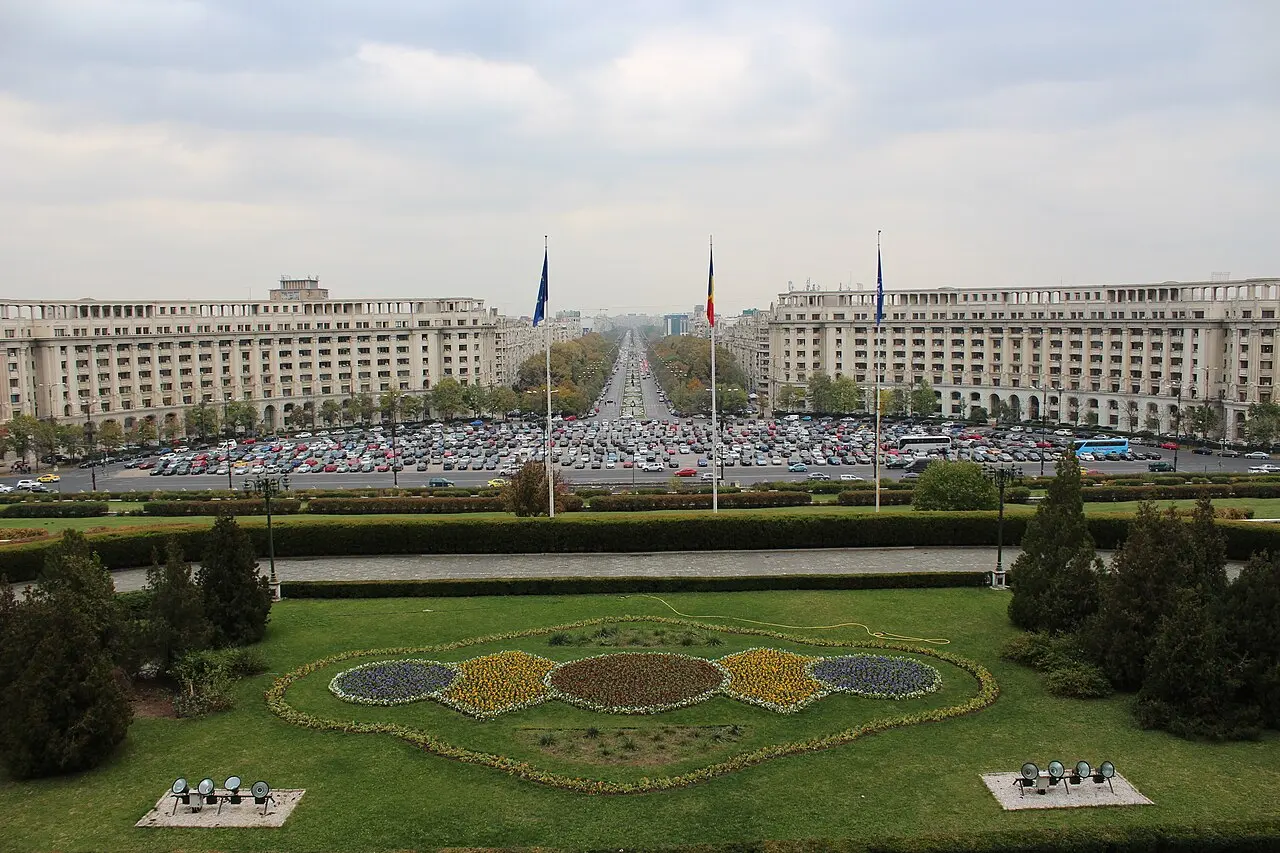
Two full days cover the essentials of Bucharest, and three lets you slow down. The must-do shortlist is small and specific: tour the colossal Palace of the Parliament, wander the Old Town lanes of Lipscani, spend a half-day at the open-air Village Museum, and unwind in Herastrau park by the lake. Everything below is grouped so you can build those into a route on foot and by metro, with real ticket prices in lei and the two booking traps that catch first-timers.
The short version: book the Parliament tour a few days ahead and bring your passport, base yourself near the Old Town so you can walk the centre, and save the parks and the Village Museum for a relaxed afternoon in the north. Romania uses the leu (RON), not the euro, so budget in lei and keep some cash for boat hire and small entry fees.
What are the top things to do in Bucharest?
In a single day, the highlights reel is four stops: the Palace of the Parliament in the south, the Old Town core around Lipscani, and then the northern pairing of the Village Museum and Herastrau park. Add the Romanian Athenaeum, Revolution Square and Calea Victoriei if you have longer, since they sit on the walk between the centre and the parks. The city is flat and the metro is quick, so the geography does most of the planning for you: a southern morning, a central afternoon, and a northern day.
How do you visit the Palace of the Parliament?
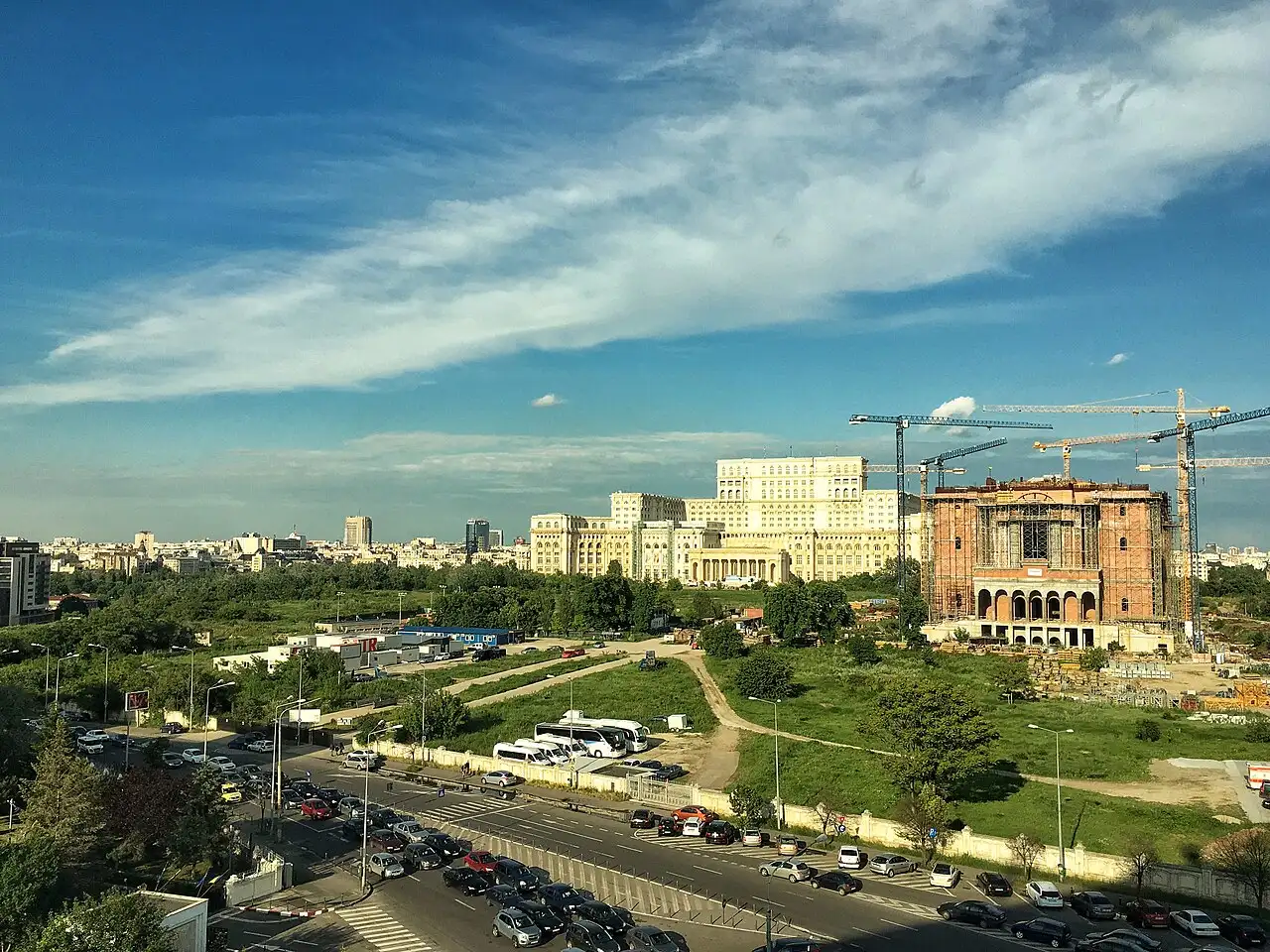
Start here because it needs advance planning. The Palace of the Parliament (Palatul Parlamentului) is a genuine record-holder: at roughly 365,000 square metres of floor space it’s the heaviest building on Earth, weighing an estimated four million tonnes and sinking about six millimetres a year under its own mass. Nicolae Ceausescu began it in 1984, bulldozing a chunk of the old city to do it, and left more than a thousand rooms of which only around four hundred were ever finished. It’s grandiose, unsettling and a bit absurd, and worth going inside for all three reasons.
You can only see it on a guided tour, and there are two things to get right. First, bring a passport or national ID card - driver’s licences are not accepted, and people get turned away at the gate for this every day. Second, foreign-language tours (English included) run to a limited daily schedule and sell out several days ahead in summer, so book online a few days before rather than walking up. The standard tour starts from around 60 lei and lasts about an hour; check current prices, hours and the ID rules on the official site (cic.cdep.ro), since these change. The queue and the security check add time, so give it a whole morning.
Is the Old Town (Lipscani) worth it?
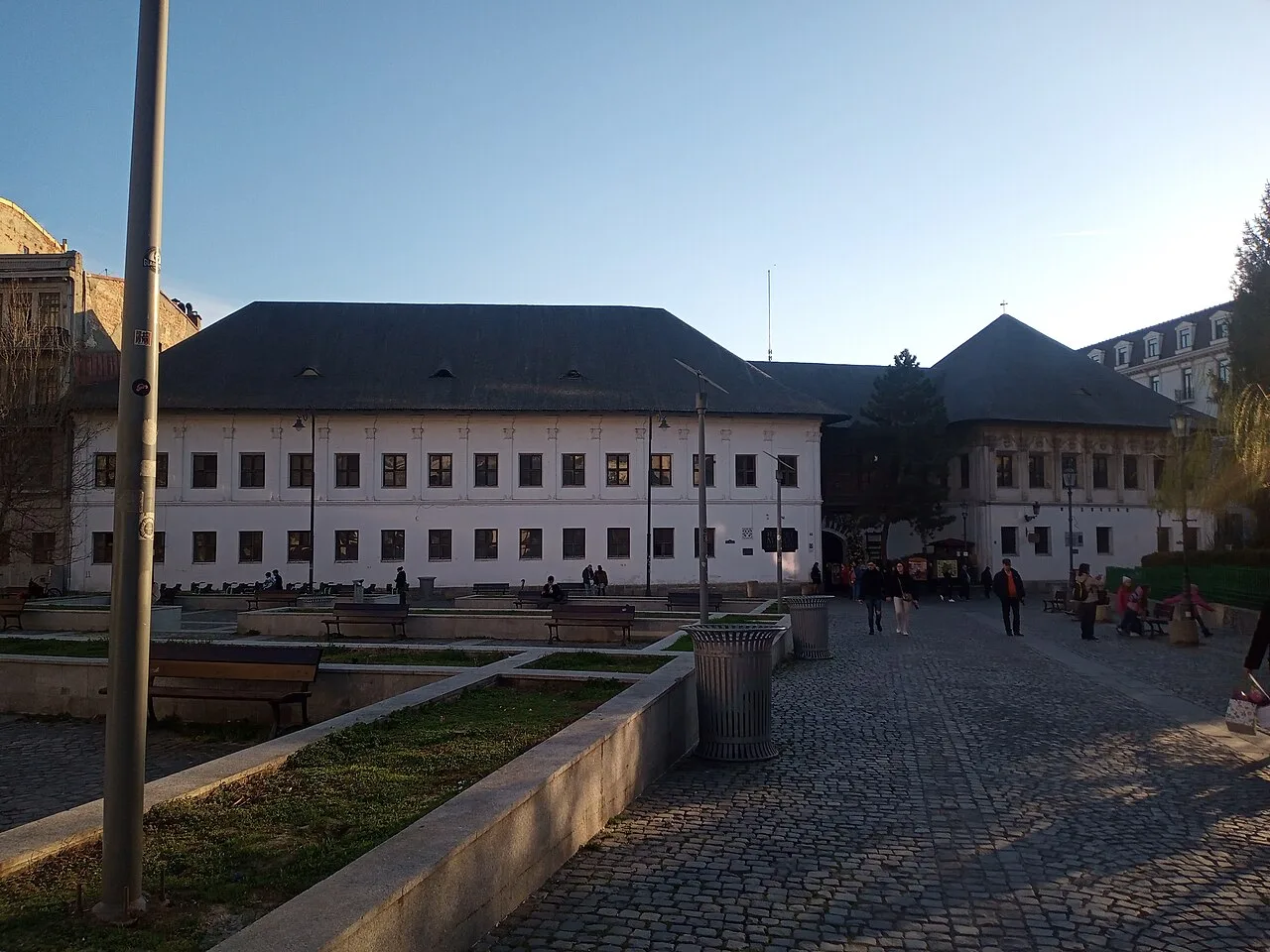
Yes, but temper expectations: this isn’t a Prague-scale medieval quarter, it’s a compact knot of restored 19th-century streets that swings from quiet boutique-shopping by day to Bucharest’s loudest nightlife after dark. The name Lipscani comes from the traders who brought goods from Leipzig, and the lanes still follow the old commercial layout. Give it two or three unhurried hours and hunt down a few specific things rather than just drifting.
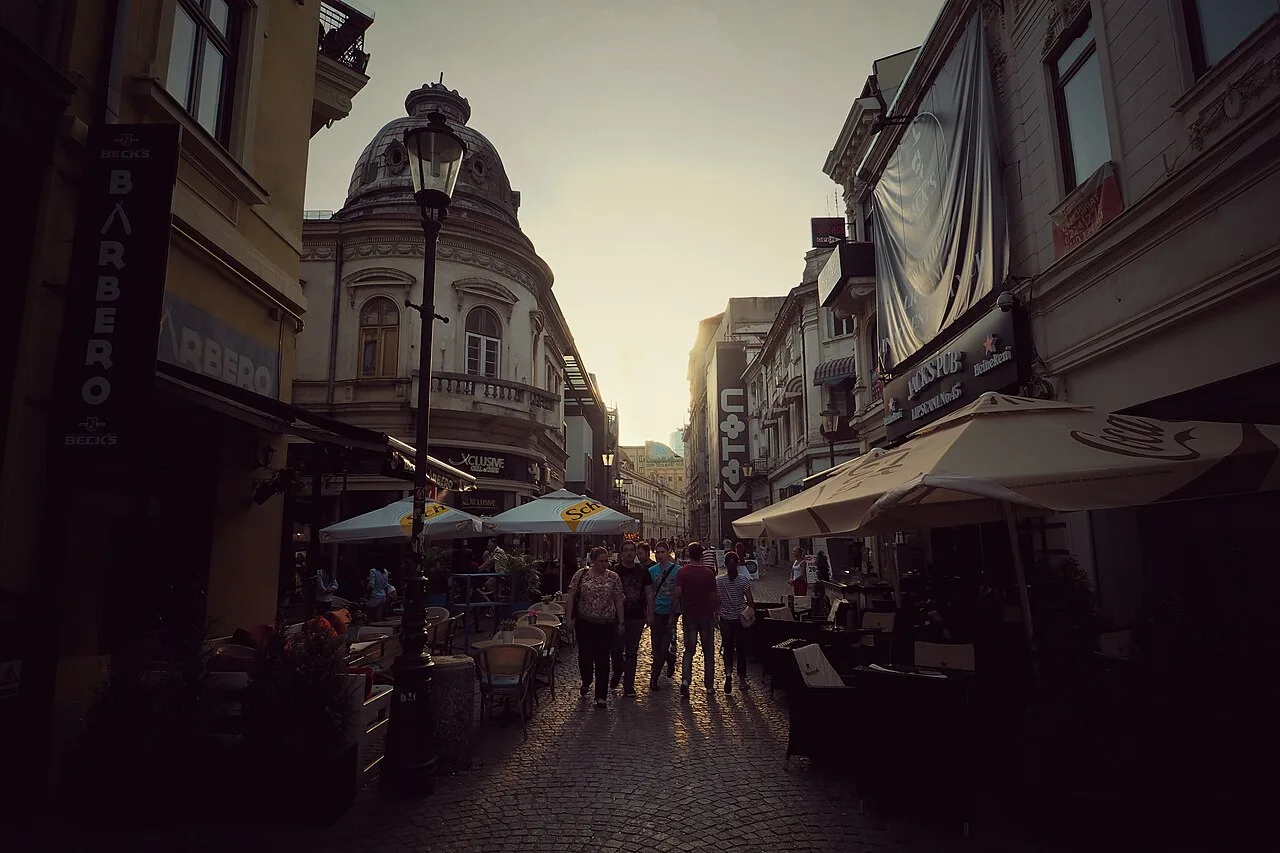
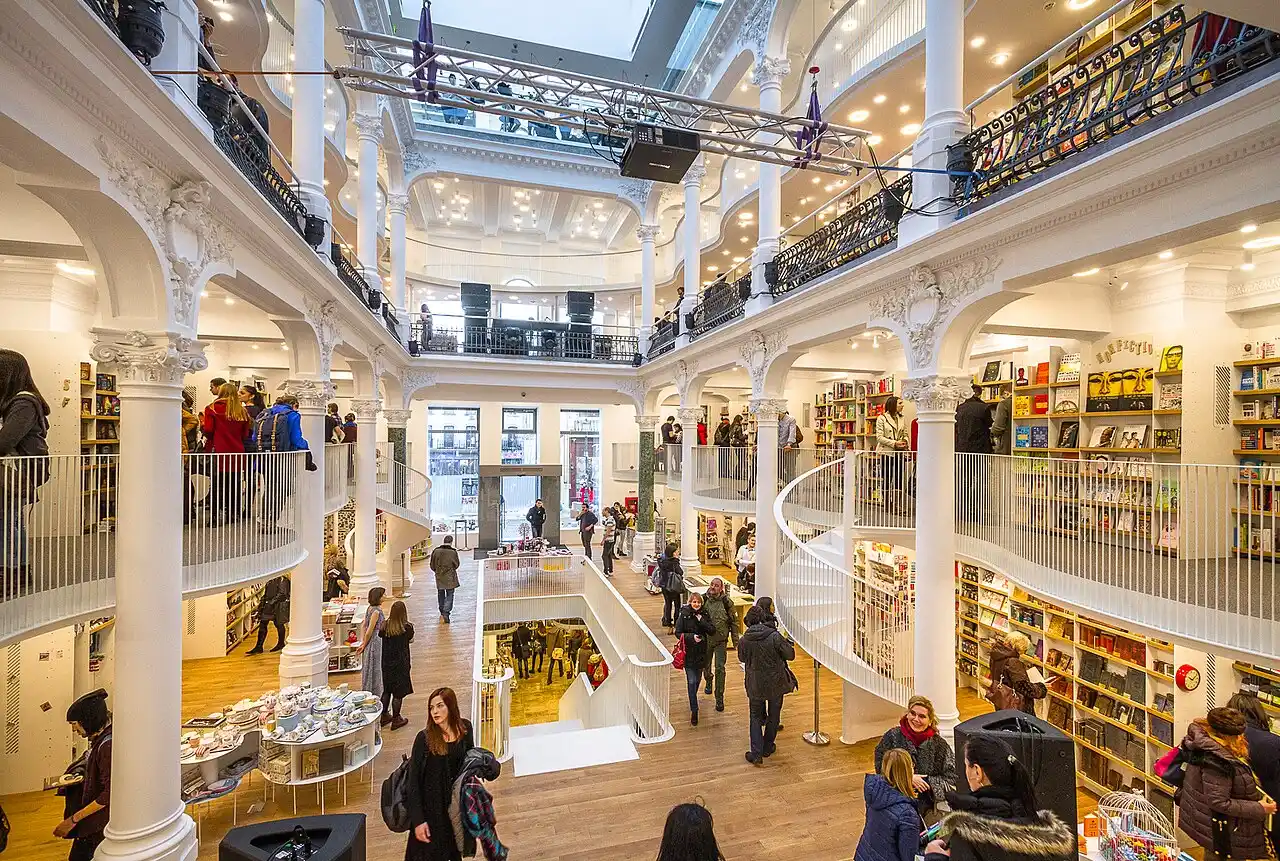
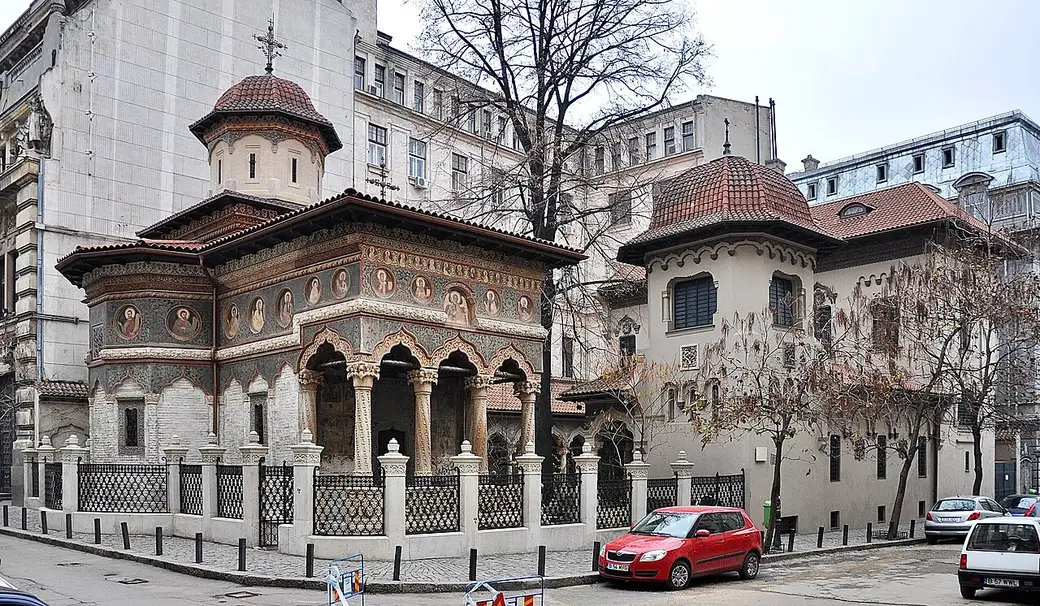
The one you shouldn’t skip is Stavropoleos Church, a tiny 1724 monastery church in the delicate Brancovenesc style, with a carved stone porch and a quiet arcaded courtyard that feels sealed off from the noise a block away. Step inside for the frescoes; it keeps one of the country’s largest collections of old Byzantine music manuscripts. A two-minute walk away is Carturesti Carusel, a bookshop set inside a restored early-1900s building put up by the Chrissoveloni banking family - all white spiral galleries and light - and one of the prettiest interiors in the centre even if you buy nothing.
For a sense of the district’s trading past, find Manuc’s Inn (Hanul lui Manuc), a galleried caravanserai from 1808 built by an Armenian merchant and often called the oldest operating inn in the city; its wooden balconies wrap a big inner courtyard that’s now a restaurant, which makes it a good, atmospheric lunch stop. With energy for one sit-down meal in the Old Town, this is a defensible pick - our best restaurants in Bucharest guide ranks it against the rest of the city, and our Romanian food guide covers what to order, from sarmale to a plate of mici off a market grill.
Is the Village Museum worth the trip north?
This is the one attraction I would push people toward even on a short visit, because it does something the rest of the city can’t. The Dimitrie Gusti National Village Museum is an open-air museum on the shore of Lake Herastrau: real farmhouses, wooden churches, windmills and gates were dismantled in villages across Romania and rebuilt here on more than ten hectares. It opened in 1936 and now holds 123 authentic homesteads and hundreds of monuments, so a slow loop is genuinely like walking through the country’s regions in an afternoon - Maramures woodwork, Danube-delta reed roofs, painted Oltenian porches, all in one place.
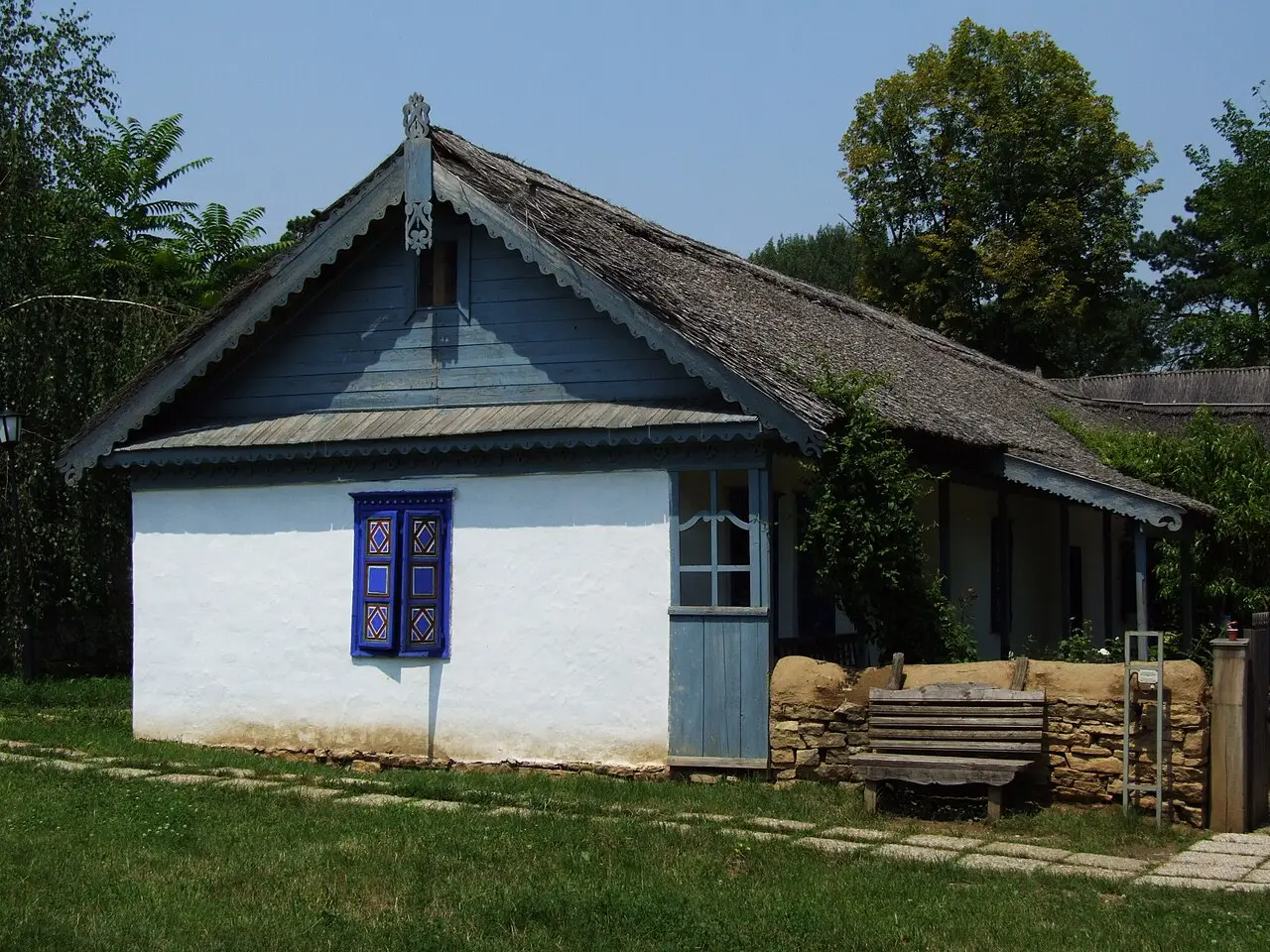
Admission is 40 lei for adults, 20 for pensioners and 10 for students, with under-sixes free (checked July 2026 on the museum site). Here is the money-saver most guides miss: entry is half price on Mondays and Tuesdays, which is unusual - many museums close those days, this one discounts them. The last ticket sells an hour before closing, and hours shift by season, so confirm the current program on muzeul-satului.ro before a late-afternoon visit. Budget at least ninety minutes; two hours if you like reading the placards. Travelling with kids? Our Romania with kids guide rates this the best family stop in the capital, and covers which day to pick for the half-price ticket without hitting a closed house.
What is there to do in Herastrau park?
The Village Museum sits inside the same green space as Herastrau, officially King Michael I Park since 2017, and the two make a natural half-day. This is the big one: about 187 hectares wrapped around a 74-hectare lake, and locals treat it as the city’s back garden. Rent a rowboat or a pedal boat for a few lei an hour in the warm months, walk the lakeside promenade, or just find a bench - it’s the easiest place in Bucharest to switch off after the intensity of the Parliament tour.
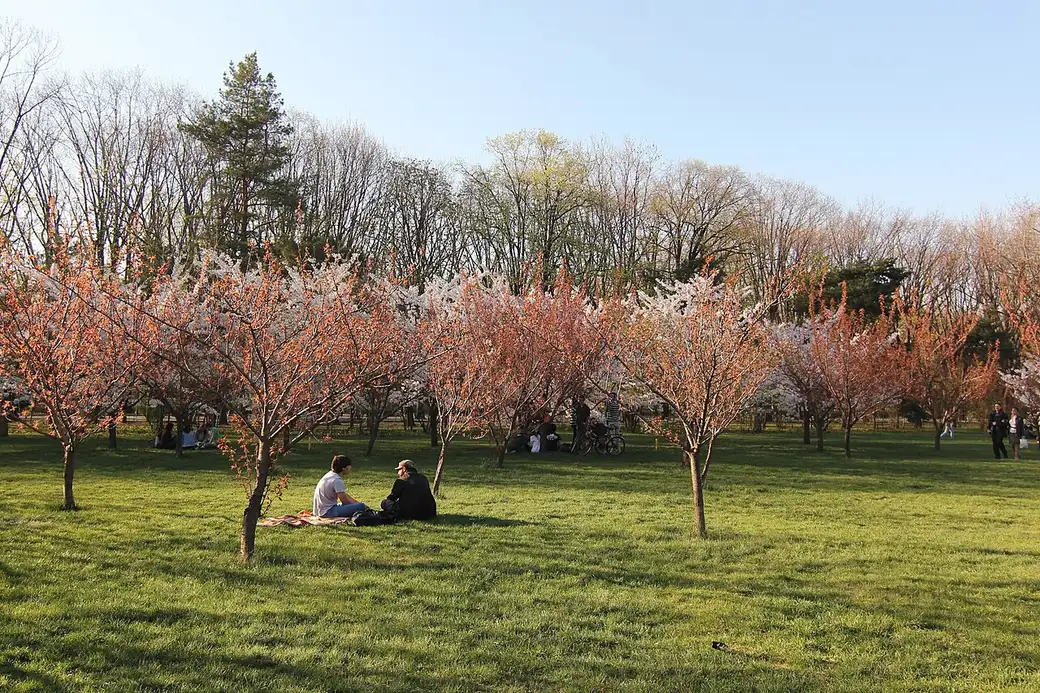
The park’s quiet highlight is the small Japanese Garden, which is unremarkable most of the year and genuinely lovely for the two weeks when the cherry trees flower, usually late March into April. If your trip lines up with that window, put it on the list; if not, don’t go out of your way. Entry to the park is free either way.
What else if you have a third day?
With more time, the walk up Calea Victoriei stitches the best of the rest together. The Romanian Athenaeum, a domed 1888 concert hall, is the home of the George Enescu Philharmonic and worth timing a concert around; even from outside, the columned facade is the prettiest building on the boulevard. Nearby Revolution Square is where the 1989 revolution reached its climax and Ceausescu made his last public speech from a balcony - stand there and the Parliament tour suddenly reads as history rather than spectacle. Detour to the CEC Palace for its glass dome, and to Cismigiu Gardens, the oldest public park in the city, for a shadier alternative to Herastrau right in the centre. Cap a warm evening at the Arcul de Triumf on Kiseleff Road, Bucharest’s own smaller answer to Paris. Most people only see it from the street, which is free, but you can climb the 164 steps to a viewing terrace: it opens Tuesday to Sunday, 10:00 to 18:00 in the summer season (later at weekends) and 09:00 to 17:00 in winter, closed Mondays year-round. Tickets are 15 lei for adults and 8 for students, and there’s a small museum on the way up.
How long do you need, and how do you get around?
Two days covers the shortlist properly: the Parliament, the Old Town, the Village Museum and Herastrau, without rushing any of them. Exactly how to split those across two days - what goes in the morning, where lunch falls, when to trade the Arch for Therme instead - is a separate question, and our Bucharest in 2 days itinerary answers it hour by hour so you don’t have to plan it yourself. Three days adds breathing room: a proper concert at the Athenaeum, or a lazy lakeside afternoon instead of a scheduled one. If you’re pairing the capital with the mountains and castles, the easiest next stop is Brasov, about 2.5 hours north by train; our things to do in Brasov guide and Romania 7-day itinerary loop out of Bucharest through Transylvania and back, and our attractions guide goes deeper on individual sights. For shorter escapes you can do in a day, our day trips from Bucharest guide ranks them from Peles Castle to the Therme thermal spa just past the airport. Bucharest is also the gateway to the north and east beyond the castle circuit: if you want wilderness, the Danube Delta is about 300 km away, a two-to-three-day trip to Tulcea for pelicans and reed channels, and if you want medieval art, the UNESCO painted monasteries of Bucovina sit up in the northeast around Suceava.
Getting in from Henri Coanda airport (OTP) is straightforward - and worth getting right on night one. The express Bus 100 replaced the old 783 line and runs to the centre in about forty minutes for 3 lei; the train to Gara de Nord is about 6.5 lei and 25 minutes. A taxi or Bolt runs about 60-130 lei - use the official machines or an app, not touts in the hall. Full prices, traps and the option of skipping Bucharest for a direct Otopeni-to-Brasov shuttle are in our guide to getting from Bucharest airport to the city. If you would rather skip the guesswork after a late flight, a fixed-price airport transfer drops you at the door. Around town, the metro and the STB buses and trams cost only a few lei a ride (pay by contactless card on many validators); the centre itself is walkable end to end.
For where to sleep, staying near the Old Town or Piata Universitatii keeps you walking distance from most of day one; our guide to where to stay in Bucharest breaks down each neighbourhood, and you can compare hotels in central Bucharest early, as the centre fills up in summer. And since Romania is outside the eurozone, sort a little cash and a card that does contactless - between park boat hire, small museum fees and the metro, you’ll use both. A basic travel insurance policy rounds out the practical side.
Photos
On the map
The map loads on click - to keep the page lightweight.
The map didn’t load. Check your connection and refresh the page.
Admission and opening hours
- Admission price
- Palace of the Parliament from about 60 lei; Village Museum 40 lei (adults)
- Opening hours
- Palace: guided tours only, passport/ID required; Village Museum grounds daily, but the houses and exhibition halls are shut Monday and Tuesday (ticket half price on those days), last ticket 1h before close
Prices and hours change - confirm on the official sites (cic.cdep.ro, muzeul-satului.ro) before you go.
Details checked: July 26, 2026
Read also

Cities · 13 min read
Predeal: Romania's Highest Ski Town
Verified · September 3, 2026Predeal sits at 1,030-1,110 m on the Bucharest-Brasov line: Clabucet ski, the town itself, and how it stacks up against Sinaia and Poiana.

Cities · 10 min read
Suceava Travel Guide: Fortress & Bucovina Gateway
Updated · August 25, 2026Things to do in Suceava: Stephen the Great's fortress, the UNESCO Saint John monastery, village museums, and using the city as a base for Bucovina.

Cities · 9 min read
Where to Stay in Sighisoara: Citadel or Lower Town
Verified · August 24, 2026Where to stay in Sighisoara: citadel vs Lower Town, price bands in lei, parking, the medieval festival, and who should sleep inside the walls.

Cities · 11 min read
Where to Stay in Timisoara: Best Areas & Hotels
Verified · August 19, 2026Where to stay in Timisoara: Cetate vs Fabric vs Iosefin vs Circumvalatiunii - who each suits, walk times, prices in lei, and getting in from the airport.