
Danube Delta by Boat: Tulcea, Channels & Birds
A 2-day Danube Delta itinerary by boat: from Tulcea to Crisan, Mila 23, Letea and Sulina, with dawn bird safaris and where to sleep in the reeds.
The best way to see the Danube Delta in two days is to stop treating Tulcea as a base and get out into the reeds. This route runs by boat from Tulcea down to Crisan, out to the Lipovan village of Mila 23, across to the wild dune forest at Letea, and down to Sulina where the Danube meets the Black Sea, before turning back up the channel. You sleep one night in the delta itself, at Crisan, so you’re on the water at dawn and dusk when the birds actually feed. It works from roughly May to September, and May is the pick for pelicans.
Here is how it actually works. The wildlife lives in the narrow side-channels that the big public ferry can’t enter, and it’s busiest in the first and last light of the day, neither of which you can reach on a day return from Tulcea. So the whole trip hinges on one decision: base in the delta, not at its edge. Whether you do that on the cheap public ferry plus local boatmen, or splash out on a private guided boat, is covered in our Danube Delta guide along with the permit; this page is the two-day route itself, pier by pier.
How the route works by water
There are almost no roads out here. Once you leave Tulcea the delta runs on boats, so distances are measured along the channels and your “car” is either the Navrom passenger ferry or a hired motorboat. The trip is a rough out-and-back down the middle, or Sulina, arm of the Danube: about 47 km from Tulcea to Crisan, another 14 km up the Old Danube to Mila 23, then north and east to Letea and down to Sulina, with a straight 71 km run back up the channel to Tulcea at the end.
Everyone needs an ARBDD access permit for the reserve, which is a few lei and usually folded into an organised boat price; the detail is in the guide, so don’t let it become a hurdle. The one rule that shapes the whole plan is timing. Book a bed on the waterfront in Tulcea for the night you arrive, because the good boats leave in the morning and you don’t want to burn your first day getting here. If the drive or the train from Bucharest sounds like a chore, a fixed-price transfer takes you straight to the Tulcea waterfront and makes the early start painless.
Day 1: Tulcea to Crisan, then Mila 23 at dusk
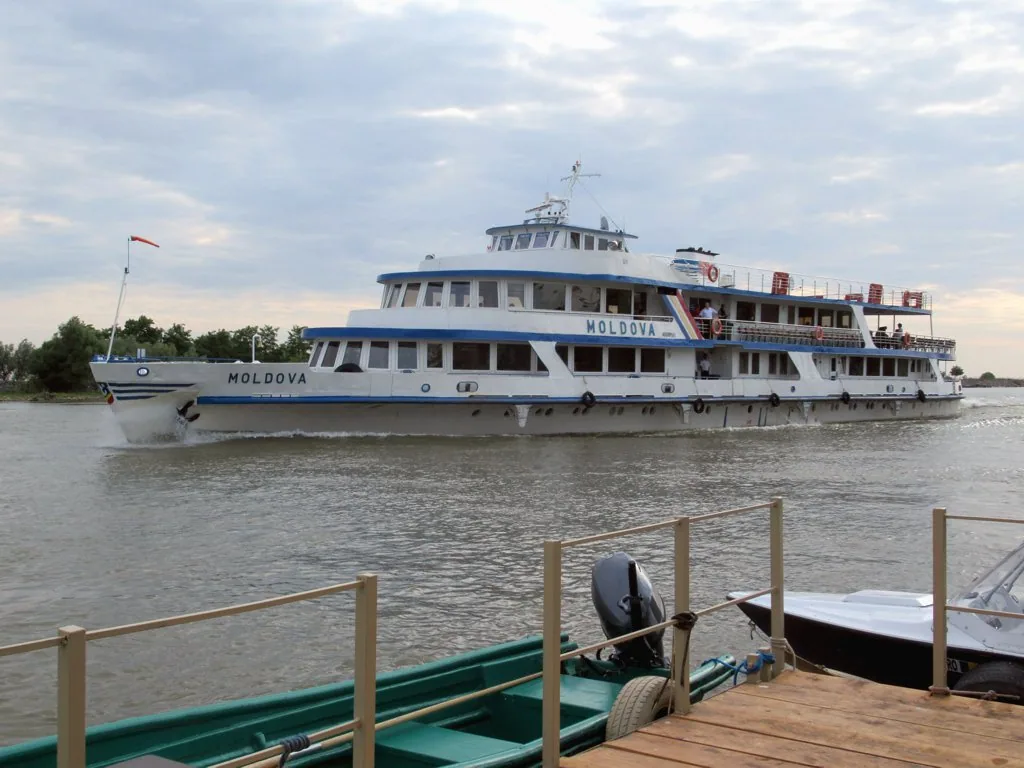
Take a morning boat down the Sulina arm to Crisan, about 47 km and, on the slow Navrom ferry, a couple of hours of gentle river with pelicans overhead and fishing huts on the banks. Crisan is the sensible mid-delta base: a string of guesthouses along the water, an ARBDD information point, and, crucially, local boatmen who can tell you which channels are actually holding birds that particular week. Drop your bag, eat some fresh fish, and hire a small boat for the afternoon rather than sitting on the ferry timetable.
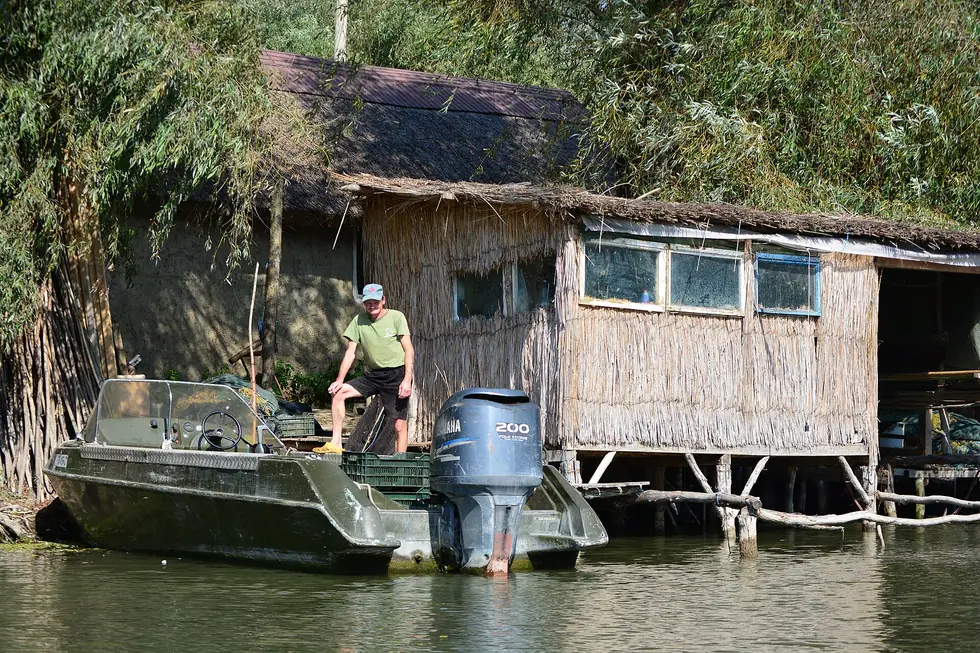
Point that boat up the Old Danube to Mila 23, 14 km off Crisan. This is a Lipovan village - Russian Old Believers who fled here centuries ago and still fish the meanders - reachable only by water, its houses strung along the old river loops. It’s the home village of the canoe-sprint legend Ivan Patzaichin, and the water around it’s prime backwater birding: herons and egrets stalking the shallows, cormorants on the snags, and, if the skipper knows a good lake, pelicans loafing on open water. Aim to be out here into the late afternoon, because the light softens and the birds get busy as the day cools. Back at Crisan for the night, you’re perfectly placed for a dawn run.
Day 2: Letea’s horses and the end of the Danube
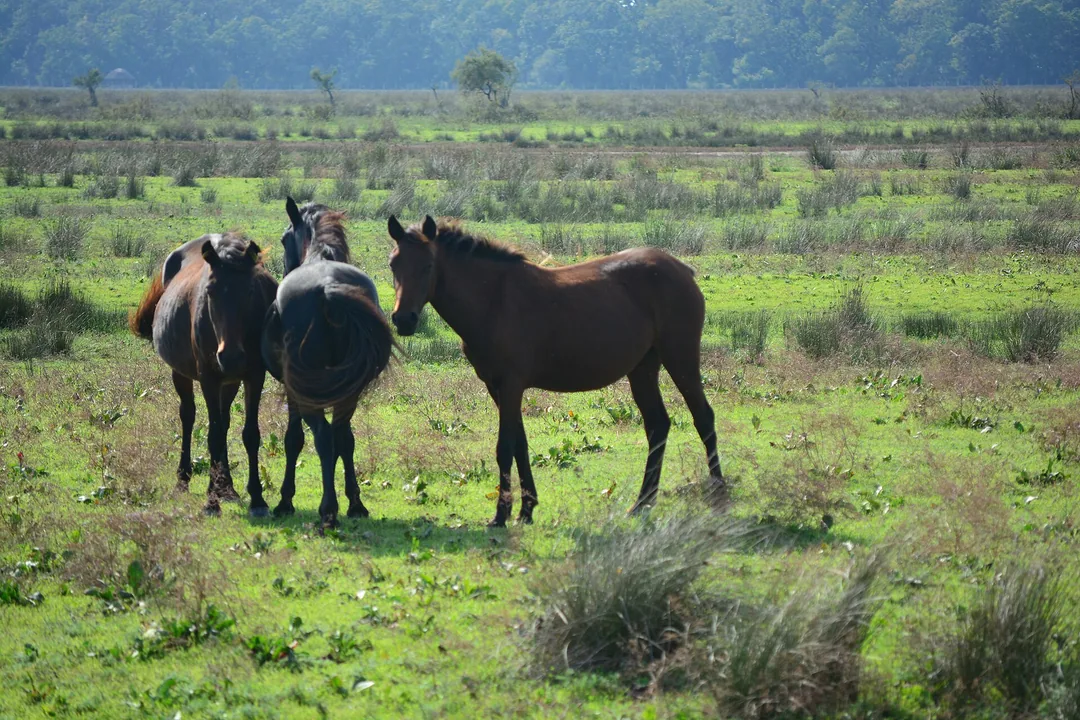
Get up for the dawn boat - this is the run you came for, when the channels are glassy and loud with birds. From Crisan you have two ways to touch the delta’s strange dune forests. Letea, to the north, is the famous one: a band of ancient oak and ash growing on old sand dunes, some trees said to be over 500 years old, tangled with wild vines so it looks almost subtropical, and grazed by herds of semi-feral horses. Getting there takes real effort - a boat to a village, then a local vehicle for the last stretch - and parts of the strict reserve need a guide on top of that. Awkward access is the only reason anything here is still wild. If you would rather keep it simple, Caraorman is the other dune forest, easier to reach on a scheduled Navrom boat straight from Crisan.
Then swing down to Sulina, the easternmost point in Romania and this route’s last stop before the run back. It’s Mile 0, where engineers once started measuring the river and where the Danube finally spills into the Black Sea; our Danube Delta guide covers the free-port history and the stranded lighthouse in full if you want the backstory. For this trip, treat it as a leg-stretch: walk the waterfront, swim off the beach if it’s warm enough, stand where the river actually ends, then catch the boat back.
The run back to Tulcea is about 71 km straight up the Sulina channel: roughly four hours on the slow Navrom ferry, or about 90 minutes if you have hired a private speedboat. Either way you end where you started, on the Tulcea waterfront.
Timing the birds, and the mosquitoes
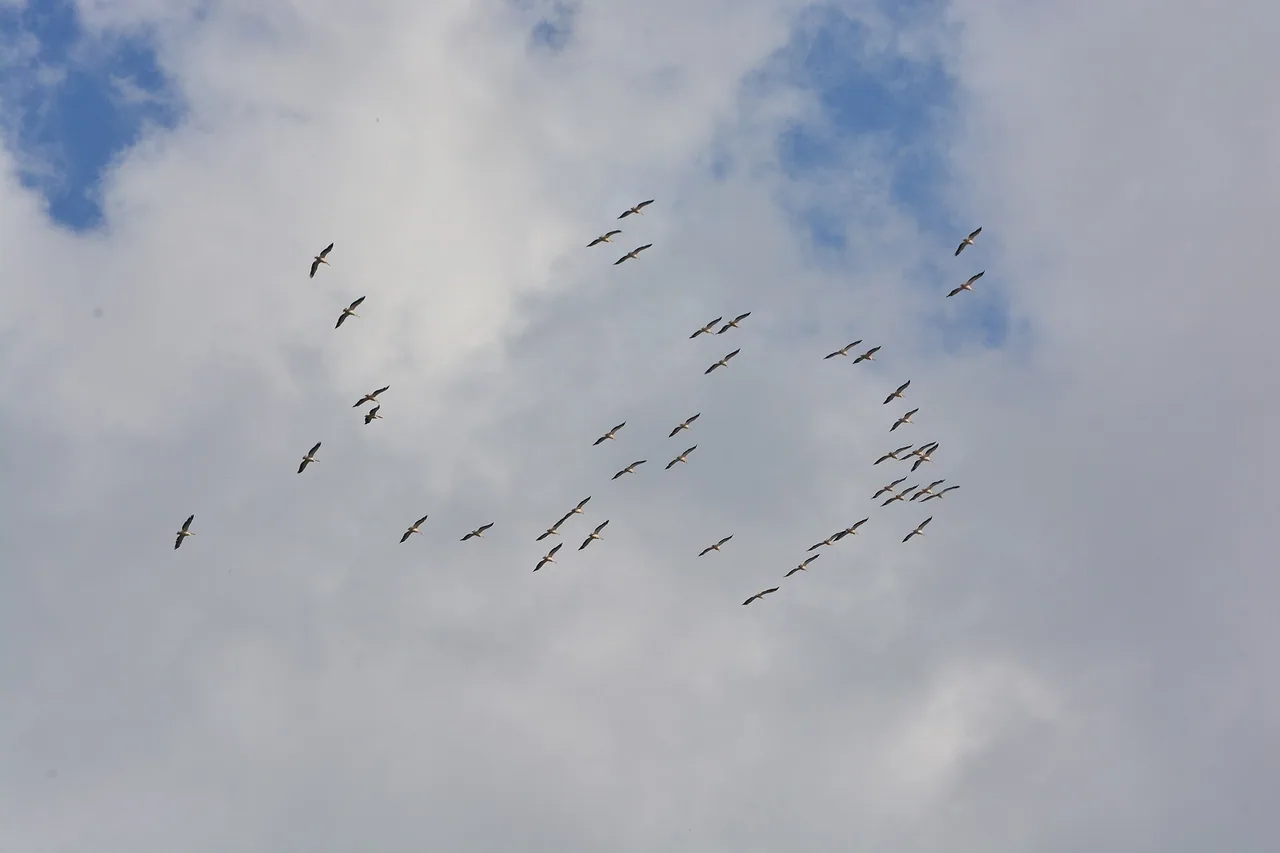
Bird numbers and the full species list are covered in our Danube Delta guide; what matters for this specific route is that its two dawn-and-dusk stops - the evening run to Mila 23, the early boat on day two - only pay off inside that same window, roughly late April to September, with May the peak for pelicans. Outside those months the whole structure of this itinerary loses its point, since there simply isn’t as much to see at first and last light. If you’re lining the delta up against the rest of a trip, our best time to visit Romania sets this window against the coast and the mountains.
Comfort is what you trade for timing it right. High summer is hot and thick with mosquitoes on the water, though it’s the easiest season for boats and the only one where swimming off Sulina makes sense. Cover up for the channels and don’t leave the binoculars at home - on this route, the whole point of the early alarm is that one hour after dawn.
What it costs, and a few practical notes
The delta is cheap once you are on the public network and pricier the moment you go private. The Navrom ferry from Tulcea to Sulina runs about 46-60 lei on the classic boat or 56-70 on the faster catamaran; Tulcea to Crisan is around 32 lei, and the short local hops from Crisan to Mila 23 or Caraorman about 18-25. A private guided boat costs a lot more but is what actually buys you the backwaters, and the price is negotiated, so agree it on the jetty. The reserve permit is a few lei on top. These are Navrom’s current published fares, but the operator revises its boats and timetables by season, so double-check navromdelta.ro before you commit to a departure.
Two practical things trip people up. First, cash: the leu is what you’ll actually spend here, not the euro, and once you leave Tulcea the card machines vanish - a village boatman or guesthouse wants notes in hand. Second, this is a deliberate detour, not a quick add-on to the Transylvanian castles; it sits in the far east of the country and deserves the two days. Pairing it with the coast is the natural add-on: Constanta and the Black Sea beaches sit a couple of hours south of Tulcea, so plenty of people knock out the Roman ruins and Mamaia first and treat this route as the second half of the trip. If you’re mapping the whole country, the Romania 7-day itinerary shows where the delta slots in as a wild extension, and Bucharest is almost certainly where your flight lands before any of this starts. Base in the reeds, be on the water at first light, and take the repellent as seriously as the notes. The delta gives nothing back to efficiency - the two days work precisely because you spend them at the speed of a boat with the engine off.
For the coast-to-delta drive before the boats, see the Black Sea to Danube route.
Route day by day
- Days on the road
- 2
- Distance
- ≈181 km
- Budget from
- 600 RON
- Best season
- May, June, July, August, September
The route at a glance
-
Tulcea (launch port)
Route startstop ≈60 min
The gateway city where every trip starts. Arrive the night before, sleep on the waterfront, sort the ARBDD permit, and board a morning boat from the Navrom port.
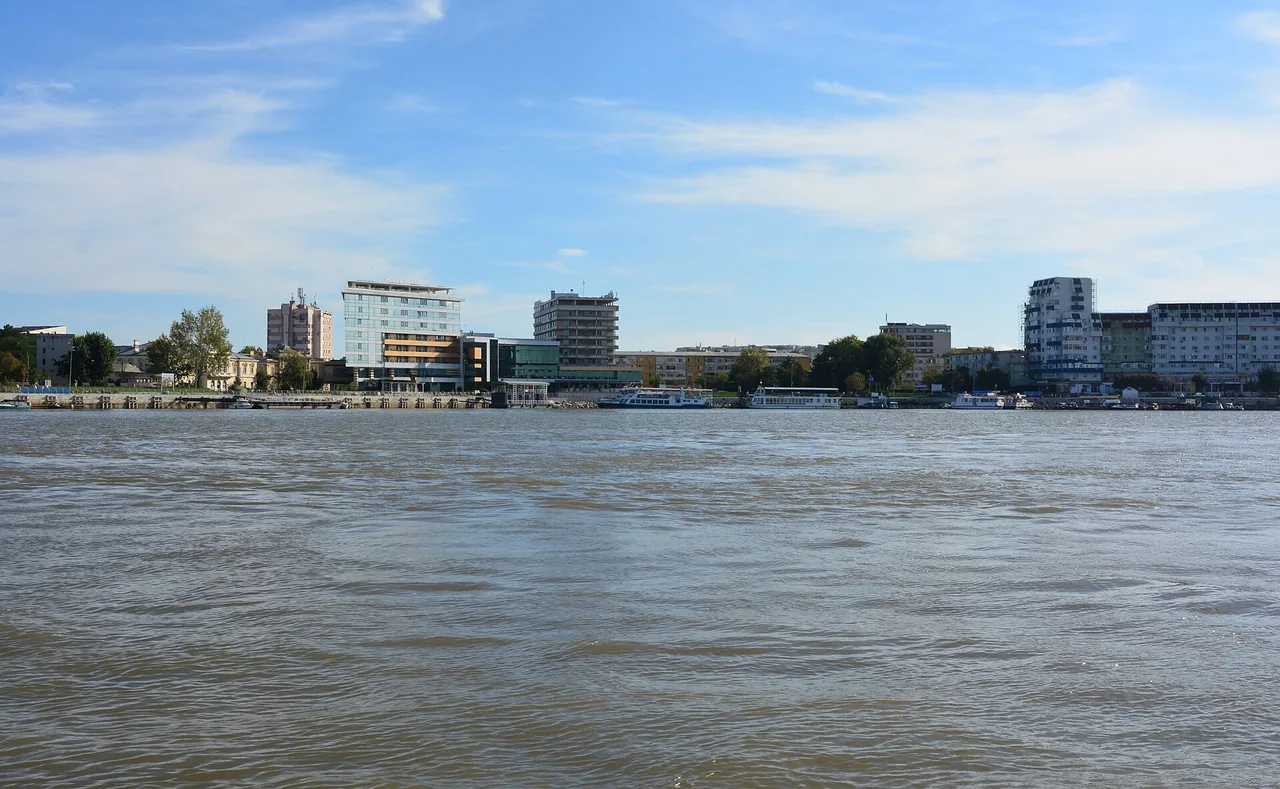
Photo: Joe Mabel / Wikimedia Commons, CC BY-SA 4.0 ( source) -
Crisan
47 km from the startstop ≈180 min
The mid-delta base on the Sulina arm, about 47 km down from Tulcea. Guesthouses, an ARBDD info point, and local boatmen who run the backwaters. Sleep here for the dawn birds.
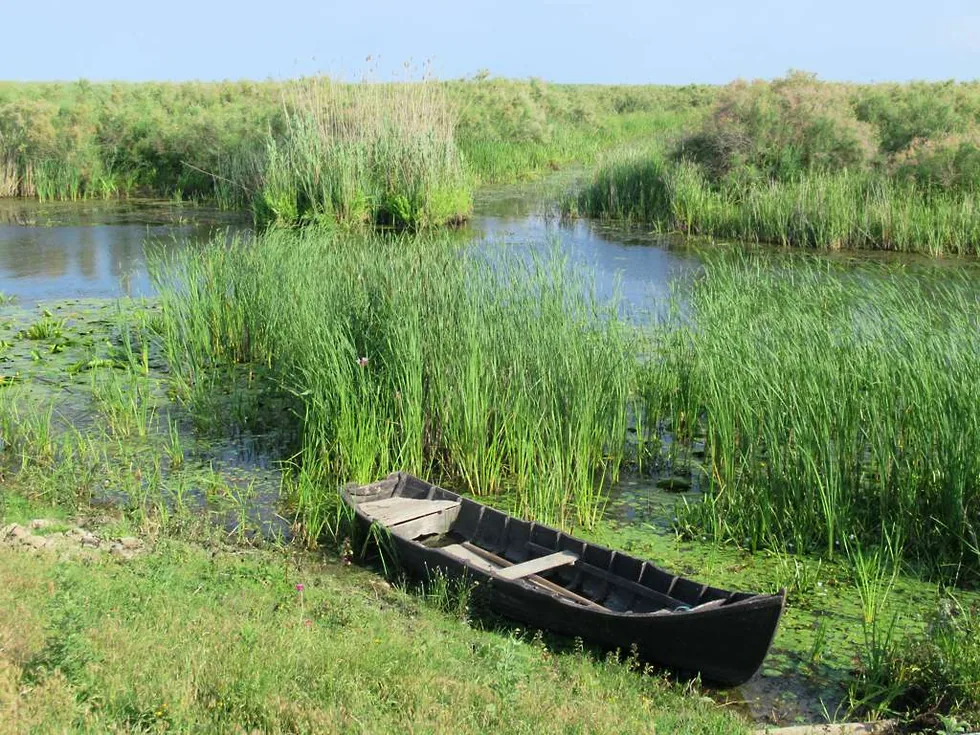
Photo: David Stanley / Wikimedia Commons, CC BY 2.0 ( source) -
Mila 23
61 km from the startstop ≈120 min
A Lipovan fishing village on the meanders of the Old Danube, 14 km off Crisan and reachable only by boat. Classic backwater birding, best at dusk.
Photo: Joe Mabel / Wikimedia Commons, CC BY-SA 4.0 ( source) -
Letea (or Caraorman) forest
78 km from the startstop ≈120 min
The sand-dune forest: 500-year oaks, wild vines and semi-feral horses. Letea is the wilder northern one (parts need a guide); Caraorman is the easier dune forest reached from Crisan.
Photo: Joe Mabel / Wikimedia Commons, CC BY-SA 4.0 ( source) -
Sulina
110 km from the startstop ≈120 min
The easternmost town in Romania, at Mile 0 where the Danube meets the Black Sea. A former free port with an old lighthouse now stranded inland and a quiet sandy beach.
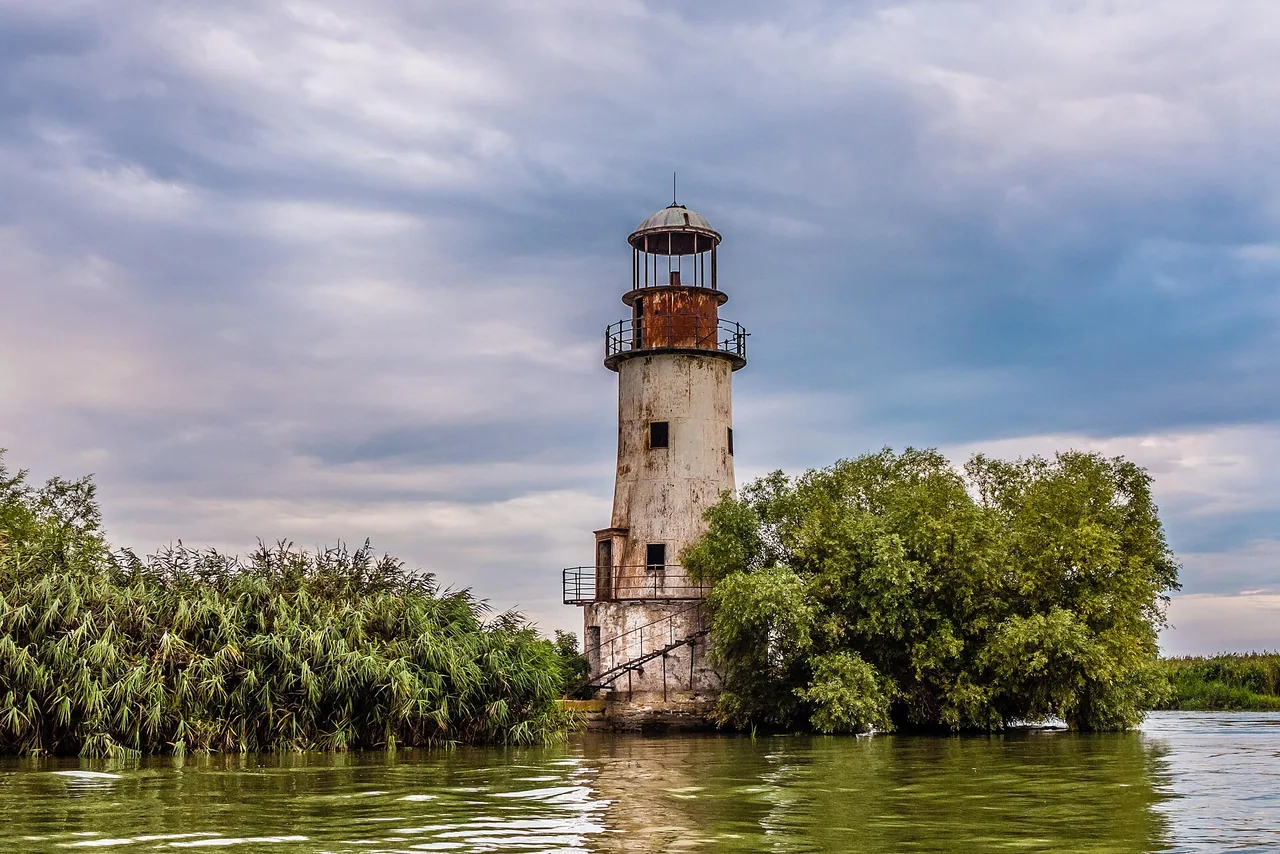
Photo: ValentinManus / Wikimedia Commons, CC BY-SA 4.0 ( source) -
Tulcea (return)
181 km from the startstop ≈0 min
Back up the Sulina arm to Tulcea, about 71 km by the straight channel. The slow Navrom ferry takes roughly four hours; a private speedboat does it in about 90 minutes.
Route map
The map with stops loads on click - to keep the page lightweight.
The map didn’t load. Check your connection and refresh the page.
Admission and opening hours
- Admission price
- ARBDD reserve permit about 5 lei per day or 15 lei per week per person. Navrom ferry Tulcea to Sulina about 46-60 lei on the classic boat, 56-70 lei on the catamaran; Tulcea to Crisan about 32 lei; Crisan to Mila 23 or Caraorman about 18-25 lei. A private guided boat is negotiated - agree the price before you set off.
- Opening hours
- The delta is open all year; Navrom runs a seasonal timetable (high season 19 June to 14 September). Best birdwatching is roughly late April to September, with May the peak for pelicans.
Fares come from Navrom published lists and change by season - confirm the current timetable and price on navromdelta.ro and the permit tariff with the ARBDD office in Tulcea before you travel. Prices checked July 2026.
Details checked: July 19, 2026