
Money in Romania: Currency, Cards & Costs (RON)
Romania uses the leu (RON), not the euro. Straight answers on cash vs cards, ATMs, the DCC trap, exchanging money, tipping and what things cost in lei.
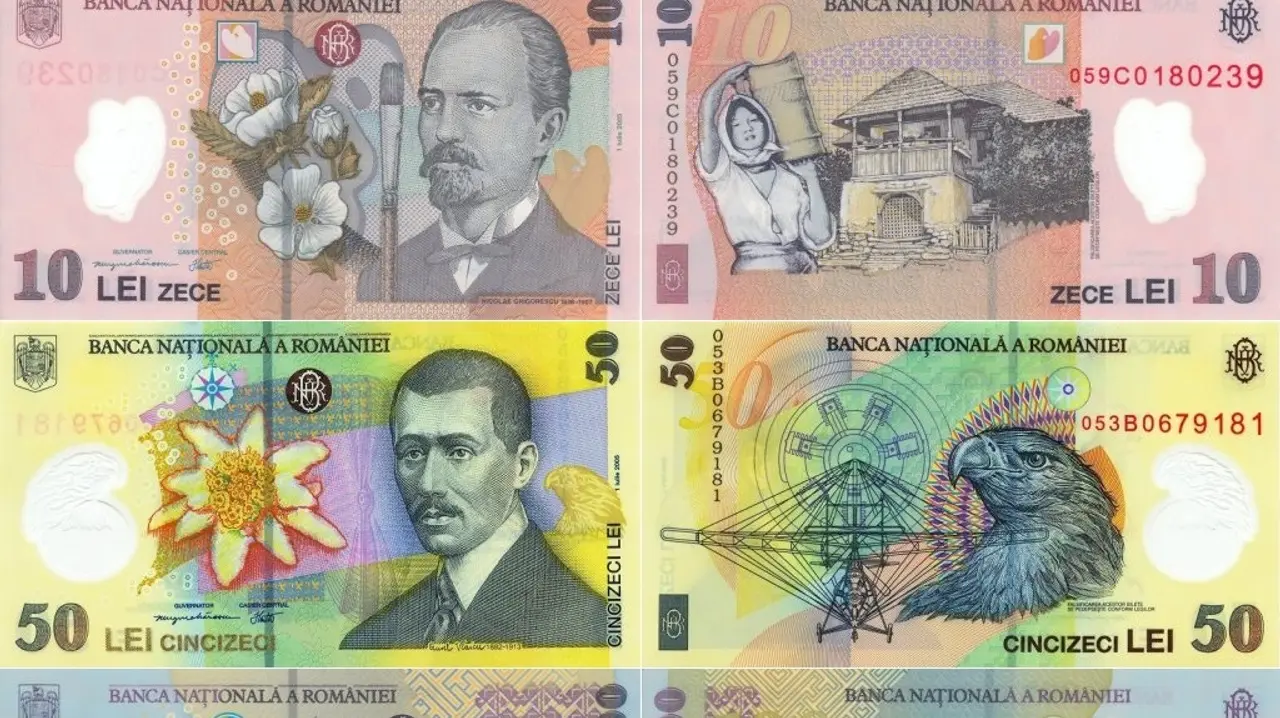
Romania uses the Romanian leu (currency code RON, written lei in the plural), and it does not use the euro. Cards work almost everywhere in the cities, but you still want some cash for markets, small towns and tips. The single most useful habit you can build is to always pay and withdraw in lei, never in your home currency, because the “convert for me” option hides a bad exchange rate. Get that one thing right and Romania is a cheap, easy country to spend money in.
The rest trips people up in predictable ways: they bring euros expecting to spend them, they get stung by a yellow airport ATM, or they tip on a card and the waiter never sees it. Here is how the money actually works on the ground, from the notes in your wallet to what a beer costs.
What currency does Romania use?
Romania’s currency is the leu (plural lei), divided into 100 bani. It’s issued by the National Bank of Romania, the Banca Nationala a Romaniei, one of the oldest central banks in Europe. You’ll see the ISO code RON on exchange boards and card statements; the older code ROL belonged to the pre-2005 currency and is long dead.
Romania is in the European Union but not in the eurozone, and that catches a lot of visitors off guard. Its neighbour Bulgaria switched to the euro on 1 January 2026; Romania did not, and isn’t close. The country isn’t even in ERM II, the two-year exchange-rate waiting room you have to sit in first, and successive governments have kept pushing the target date back, most recently toward the end of the decade. For a trip in 2026 the practical upshot is simple: the leu is the only money that works here, so plan around lei, not euros.
Notes and coins you will actually handle
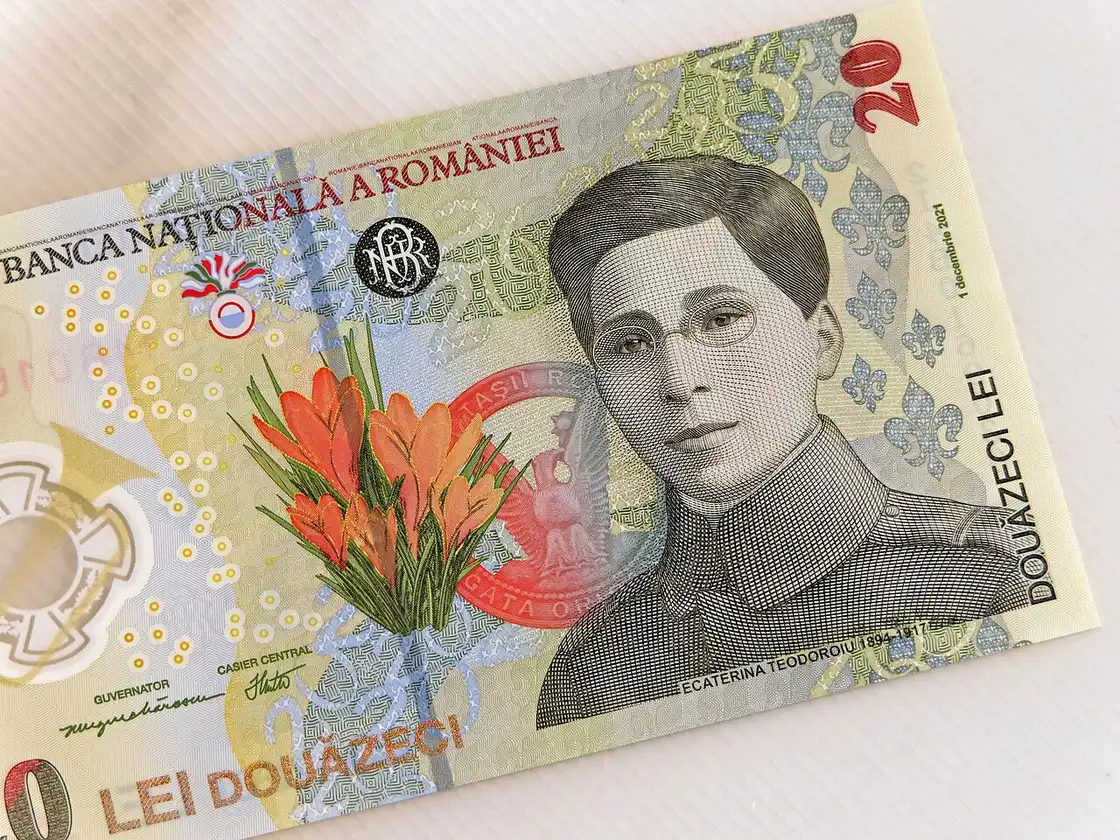
Banknotes come in 1, 5, 10, 20, 50, 100, 200 and 500 lei. Romania was the first country in the EU to print all its notes on polymer (plastic) rather than cotton paper, which is why they feel slightly slippery and shrug off a trip through the washing machine. Each is a different colour and carries a Romanian cultural figure, from the composer George Enescu on the 5 to the national poet Mihai Eminescu on the 500.
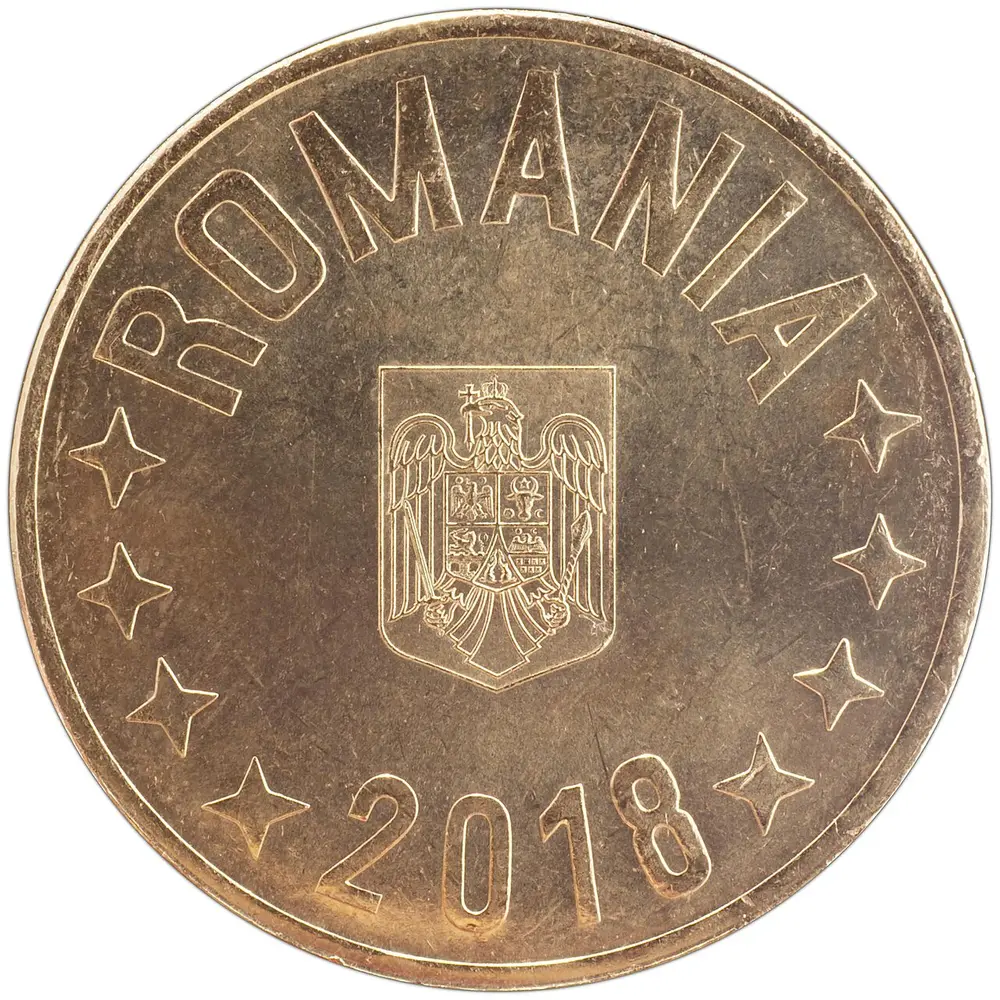
Coins are 1, 5, 10 and 50 bani. In practice the 1 and 5 bani are near-useless and often skipped; the 50 bani is the one you’ll use. A word of warning on the big notes: the 500 lei (worth nearly 100 euros) and even the 200 are awkward to break at a kiosk or a rural cafe. When you pull cash from an ATM, favour a machine that dispenses 50s and 100s over one that hands you a single 500.
Cash or card in Romania?
Card first, cash as backup. In Bucharest, Cluj, Brasov and the other cities, contactless Visa and Mastercard are accepted almost everywhere, right down to bakeries and market stalls, and Apple Pay and Google Pay are widely supported. You can genuinely spend days without touching a note.
Cash still earns its place, though, and you should carry a modest float of small lei for:
- Tips, which really want to be cash (more on that below).
- Small rural spots, village guesthouses and roadside stalls, where a card machine may be missing or “broken.”
- Public toilets, parking meters and small markets, the classic coin-and-small-note situations.
- Taxis, where the card reader has a habit of not working.
A reasonable approach for a one-week trip is to lean on your card for restaurants, hotels, fuel and supermarkets, and keep maybe 200 to 400 lei of small notes moving for everything else. If you’re heading into the mountains, the Danube Delta or the painted-monastery villages of Bucovina, draw a bit more while you’re still in the city, because ATMs get scarce fast once you’re off the main roads.
How to use ATMs without overpaying
Withdrawing lei from an ATM is almost always the cheapest way to get cash, better than any bureau de change and far better than bringing foreign notes to swap. But two things quietly cost tourists money, and both are avoidable.
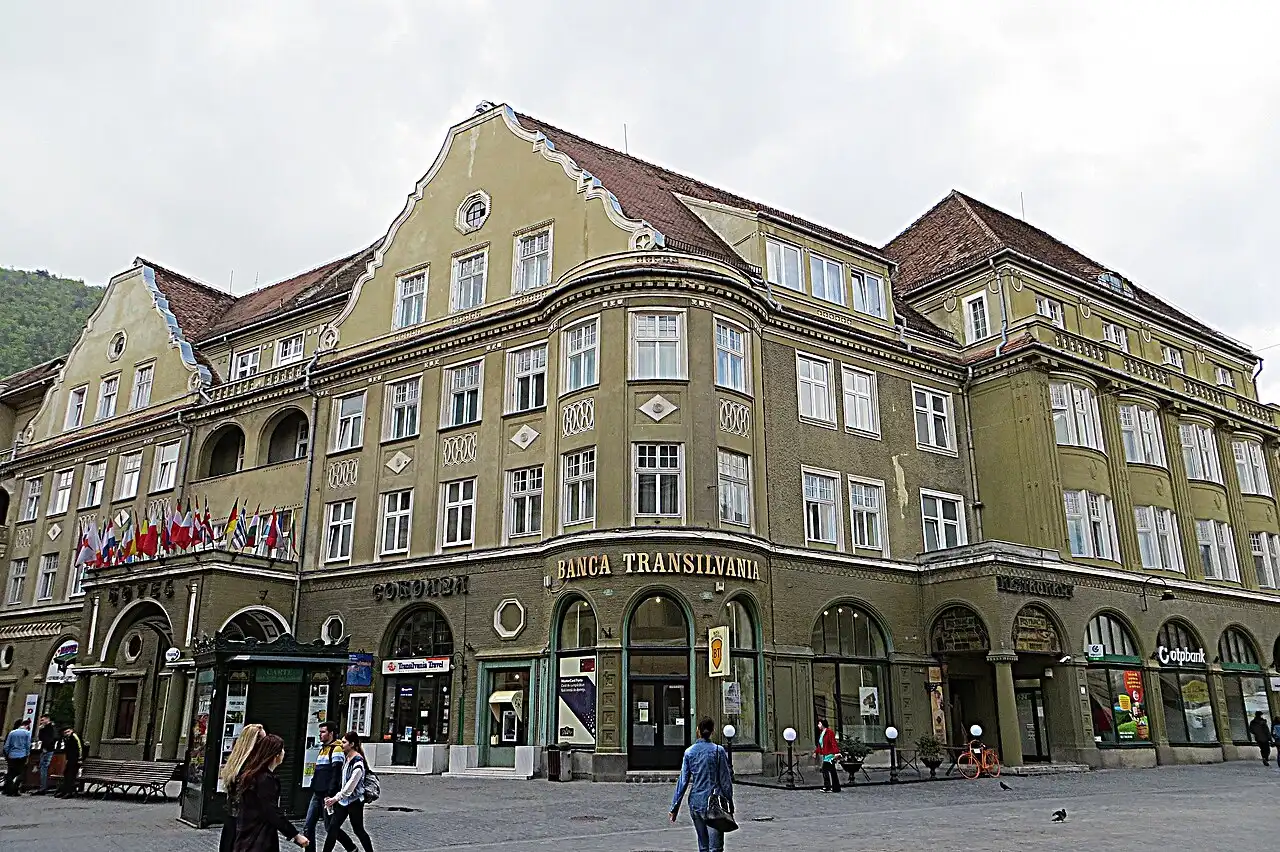
First, the yellow-machine trap. Standalone ATMs branded Euronet, the bright blue-and-yellow boxes that cluster in tourist zones, old towns and near stations, are notorious for poor exchange rates plus their own withdrawal fee. Consumer guides have measured markups on the mid-market rate running into double digits. Wherever you can, use an ATM attached to an actual bank branch, Banca Transilvania, BCR, BRD, ING, Raiffeisen or CEC Bank, which give you a fair rate and are also less likely to have been tampered with.
Second, dynamic currency conversion (DCC). When you withdraw, the screen will often ask whether you want to be charged in your home currency (“with conversion”) or in lei. Always choose lei. The “helpful” home-currency option lets the machine set its own lousy exchange rate and pocket the margin; let your own bank do the conversion instead and you’ll get a rate close to the real one. The exact same prompt appears on card terminals in shops and restaurants: if a waiter’s machine offers to bill you in pounds, dollars or euros, decline and pay in lei.
Where to exchange money (and where not to)
If you do want to change physical cash, skip the airport and hotel exchange desks, which reliably offer the worst rates in the country. Head instead to a casa de schimb valutar (exchange office) in a city centre. Look for a board that clearly states “0% commission,” and glance at the gap between the buy and sell prices, that spread is where they make their money. Compare it mentally against the official reference rate the National Bank publishes daily on bnr.ro, and if the office’s numbers are miles off, walk to the next one; in a city centre there’s always another within a block.
Honestly, though, most travellers don’t need to exchange cash at all. Arrive with your card and with working internet already sorted - eSIM options for Romania cover that - pull a first batch of lei from a bank ATM at the airport or in town, and repeat as needed. And never, ever change money with someone who approaches you on the street offering a “better rate”, that’s illegal and a straight-up scam.

Tipping in Romania: how much and how
Tipping is expected but modest. The rule of thumb is around 10 percent in a sit-down restaurant or bar, nudging to 15 for genuinely good service. Hospitality wages are low and tips matter, so it’s normal and appreciated, not optional the way it can feel in parts of Europe. Here is the quick version:
- Restaurants and bars: about 10 percent, or round up on a small bill.
- Cafes and takeaway you fetch yourself: not expected, though dropping your change in the jar is a kind touch.
- Taxis and ride-hailing: round the fare up, or add 5 to 10 lei.
- Food delivery: around 5 lei.
- Tour guides: roughly 10 percent; for a “free” walking tour, 50 lei or so per person is the going rate.
- Hotels: a few lei per bag for a porter, 5 to 10 lei a day for housekeeping, more at reception if they sort something out for you.
The important detail is how you tip: cash, in lei. Tipping on the card often doesn’t reach the staff, and even where the law says it should, it frequently doesn’t in practice, so servers strongly prefer cash. It’s one more reason to keep a few 5 and 10 lei notes on you. Leaving a euro coin does nobody a favour, they can’t spend it without paying to change it.
What things cost in lei
Romania is still one of the better-value countries in the EU, though prices have climbed. Here are ballpark 2026 figures to calibrate your wallet, all in lei and all worth confirming on the spot, since they drift with inflation and vary by city:
- Coffee: 10 to 12 lei for a flat white in a decent cafe, less for a simple espresso.
- Beer: 8 to 12 lei for a half-litre; cheaper in a neighbourhood bar, more on a tourist terrace.
- A night out: a beer at dinner is one line, cocktails and a club door charge are another - real evening prices are in Bucharest nightlife.
- A casual lunch: 40 to 60 lei for a main and a drink; a hearty bowl of ciorba (sour soup) plus sarmale (cabbage rolls) at a no-frills local place can land at 20 to 40 lei.
- Dinner for two with wine at a mid-range restaurant: often around 150 to 200 lei.
- City transport: a single 90-minute ticket on any Bucharest bus, tram, trolleybus or the metro is 3 lei (STB, the city operator); grab a rechargeable travel card and tap rather than buying single paper tickets. Other cities set their own fare, so check with the local operator as you go.
As a rough daily budget, a careful traveller can eat and get around on something like 140 lei a day, while a mid-range day sits nearer 265 lei before big-ticket items like car hire. For the full line-by-line breakdown, budget, mid-range and comfortable, plus weekend and week totals, see how much a Romania trip costs. If you’re thinking in months rather than days, the Romania digital nomad guide puts rent, coworking and a full remote-work budget in the same lei-first terms. For a sense of how those daily costs stack up over a full route, see the 7-day Romania itinerary, and for where a lot of that spend goes on your plate, what to eat in Romania breaks down the dishes worth ordering.
Money and a road trip: the deposit catch
If your Romania trip involves driving, and for Transylvania or the mountain passes it probably should, the biggest money surprise isn’t fuel, it’s the rental deposit. Car hire companies place a hold on your credit card, often several thousand lei or the euro equivalent, to cover the insurance excess, and that hold ties up real headroom on your card for the whole rental. You generally need a credit card in the main driver’s name for it, not a debit card, so budget the available limit, not just the rental price. The car rental guide walks through the deposit, the excess and the young-driver surcharge in detail, and driving in Romania covers the running costs, the fuel prices and the rovinieta road vignette, all of which are priced and paid in lei.
The five-second summary
Bring a card, expect to tap it almost everywhere, and keep a small stash of lei for tips, taxis and small towns. Pull cash from bank ATMs, not the yellow Euronet boxes, and every time a screen offers to convert to your home currency, say no and choose lei. Skip airport exchange desks. Tip about 10 percent in cash. Do that, and the leu is one of the easiest currencies in Europe to travel on, and one of the cheapest. Sort out the money habits early and the rest of the planning, from when to visit and what you need to get in to which sights to prioritise, gets a lot simpler.
Photos
Admission and opening hours
- Admission price
- Reference rate (ECB) on 1 July 2026: 1 EUR = 5.2367 lei, so roughly 5.2 lei to the euro and about 0.19 EUR to the leu; the US dollar sits around 4.5 lei. Rough prices mid-2026: a coffee 10-12 lei, a glass of beer 8-12 lei, a casual sit-down lunch 40-60 lei, a hearty ciorba-and-sarmale meal at a local spot 20-40 lei. A budget traveller spends around 140 lei a day, mid-range roughly 265 lei.
- Opening hours
- ATMs run 24/7 and are everywhere in cities, thin on the ground in villages. Bank branches keep roughly 09:00-17:00 weekday hours; exchange offices (casa de schimb valutar) in town centres open longer.
Exchange rates move daily and prices vary by place and season; these are orientation figures, not quotes. Check the current rate (bnr.ro publishes the official daily reference) and confirm prices locally. Checked July 2026; the transport and daily-budget lines were re-verified against operator sources on 10 August 2026.
Details checked: August 10, 2026
Read also

Before you go · 8 min read
What to Pack for Romania: Seasons & Essentials
Verified · September 1, 2026What to pack for Romania by season: city heat near 30 C, Carpathian ridges near 10 C in July, Black Sea kit, and winter layers that work.

Before you go · 10 min read
Skiing in Romania: Resorts, Passes & Season
Updated · September 23, 2026Ski Romania: Poiana Brasov, Sinaia, Predeal and Straja day-pass prices in lei, the snow season window and which resort fits your trip.

Before you go · 9 min read
Best Day Trips from Cluj-Napoca
Verified · August 16, 2026Day trips from Cluj by effort: Salina Turda by bus, Rimetea by car, Alba Iulia citadel and Banffy Castle at Bontida, with times and prices in lei.

Before you go · 12 min read
Romania's Black Sea Resorts: Which One to Choose
Verified · September 23, 2026Mamaia, Eforie Nord, Costinesti, Neptun or Vama Veche? What a summer room costs, how to get there from Bucharest and which resort fits your trip.