
What to Eat in Romania: Food & Wine Guide
What to try in Romania: sarmale, mamaliga, mici, ciorba, tochitura, papanasi and cozonac, plus Feteasca Neagra wine and tuica, and where to find them.
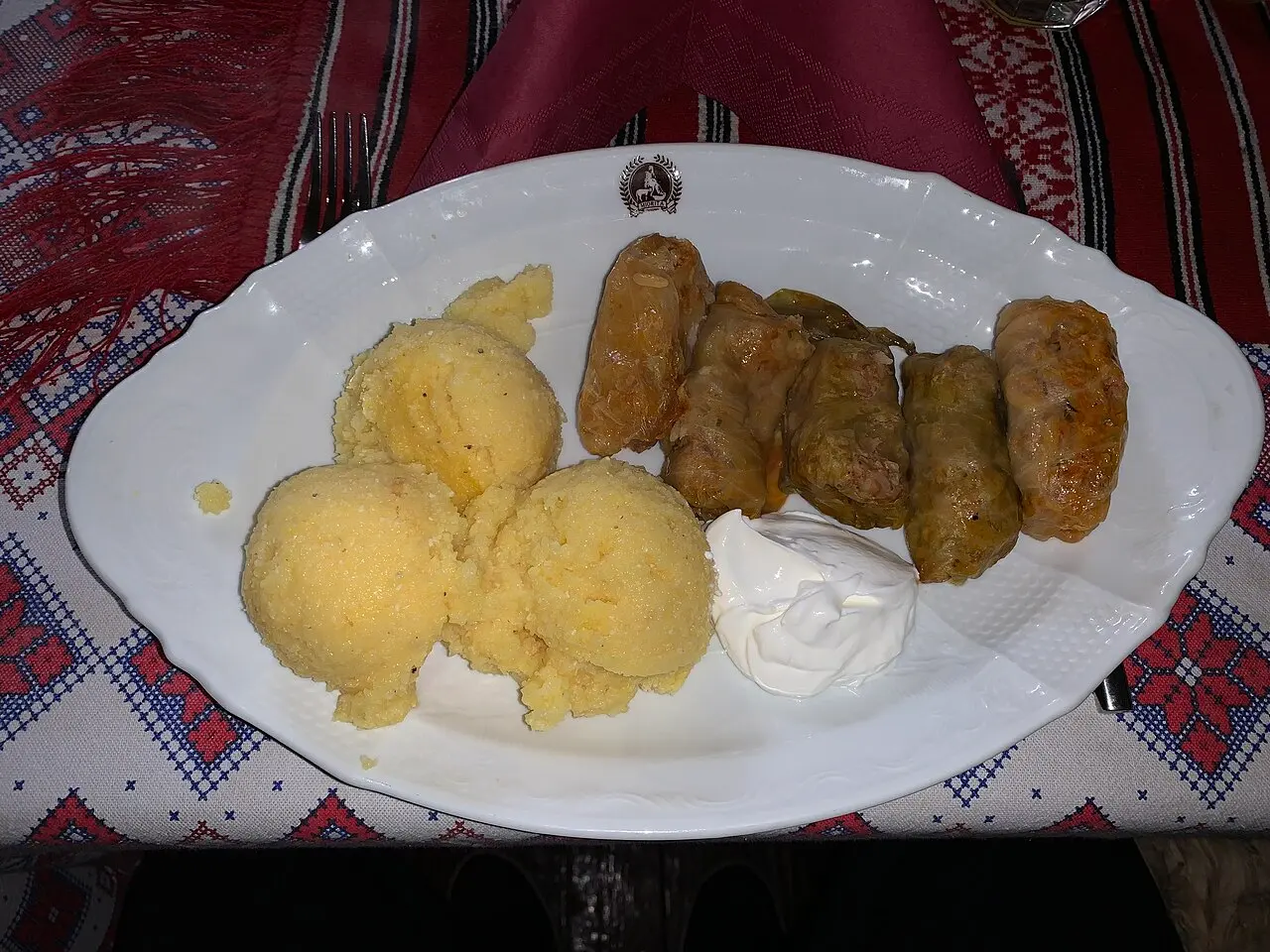
Romanian food is hearty, home-style and built around pork, cornmeal, sour cream and a surprising love of sour soups. The dishes to hunt down are a short list: sarmale (the national cabbage rolls), mamaliga (cornmeal polenta), mici (grilled skinless sausages), a bowl of tangy ciorba, and papanasi for dessert. This guide runs through what to order, how the food shifts by region, what to drink with it, and where to find the real thing rather than the tourist-menu version.
One thing to know at the table: Romania keeps its own currency, the leu (RON, lei), and isn’t in the eurozone, so budget in lei and carry some cash for market grills and village taverns where cards aren’t always welcome.
Sarmale: the dish everyone agrees on
If there’s one Romanian dish that turns up at every celebration, it’s sarmale - cabbage rolls stuffed with minced meat (usually pork, sometimes a pork-and-beef mix) and rice, seasoned with onion and herbs, then slow-cooked for hours in a lightly sour tomato base. They come with a scoop of mamaliga and a spoon of smantana (sour cream) on the side, and that trio is as close to a national plate as Romania has.
There are two things worth knowing. First, the wrapper changes with the season and the region: pickled (sour) cabbage leaves in winter, fresh cabbage or even grape (vine) leaves in summer. Second, the best regional twist is in Transylvania, where cooks tuck smoked pork ribs, pig feet or pork skin into the pot between the rolls, so the whole dish takes on a smoky depth. During the fasting periods of the Orthodox calendar you’ll also find a meat-free version filled with just rice and herbs, which is genuinely good rather than a consolation prize. Sarmale is a slow, festive food, so it’s at its best in a family-run tavern or someone’s home, not reheated on a fast-food counter.
Mamaliga: cornmeal that replaced bread
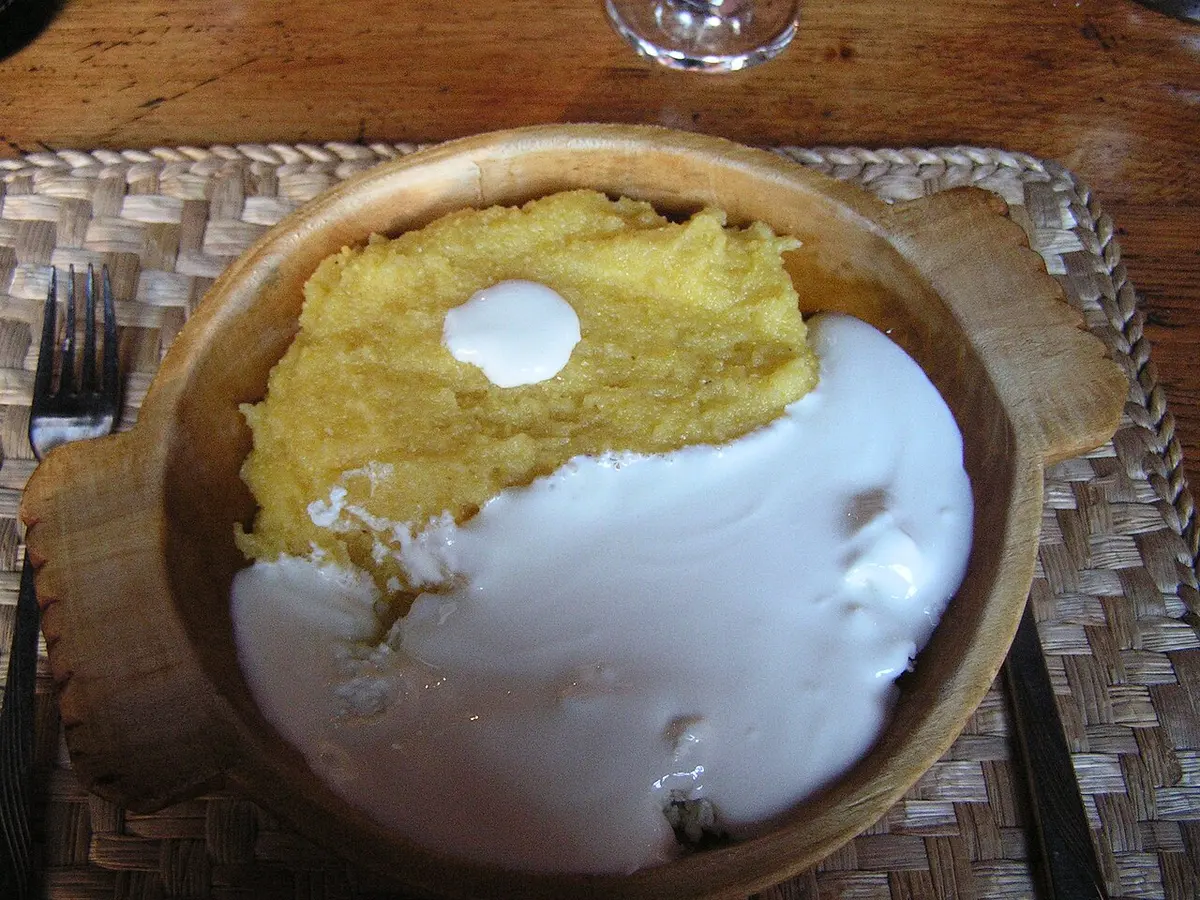
Mamaliga is Romania’s cornmeal mush - close to Italian polenta but usually thicker and firmer, sometimes set enough to slice. For centuries it was the everyday staple of rural households, standing in for bread, and historians credit the spread of maize from the 1600s with real improvements in nutrition. It still anchors the table today.
Order it the classic way as mamaliga cu branza si smantana: polenta layered or topped with salty sheep’s cheese and sour cream. It also arrives under fried eggs, alongside sarmale, or soaking up the sauce of a pork stew. It’s filling and quietly addictive, and it’s the one carbohydrate you’ll meet in every region.
Mici: the smell of every Romanian summer
Walk past any grill in a park, at a fair or in a market and the smoke you’re smelling is mici (also called mititei, “the little ones”): skinless rolls of minced meat - traditionally beef or a mix of beef, pork and lamb - kneaded with garlic, pepper, thyme, a little paprika and a pinch of bicarbonate of soda that gives them their springy bounce. They’re grilled hard over coals and served in threes and fives with a smear of mustard, a hunk of bread and a cold beer. No fork required.
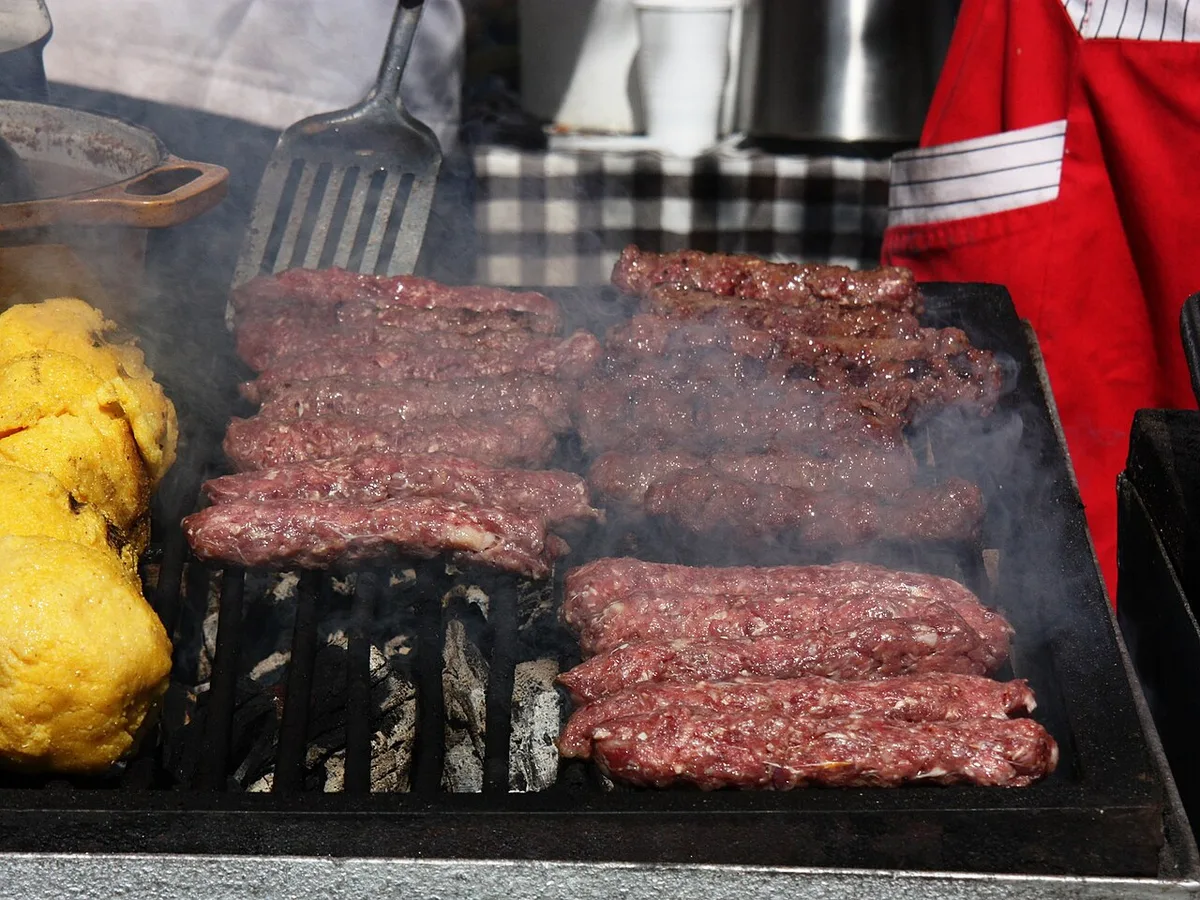
They’re a Balkan cousin of cevapi, but Romanians make them bigger, juicier and more finely ground. The origin story - unproven but repeated everywhere - puts their invention at a 19th-century Bucharest inn, when the kitchen ran out of sausage casings during a rush and grilled the spiced mix bare. Here’s the tip most visitors miss: the best mici aren’t on a restaurant terrace but off a market grill, sold by the piece on a paper plate. In Bucharest, the grills at the Obor market are the classic pilgrimage; you queue, you point, you eat standing up, and it costs a fraction of the sit-down version. Our best restaurants in Bucharest guide sorts the Obor grills from the tourist terraces, and our things to do in Bucharest guide points you to that end of the city.
Ciorba: Romania’s love of sour soup
The single biggest surprise for most first-timers is how central soup is, and specifically ciorba - a sour soup, sharpened with bors (a tangy liquid fermented from wheat bran), or with lemon, vinegar or sauerkraut juice. It’s different from supa, the clear broth with noodles or dumplings; ciorba is the one Romanians are passionate about, and every household has an opinion on the right level of sour.
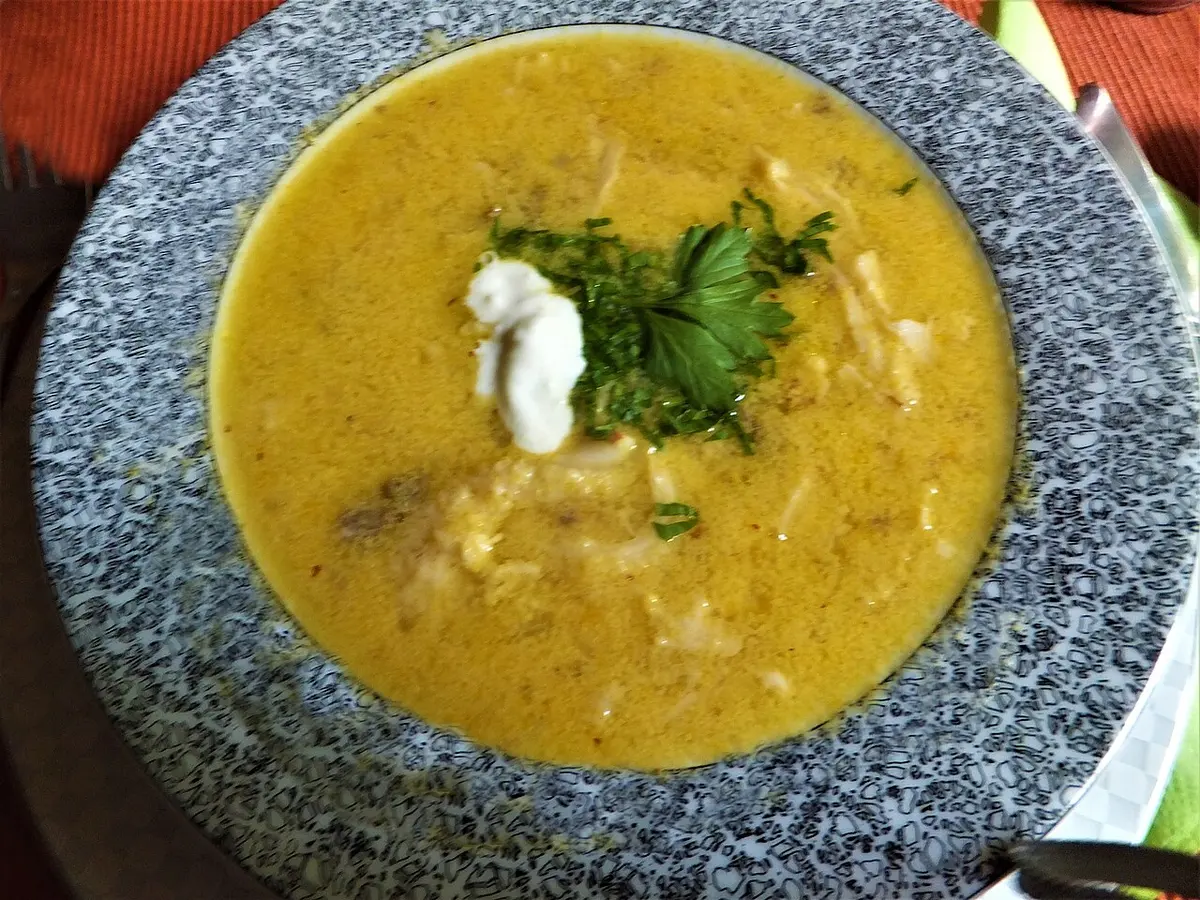
A few are worth seeking out. Ciorba de burta is the famous one: a rich tripe soup thickened with egg yolks and sour cream and served with a fierce garlic dip (mujdei) and a splash of vinegar at the table. Ciorba de perisoare is a gentler meatball soup, the everyday comfort bowl. And if the idea of tripe puts you off, order ciorba radauteana - a creamy chicken version that’s milder and enormously popular. A nice detail: it isn’t some ancient recipe but a modern invention, created in the 1980s in the town of Radauti in Bucovina by a cook who wanted a soup with the texture of tripe ciorba but the friendliness of chicken. It caught on across the whole country.
Tochitura and the meat-and-mamaliga plates
For a proper stick-to-your-ribs main, tochitura is the one to try: cubes of pork (often with sausage or a little offal) pan-fried and simmered in their own fat with garlic and a touch of tomato, then served with mamaliga, a fried egg on top and a slab of salty cheese. It’s a classic of Moldavia in the northeast, a traditional Christmas dish, and exactly the sort of heavy, happy plate that pairs with a glass of red.
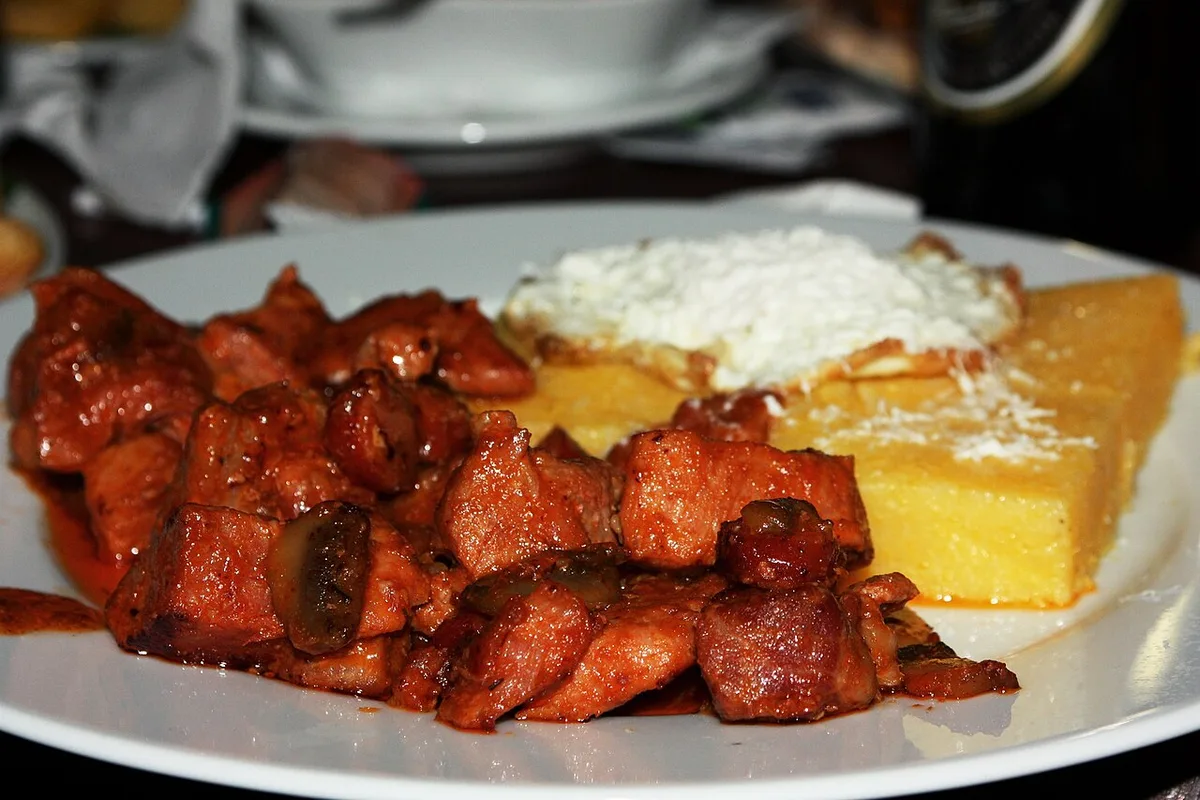
Two more meat dishes tie to the calendar. Drob is an Easter speciality: lamb offal and meat with spring onions and herbs, wrapped in caul and roasted into something close to a Romanian haggis, sliced cold. And on almost every festive table sits salata de boeuf, a cold salad of boiled beef, diced vegetables, peas and pickles bound in mayonnaise - a descendant of the Russian “Olivier” salad that Romania has fully adopted as its own holiday ritual.
Sweets: papanasi and cozonac
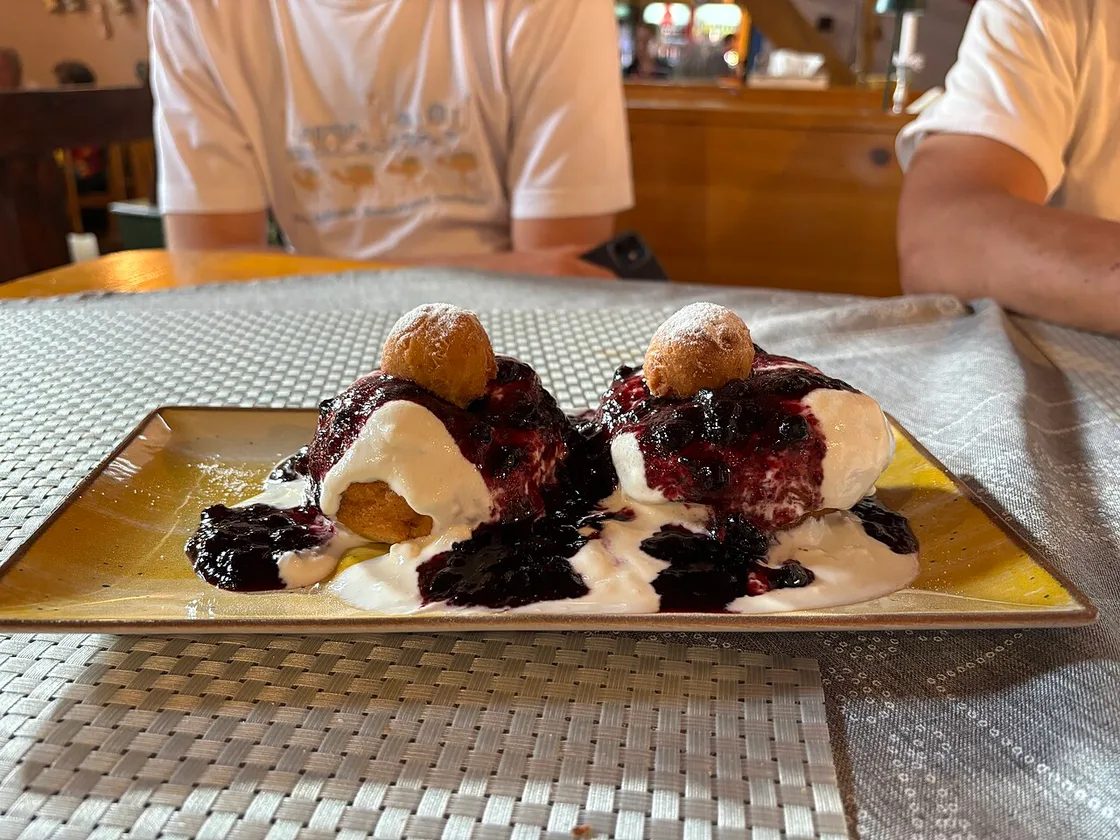
Save room. The dessert to order is papanasi: warm doughnuts made from soft cow’s-milk cheese, flour, egg and lemon zest, fried until golden, then piled with sour cream and jam - classically sour-cherry or blueberry - with a little dough ball perched on top. It’s rich, tangy and comforting, and it turns up on menus far more reliably than any cake.
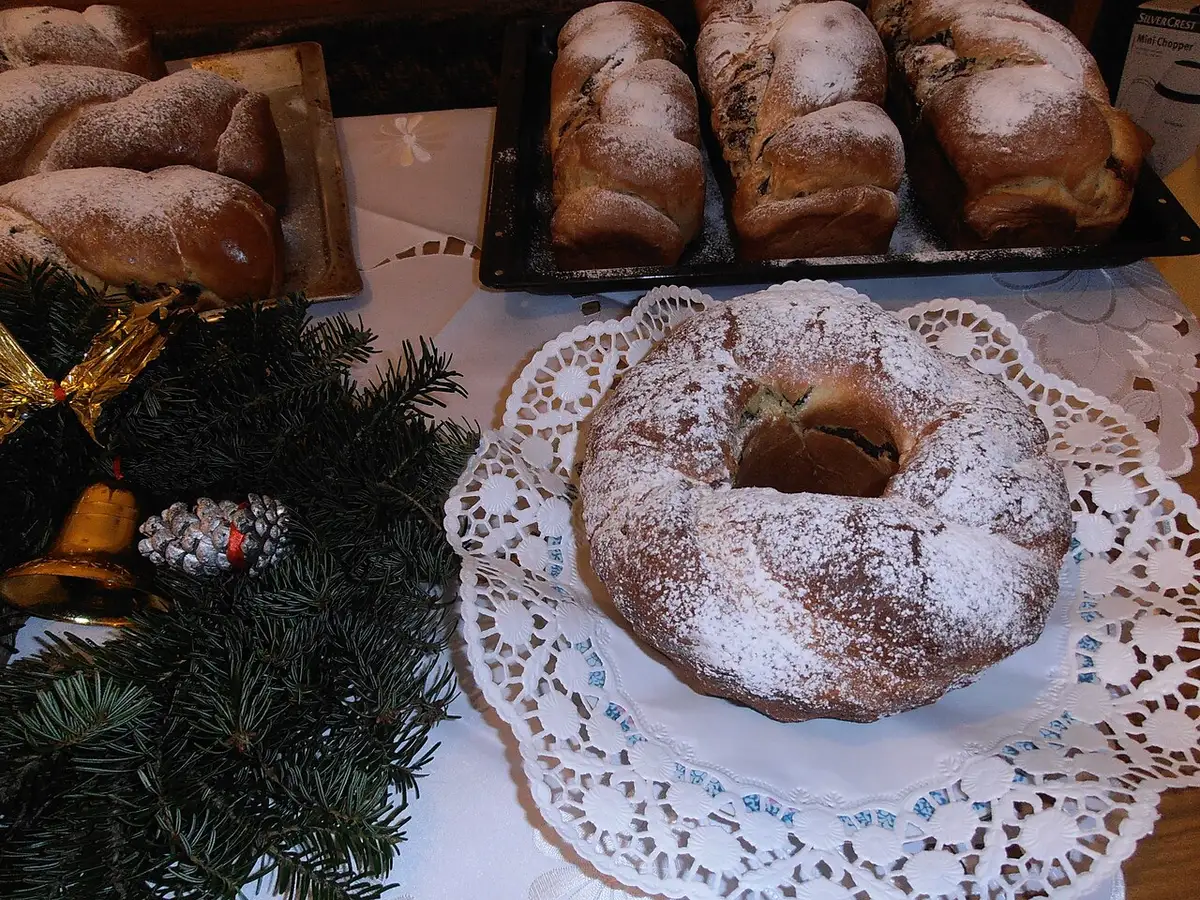
The other sweet to know is cozonac, a sweet leavened bread baked mostly at Christmas and Easter and swirled with a filling of ground walnuts, poppy seeds or rahat (Turkish delight). Every family guards its own recipe, and the smell of it baking during Holy Week is one of those things that says “home” to Romanians. You’ll find it in bakeries year-round, but it’s at its best around the holidays.
What to drink: wine, tuica and palinca
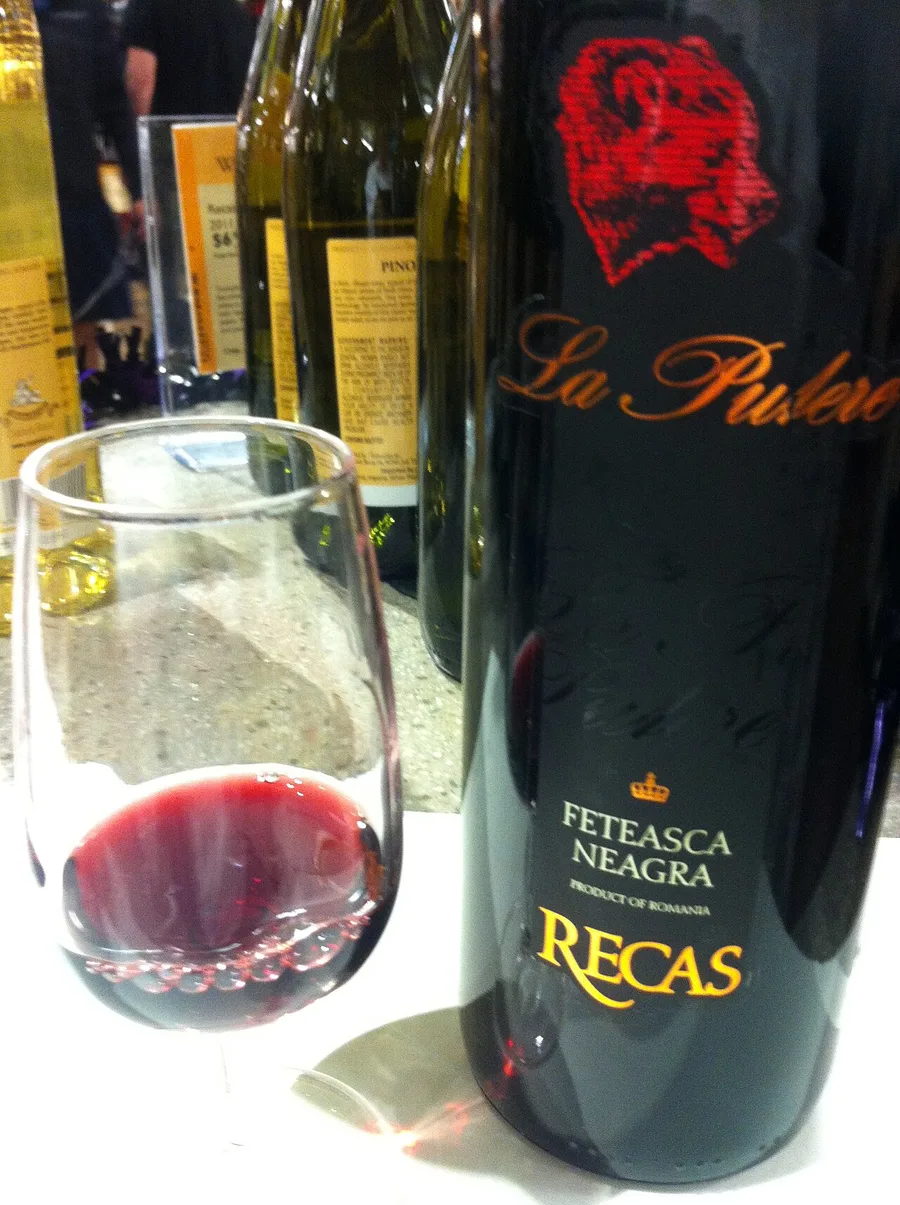
Romania is one of Europe’s older and larger wine countries, and the bottles to look for carry native grapes you won’t meet elsewhere. The flagship red is Feteasca Neagra (“black maiden”), a medium-to-full-bodied grape with dark plum and blackberry fruit and a bit of spice; it can be grown across the country, but its true home is the Dealu Mare hills, whose terroir gets compared to Bordeaux. Its white siblings, Feteasca Alba and the crisper Feteasca Regala, are light, floral and easy with food. For something sweet and perfumed, seek out Tamaioasa Romaneasca or the honeyed Grasa de Cotnari from Moldavia. Our Romanian wine guide goes deeper into the regions, the grapes to order with which dishes and how to book a cellar tasting.
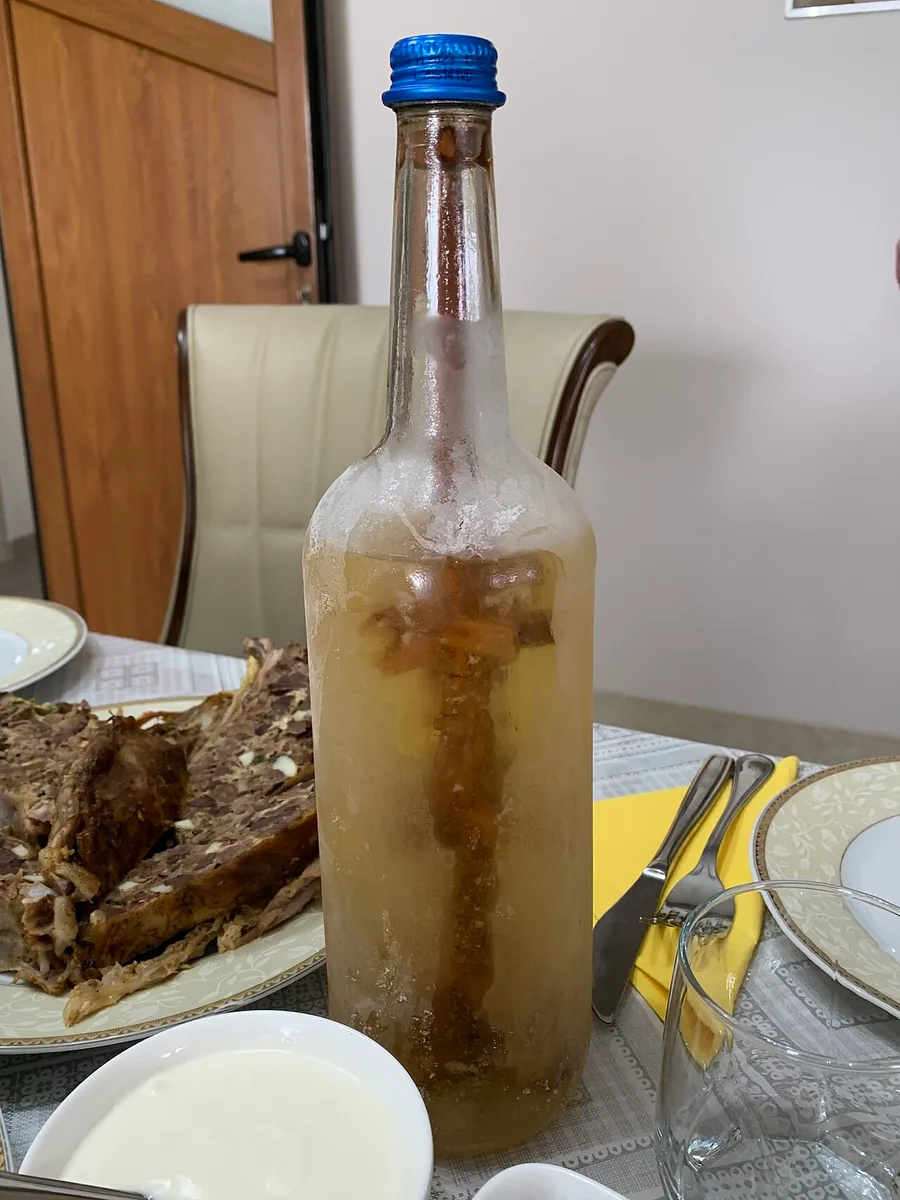
The stronger stuff is a lesson in regional pride. Tuica is the classic plum brandy: single-distilled, usually 25-40% alcohol, and by tradition tied to the south and east - Oltenia, Wallachia and Moldavia. Palinca is its tougher northern cousin from Transylvania, Crisana and Maramures: double-distilled and often 50% or more, and made from plums, pears, apples or apricots. The practical difference is potency and polish - tuica is the friendly welcome shot, palinca will genuinely clear your sinuses. Homemade versions are everywhere in the villages, offered with real hospitality, so don’t gulp - sip.
Where and how to eat it
Romanian food splits along old regional lines, and travelling with that in mind pays off. Transylvania carries a Saxon and Hungarian accent - expect paprika-heavy stews like papricas and gulas, smoked meats and heartier baking - and its towns make an easy base; our best food in Brasov and best food in Cluj-Napoca guides map the Saxon and Hungarian tables there, the things to do in Brasov guide is a good starting point for the region, and the castle-country crowd chasing the Dracula myth at Bran Castle will find the food between sights is half the reward. Moldavia in the northeast leans on wine, tochitura and generous village hospitality, while Wallachia and the capital gave the country its street-food canon of mici and grilled everything. Turkish and Ottoman influence runs through the lot, from the eggplant-and-pepper spread zacusca to the ubiquitous covrigi pretzel sold hot on street corners.
A few practical notes. Look for the word crama (a wine cellar-restaurant) or a family-run han or tavern rather than a slick tourist terrace - that’s where the sarmale simmered all morning. Markets are the place to eat mici and buy cheese, honey and smoked sausage to take away. And because Romania is outside the eurozone, you’ll want some lei in cash for the grills and villages. To eat your way across the regions on one loop, our Romania 7-day itinerary threads the capital, Transylvania and the mountains together, and the wider food section collects our vetted places to eat by city.
Photos
Read also

Food · 10 min read
Best Food in Constanta & Mamaia: Seafood by the Sea
Verified · August 22, 2026Where to eat in Constanta and Mamaia: Bacaro Port, Muse Port, BonFish, Blue Acqua and Pirouette Bistro, all rated above 4 stars, checked August 2026.

Food · 11 min read
Romanian Wine: Regions, Grapes & Tasting
Updated · July 24, 2026Romanian wine regions explained: Dealu Mare reds, sweet Cotnari, Black Sea Murfatlar, the native grapes to order and how to book a cellar tasting.

Food · 9 min read
Best Food in Sibiu: Traditional & Modern Restaurants
Verified · July 23, 2026Where to eat in Sibiu: cellar cooking at Crama Sibiul Vechi, neo-Romanian at Kombinat, the Marginimea cheeses and Sibiu salami, with prices in lei.

Food · 9 min read
Best Food in Cluj-Napoca: Where to Eat
Verified · July 21, 2026Where to eat in Cluj-Napoca: Roata and Zama for Transylvanian classics, Baracca for fine dining, the veggie scene and Museum Square, prices in lei.