
Targoviste: Vlad's Real Court & the Chindia Tower
Targoviste was Vlad the Impaler's actual capital. What the Chindia Tower and the ruined Princely Court really tell you, and how to visit from Bucharest.
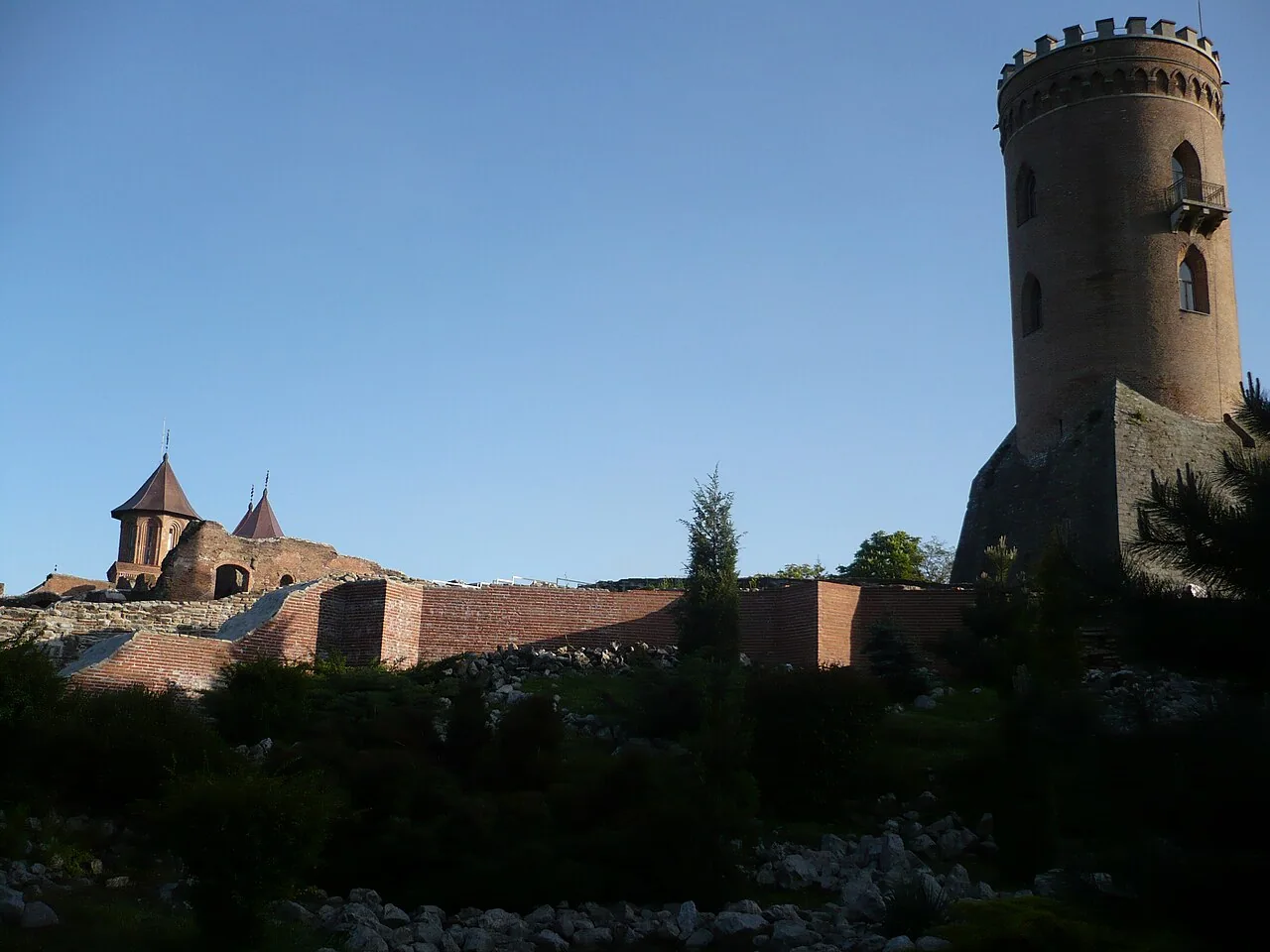
Bran gets the tour buses, but Targoviste is where Vlad the Impaler actually ruled. This was Wallachia’s capital and his real seat of power through his long 1456-1462 reign, and what survives is the brick Chindia Tower raised during his reign and the ruined stone footprint of the Princely Court around it - not a myth grafted onto a pretty castle, but the genuine site. Bran borrowed its reputation from a novel its owner never saw; Targoviste earned its place in the Vlad story simply by being where he lived and ruled, which is the difference between visiting a film set and visiting an actual address.
It sits about 80 km northwest of Bucharest and works as a half-day stop: climb the tower, walk the ruined court, and you’re done in under two hours - the one Dracula-adjacent visit in Romania where you’re not fighting through a souvenir gauntlet to get to something real.
Why is Targoviste the “real” Dracula site, and not Bran?
Because this is where Vlad III actually governed. Our Bran Castle guide already untangles that castle’s Dracula branding from history, so it’s not worth repeating here - the short version is that Vlad never owned Bran and Bram Stoker never saw Transylvania. Targoviste is the opposite case. It was Wallachia’s capital for centuries, Vlad ruled and lived here through his defining reign, and the Chindia Tower standing today was most likely raised in his time. If you want the man rather than the legend, this is closer to it than any castle with his name attached by marketing.
The Chindia Tower, in brief
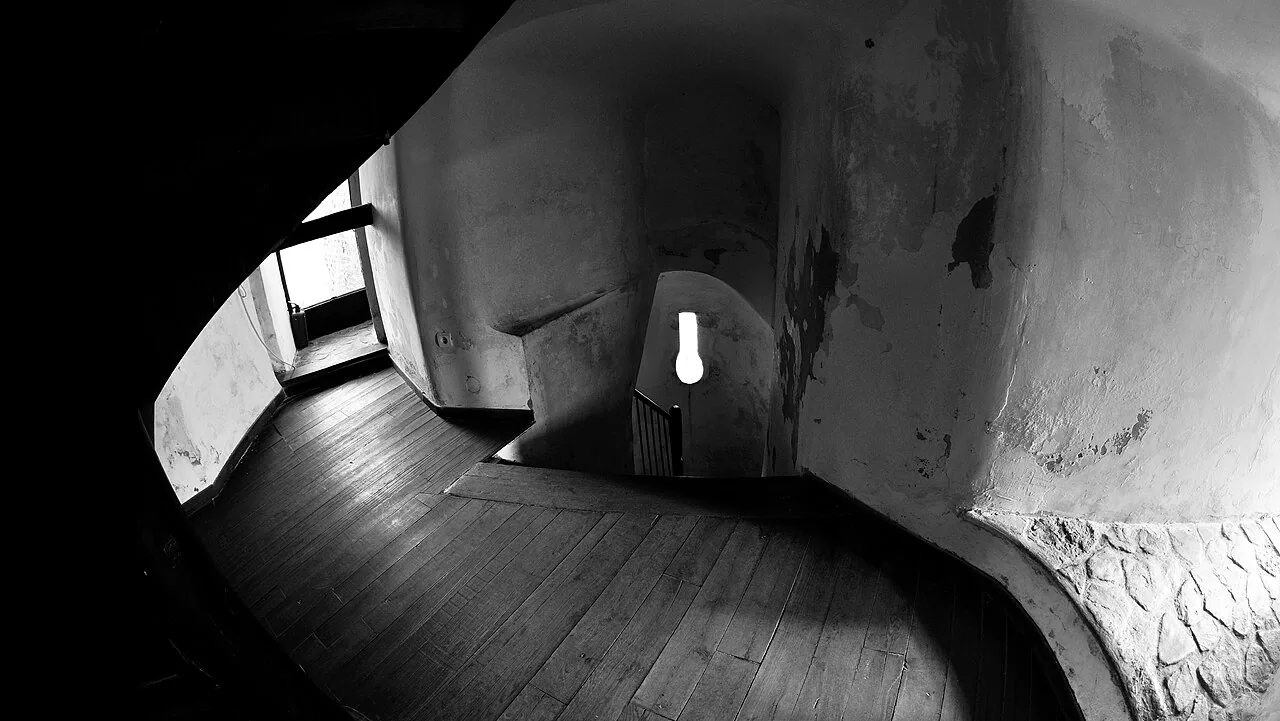
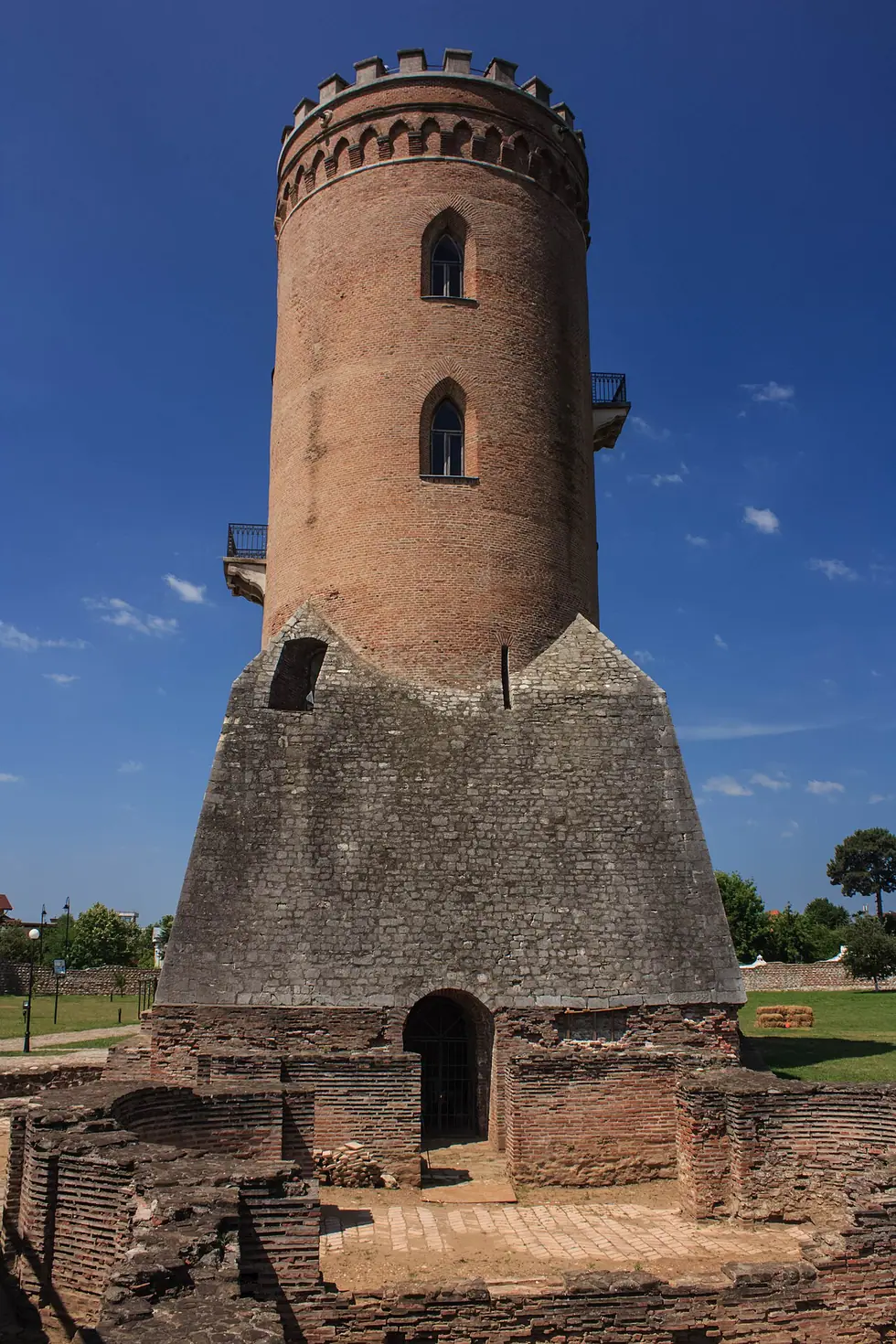
A 27-metre brick watchtower on a stone pyramid base, and it’s the emblem of the whole city. Construction began in the second half of the 15th century, during Vlad’s long reign, and archaeological digs in the mid-20th century confirmed that dating. It started out purely functional: a guard post and fire-spotting tower, used to store the state treasury, and by the mid-18th century it had also done time as a prison. The tower you see now isn’t quite the one Vlad knew - Prince Gheorghe Bibescu restored it between 1847 and 1851 and added roughly 5 metres to its height, and the interior got a further restoration starting in 1961. Today the National Museum Complex “Curtea Domneasca” Targoviste runs it as a small museum, with an exhibition called “Vlad Tepes - Dracula, Legend and Historical Truth” laid out inside: documents, weapons and period maps rather than waxworks.
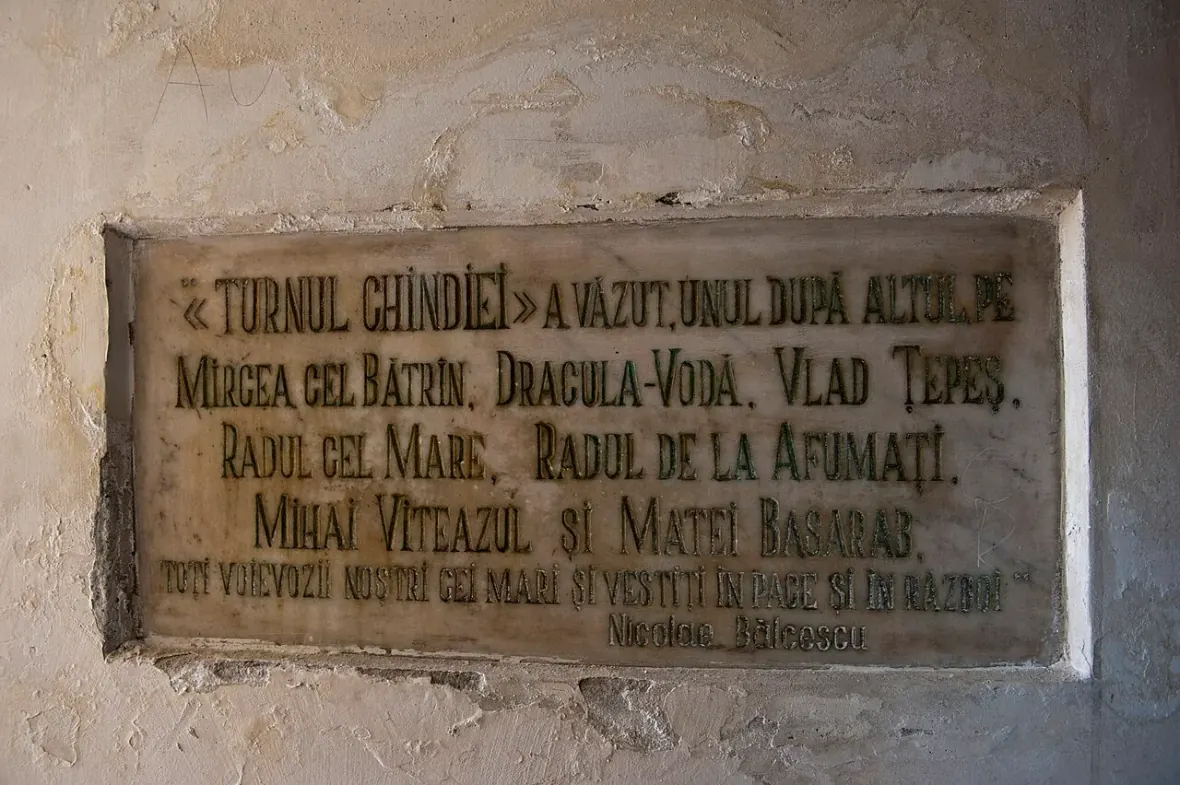
One detail is worth hunting for once you’re inside: a carved stone plaque near the entrance quotes the 19th-century Romanian historian Nicolae Balcescu, listing the voivodes the tower “saw, one after another” - Mircea the Old, Vlad Dracul, Vlad the Impaler, Radu the Great, Radu of Afumati, Michael the Brave and Matei Basarab. It’s a reminder that Vlad was one ruler among many who used this court, not the only story Targoviste has to tell.
Two nights that define Vlad’s time here
Two documented episodes, both from contemporary sources rather than later legend. Early in his reign, around 1457, Vlad purged Targoviste’s boyar class, executing a significant number of them and redistributing their wealth to loyalists; the surviving lists of his princely council show only two men holding their seats through from 1457 to 1461. It was a deliberate, brutal consolidation of power, aimed at the same nobles whose infighting had killed his father and older brother.
The second episode is the night of 16-17 June 1462, when Vlad led a raid on the camp of Sultan Mehmed II, who had marched on Targoviste with a vastly larger Ottoman army. Vlad’s men missed the sultan’s own tent in the dark and struck the viziers’ quarters instead before pulling back at dawn - a near-miss rather than the killing blow he wanted. When Mehmed’s forces entered the abandoned city afterward, Chalkokondyles records that they found what he called a “forest of the impaled”: thousands of stakes bearing the bodies of the executed. Historians treat the exact numbers in these accounts with caution, as our Dracula in Romania guide notes, but the events themselves, and their setting here, are about as well documented as 15th-century Wallachia gets.
The Princely Court today: an open ruin, not a palace
Less a castle than an open archaeological site, and that’s part of what makes it worth seeing. The Curtea Domneasca complex is first mentioned in documents from 1403 and 1409, and it grew over the following two and a half centuries into the residence of Wallachia’s rulers, ending with Constantin Brancoveanu before the capital shifted permanently to Bucharest. What survives is a footprint of brick and stone walls, arched cellars and foundations spreading out from the base of the tower, along with a church, rather than an intact palace - closer to walking through a ruin with a museum’s worth of signage than touring furnished rooms.
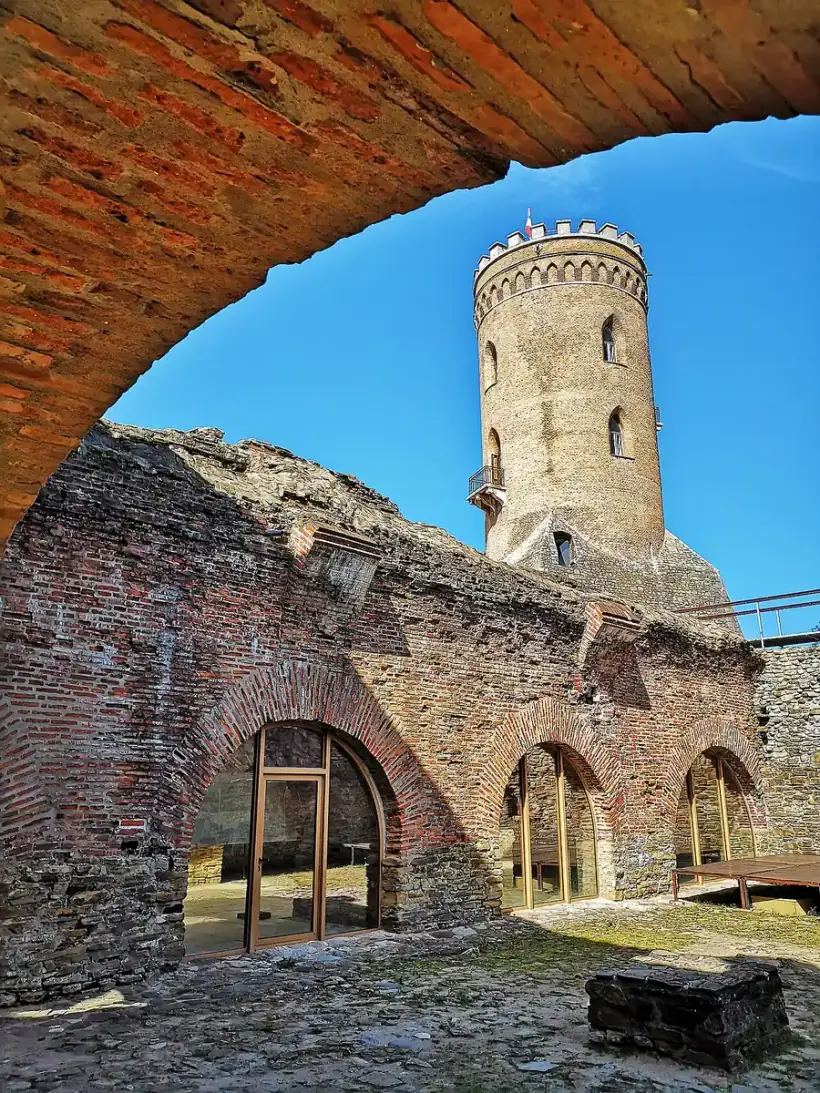
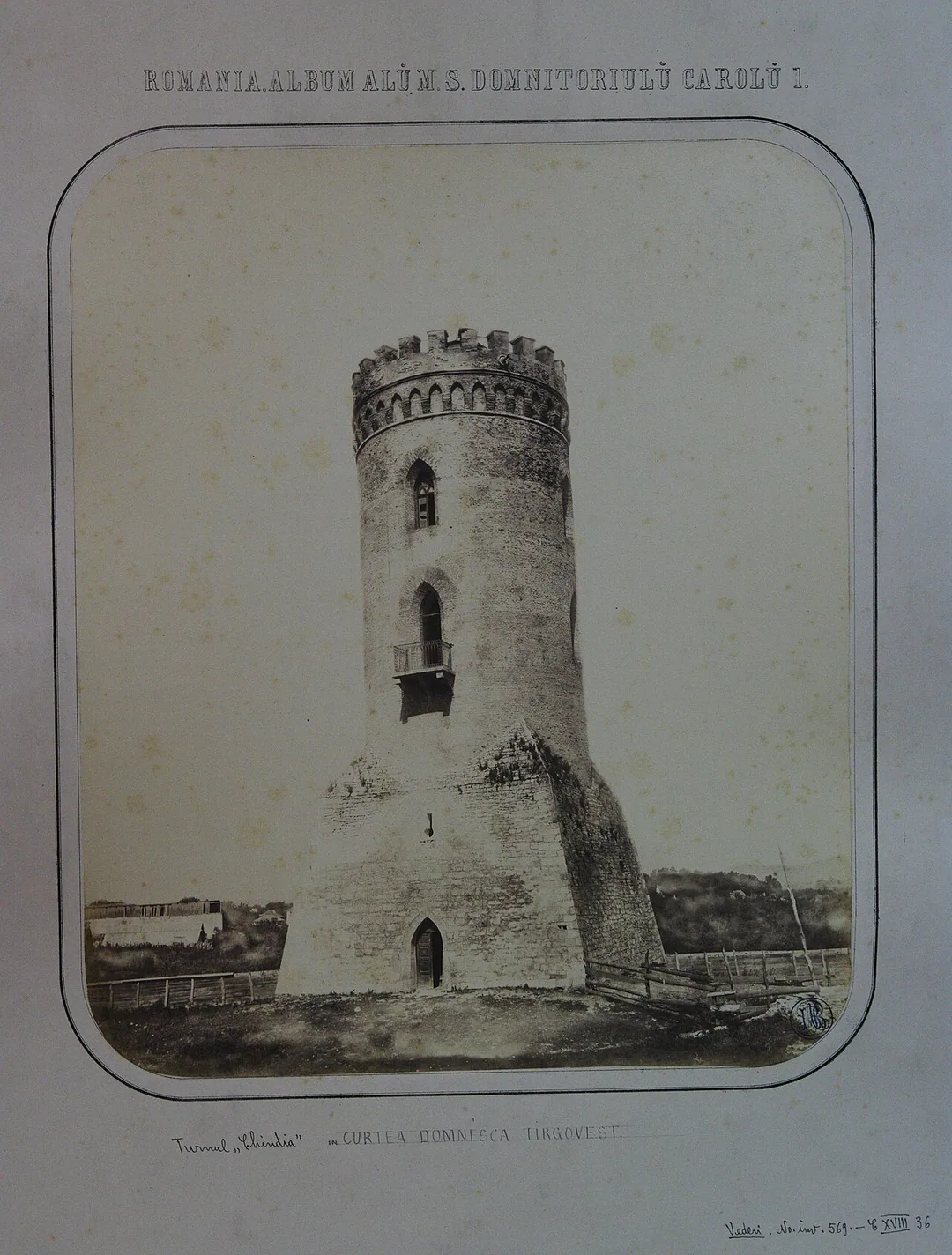
A photograph from Prince Carol I’s own royal album, dated to 1867, is one of the earliest surviving images of the tower - but it shows the tower after Bibescu’s restoration, not before it, since Carol only became Wallachia’s prince in 1866, sixteen years after the rebuild was finished. The real “before” picture is an 1840 drawing by the French artist Michel Bouquet, made before any of the 19th-century work: it shows a shorter tower with a plain brick base, well ahead of the extra height, stone facing and crenellations that define the tower today. Either way it’s a useful check on expectations - what you’re visiting is a genuine medieval site, but one that’s been rebuilt and reinterpreted more than once since Vlad’s time, the way most surviving medieval towers have been.
Is Targoviste worth the detour from Bucharest?
If you care about the history rather than the legend, yes, and it’s a short visit rather than a full day. Climbing the tower for the view over the ruins and the modern city takes maybe twenty minutes, the museum exhibition inside is compact, and walking the court’s footprint adds another half hour or so - call it ninety minutes to two hours all in, less if you skip the climb. It won’t fill a whole day on its own, and it isn’t ranked among the country’s best-preserved castles in our Romania’s castles ranked guide, because a ruined court and a rebuilt tower simply don’t compete with Peles or Corvin on architecture. What it offers instead is authenticity: you’re standing where Vlad actually ruled, not where a legend was later bolted onto an unrelated building.
A full ticket for the Curtea Domneasca complex runs 30 lei, 15 lei reduced for students and pensioners, and the site is open Tuesday to Sunday - summer hours (1 April to 29 October) run 09:00 to 18:30, winter hours 09:00 to 17:00, with the last ticket sold half an hour before closing. If you’re planning to see more than one of Targoviste’s museums, a combined pass covers all of them for 40 lei. What you won’t find here is Bran’s souvenir gauntlet of plastic fangs and “Dracula wine” - the approach is a city park, not a gift-shop corridor, which is either a relief or a disappointment depending on what you came for.
How do you get to Targoviste?
The train is the easiest way in if you don’t want to drive. CFR Calatori and Transferoviar Calatori both run direct services from Bucuresti Nord to Targoviste - around nine trains a day between the two operators, taking roughly an hour and forty minutes to under two hours depending on the service - so check bilete.cfrcalatori.ro for the current timetable and fare before you travel. Driving is the other practical option: it’s about 80 km northwest of Bucharest, roughly an hour and forty minutes on DN7 and then DN71 depending on traffic. Either way, the tower and court sit close enough together in the city centre that you don’t need wheels once you’ve arrived. If you’d rather not manage the logistics yourself, several Bucharest-based operators run Targoviste as a guided day tour, sometimes paired with Poenari or the Wallachian monasteries further south.
What else is nearby, and how does it fit a trip?
Targoviste pairs naturally with the rest of the “real Vlad” story rather than the Dracula-branding trail around Brasov. Our day trips from Bucharest guide ranks it alongside Mogosoaia, Snagov and the other easy escapes from the capital, and our Dracula in Romania guide maps the fuller picture: Poenari, the ruined crag fortress Vlad genuinely held two hours to the west, and Snagov, where his contested grave is said to be. If the branding rather than the history is what you’re after, that’s a different day out entirely, based around Bran Castle and Brasov; our things to do in Bucharest guide covers the capital either way, as the natural base for a Targoviste morning.
Admission and opening hours
- Admission price
- Ansamblul Monumental "Curtea Domneasca": 30 lei full price, 15 lei reduced (students/pensioners), effective 1 January 2026. A combined pass covering all of Targoviste's museums costs 40 lei.
- Opening hours
- Tue-Sun: summer (1 April-29 October) 09:00-18:30; winter (30 October-31 March) 09:00-17:00; closed Monday. Last ticket 30 minutes before closing.
Confirmed on the operator's own site, muzee-dambovitene.ro, which also has a page for the "Vlad Tepes - Dracula, Legend and Historical Truth" exhibition.
Details checked: August 8, 2026
Read also

What to see · 11 min read
Marginimea Sibiului: Shepherd Villages Near Sibiu
Verified · September 5, 202618 shepherd villages west of Sibiu: Rasinari, Sibiel glass icons, Saliste, Paltinis bus fares, and how a day out of town works.

What to see · 9 min read
Prejmer Fortified Church: UNESCO Near Brasov
Verified · September 3, 2026Prejmer fortified church 15 km from Brasov: Greek-cross plan, 275 wall rooms, UNESCO hours for 2026 and how a visit actually works.

What to see · 11 min read
ASTRA Museum Sibiu: Romania's Great Open-Air Village
Verified · August 29, 2026ASTRA Museum near Sibiu: 50-lei tickets, hours by season, how to get there, and which of the 400+ buildings across 96 hectares to see first.

What to see · 10 min read
Bucegi Sphinx & Babele: Cable Car from Busteni
Updated · August 26, 2026Ride the Busteni cable car to the Sphinx and Babele: 2026 return fare 199 lei, hours from 08:30, and how to pair it with Peles or Cantacuzino.