
Getting Around Romania: Trains, Buses & Cars
How to get around Romania: trains vs buses vs a rental car, Bolt and the metro, when to fly, and the routes each mode actually wins.
The sensible default for Romania is a mix, not a single mode: take the train between the big cities on the main line, rent a car for the castles and the countryside, use buses and minibuses to fill the gaps the railway skips, open Bolt in any city, and fly the one or two long cross-country hops where the train turns an afternoon into a whole day. No mode does everything here, and the travellers who try to force one, all train or all car, end up either stuck or overpaying. Match the mode to the leg and Romania is cheap and easy to move around. All of that assumes phone internet from day one - eSIM for Romania covers how to land already online.
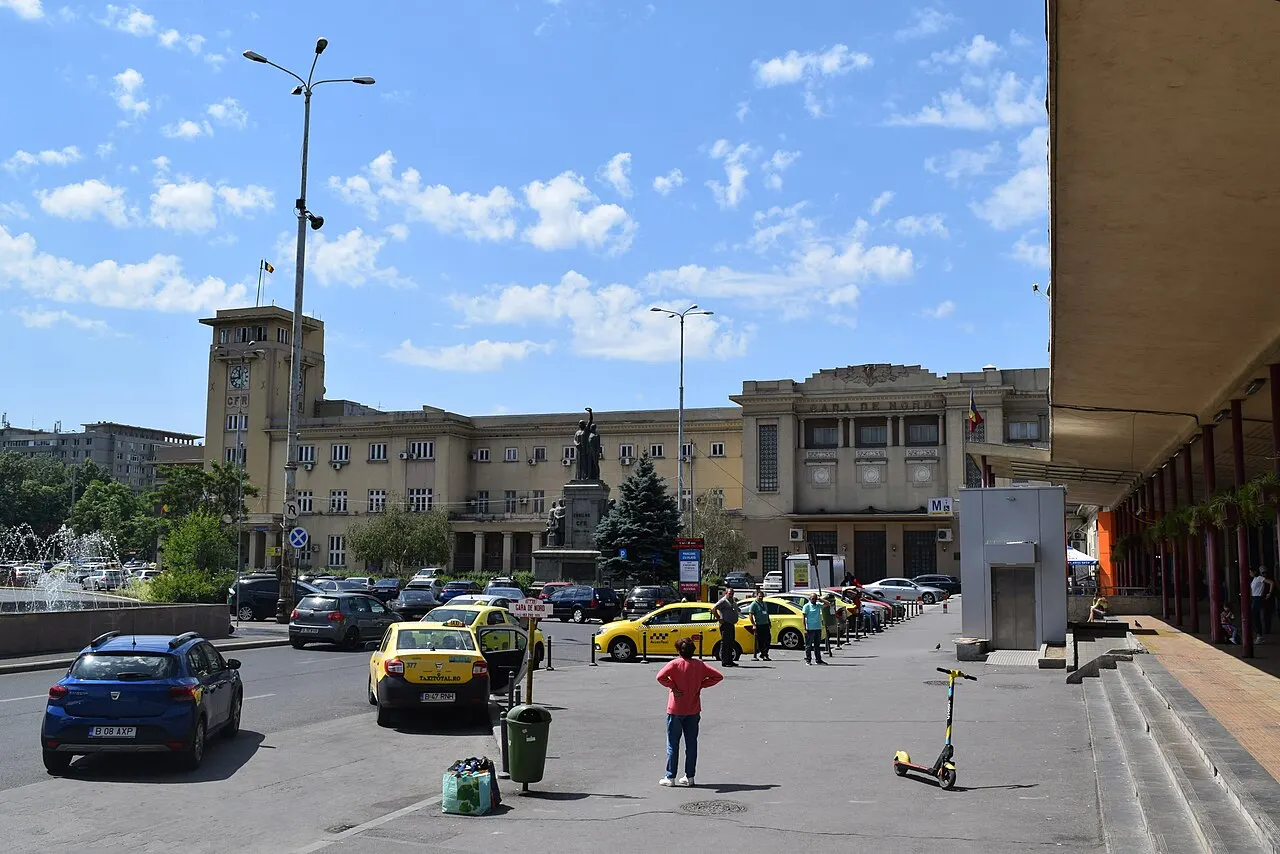
The way to hold it in your head is to split the map into three. There are the places the main-line train reaches quickly and cheaply, the Bucharest to Brasov, Sibiu and Cluj spine; the places you realistically need a car or a local bus for, like Bran, the Saxon villages, Maramures and the mountain passes; and the couple of long hauls, Bucharest to Cluj or Iasi, where you should just book a flight. Sort a journey into the right bucket and the rest is detail.
Trains: cheap, scenic, slow off the main line
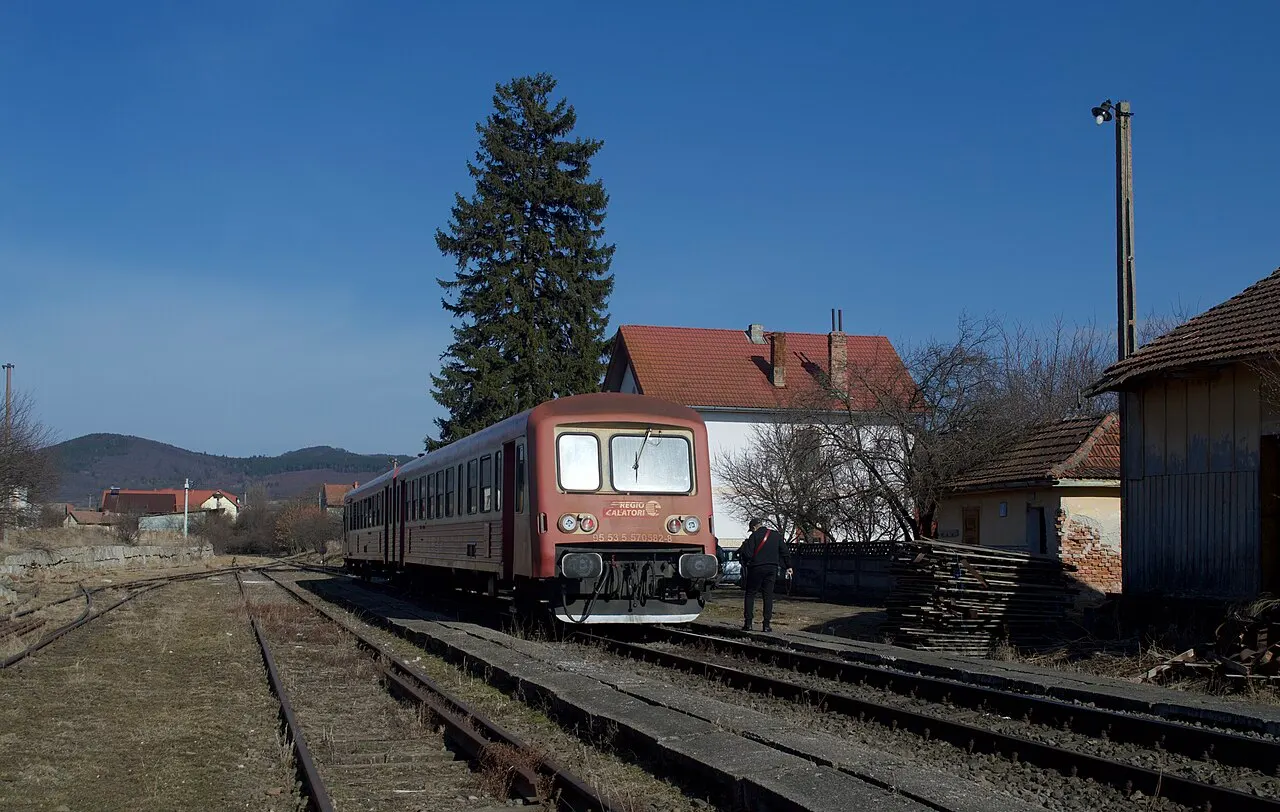
Romania’s railway is run mainly by the state operator, CFR Calatori, alongside five private companies, Astra Trans Carpatic, Regio Calatori, Softrans, InterRegional and Transferoviar, with a new one, Ferotrafic TFI, adding InterCity trains on the Bucharest to Suceava route under the 2026 timetable. You don’t need to track who runs what: the Infofer planner (mersultrenurilor.infofer.ro) lists every operator’s timetable in one place, and you can buy on the operator’s own site, its app or at the station.
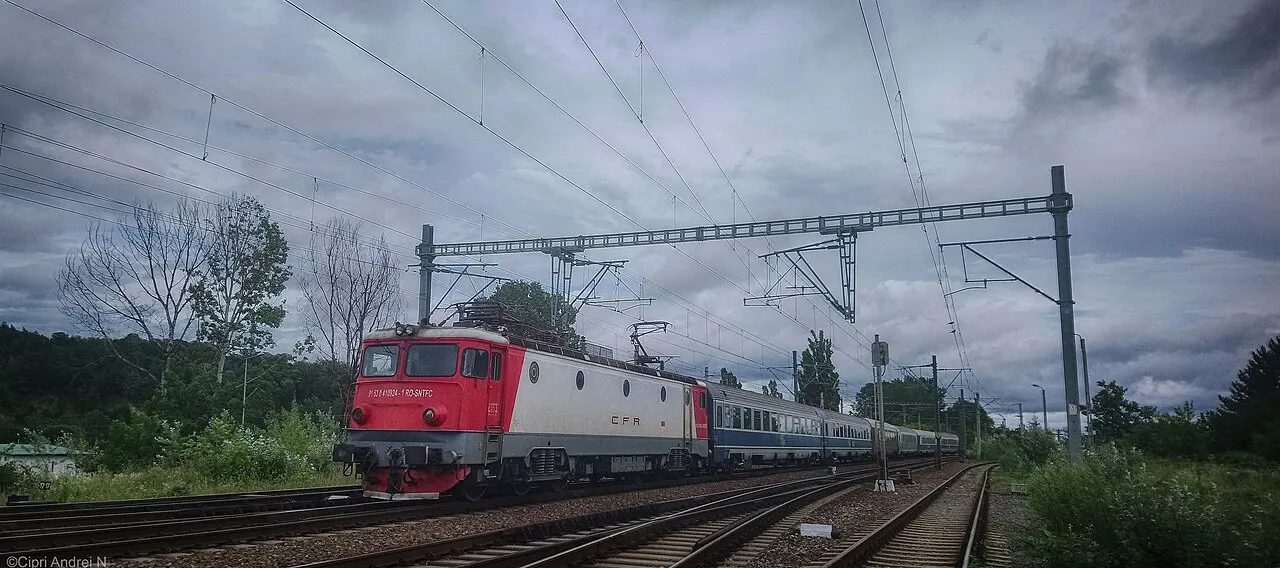
Learn the train types and you won’t get caught on a slow one. InterRegio (IR) trains are the fast long-distance services and the ones you want between cities; Regio (R) are the all-stations locals that stop at every halt and take forever; Regio Express (R-E) sit in between, IR-like comfort at a lower price. The pattern that matters is simple: on the main Bucharest to Brasov and onward to Sibiu and Cluj corridor the train is genuinely good, frequent, comfortable and well under the cost of driving. Our Bucharest to Brasov guide covers that flagship leg in detail, and Bucharest to Sibiu the branch off it.
Off that spine, temper your expectations. Cross-country lines wind through the mountains and run slow, which is the single fact that reshapes a Romania itinerary. Tickets stay cheap and the scenery is often the point, but budget the real hours. The saving grace on the longest hauls is the night train: CFR runs overnight services with sleeper and couchette cars on lines like Bucharest to Timisoara, which turn a slow daytime slog into a night’s sleep, and on the busy summer trains to Brasov and the coast it is worth booking a day or two ahead rather than just turning up. The same idea stretches across the border on the Bucharest to Budapest Ister night train if Hungary is your next stop. One seasonal bonus worth knowing: CFR runs its summer “Sun Trains” to the Black Sea coast from mid-June to early September, a useful direct link down to Constanta covered in our Bucharest to Constanta guide.
Buses and minibuses: how you reach the places trains miss
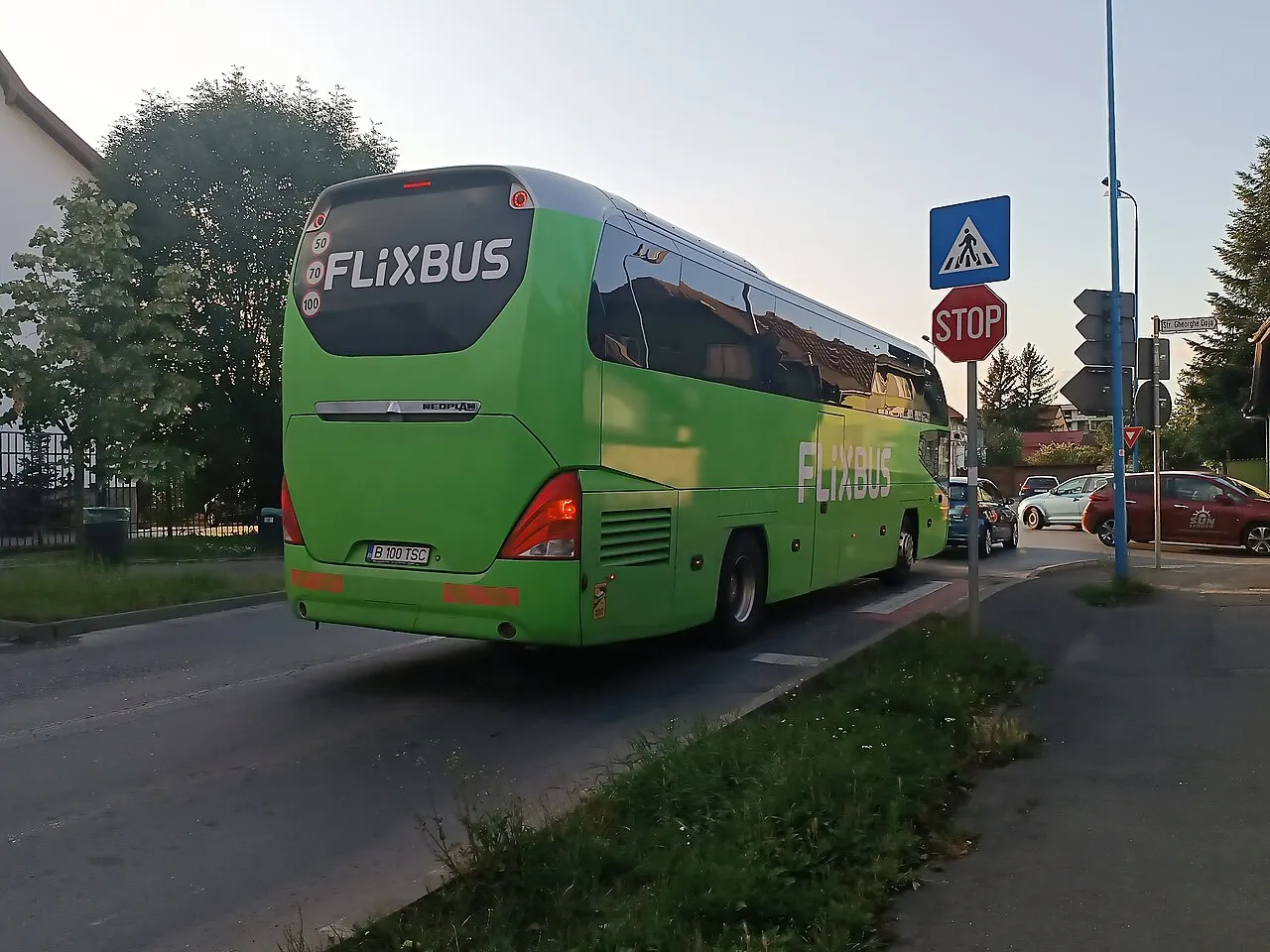
Where the railway doesn’t go, the bus does, and in Romania that covers a lot of the good stuff. Long-distance coaches are run by FlixBus, which now links the major cities daily and is comfortable and cheap, plus a scatter of smaller operators. Most schedules live on autogari.ro, the national bus-timetable site, and it’s where you’ll plan intercity hops. A caveat: autogari.ro is genuinely incomplete. Not every operator uploads or updates its times, some buses are missing entirely, and the results can be stale, so treat it as a strong hint rather than gospel and confirm at the station where you can.
Buses leave from an autogara, a bus station that is often, but not always, next to the train station. The other half of the system is the minibus, or maxitaxi, network that handles shorter rural runs the trains and coaches ignore, the classic example being the 40-minute hop from Brasov out to Bran Castle. These are cheap, frequent and pay in cash or by card to the driver, but they’re not always on the apps, so ask locally. For linking specific castles without a car, our Peles to Bran guide shows how the buses and transfers actually connect.
Renting a car: when it pays, and when it is a liability
A car is the right call for exactly the trips the train and bus do badly: the castle loop around Brasov, the Saxon fortified villages, Maramures, the Danube Delta’s edges and above all the mountain roads like the Transfagarasan. If your Romania is a countryside road trip, rent, and our Transylvania road trip shows the classic loop. You can compare rental cars in Bucharest, Cluj and Timisoara, but read our car rental in Romania guide first for the deposit and credit-card catch, and the driving in Romania guide for the rovinieta road vignette, the absolute zero-alcohol limit and the DN1 weekend jams.
The flip side: a car is a liability in Bucharest, where traffic is heavy, parking is a fight and you won’t use it. The common-sense play is to skip the car for your city days and pick one up only when you head into the countryside, dropping it before you hit the next big city. Where driving is off the table on a point-to-point leg with no good train, a fixed-price transfer takes the timetable juggling out of it.
Ride-hailing and city transport
Inside the cities you barely need public transport worked out in advance, because ride-hailing is cheap and everywhere. Bolt is the dominant app nationwide and usually the cheapest way across town; Uber runs in the bigger cities too. Both spare you the old airport-taxi haggling, and our Bucharest airport to city guide covers using them from the terminal. The one thing all of it needs is mobile data, so a local SIM or an eSIM makes Bolt, the timetables and the tickets far smoother than hunting for wifi.
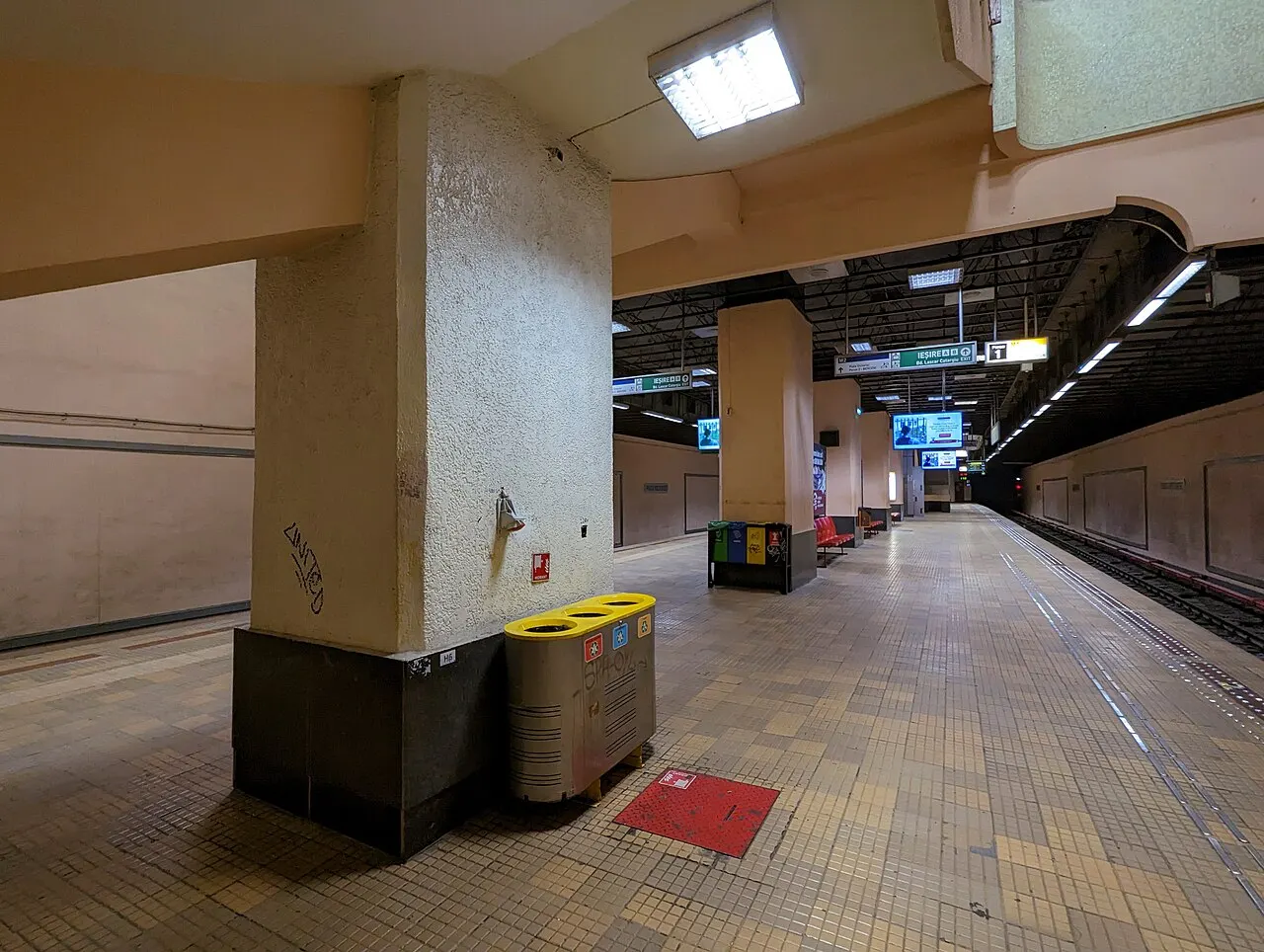
If you do want the network, Bucharest has a proper metro (Metrorex) plus a big surface web of buses, trams and trolleybuses run by STB, and the good news for a short visit is that you can now tap a contactless bank card, any Visa, Mastercard or Maestro, at metro access gates and directly on STB vehicles that show the card logos, so you no longer have to hunt for a paper travel card. The one catch to remember is that the metro and the surface network are separate systems with separate fares: a tap on the tram doesn’t carry over to the metro unless you have an integrated pass.
Airport transfers: the first hour that decides day one
Most trips from western Europe or North America start at an airport, not a city bus station, and the wrong last mile burns the first evening.
- Otopeni (OTP) to Bucharest centre: train to Gara de Nord (about 6.5 lei, about 25 min) or express bus 100 (3 lei, 40-50 min). Full traps and taxi-machine advice: Bucharest airport to the city.
- OTP straight to Brasov: shared airport shuttles and private transfers in about 2 to 3 hours - you don’t have to overnight in the capital. Same page covers the skip; the wider corridor is Bucharest to Brasov.
- Cluj airport (CLJ) to the centre: only 8-9 km - CTP buses A1E/5/8 in about 26 minutes, or a short taxi/Bolt. Detail in which airport for Romania and the Cluj guide.
Pick the airport for the region first (which airport), then the transfer. Mixing them up - landing at OTP for a Cluj-only week - costs a day you won’t get back.
Domestic flights: the fix for the long cross-country haul
This is the mode most visitors forget, and it is the answer to Romania’s slow cross-country railways. The national carrier TAROM plus low-cost Wizz Air, HiSky and AnimaWings fly internal routes, with the most useful being Bucharest to Cluj-Napoca, Timisoara, Oradea, Iasi and Suceava. Fares often start around 30 euros, roughly 150 lei, one way, though they swing hard with demand. Being low-cost carriers, most of those cheap fares are hand-luggage only, so add a checked bag to the price; only then does the plane-versus-train sum mean anything.
The route that makes the case is Bucharest to Cluj. By train it is about nine hours; by bus around seven and a half; in the air it’s roughly one. Even after you add getting to the airport and the wait, flying still saves most of a day on that leg, and the same logic applies to Iasi in the far east. Our Bucharest to Cluj guide weighs all three side by side, and if you’re still deciding where to land in the first place, which airport for Romania sizes up the entry points.
So how should you actually get around?
Build the trip around the leg, not a single mode.
- Castles and Transylvania from Brasov - train in from Bucharest, then local buses and minibuses to Bran, Rasnov and Sinaia; no car needed for the classics.
- A countryside road trip - rent a car, and pick it up on the way out of the city rather than in it.
- City-hopping across the country - trains on the main-line spine, plus one flight for the long jump to Cluj or Iasi.
- Bucharest only - forget the car entirely; metro, trams and Bolt cover everything.
- A point-to-point run with no good train - a fixed-price transfer or an intercity FlixBus.
The thread through all of it’s that Romania rewards mixing modes. If you’re still shaping the route, how many days in Romania helps you budget the time each leg really takes - on this map, distance and duration part company early.
Photos
Read also

Transport · 14 min read
Bucharest to Budapest: Night Train, Bus & Flights
Verified · September 4, 2026Bucharest to Budapest 2026: CFR night train from 27 EUR, FlixBus from 36.98 EUR in 13h, or a 1h45 flight. Fares, times, border, Oradea stop.

Transport · 9 min read
Bucharest to Sinaia Train 2026: ~1.5h, from 32.5 lei
Verified · August 31, 2026Bucharest to Sinaia by train in about 1.5 hours: fares from 32.5 lei, Peles timing and its 16:00 last entry, and when a transfer wins.

Transport · 10 min read
Cluj to Brasov 2026: Bus 3h40 from 81 lei
Verified · August 28, 2026Cluj-Napoca to Brasov: bus about 3h40 from 81 lei, CFR InterCity about 6h35 from 126,50 lei, drive 275 km in about 4h20. Check before you go.

Transport · 9 min read
Brasov Airport (GHV): Flights & Getting to Town
Verified · August 21, 2026Brasov-Ghimbav (GHV) opened in 2023: who flies, the RATBV A1 bus at 5 lei, taxi and transfers into town. Check the live board.