
Bucharest Airport to City Centre: Getting from OTP
How to get from Bucharest Otopeni airport (OTP) to the centre: the train, the 100 express bus, taxis, Bolt and transfers, with prices in lei.
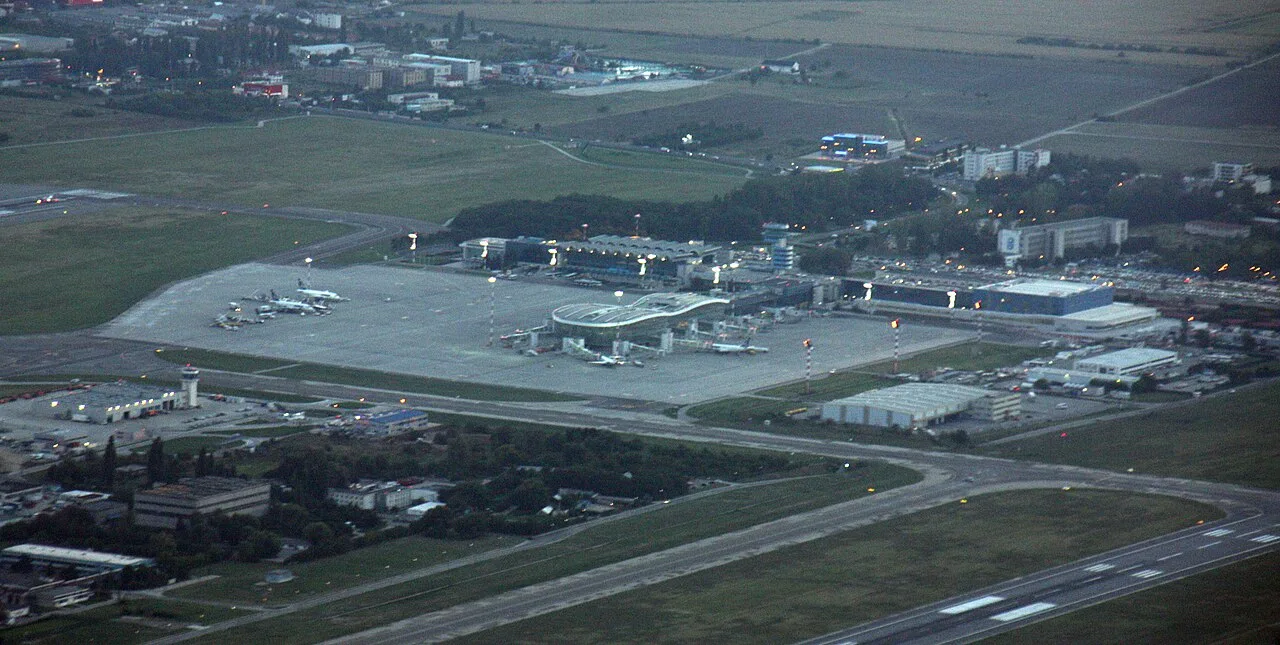
The quickest cheap way from Bucharest Henri Coanda (OTP) into town is the direct train to Gara de Nord - about 6.5 lei, roughly 25 minutes, and running since late 2020 so you can finally skip the old shuttle. If your hotel is near a central square, the 100 express bus costs just 3 lei; if you’re tired, loaded with bags or landing late, a Bolt or a pre-booked transfer gets you door to door in 25 to 40 minutes. The one thing to never do is follow a stranger offering a “taxi” in the arrivals hall.
After you reach the centre, Bucharest to Timisoara is the main westbound train corridor.
OTP sits in Otopeni, 16.5 km north of the centre, and there’s still no metro line to the airport (the M6 is years off). So your real choice is train, bus, app car or transfer. Here’s each one with current lei prices, where to catch it, and the small traps that catch first-timers. If you’ve not booked flights yet and are weighing OTP against a regional airport, our guide to which airport to fly into for Romania is the companion to this one; this page is only about getting from OTP into the city.
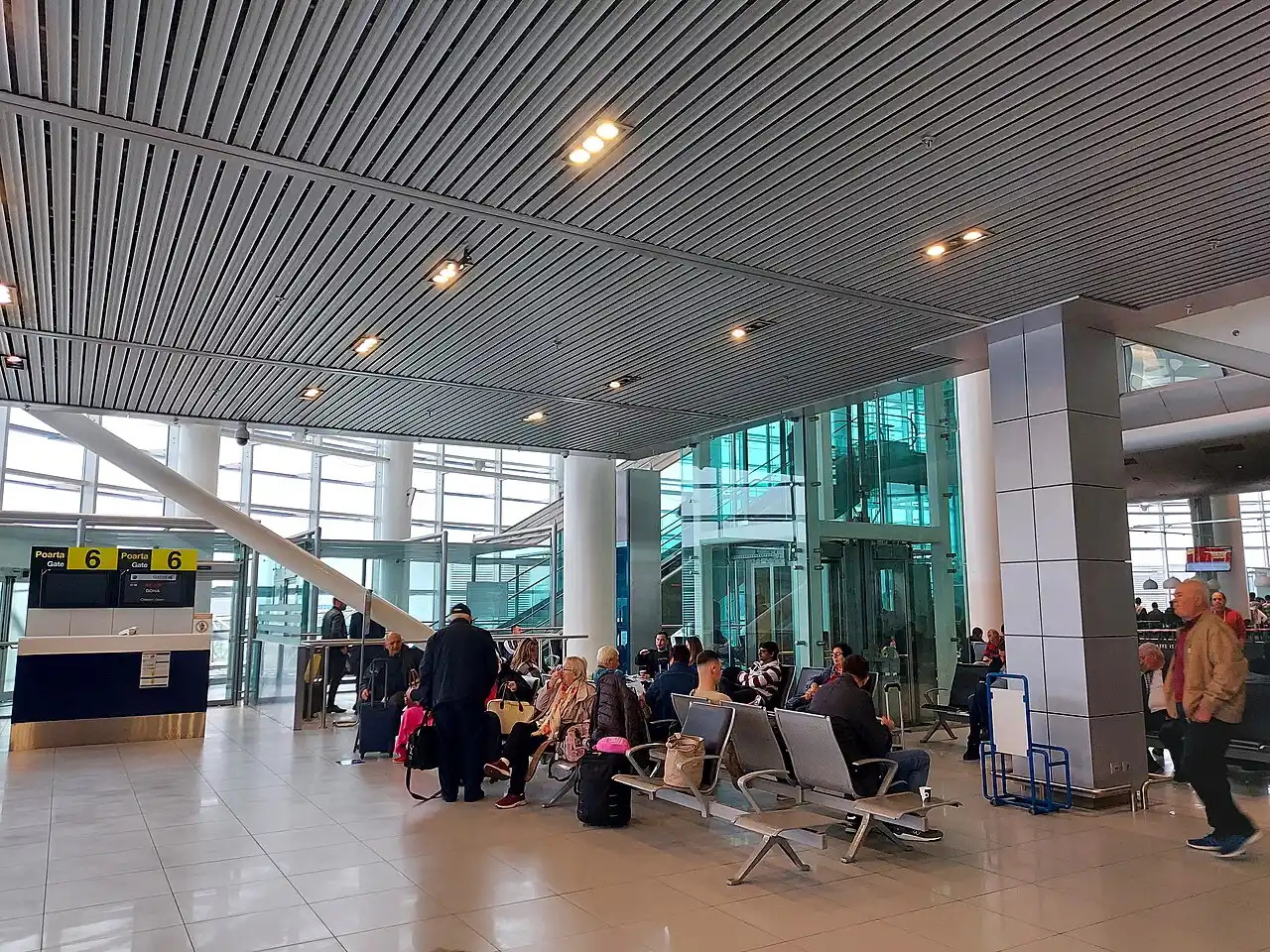
Which option should you pick?
Match the ride to your situation rather than the headline price, because the cheapest option isn’t always the least hassle after a long flight.
- On a budget, hotel near a central square: the 100 express bus (3 lei), which runs down through the main squares.
- Cheap and fast, or continuing by train: the CFR train to Gara de Nord (about 6.5 lei), especially if your next move is a train onward to Brasov or your hotel is near a metro stop.
- Late night, lots of luggage, a group, or a first night when you just want to arrive: a pre-booked transfer or a Bolt, both door to door.
- Never: an unsolicited “taxi” from someone who approaches you inside the terminal.
Where you’re sleeping tips the balance more than anything, so if you’ve not booked yet, our guide to where to stay in Bucharest helps you land somewhere the bus or a short metro hop actually reaches. If a late landing turns straight into a first night out, our Bucharest nightlife guide covers the Old Town bars and the one tout trick worth avoiding.
The train to Gara de Nord
This is the option that changed in late 2020, when a direct rail link finally opened between the airport and Gara de Nord, the main station. Before that you were stuck with a slow bus-shuttle; now a CFR train runs straight there with no stops, for around 6.5 lei (about 1.20 euros), in roughly 21 to 25 minutes, about every 40 minutes day and night. Buy a ticket from the machine on the platform or online; you can also pay onboard by card, though buying it at the station beforehand is usually the cheaper move, and check the current timetable on cfrcalatori.ro because the late-night gaps stretch out.
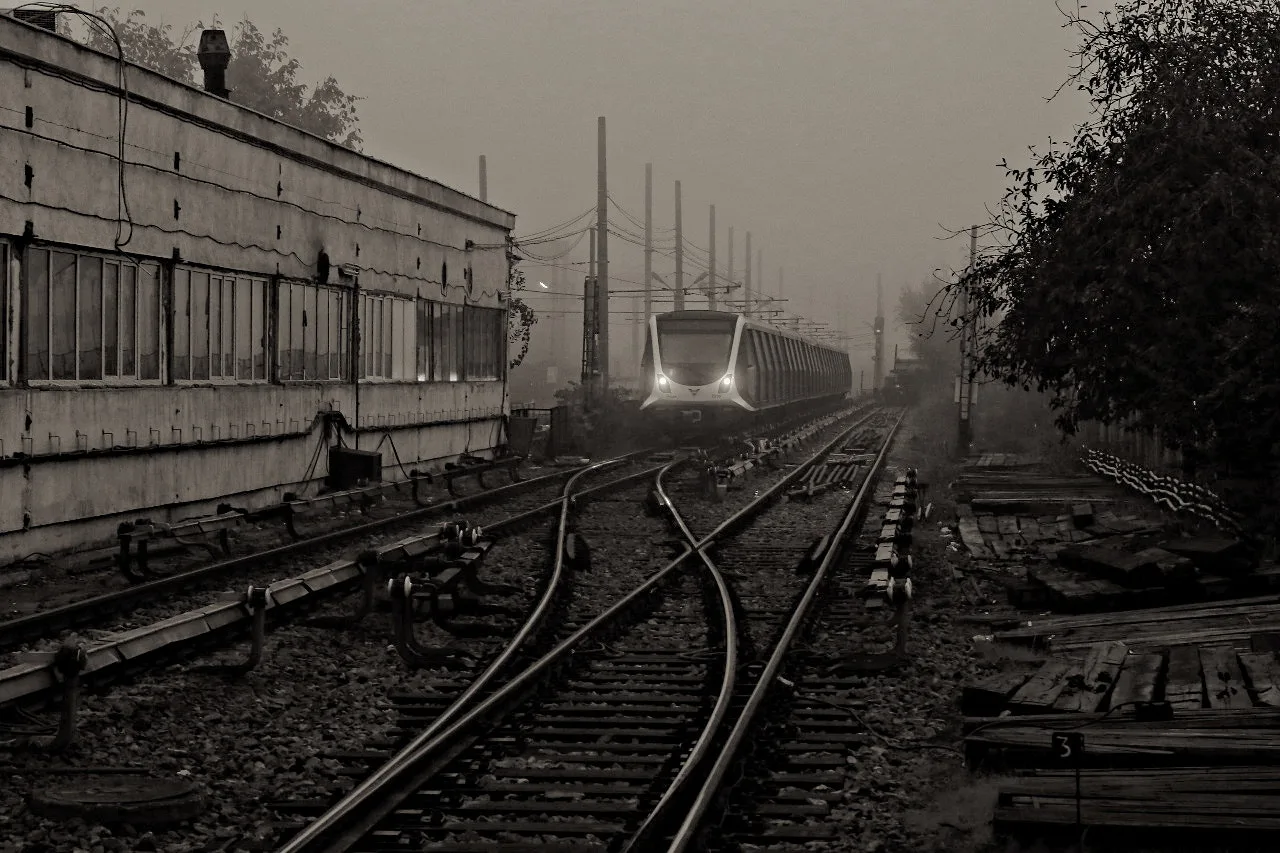
The catch is the drop-off, not the train. Gara de Nord is northwest of the centre, not in the historic core, so unless you’re sleeping near the station you’ll finish with a short leg on the M1 metro or a 10-minute Bolt to Piata Unirii and the Old Town. That makes the train brilliant for two people in particular: anyone catching an onward train straight away (the daily Bucharest to Brasov InterCity leaves from here), and anyone whose hotel sits near a metro line. If your bed is deep in the cobbled centre with a case to drag, the maths is less obviously in the train’s favour.
The 100 express bus (former 783)
The express bus is the true budget pick: a single 90-minute ticket costs 3 lei, and the line runs day and night, roughly every 15 to 20 minutes by day and every half hour late on. It leaves from in front of arrivals and runs down through the city’s spine, passing Piata Victoriei, Piata Romana, Piata Universitatii and terminating at Piata Unirii - every one of them a metro interchange, which is why it’s unbeatable if your hotel is near a central square. Reckon on 40 to 50 minutes depending on traffic.
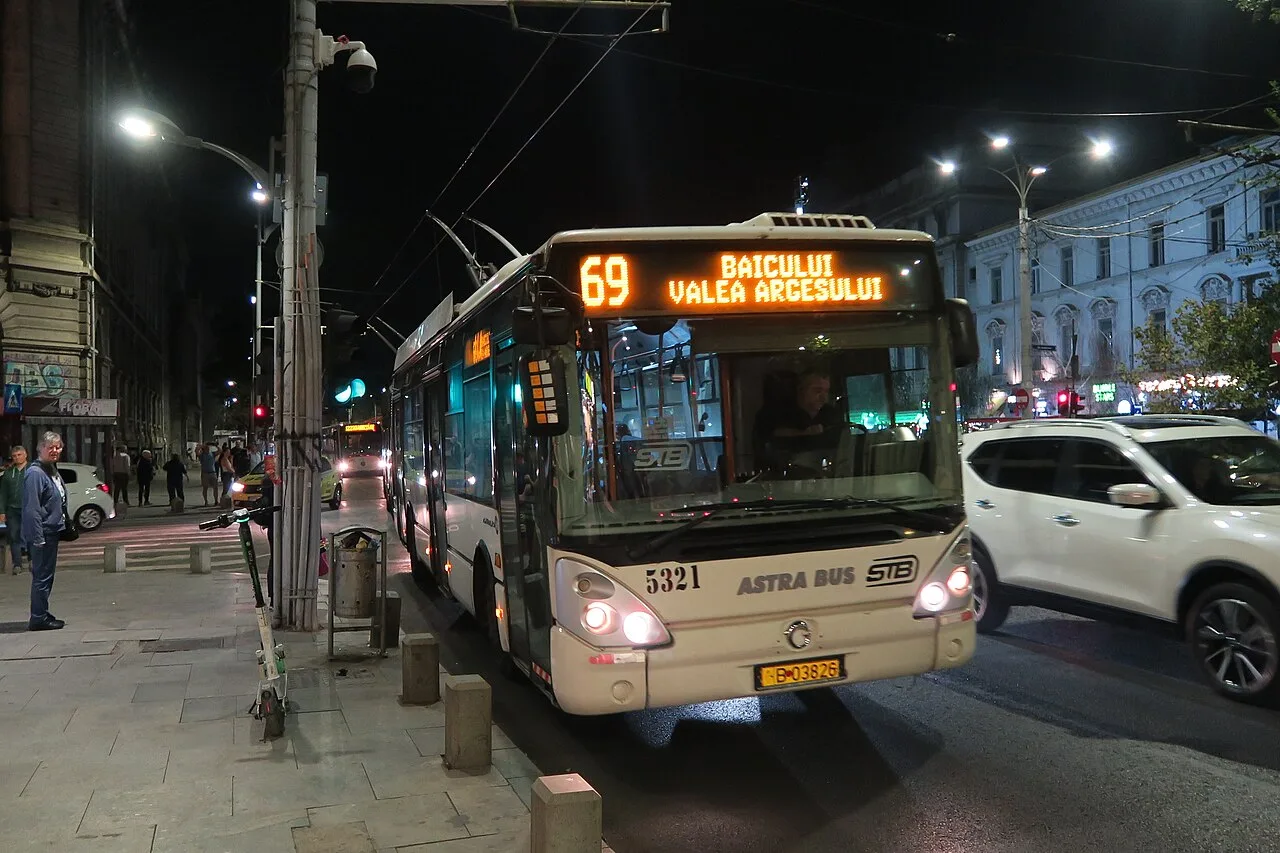
Here’s the trap that strands people: you can’t pay the driver in cash. You’ll need a ticket first, and there are four ways to get one - the red STB machine at the bus stop, a contactless bank card tapped on the validator inside the bus, an SMS with the letter “C” sent to 7458, or the 24pay app. Sort this at the stop, because turning up at the door with only banknotes and no card means watching the bus leave. Buy a travel card or tap a contactless card and the 3-lei fare is the cheapest ride into any European capital I can think of.
A taxi, done right
Taxis from OTP are fine as long as you order one from the machine, not from a person. In the arrivals hall there are yellow touch-screen terminals that dispatch a metered cab from a pre-authorised company (Meridian and Cristaxi are the usual reputable names). Tap your destination, take the printed slip with the car details, and wait at the pickup ramp. The metered fare into the centre is normally 60 to 130 lei and the drive is 30 to 50 minutes. Keep some lei for it; not every driver takes cards happily.
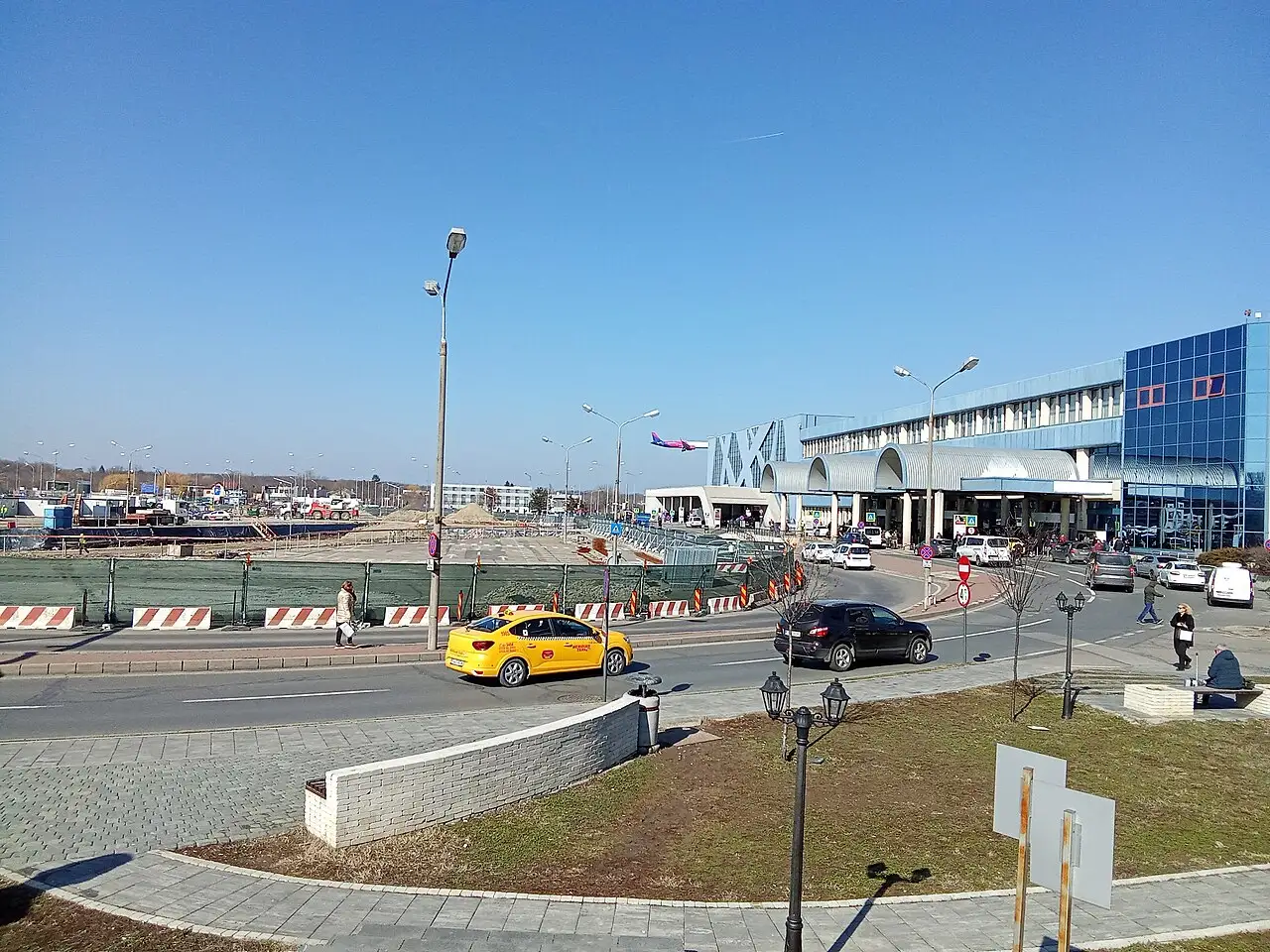
Don’t shrug the warning off, because OTP has a long-running touting problem. Anyone who walks up to you inside the terminal offering a taxi, or who wants to “agree a price” instead of running the meter, is the exact person to walk away from - the honest cabs come from the machine and run the meter. The bus, the train, the apps and a booked transfer all sidestep this entirely, which is why plenty of regulars never take an airport-rank cab at all.
Bolt and Uber, the easy default
For most arrivals, the ride-hailing apps are the sweet spot: a fixed in-app price (usually the same 60 to 130 lei band as a metered taxi, more when surge pricing kicks in), card payment, and no meter to argue about. You order from the marked ride-hailing pickup point rather than the taxi rank, and the app shows you the car and driver. The only requirement is a working data connection the moment you land, so it pays to arrive already online - our best eSIM for Romania guide sorts that out while you’re still packing. Bolt is the dominant app in Bucharest; Uber works too but usually returns the same cars.
A booked transfer, door to door
If you’d rather not think about any of the above, a pre-booked transfer is the lowest-stress way in. You reserve in advance, a driver meets you at arrivals with your name on a board, the price is fixed in advance with no surge, and you go straight to your hotel door in the usual 25 to 40 minutes. It costs more than the bus or train, obviously, but for a late-night landing, a group splitting the fare, a pile of luggage, or simply a first night when you want zero friction, it earns its keep. You can book a fixed-price transfer from OTP in advance and walk straight out to a waiting car.
How much, how long: side by side
Rough guide into the centre, all confirmed mid-2026 and all worth double-checking on the day, since fares and timetables move:
- 100 express bus: 3 lei, 40-50 min, every 15-20 min (30 at night). Cheapest; needs a ticket bought before boarding.
- CFR train: about 6.5 lei, 21-25 min, every 40 min. Fast and traffic-proof; drops at Gara de Nord, not the Old Town.
- Metered taxi (from the machine): 60-130 lei, 30-50 min. Fine if you use the terminals, not the touts.
- Bolt / Uber: 60-130 lei, 30-50 min. Fixed app price; needs data on arrival.
- Booked transfer: more, 25-40 min. Door to door, driver waiting, zero stress.
For how all of this fits your wider spending, the Romania trip cost breakdown puts airport transport next to the rest of your daily budget in lei, and everything here’s priced in lei because Romania isn’t in the eurozone, as our money in Romania guide explains.
Skipping the city: OTP straight to Brasov
A lot of long-haul arrivals never need Bucharest at all on day one. If your first nights are in the mountains, you can leave Otopeni and go straight to Brasov without dropping into the centre.
There’s no direct train from OTP to Brasov. The airport rail link only runs to Gara de Nord, so the public-transport route is train (or bus 100) into town, then the InterCity or InterRegio north - fine if you’re unhurried and travelling light, awkward with big bags and a late landing. The cleaner airport-first options are:
- Shared airport shuttles / minibuses (operators such as Direct Aeroport, Transfer Low Cost and similar services listed on aggregators like Aero Bus). They pick up at the terminal and drop in Brasov in roughly 2 to 3 hours. Published one-way fares often sit around 70 to 120 lei depending on the company and how early you book - confirm the live price and the exact Brasov stop (bus station vs hotel drop) before you pay. Departures run through most of the day and into the evening; late-night gaps exist, so check the timetable against your flight.
- Private fixed-price transfer door to door to your Brasov hotel - the low-stress pick after a long haul flight, especially with a group splitting the fare. You can book that transfer in advance and walk out to a name board.
- Hire car at OTP if Brasov is only the first night of a castle / Transfagarasan loop - then the DN1 drive is the start of the road trip, not a transfer to minimise.
For the city-to-city comparison (train vs bus vs car once you’re already in Bucharest), use our Bucharest to Brasov guide. This page stays focused on leaving the airport; that one covers the full corridor once you’re on Romanian ground.
Skipping the city: what about Cluj?
Don’t force a Bucharest overnight if your trip is really Transylvania-north. Flying into Cluj (CLJ) instead of OTP often saves a full day of ground transfer - the airport sits only about 8-9 km from the centre, with CTP buses A1E, 5 and 8 into town in about 26 minutes (a few lei) or a short Bolt/taxi. Our which airport for Romania guide maps OTP vs CLJ by region; the Cluj city page covers the same last mile in more detail.
The short version
Take the train (about 6.5 lei) if you’re continuing by rail or sleeping near a metro stop; take the 100 express bus (3 lei) if your hotel is near a central square and you’ve sorted a ticket; take a Bolt or a booked transfer if you’re tired, late, in a group or heavily loaded. Skip the taxi touts entirely, keep a little cash in lei, and land already online so the apps work. Get that one decision right and you’re in the centre inside the hour, with the whole first day in Bucharest still ahead of you rather than spent at a taxi rank.
Read also

Transport · 14 min read
Bucharest to Budapest: Night Train, Bus & Flights
Verified · September 4, 2026Bucharest to Budapest 2026: CFR night train from 27 EUR, FlixBus from 36.98 EUR in 13h, or a 1h45 flight. Fares, times, border, Oradea stop.

Transport · 9 min read
Bucharest to Sinaia Train 2026: ~1.5h, from 32.5 lei
Verified · August 31, 2026Bucharest to Sinaia by train in about 1.5 hours: fares from 32.5 lei, Peles timing and its 16:00 last entry, and when a transfer wins.

Transport · 10 min read
Cluj to Brasov 2026: Bus 3h40 from 81 lei
Verified · August 28, 2026Cluj-Napoca to Brasov: bus about 3h40 from 81 lei, CFR InterCity about 6h35 from 126,50 lei, drive 275 km in about 4h20. Check before you go.

Transport · 9 min read
Brasov Airport (GHV): Flights & Getting to Town
Verified · August 21, 2026Brasov-Ghimbav (GHV) opened in 2023: who flies, the RATBV A1 bus at 5 lei, taxi and transfers into town. Check the live board.