
Bucharest to Cluj-Napoca: Flight, Train & Bus
Bucharest to Cluj-Napoca: why the one-hour flight beats the 9-hour train, real times and prices in lei, plus the airport bus and night sleeper.
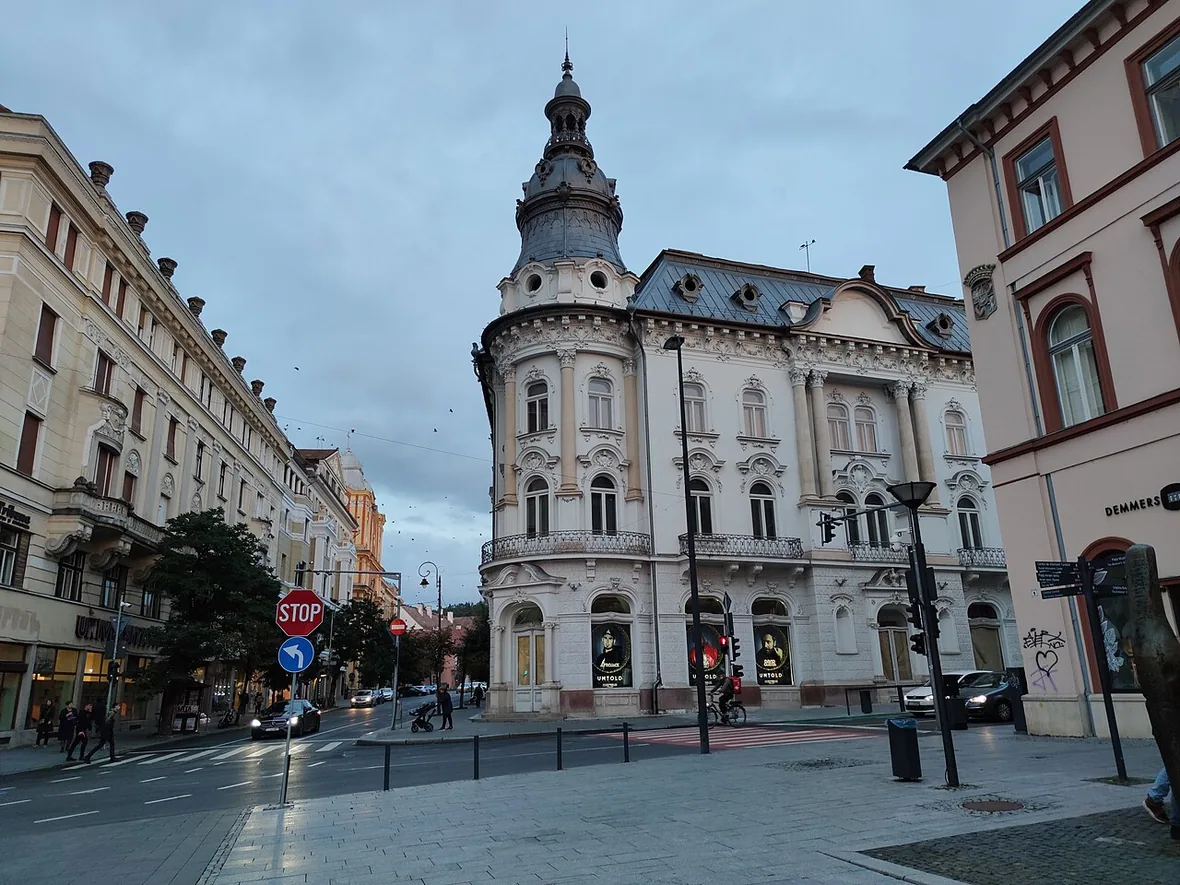
Fly. Bucharest to Cluj-Napoca is the one big domestic route in Romania where a plane is the clear winner: the flight is about an hour in the air and can cost as little as a cheap train ticket if you book ahead, while the train grinds across the Carpathians for nine to ten hours. Unless you specifically want a scenic overnight or your own car in Transylvania, the plane wins on time, and often on price too. Once you land, our Cluj-Napoca travel guide covers the city itself.
This is the mirror image of the short hops like Bucharest to Brasov, where flying would be absurd. Cluj sits about 450 km away by road and nearly 500 km by rail, right across the mountains in the northwest, and Romania has no high-speed line and no finished motorway covering the whole way. That distance is exactly where a short flight pulls decisively ahead of everything on the ground. Here is how the real options compare, with current times and prices in lei.
Is it faster to fly or take the train to Cluj?
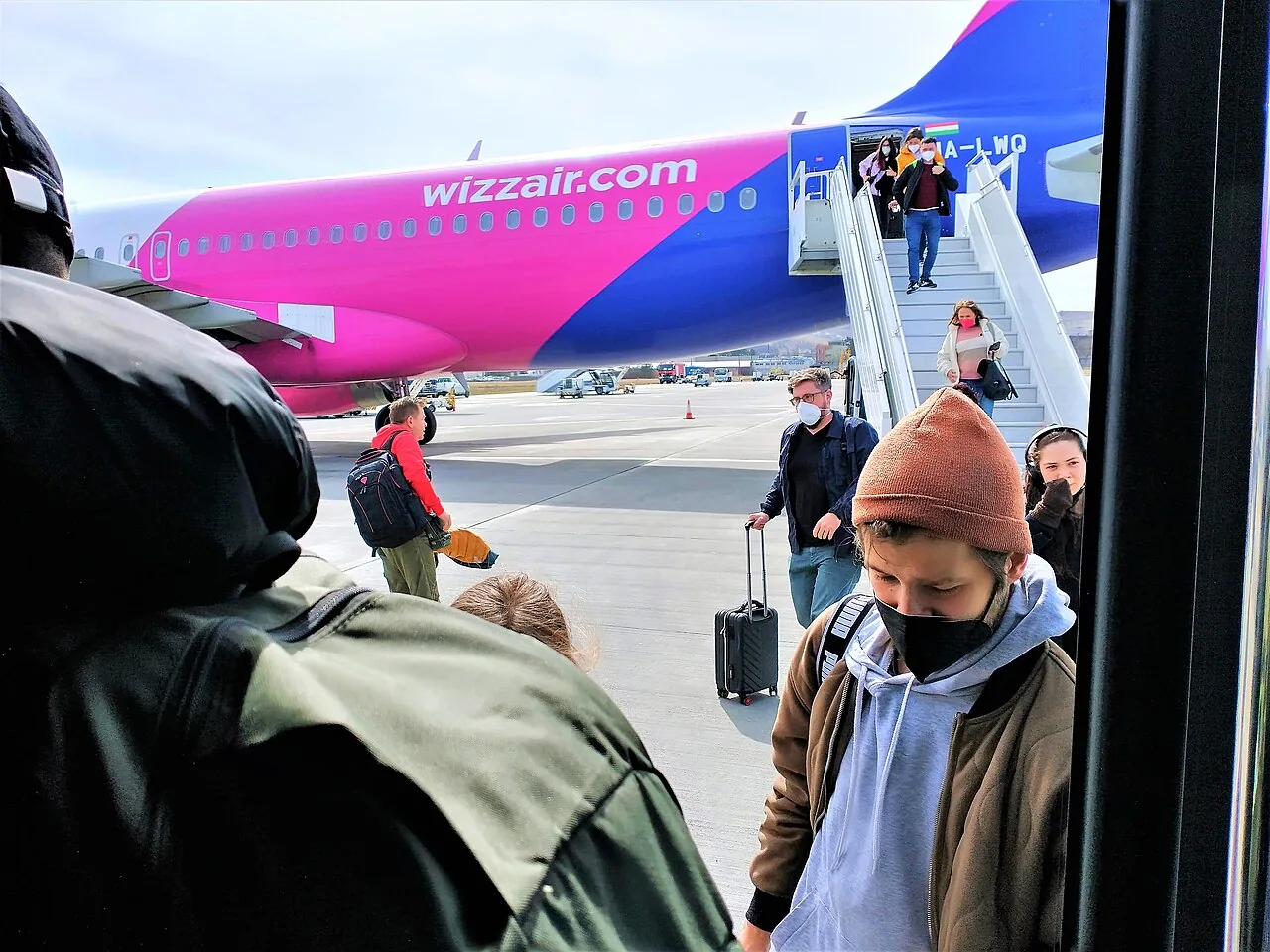
Fly, and it isn’t remotely close. The flight from Bucharest’s Henri Coanda airport (OTP) to Cluj’s Avram Iancu airport (CLJ) takes about an hour in the air, and there are around 35 to 40 direct flights a week on Tarom, Anima Wings and HiSky, so you can usually find one to suit your day. Fares start from roughly 50 US dollars if you catch a cheap advance seat, though they climb closer to a departure. Even adding the trip out to OTP, check-in and the ride into Cluj at the other end, you’re looking at roughly half a day door to door, against a full working day on the train.
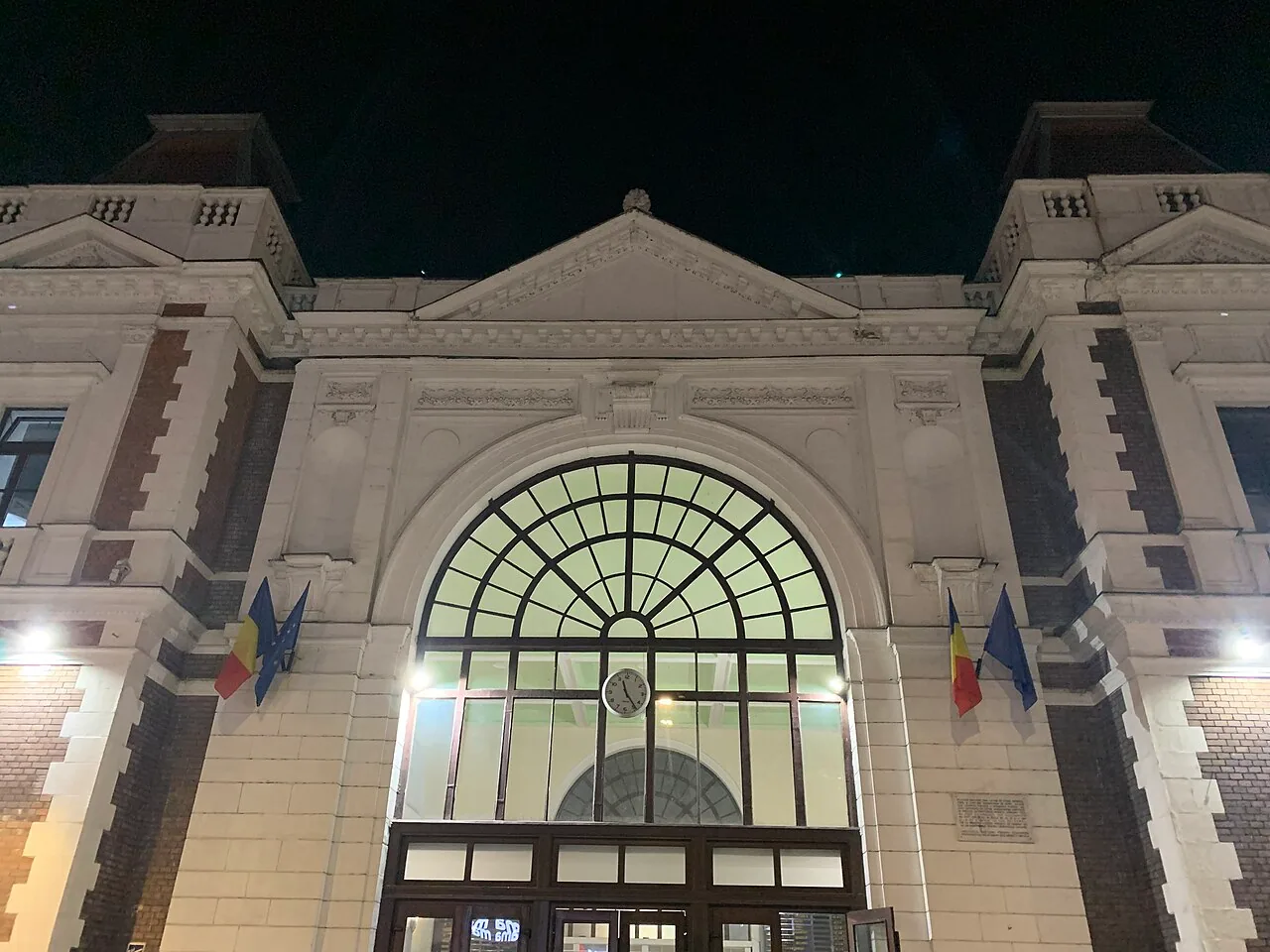
The train, by contrast, is genuinely slow. There are only a handful of services a day, and they take somewhere between eight and three-quarter and ten hours to cover the route, including a night sleeper. Tickets are cheap, from about 40 lei in second class, but you spend that saving in hours. This isn’t a quirk of one route; it’s the state of the Romanian network. Decades of underinvestment and deferred track maintenance mean average speeds on many main lines sit below 60 km/h, which is why a distance that takes German trains four hours takes Romanian ones nearly ten.
When does the train actually make sense?
There’s one strong case for the train, and it’s the night sleeper. If you take an overnight service, you board in the evening, sleep through the long haul, and wake up in Cluj having saved a night’s hotel and a day of daylight. For budget travellers and anyone who sleeps well on trains, that turns the biggest weakness of the route, its length, into a feature. Book a berth in a sleeping car (vagon de dormit) or couchette rather than a plain seat, or the ten hours will feel every bit as long as they are.
The other reason is simply that some people would rather not fly, or want to watch Romania roll past the window. The daytime run does climb through real scenery in the Carpathian foothills, and there’s no security line, no baggage limit and no airport transfer at either end; you leave from and arrive at a central station. If your priority is a relaxed, low-stress, low-carbon journey and you have the day to spend, the train delivers that. Just go in knowing it’s a commitment, not a quick hop.
What about the bus and driving?
The bus splits the difference and rarely wins. FlixBus and others run the route in about seven hours for roughly 100 to 285 lei, faster than the train but far slower than flying, and stuck on the same mountain roads as every car because there’s no continuous motorway. It’s a reasonable middle option if you dislike flying, don’t want a sleeper, and prefer a single through-coach to changing trains, but for most travellers the plane or the night train are the better ends of the trade-off.
Driving takes about five to five and a half hours over the mountains for the 450-odd km, and like everywhere in Romania you need a road vignette (the rovinieta), bought online or at a petrol station, on top of fuel. The drive only makes sense if you actually want a car at the far end. And here Cluj is a strong case: it’s the gateway to the Apuseni Mountains, the Turda salt mine and gorge, and the wider Transylvanian loop toward Sibiu and Sighisoara, so if you’re road-tripping the region anyway, driving up is the natural first leg rather than a transfer to be endured.
Getting from Cluj airport into the city
Cluj’s airport sits about 8 to 10 km east of the centre, and the transfer in is quick and cheap, which is part of why flying works so well here. The easiest public option is the A1E Airport Express bus, which runs from right outside arrivals into the centre in about 20 to 25 minutes and costs only 6 lei. City buses 5 and 8 also serve the airport. One catch to know in advance: you can’t pay the driver in cash on these buses. You need a contactless card or the local ticketing app, so sort that out at the terminal rather than at the bus door.
If you would rather go straight to your hotel, a taxi runs about 30 to 50 lei for the ten-to-fifteen-minute ride, and both Uber and Bolt operate in Cluj at similar prices, ordered through the app from the arrivals area. For a group, with luggage, or if you’re arriving late, a booked transfer waiting with your name is the least-hassle option. Whichever you choose, the leu-not-euro thing matters here: keep a little cash for incidentals, but expect to tap a card for that airport bus.
Where to go once you arrive
Cluj is Transylvania’s biggest city and its liveliest, a university town with a huge student population that gives it a young, cosmopolitan buzz you feel the moment you reach the centre. The heart of it’s Piata Unirii, dominated by the soaring Gothic St Michael’s Church, with cafes, bars and galleries spilling through the surrounding streets. Our guide to things to do in Cluj-Napoca covers the squares, the botanical garden, the Hoia forest and the food and nightlife the city is known for.
From here the region opens up: the Turda salt mine and gorge are an easy day trip, the Apuseni Mountains are on the doorstep, and the classic Transylvanian circuit south to Sibiu and Sighisoara starts here. For the next leg toward the mountains, Cluj to Brasov is the bus-vs-train comparison. If you’re still choosing where to land in the country, our guide to which airport to fly into for Romania weighs Cluj against Bucharest and the others, since for a Transylvania-first trip flying straight into CLJ can save you exactly the long overland haul this article is about. Once your dates are set, compare flights for the cheapest day, and if you would rather be met at the airport, a fixed-price transfer drops you at the door.
Photos
Admission and opening hours
- Admission price
- Flight from roughly 50 US dollars on an advance seat, typically higher one way. Train from about 40 lei second class, more for a sleeper berth. Bus roughly 100-285 lei. Driving: fuel plus a road vignette (rovinieta). Cluj airport bus (A1E) is 6 lei, cashless only.
- Opening hours
- Flight: about 1 hour in the air, several a day. Train: a few a day including a night sleeper, roughly 9 to 10 hours. Bus: about 7 hours, every few hours. Drive: about 5 to 5.5 hours over the mountains.
Times and fares change. Check the airlines, CFR Calatori (cfrcalatori.ro) and bus operators for live times and prices before you travel. Checked July 2026.
Details checked: July 8, 2026
Read also

Transport · 14 min read
Bucharest to Budapest: Night Train, Bus & Flights
Verified · September 4, 2026Bucharest to Budapest 2026: CFR night train from 27 EUR, FlixBus from 36.98 EUR in 13h, or a 1h45 flight. Fares, times, border, Oradea stop.

Transport · 9 min read
Bucharest to Sinaia Train 2026: ~1.5h, from 32.5 lei
Verified · August 31, 2026Bucharest to Sinaia by train in about 1.5 hours: fares from 32.5 lei, Peles timing and its 16:00 last entry, and when a transfer wins.

Transport · 10 min read
Cluj to Brasov 2026: Bus 3h40 from 81 lei
Verified · August 28, 2026Cluj-Napoca to Brasov: bus about 3h40 from 81 lei, CFR InterCity about 6h35 from 126,50 lei, drive 275 km in about 4h20. Check before you go.

Transport · 9 min read
Brasov Airport (GHV): Flights & Getting to Town
Verified · August 21, 2026Brasov-Ghimbav (GHV) opened in 2023: who flies, the RATBV A1 bus at 5 lei, taxi and transfers into town. Check the live board.