
Bucharest to Constanta: Train, Bus & Car
How to get from Bucharest to Constanta and the Black Sea: train times and fares in lei, the bus option, driving the A2, and which to pick in summer.
The train is the easy answer. Bucharest to Constanta is about 225 km, and a direct train from Gara de Nord does it in a little over two hours from roughly 48 lei, which in high summer beats the motorway hands down because the A2 to the coast jams solid on weekends. Drive only if you plan to explore the wider coast; take the bus if it’s cheaper on your dates. Below is each option with real times, fares in lei, and the one timing trap that catches everyone in July and August.
Book a train a few days ahead on the official CFR site and take the fastest InterCity service. Save the car for when you want to roam Dobrogea, the Danube Delta or the smaller resorts, and if you drive, dodge Friday evening heading down and Sunday evening coming back. Whichever you pick, budget in lei, because Romania doesn’t use the euro.
The train: the default choice
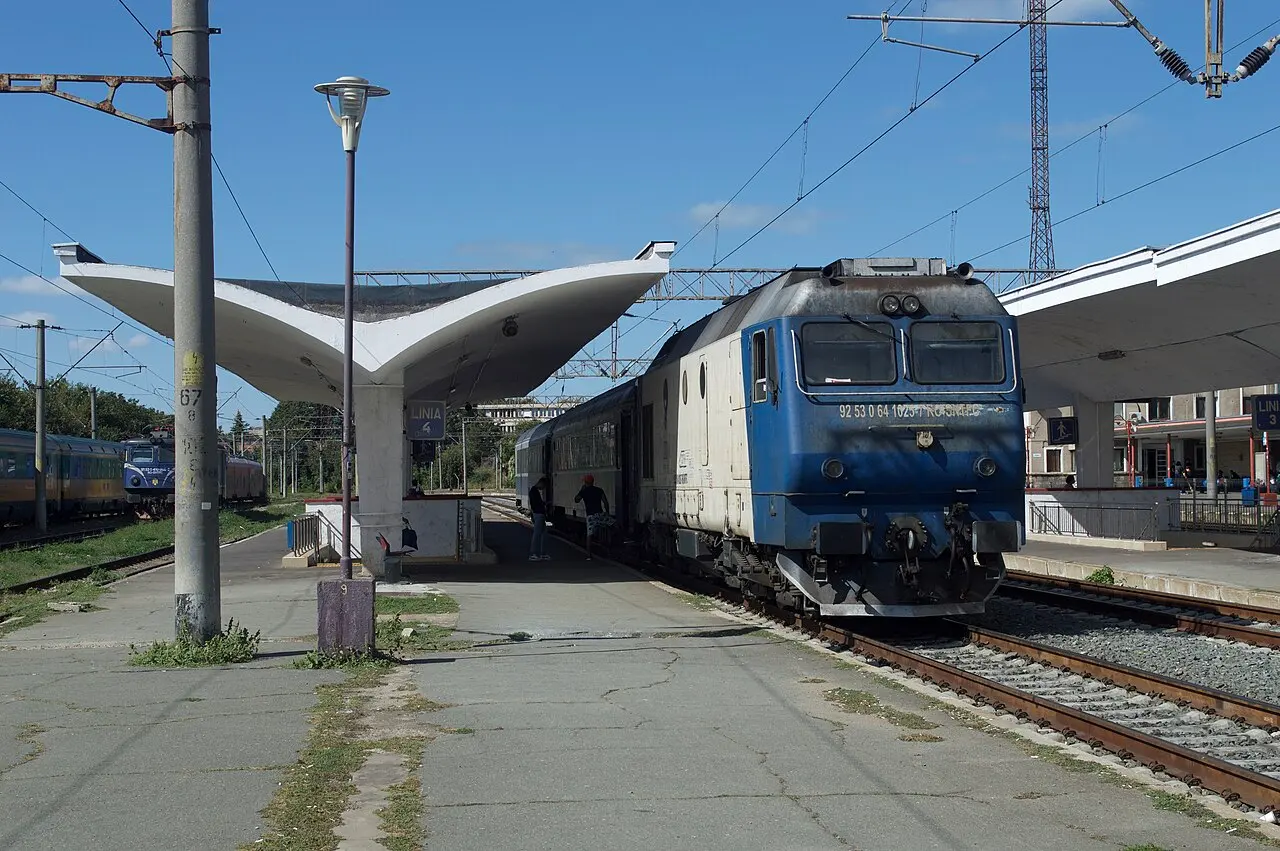
Romanian Railways (CFR Calatori) runs the coast line straight out of Bucharest’s main station, Gara de Nord, to Constanta. Across the 2025-2026 timetable there are around fourteen to sixteen services a day each way, and the number climbs in summer when CFR lays on extra seasonal “Sun Trains” (Trenurile Soarelui) roughly from mid-June to early September for the beach season. The fast InterCity (IC) trains cover the route in a little over two hours; the cheaper InterRegio (IR) services stop more often and run closer to two and a half. Either way it is a comfortable half-day-trip distance rather than a slog, and the ride is flat and smooth the whole way.
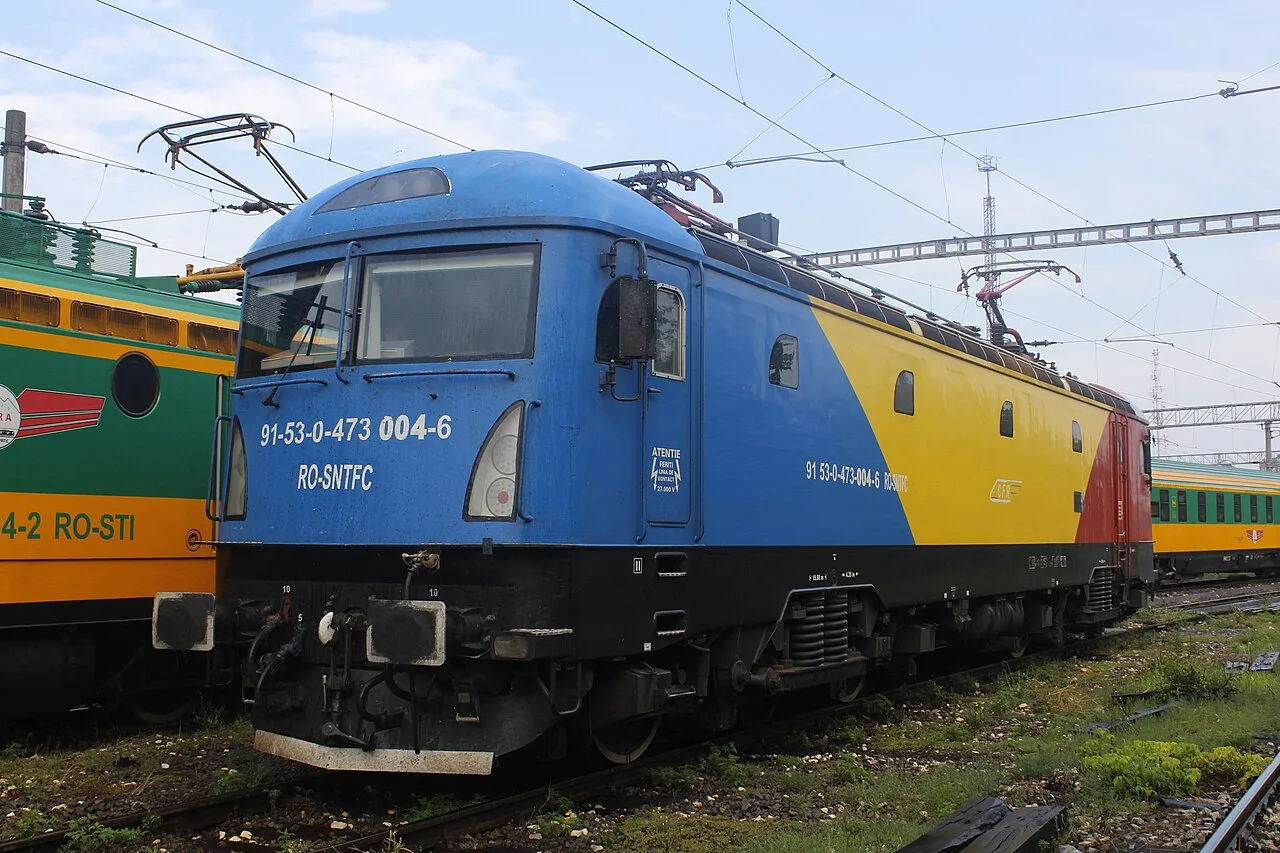
Fares start around 48 lei when you book a few days ahead, and walk-up tickets on the day cost more, so it pays to plan. Buy online at the official site, bilete.cfrcalatori.ro, where you can pick your train and reserve a seat; on summer weekends the good departures sell out, so do not leave it to the platform. CFR is also rolling new Alstom Coradia Stream electric trains onto this high-demand line through 2026, which are a noticeable step up in comfort on the older carriages. The station in Constanta is a walk or short taxi from the old-town seafront, and the resort strip at Mamaia is a further short hop north.
The bus: cheaper, slower, less handy
Coach lines including FlixBus run Bucharest to Constanta too, and they take longer than the train, usually about three to three and a quarter hours over roughly 230 km. There are fewer departures than the train, spread across the day, with the first typically leaving mid-morning and the last in the early evening. Modern coaches have Wi-Fi, power sockets and a toilet on board.
Two caveats decide whether the bus makes sense. First, price isn’t a slam dunk: fares swing with demand and are often only similar to or a little below the train when booked ahead, rather than dramatically cheaper, so compare both on your dates instead of assuming the bus wins. Confirm the current fare on the operator’s site rather than trusting a fixed figure. Second, the bus drops you at a coach terminal, not on the seafront, so factor in the extra hop to your hotel. The bus makes most sense when the trains you want are sold out or badly timed, or when a coach fare genuinely undercuts the rail one.
Driving the A2 Sun Motorway
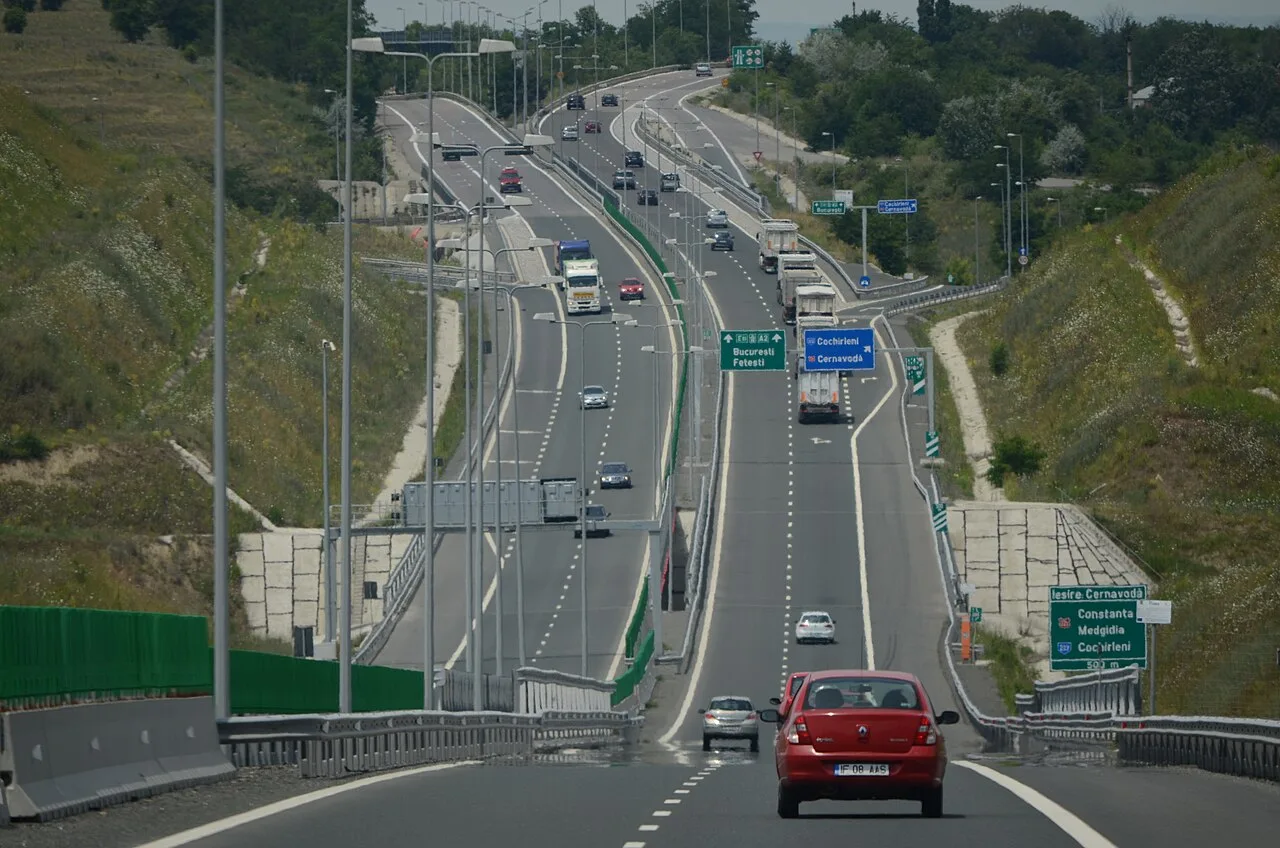
The A2, nicknamed the Autostrada Soarelui or Sun Motorway, is a flat, straightforward toll-free run of roughly 200 to 225 km from Bucharest to Constanta, and in normal conditions it takes about two and a half to three hours. Having a car is the right call if you want to base yourself along the coast, day-trip to the smaller resorts, or push north to the Danube Delta afterwards, because the train and bus only get you to the city.
There is one cost the maps hide and one timing trap that ruins summer trips. The cost: crossing the Danube at Fetesti-Cernavoda you pay a bridge toll, around 13 lei for a car under 3.5 tonnes, so keep a little cash handy. You also need a rovinieta, the electronic road vignette required to drive any main road in Romania, which the driving in Romania guide explains in full along with rental deposits and local road habits. The timing trap: the A2 seizes up on Friday evenings heading to the coast and Sunday evenings heading back, turning a three-hour drive into a five-hour crawl, and parking in Constanta and Mamaia is tight at the height of summer. Travel midweek or early in the day and it’s a genuinely easy drive.
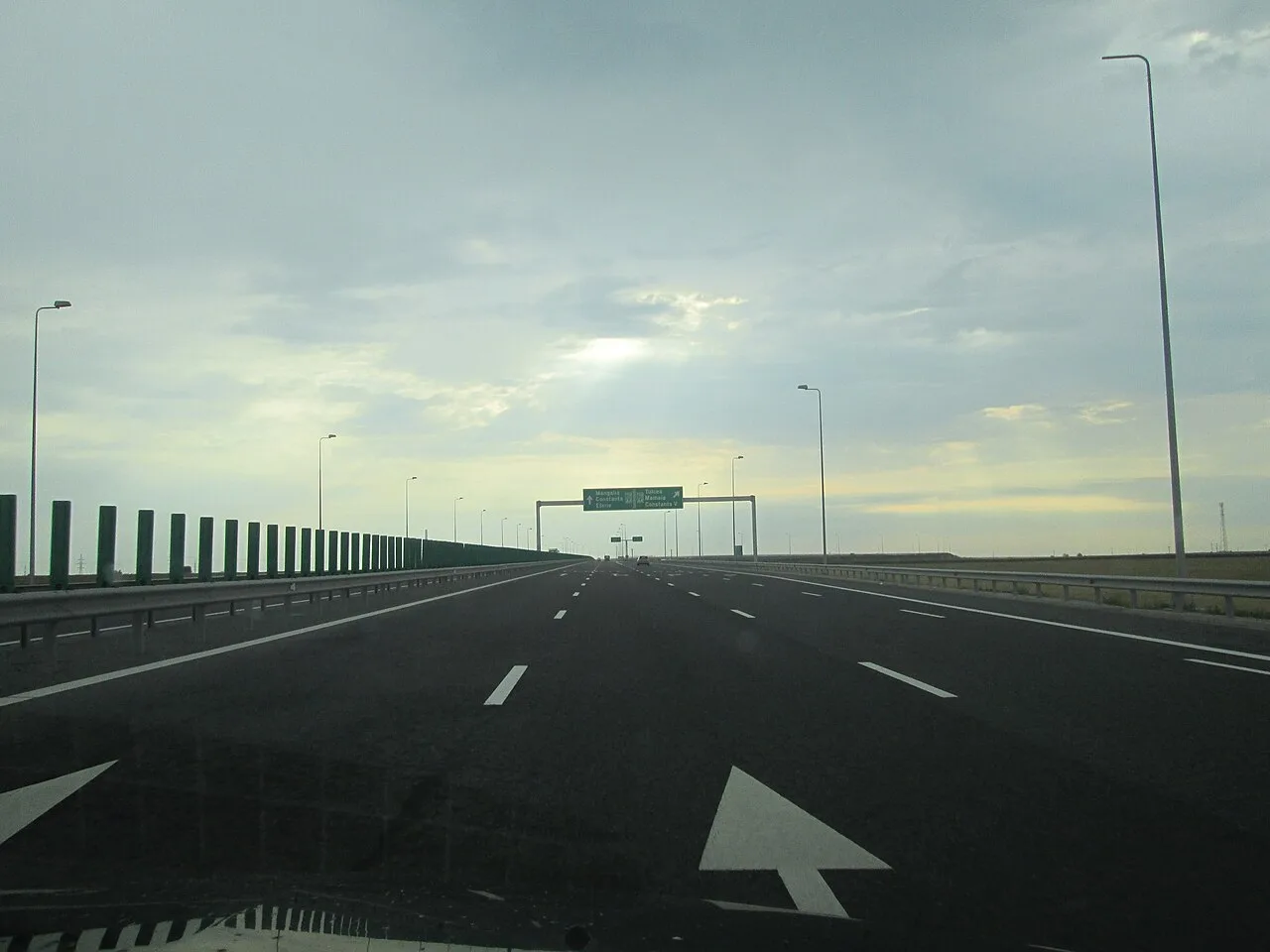
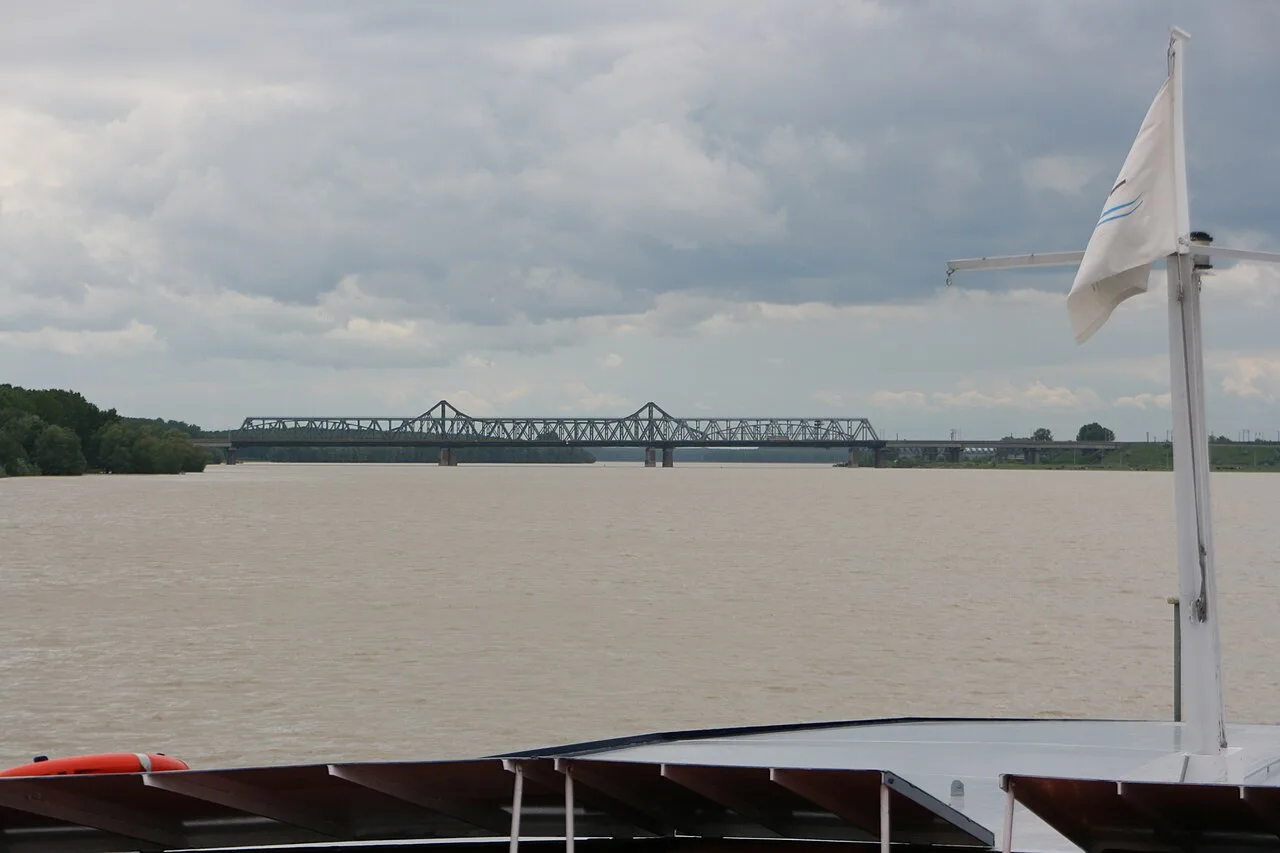
Whichever way you travel, the corridor east is the same: out across the flat Baragan plain, over the Danube at Fetesti-Cernavoda where the river splits around the low, watery Borcea floodplain, and into Dobrogea, the dry, sun-baked wedge of land between the great river and the sea. It’s not Romania’s most scenic journey, and the middle stretch is frankly featureless, but it’s fast and easy, and the first sight of the coast at the end more than makes up for it.
What about flying or a transfer?
Flying makes little sense for a hop this short. Constanta has its own airport, Mihail Kogalniceanu (CND), just inland, but it mostly handles seasonal and low-cost routes rather than a frequent Bucharest shuttle, and by the time you factor in getting to and from two airports, the train wins easily. For the bigger picture of flying into the country and connecting onward, our guide to which airport to use for Romania lays out the gateways. If you’re a group, arriving late, or carrying beach gear and small children, a fixed-price private transfer door to door can be worth it, and a rental car pays off the moment you want to leave the city and explore the coast at your own pace.
So which should you take?
Match it to your trip rather than the price alone. For most visitors the train is the right default, and you really only need the alternatives for a specific reason.
| Time | From | Best for | |
|---|---|---|---|
| Train | ~2-2.5 h | ~48 lei | Most people, summer weekends |
| Bus | ~3-3.25 h | varies | Sold-out trains, tight budget |
| Car | ~2.5-3 h | fuel + 13 lei toll | Exploring the coast and Delta |
- Just going to the beach for a few days - take the train. It is the fastest, the least stressful, and it sidesteps the weekend traffic.
- On a tight budget or the trains are full - check the bus, but compare the actual fare first.
- Planning to roam the coast, Mamaia, the southern resorts or the Danube Delta - drive, and time it to avoid the weekend rush.
When to go, and the summer crush
The Black Sea season runs roughly mid-June to early September, and that is exactly when this route gets busy. Weekends are the pinch point: Friday and Saturday mornings everything heads to the coast, Sunday evening everything comes back, and both the A2 and the popular train departures fill up. If your dates are flexible, travelling down midweek and returning midweek is the single best move you can make. Book the train as far ahead as you can in July and August, and if you are driving, leave early to beat the jams; the shoulder months of May and September are noticeably quieter on the road, and the sea stays warm enough to swim into early autumn.
Once you’re there, the city rewards a slow look: the reopened Art Nouveau Casino, the Roman mosaic, ancient Tomis and the Mamaia beach strip. The old Peninsula is the historic half and Mamaia the beach half, and most people split the two across a long weekend. Our Constanta and the Black Sea coast guide covers what to see and where to base; if you’re still choosing between Mamaia and the resorts further south, start with which Black Sea resort to pick. If the coast is one leg of a bigger trip, the Romania 7-day itinerary shows how to fold it in after the mountains and castles. For a room, our where to stay in Constanta guide weighs up Mamaia, the Peninsula and the city centre by budget and season; compare hotels in Constanta or Mamaia and book early, because the seafront fills fast across summer weekends. One tip on splitting the two halves: take the Peninsula in the morning, while the mosaic and the Casino are still cool and empty, and leave Mamaia for the afternoon, when a beach is the only sensible place to be.
Read also

Transport · 14 min read
Bucharest to Budapest: Night Train, Bus & Flights
Verified · September 4, 2026Bucharest to Budapest 2026: CFR night train from 27 EUR, FlixBus from 36.98 EUR in 13h, or a 1h45 flight. Fares, times, border, Oradea stop.

Transport · 9 min read
Bucharest to Sinaia Train 2026: ~1.5h, from 32.5 lei
Verified · August 31, 2026Bucharest to Sinaia by train in about 1.5 hours: fares from 32.5 lei, Peles timing and its 16:00 last entry, and when a transfer wins.

Transport · 10 min read
Cluj to Brasov 2026: Bus 3h40 from 81 lei
Verified · August 28, 2026Cluj-Napoca to Brasov: bus about 3h40 from 81 lei, CFR InterCity about 6h35 from 126,50 lei, drive 275 km in about 4h20. Check before you go.

Transport · 9 min read
Brasov Airport (GHV): Flights & Getting to Town
Verified · August 21, 2026Brasov-Ghimbav (GHV) opened in 2023: who flies, the RATBV A1 bus at 5 lei, taxi and transfers into town. Check the live board.