
Romania Digital Nomad Guide (2026): Visa, Cost & Wi-Fi
Is Romania good for remote work? Straight answers on the nomad visa income bar, real cost of living, gigabit fibre and the best cities to base in.
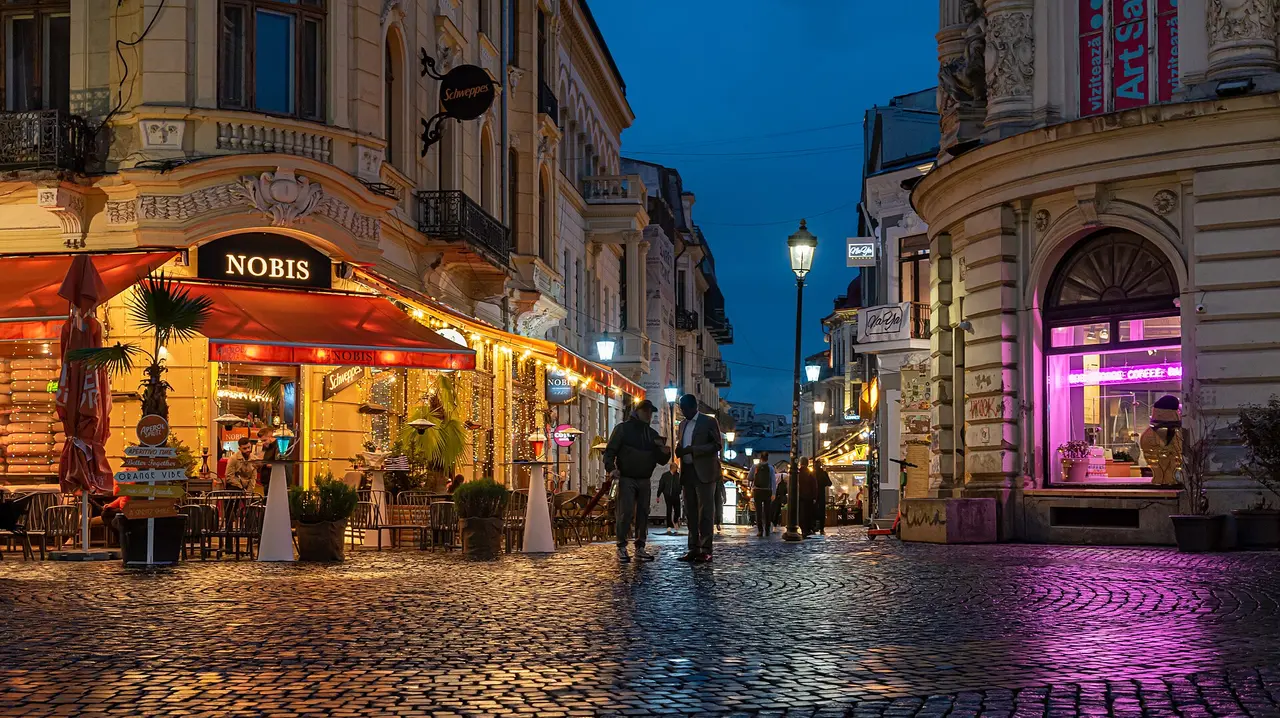
Romania is one of Europe’s most underrated bases for remote work, and the reason is boringly practical: gigabit fibre for about 10 euros a month, big-city rents that undercut most of the EU, and a formal digital-nomad visa if you need to stay long. The catch is that the visa’s income bar is high, set at three times the national average wage, so most people who land here are either high earners on that visa or short-stayers using Romania’s 90-day Schengen window instead. Here is what it costs, how the visa works, and where to actually set up.
If you’re choosing between here and the usual suspects, the pitch is speed and value over hype. You won’t find a huge, self-conscious “nomad scene” the way you do in Lisbon or Bali. What you get instead is a real country with world-class internet, cheap flat whites and mountains an hour from the capital, where your money stretches further than almost anywhere else in the EU.
Is Romania good for digital nomads?
Short answer: yes, if you value fast, cheap infrastructure and don’t need a ready-made expat bubble. Romania punches well above its weight on the three things that actually matter day to day, connectivity, cost and location, and it’s now a full member of the Schengen Area, which changes the travel maths for everyone.
Land border checks with the rest of Schengen were lifted on 1 January 2025 (air and sea checks went a year earlier, on 31 March 2024). In plain terms, you can now drive or fly from Romania into Hungary, Bulgaria or beyond without a passport queue, and Romania counts as part of the shared 90-days-in-any-180 short-stay zone for visa-exempt visitors. That last point matters a lot for how you plan your stay, and I will come back to it.
The trade-offs are real and worth naming. English is widely spoken by younger people and in tech, but paperwork, landlords and officialdom often are not conducted in English. Winters are properly cold and grey. And the nomad “community” is thin and mostly organises online rather than at a permanent cafe you can just show up to. If you want to be handed friends on day one, this isn’t that place. If you want a productive, affordable base with the odd weekend in the Carpathians, it’s a strong pick.
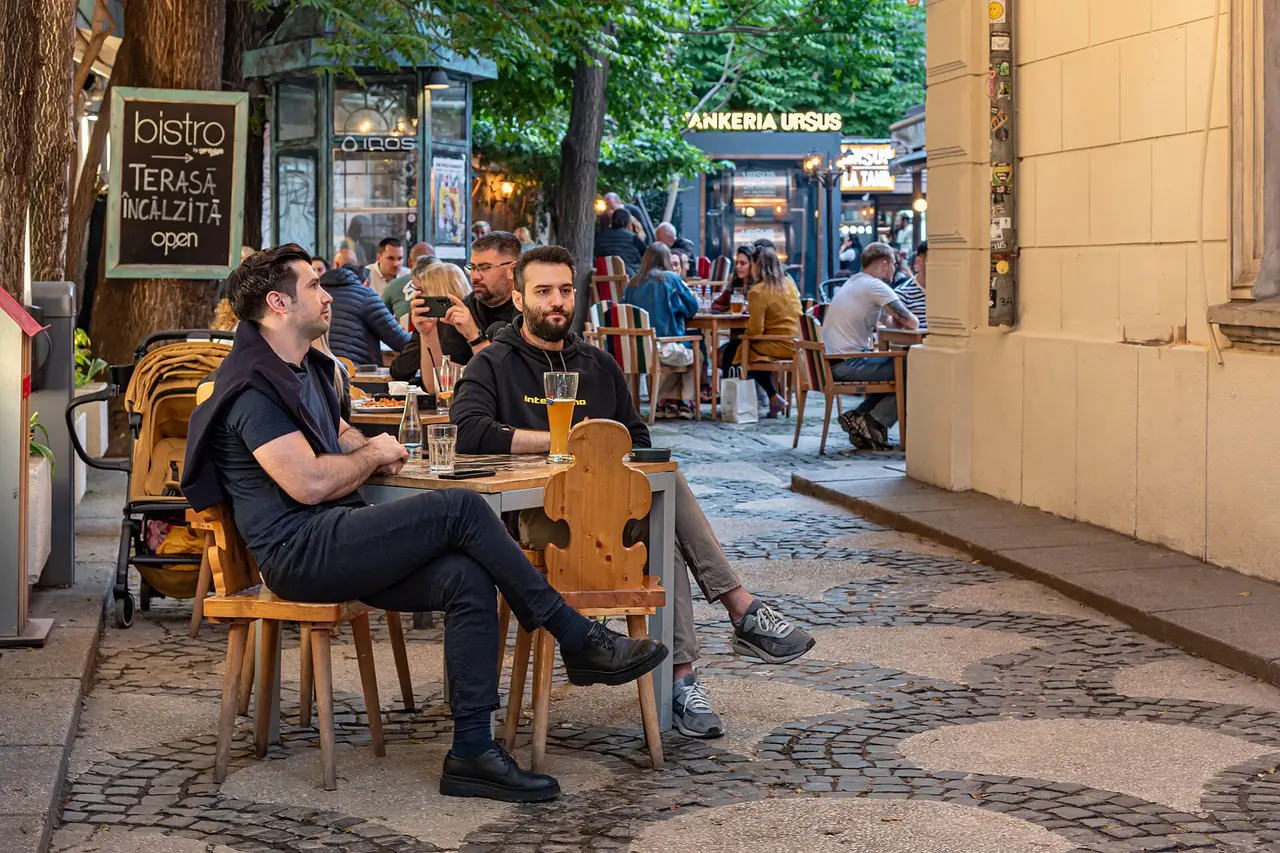
The Romania digital nomad visa, explained
Romania created a dedicated digital-nomad visa in early 2022 through Law 22/2022, which amended the older law on foreigners (GEO 194/2002). It’s a long-stay visa (symbol D/AS) and its residence permit literally carries the words “digital nomad.” It’s designed for people who earn their income from outside Romania.
Who it’s for. Non-EU/EEA/Swiss citizens who either work remotely as an employee of a company registered outside Romania, or own a company registered abroad that provides services through information technology. If you hold an EU, EEA or Swiss passport you don’t need any of this, you have freedom of movement and can simply register a residence. Everyone else, Americans, Britons, Canadians, Australians and so on, is the target audience for the D/AS.
The income requirement is a formula, not a fixed number
This is the single most misunderstood part, so read it carefully. The minimum income is three times the Romanian average gross monthly salary, and it re-indexes every year as the national statistics office (INS) updates that average. There’s no permanent euro figure to memorise. You have to hit the current multiple.
To make it concrete without pretending it’s fixed: through 2026 that formula lands somewhere around 27,000 to 29,600 lei a month, which is roughly 5,500 to 5,800 euros, tracking a national gross wage of around 9,800 to 9,900 lei. Treat that as an orientation range, not a quote, and check the live number at application time, because it climbs with the average wage. You must show you have earned at or above the threshold for the six months before you apply, and that the income will continue for the visa’s duration.
Notice how high that bar is relative to what it actually costs to live here (more on that below). This is deliberate. The visa is aimed at well-paid remote professionals, and plenty of would-be nomads simply don’t clear it. If that’s you, the 90-day Schengen route is the realistic alternative, and there’s no shame in it.
Documents, cost and how long it lasts
Beyond the income proof, the typical document pack includes:
- A passport valid for the stay.
- Your employment contract with a foreign company, or proof you own and run a company registered abroad (some consulates want to see it has been active for around three years).
- Bank statements for the last six months backing up the income claim.
- A clean criminal record certificate from your home country, apostilled or legalised.
- Travel medical insurance covering the whole period, with a minimum of around 30,000 euros of cover.
- Proof of accommodation in Romania, usually a lease or a booking for at least three months.
Every foreign document generally needs a certified Romanian translation plus an apostille or legalisation, which is the part that quietly eats time and money. Budget for it.
On process, it’s two steps. First you apply online at the e-visa portal (evisa.mae.ro) before travelling and submit originals at a Romanian consulate. The visa itself lets you enter for about 90 days. Then, once you’re in the country, you apply for the residence permit at the immigration inspectorate (IGI, igi.mai.gov.ro) in your county. The residence-permit stage is cheap by Western standards, in the region of 170 euros in fees, and the permit is renewable, up to a commonly cited maximum of 36 months in total. Permit lengths and renewals do get tweaked, so treat those durations as current-practice, not gospel, and confirm with IGI.
Tax: the 183-day line you must not cross by accident
Here is where people get burned, so I am going to be blunt and then tell you to get an accountant. Romania has a flat 10 percent personal income tax. The pull for nomads is a carve-out: D/AS holders who spend fewer than 183 days in Romania within any 12-month period are exempt from Romanian income tax and social contributions (the CAS pension and CASS health contributions) on their foreign-sourced income.
The trap is the 183-day rule itself. Cross 183 days of presence in any rolling 12-month window and you generally become a Romanian tax resident. At that point the 10 percent applies, your worldwide income comes into scope, and you’re expected to register with the tax authority. So the visa lets you stay a long time, but staying long enough to become tax resident flips the whole benefit. Count your days deliberately, keep records, and, because your home country’s rules interact with this, pay for an hour of a Romanian tax adviser first. A single wrong assumption here is expensive.
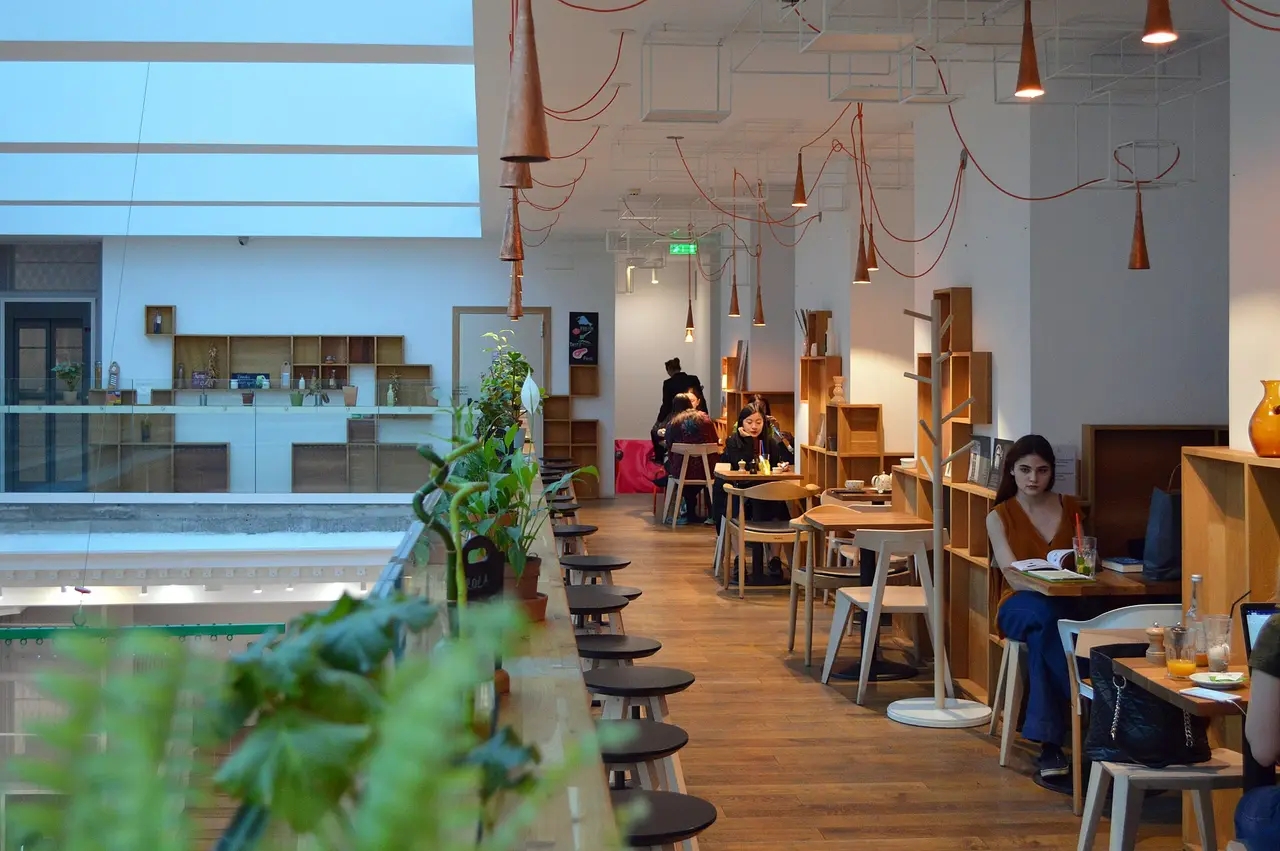
The internet is Romania’s secret weapon
If you do one thing on video calls all day, Romania is close to the best place in Europe to do it. The country consistently ranks in the top five in Europe for fixed broadband, with a median download speed around 270 Mbps, comfortably ahead of Germany and Spain. Only a handful of European countries, France among them, run faster. Bucharest, with more fibre than the national average, posts some of the highest medians in the country. Mobile data runs around 80 Mbps.
And it’s absurdly cheap. Digi (RCS & RDS) sells 1 Gbps fibre for roughly 8 to 10 euros a month on a longer contract, with 500 Mbps a euro or two less; Orange asks about 15 for its gigabit tier. In the bigger cities you can already get 2.5 Gbps plans, and 10 Gbps has been announced for Bucharest. Compare that with what a gigabit costs in North America and you understand why so many developers quietly base themselves here.
Two practical notes. First, the fast home fibre is tied to a fixed address, so you only get it once you have a flat, which is an argument for a longer lease over hopping between short lets. Second, for your first days on the ground, before any contract is signed, get a local eSIM so you’re online the moment you land and can call landlords, order a ride and find your feet without hunting for Wi-Fi. Our guide to the best eSIM for Romania walks through the options and current data prices.
Cost of living: where the money actually goes
Romania is still one of the better-value countries in the EU, and the gap with the West shows up most in rent and eating out. A one-bedroom flat in Bucharest runs roughly 400 to 500 euros a month, a bit more in the very centre. Aggregators put a comfortable all-in nomad budget, rent plus coworking plus food and transport, at around 1,200 to 1,300 US dollars a month, though you can go lower outside the capital or higher if you want a slick central apartment.
Coworking is inexpensive too: a monthly membership starts near 100 dollars, with day passes around 18. Those are estimates from cost-of-living trackers, so treat them as ballpark and confirm current rates; the number that never changes is the currency. Romania uses the leu (RON, lei) and is not in the eurozone, so you budget and pay in lei, not euros. For what a coffee, a beer and a proper local lunch actually cost in lei, plus the DCC card trap that quietly overcharges tourists, read money in Romania; for a full daily and weekly breakdown, see how much a Romania trip costs.
Where to base yourself
There’s no single “nomad capital” here, which is a feature if you like choice. The four realistic bases each pull in a different direction.
- Bucharest is the obvious default: the biggest coworking scene, the fastest connections, the most flights in and out, and the deepest pool of cafes, gyms and nightlife. It’s also the most polarising city in Romania, loud, chaotic and grey in patches, but it grows on most people who give it a month. Start here to see the sights while you settle in with the things to do in Bucharest guide.
- Cluj-Napoca is the tech hub. It has a huge student and developer population, a walkable centre and a genuine startup energy, and it’s the one place with something resembling a built-in professional network. The catch is that rents have climbed above the national average precisely because everyone in Romanian tech wants to live there. The Cluj-Napoca guide covers the lay of the land.
- Brasov and Sibiu trade the big-city buzz for Transylvanian old towns, cleaner air and the mountains on your doorstep. They’re cheaper and calmer, better for focus than for networking, and lovely if you ski or hike. Coworking is thinner, so you lean more on cafes and your own flat.
- Timisoara, out west, is handsome, flat and bike-friendly, with quick links across the border into Serbia and Hungary now that the frontier is open.
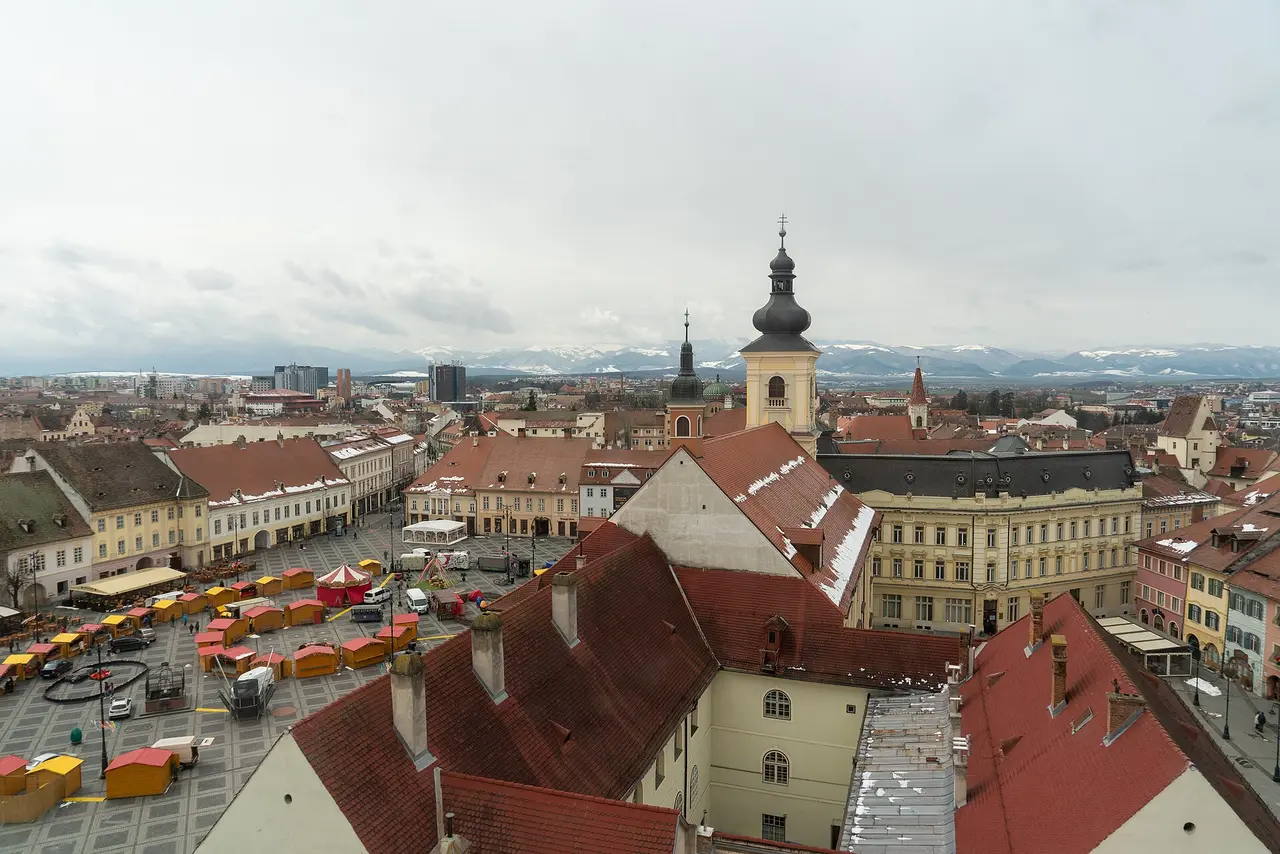
Whichever you pick, don’t commit to a year sight unseen. The smart move is to scout first on the 90-day window, spend a week or two in a couple of cities, and only then decide where to sign a lease and plug in the gigabit. A loop through the country is the fastest way to feel the differences, and the 7-day Romania itinerary is a good skeleton to build a scouting trip around.
Should you use the visa or just the 90-day window?
For a lot of people, the visa is overkill, and honestly that’s the most useful thing I can tell you. If you’re a visa-exempt national and you plan to be in Romania for a few months rather than years, the shared Schengen 90-days-in-180 allowance does the job with zero paperwork, and now that Romania is fully in Schengen you can weave in neighbouring countries on the same clock. Go for the D/AS visa when you genuinely want to settle for a year or more, you comfortably clear the income formula, and you’re ready to handle the translations, the apostilles and the tax question.
Either way, sort two things in advance: insurance and a way to get around. Decent nomad-grade health and travel insurance covers the exact 30,000-euro-plus requirement the visa asks for and keeps you covered on those Carpathian weekends. And if you want the freedom to disappear into the mountains at short notice, renting a car is the way; the practical stuff, deposits, the young-driver surcharge and the rovinieta road vignette, is all in the car rental in Romania guide and the companion driving in Romania rundown.
The bottom line
Romania rewards the practical nomad, not the influencer. You get some of the fastest, cheapest internet on the planet, EU-low rents, safe and walkable cities, and mountains within easy reach, wrapped in a country that’s now fully inside Schengen. The visa exists and works, but its income bar is high and its tax rules turn on the 183-day line, so weigh it honestly against simply using your 90 days. Get the internet and the insurance sorted, pick a city that matches whether you want buzz or quiet, and Romania is one of the best-value places in Europe to log on and get to work. Before booking anything, a quick read of when to visit Romania will keep you from landing in the greyest, coldest stretch of the year by accident.
Photos
Good to know
Visa, tax and residency rules change and the income threshold re-indexes every year. Figures here reflect the position checked July 2026 from official and authoritative sources; confirm the current rules with the General Inspectorate for Immigration (igi.mai.gov.ro), the e-visa portal (evisa.mae.ro) and a qualified immigration lawyer before you act. This is a guide, not legal or tax advice.
Details checked: July 6, 2026
Read also

What to see · 11 min read
Marginimea Sibiului: Shepherd Villages Near Sibiu
Verified · September 5, 202618 shepherd villages west of Sibiu: Rasinari, Sibiel glass icons, Saliste, Paltinis bus fares, and how a day out of town works.

Transport · 14 min read
Bucharest to Budapest: Night Train, Bus & Flights
Verified · September 4, 2026Bucharest to Budapest 2026: CFR night train from 27 EUR, FlixBus from 36.98 EUR in 13h, or a 1h45 flight. Fares, times, border, Oradea stop.

Cities · 13 min read
Predeal: Romania's Highest Ski Town
Verified · September 3, 2026Predeal sits at 1,030-1,110 m on the Bucharest-Brasov line: Clabucet ski, the town itself, and how it stacks up against Sinaia and Poiana.

What to see · 9 min read
Prejmer Fortified Church: UNESCO Near Brasov
Verified · September 3, 2026Prejmer fortified church 15 km from Brasov: Greek-cross plan, 275 wall rooms, UNESCO hours for 2026 and how a visit actually works.