
Iasi Travel Guide: Cultural Capital of Moldavia
Things to do in Iasi: the Palace of Culture, the Three Hierarchs church, the Metropolitan Cathedral, Golia tower and Copou Park, with hours and lei prices.
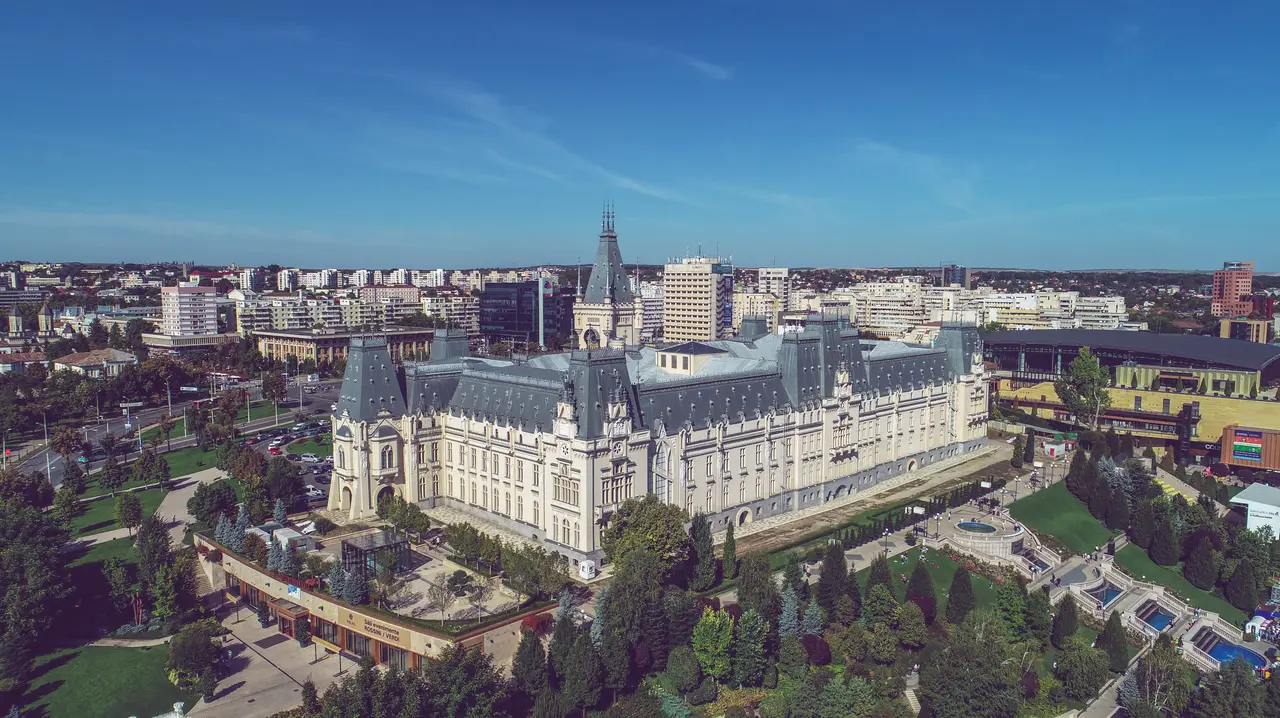
Iasi (say it “yash”) is Romania’s old eastern capital, and it rewards a different kind of visit from the castle towns to the west. There are no fairy-tale citadels here. What you come for is the Palace of Culture, one of the great 17th-century churches in the country at Three Hierarchs, the largest historic Orthodox cathedral in Romania, and a student city with more books and monasteries per square kilometre than anywhere else in the country. Give it a day and a half, carry cash in lei for the museum, and plan the palace for mid-week, because it shuts on Mondays and Tuesdays.
An Iasi trip has a particular shape. This is a city of institutions rather than a scenic old town: the university that started higher education in Romania, the first national theatre, the church where the country’s national poet studied. You walk one long pedestrian boulevard, Stefan cel Mare, past the cathedral and the Three Hierarchs church to the Palace of Culture at the end, then head up to Copou for the parks. Two nights is plenty, and it pairs naturally with the painted monasteries of Bucovina to the west.
Is Iasi worth visiting?
Yes, if you understand what it is. Iasi (population around 272,000 in the city, over half a million across the wider urban area, the second largest in Romania) was the capital of Moldavia from 1564 to 1859, then capital of the united principalities, and even the capital of the whole country during the First World War, from 1916 to 1918, when Bucharest was under German occupation. In December 2018 it was officially declared Romania’s Historical Capital. That history is the point of the place.
So the pitch is the opposite of Transylvania. If you want walled medieval postcards, the Saxon towns deliver those; Iasi is where you go for the grand civic and religious buildings, the oldest university in the country, and a genuine student-city buzz that most guidebooks skip. It sits in the far north-east, right by the Moldovan border, and it’s the obvious base for the Bucovina monasteries. Most people give it a night or two, and that’s about right.
What is the Palace of Culture and is it worth going inside?
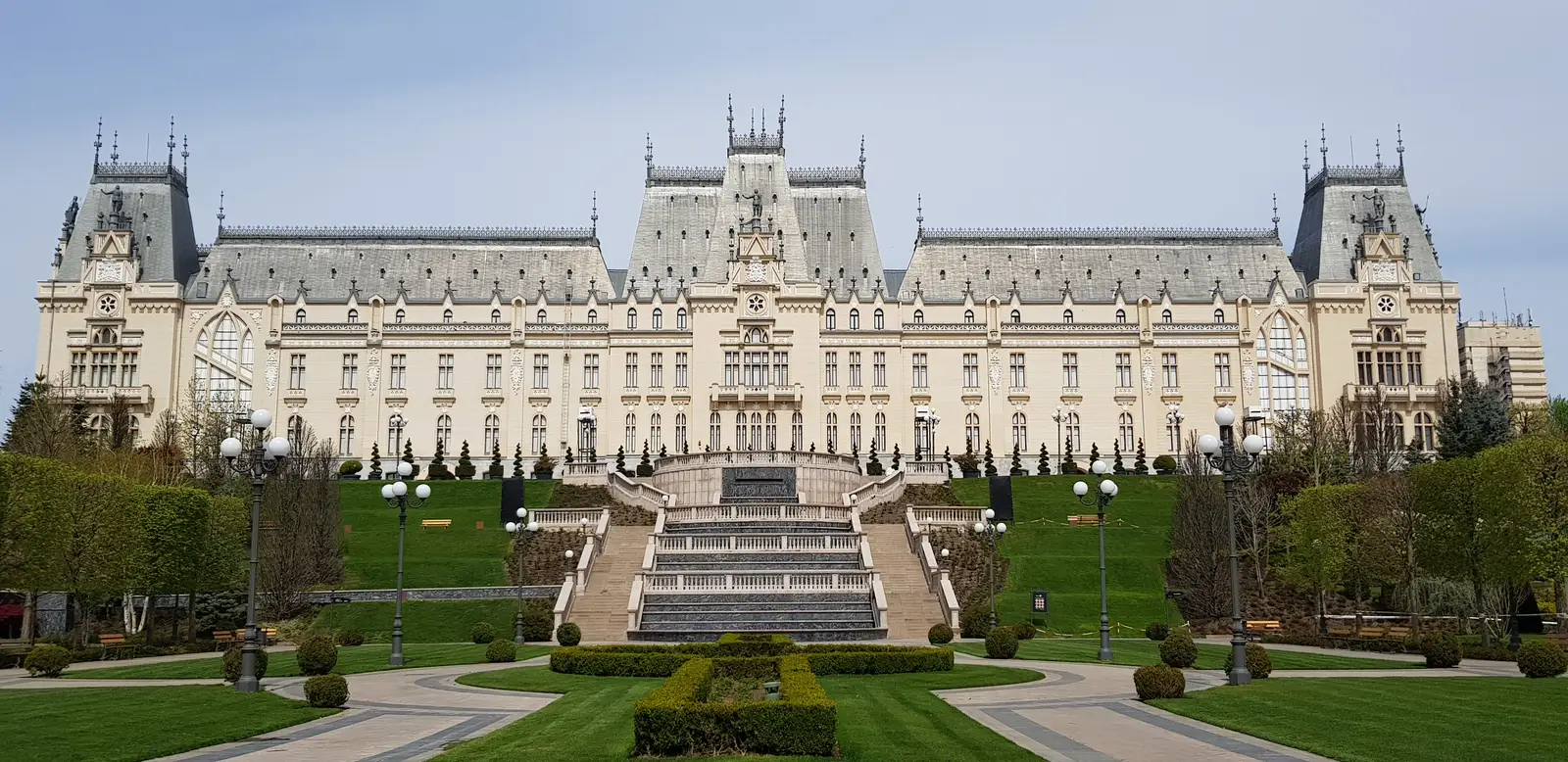
It is the building on every Iasi postcard, and yes, it earns a half-day. The Palace of Culture (Palatul Culturii) is a vast Neo-Gothic pile at the head of the pedestrian boulevard, built between 1906 and 1925 by the architect Ion D. Berindei on the foundations of the old princely court, and it stands 55 metres tall with a clock tower whose three faces each measure 3.25 metres across. The stained glass in the tower shows the twelve signs of the zodiac, and a carillon of eight bells plays on the hour, so time your arrival for one.
Inside are four separate national museums, run together as the National Museum Complex Moldova: the Art Museum (the oldest, founded 1860), the History Museum of Moldavia, the Ethnographic Museum, and the Stefan Procopiu Science and Technology Museum. That’s the practical thing to grasp at the ticket desk. You don’t have to do all four. A combined ticket covers the lot, but if your time is short, pick the Art Museum or the History Museum and leave the rest; trying to march through nearly 300 rooms in an afternoon is how you burn out. The building itself, the Voievodes’ Hall and the grand staircase, is arguably the best exhibit.
Two practical warnings. First, it is closed on Mondays and Tuesdays, open Wednesday to Sunday from 10:00 to 17:00 with the last ticket at 16:30, so a weekend or mid-week visit is the only way in. Second, the palace sells tickets through its own online box office rather than posting a fixed price on the homepage; a combined all-museum ticket runs somewhere around 60 lei and single museums about 20, with student and pensioner discounts, but check palatulculturii.ro for the current figure.
Why is the Three Hierarchs church such a big deal?
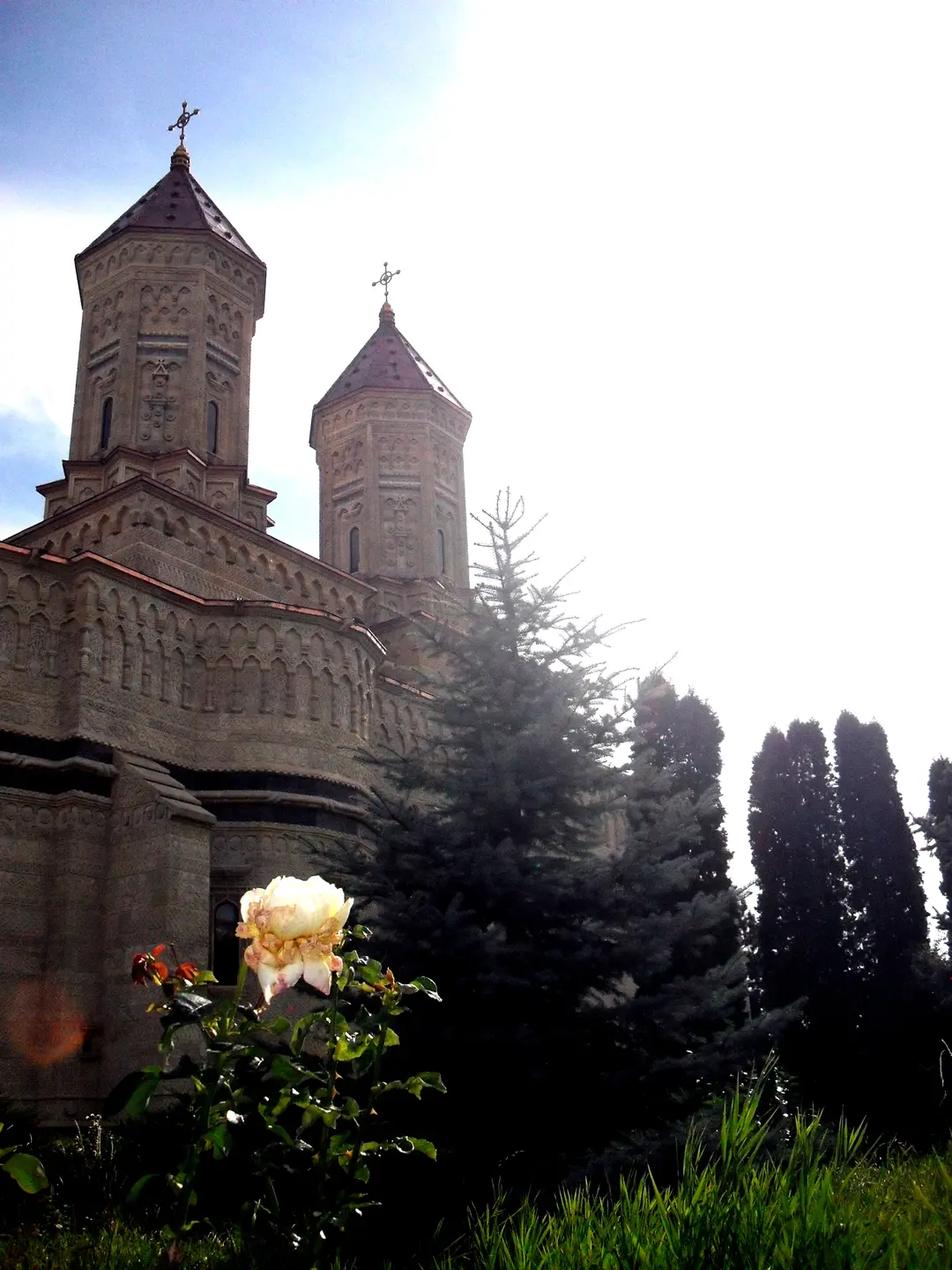
Because there’s nothing else in Romania quite like its walls. The Church of the Three Hierarchs (Trei Ierarhi), a couple of hundred metres down the boulevard from the palace, was built between 1637 and 1639 by Prince Vasile Lupu as a royal burial place, and the whole exterior, from the base to the tops of the two towers, is covered in carved stone. Not a panel or two: thirty separate bands of carving run around the entire building, each with a different pattern, drawing on old Romanian woodwork and embroidery blended with Ottoman, Armenian and Western motifs. In the right light it looks less like masonry than lacework wrapped around a church.
It’s free to enter, and worth stepping inside for the frescoes, but the carving is the reason to come and the detail is easy to miss if you only glance from the street. Walk a full circuit of the outside wall and look closely; the bands change as they climb. This is the single most distinctive building in the city, and if you see only one church in Iasi, make it this one.
What about the Metropolitan Cathedral?
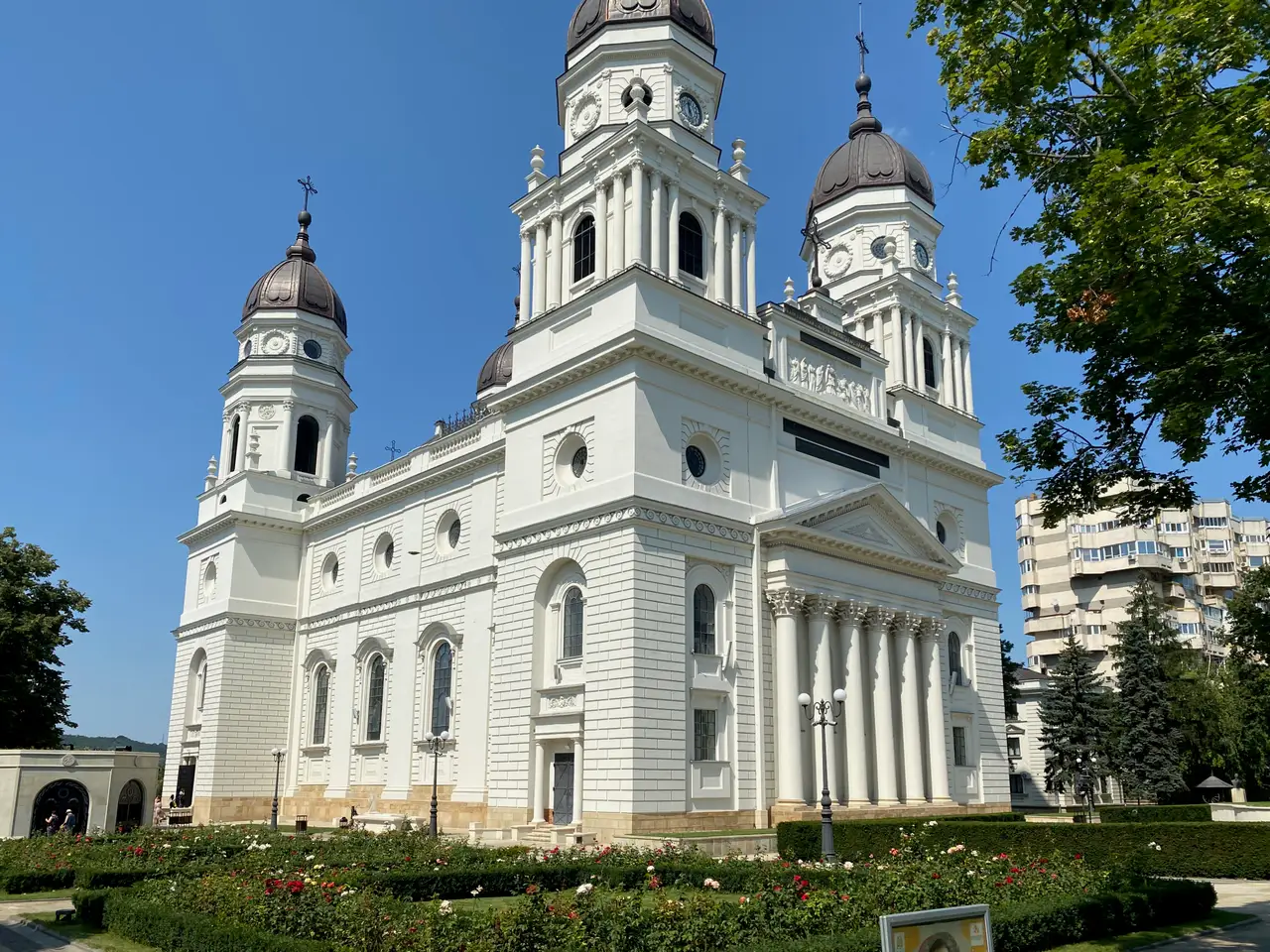
Go for the scale and the pilgrimage. The Metropolitan Cathedral (Catedrala Mitropolitana), a grand yellow building set back from the same boulevard, is the largest historic Orthodox church in Romania and the seat of the Metropolitan of Moldavia and Bukovina. It had a rough birth: the first version was designed with a single enormous dome in the manner of St Peter’s in Rome, the weight cracked the walls, and the whole thing collapsed in 1857. After some thirty years as a ruin it was finished with a lighter roof of four vaults and consecrated in 1887 in the presence of King Carol I.
The reason it matters to travellers is the relics inside. Since 1889 the cathedral has held the remains of Saint Parascheva, the patron saint of Moldavia, and her feast on 14 October draws the largest Orthodox pilgrimage in Romania, when hundreds of thousands of people queue through the city over several days. If you’re here in mid-October, expect long lines and a city in full festival mode; if you would rather have the cathedral quiet, come at any other time of year and you can walk straight in. Entry is free.
Where do you get the best view over the city?
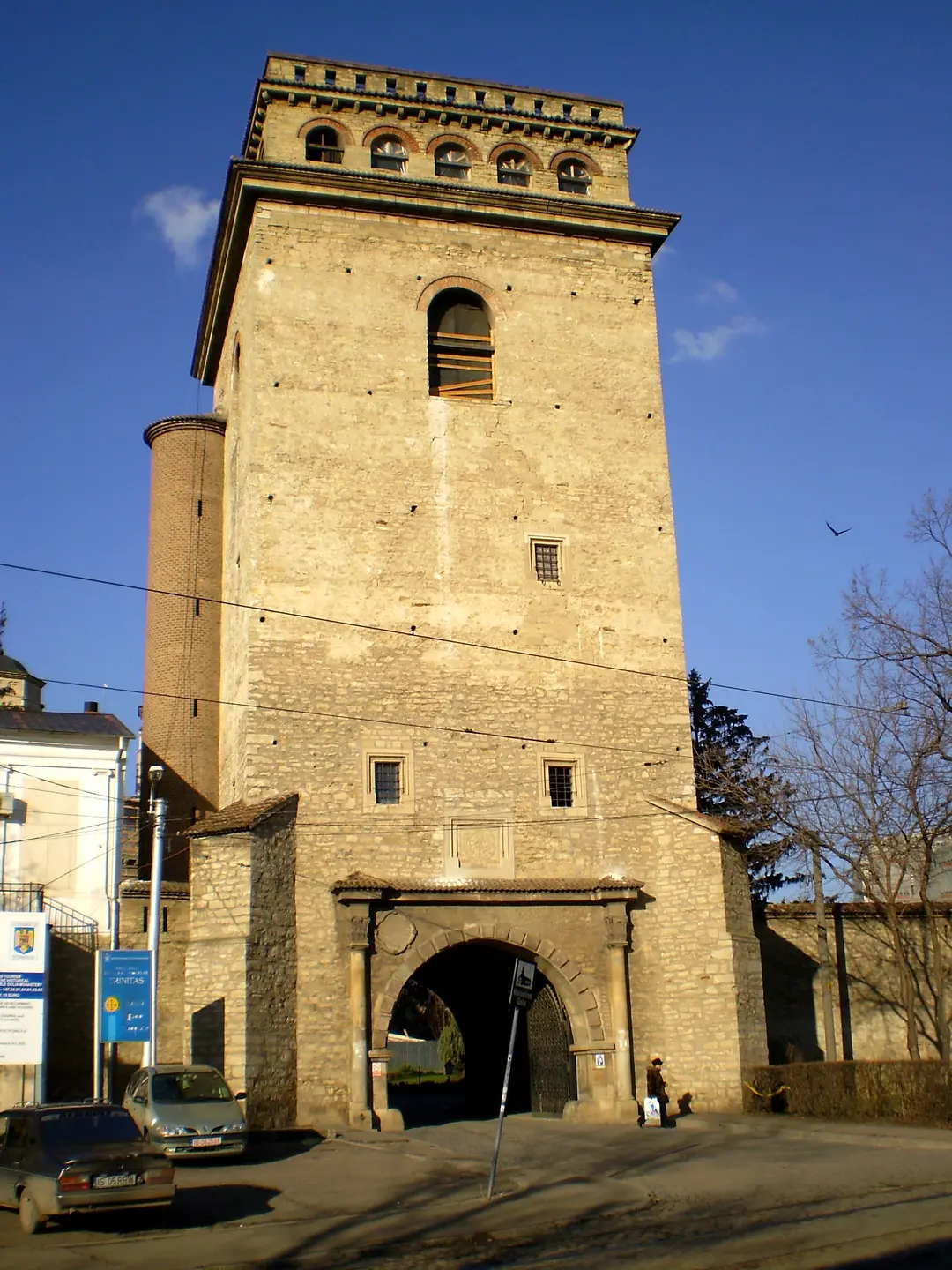
Climb the Golia tower. Golia Monastery, a short walk east of the boulevard, is a walled complex founded in 1564 and rebuilt in 1650 by Vasile Lupu, this time with Italian craftsmen, which is why the church front looks more late-Renaissance than Byzantine. The walls and corner towers went up in 1667. The draw for visitors is the 30-metre gate tower: a spiral stair of well over a hundred steps climbs three floors, past what were once secret chambers, to a walkway with the widest view in the old centre, out over the domes, the boulevard and the roofs.
It’s one of the symbols of the city and a good antidote to museum fatigue. The courtyard, with its rose beds, is a calm spot to sit even if you do not fancy the climb. There’s a small fee for the tower and no reliably published timetable, so ask at the entrance rather than building your day around it. If the tower is shut, the monastery church and grounds are still free and worth ten minutes.
Is Copou Park worth the walk?
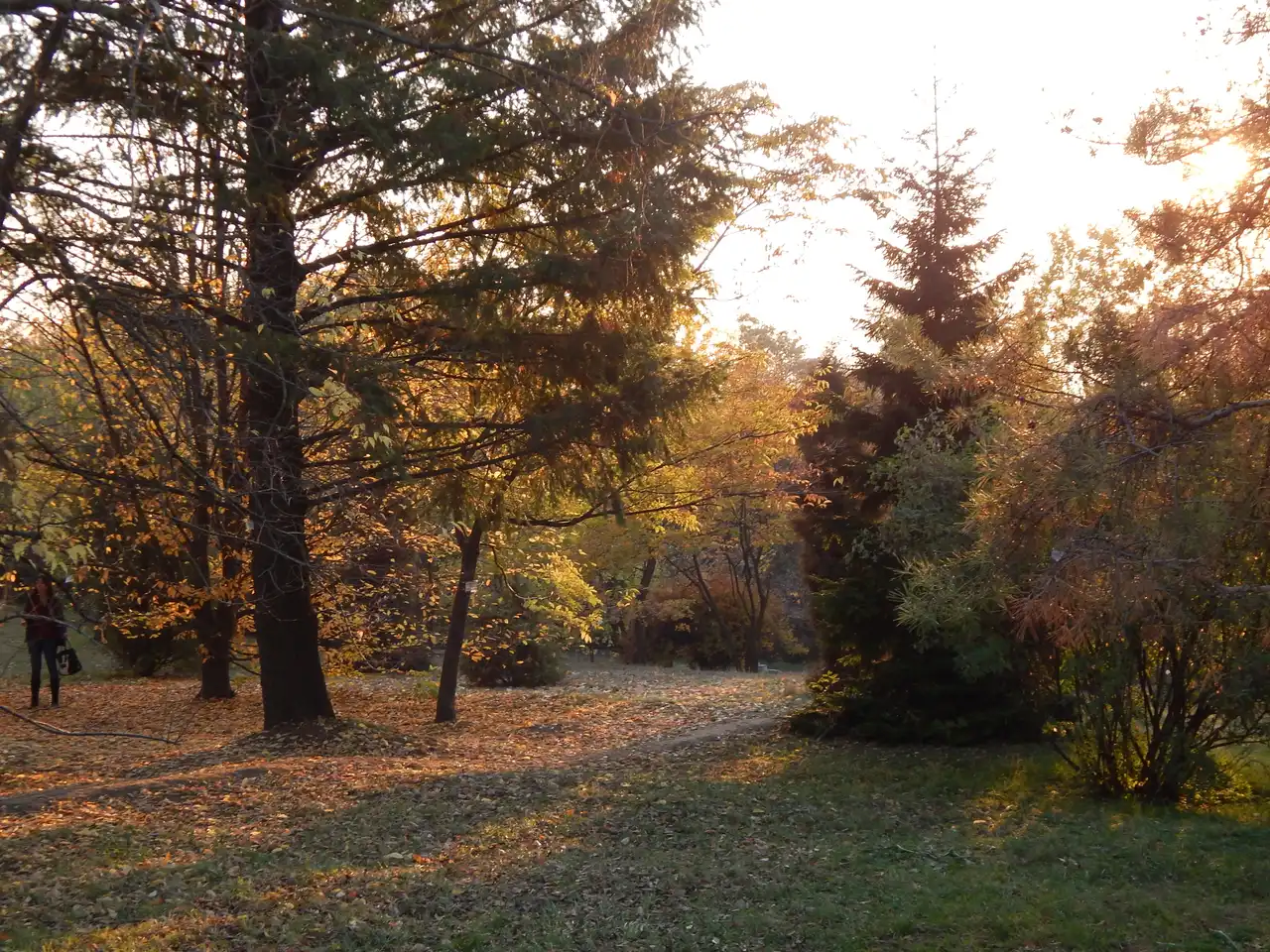
If the weather is good, yes, and it is where the city relaxes. Copou Park, up the hill north of the centre, is the oldest public park in Iasi, laid out from 1834 under Prince Mihail Sturdza and one of the first public gardens in Romania. It’s anchored by two monuments. The Obelisk of the Lions, from 1834, was the first monument raised in the city, and near it stands the Eminescu linden, a silver lime said to be some 500 years old, under which the national poet Mihai Eminescu reputedly wrote; it’s one of Romania’s protected natural monuments and a genuine local shrine, with a small Eminescu museum beside it.
The walk up from the centre takes you past the main building of Alexandru Ioan Cuza University, and this is the other Iasi worth knowing about. Founded by decree of Prince Cuza and inaugurated on 26 October 1860, it was the first modern university in Romania, and the Hall of the Lost Steps inside, with its huge modern frescoes, is open to visitors when the building is quiet. Add the Vasile Alecsandri National Theatre, the first national theatre in the country when it opened in 1840, and you start to see why Iasi wears the “cultural capital” label rather than claiming it.
How long do you need, and what is the best day trip?
A day and a half covers the city comfortably. Give one full day to the boulevard, palace and churches, and a half-day to Copou and the university, with time left over for a coffee on the terraces around the centre, which the huge student population keeps busy. If you have a spare day, the reason many people base themselves in Iasi is the trip west into Bucovina.
The painted monasteries of Bucovina, Voronet, Sucevita, Moldovita and Humor, with their exterior frescoes under the UNESCO label, are the natural pairing with Iasi and the standout sight of Romania’s north-east. They’re spread across the countryside two to three hours away and are far easier with a car than by bus; a rental turns them into a comfortable long day out, and it’s the same logic that makes a road trip anywhere in this region simpler. Prefer to be driven? A fixed-price transfer can do the airport run or a door-to-door trip, though for the monasteries a full-day hire makes more sense. Many travellers overnight in Suceava as the closer Bucovina base after the Iasi leg. When you plan the wider region, our Romania 7-day itinerary and the longer Transylvania road trip guide show how the eastern cities and the castle country fit together, and the Danube Delta guide covers the other end of the country if you are working out a bigger loop.
How do you get to Iasi?
Fly if you’re coming from far. Iasi International Airport (IAS) is the busiest in the region after Bucharest, with direct flights from Bucharest Otopeni (about an hour) on Tarom and Anima Wings, plus a spread of European budget routes, so you can often skip the capital entirely. From the airport it’s a short taxi or transfer into the centre, roughly 8 km east.
From Bucharest overland, weigh the options carefully. The city sits around 400 km north-east of the capital by road, a drive of about five hours, and the direct train grinds along for six hours and twenty minutes, so unless you enjoy the journey, the one-hour flight usually wins on time - the full comparison is in Bucharest to Iasi. If you’re touring the wider north-east and want the Bucovina monasteries, a car is what unlocks them, while a private transfer handles the airport or a single door-to-door leg without a timetable. Our 10-day Romania itinerary is the loop that reaches this corner at all, since the seven-day version stops at the Transylvanian border. Iasi also sits right on the Moldovan border, a short hop from the Sculeni crossing, so it’s a natural place to break a trip east: from here you can carry straight on to Chisinau, and our Bucharest to Chisinau guide covers the bus, the crossing and the night train. Base yourself near the pedestrian boulevard so the palace, the cathedral and Three Hierarchs are all on foot, and if you are pulling a route together, our Bucharest guide covers the capital and the what-to-eat in Romania guide sorts out the papanasi. Iasi repays the detour east largely because so few people make it.
Photos
On the map
The map loads on click - to keep the page lightweight.
The map didn’t load. Check your connection and refresh the page.
Admission and opening hours
- Admission price
- Palace of Culture (National Museum Complex Moldova): the site sells tickets through its online box office rather than posting a printed price on its homepage - a combined ticket for all four museums runs in the region of 60 lei, single-museum tickets around 20 lei, with reduced rates for students and pensioners. Confirm the current figure before you go. Churches (Three Hierarchs, Metropolitan Cathedral, Golia) are free to enter; the Golia tower climb has a small separate fee.
- Opening hours
- Palace of Culture open Wednesday-Sunday 10:00-17:00 (last ticket 16:30); closed Monday, Tuesday and on public holidays. Churches keep long daily hours around services.
Prices and hours change - check palatulculturii.ro before your visit. The palace being closed Mondays and Tuesdays catches a lot of people out, so plan it for mid-week.
Details checked: July 6, 2026
Read also

Cities · 13 min read
Predeal: Romania's Highest Ski Town
Verified · September 3, 2026Predeal sits at 1,030-1,110 m on the Bucharest-Brasov line: Clabucet ski, the town itself, and how it stacks up against Sinaia and Poiana.

Cities · 10 min read
Suceava Travel Guide: Fortress & Bucovina Gateway
Updated · August 25, 2026Things to do in Suceava: Stephen the Great's fortress, the UNESCO Saint John monastery, village museums, and using the city as a base for Bucovina.

Cities · 9 min read
Where to Stay in Sighisoara: Citadel or Lower Town
Verified · August 24, 2026Where to stay in Sighisoara: citadel vs Lower Town, price bands in lei, parking, the medieval festival, and who should sleep inside the walls.

Cities · 11 min read
Where to Stay in Timisoara: Best Areas & Hotels
Verified · August 19, 2026Where to stay in Timisoara: Cetate vs Fabric vs Iosefin vs Circumvalatiunii - who each suits, walk times, prices in lei, and getting in from the airport.