
Romania Entry Requirements & ETIAS (2026)
For a 2026 Romania trip most Western visitors need only a valid passport. Visa-free 90/180 rules, live EES biometric checks, and where ETIAS stands now.

For a trip to Romania in 2026, most Western travellers need surprisingly little: a valid passport, and nothing else. Romania is now a full member of the Schengen area, and citizens of visa-exempt countries like the US, UK, Canada, Australia and dozens more can visit for up to 90 days in any 180 without a visa. The two systems everyone keeps asking about, EES and ETIAS, do matter, but not the way the headlines suggest: one is already live at the border, the other is not here yet. Romania draws on the shared Schengen allowance: how the Balkan entry rules compare explains whose clock each country runs.
Here is the state of play, checked on 4 August 2026. The biometric EES border check went fully live on 10 April 2026, so expect to give a fingerprint and a photo the first time you cross in. ETIAS, the online travel authorisation, is still not in force, and the EU has now taken down the launch window it used to publish: there is no announced start date, and the Commission’s line is that one will be given several months ahead of go-live. For a trip this year that means a passport and nothing else. Rules like these move, so treat this page as orientation and confirm the current position on the official EU and Romanian sites before you book anything non-refundable.
Do you need a visa to visit Romania?
Probably not, if you’re reading this in English. Romania sits inside the EU and the Schengen area and applies the standard Schengen visa policy: nationals of around 60 visa-exempt countries, among them the United States, United Kingdom, Canada, Australia, New Zealand, Japan and most of Latin America, can enter for up to 90 days within any 180-day period as a tourist or on business, with no visa at all. EU, EEA and Swiss citizens have full free movement and can travel on a national ID card.
The 90/180 rule is the one to get straight, because it’s easy to overstay without noticing. The 90 days are not per country; they are shared across the entire Schengen area of 29 countries. If you have already spent a month in France and Italy this half-year, that month counts against your Romanian days too. Anything longer than 90 days, or coming to work, study or settle, needs a national long-stay visa or a residence permit, which is a separate process through the Romanian authorities rather than something you sort at the airport.
Romania is in Schengen now, and that changed the rules
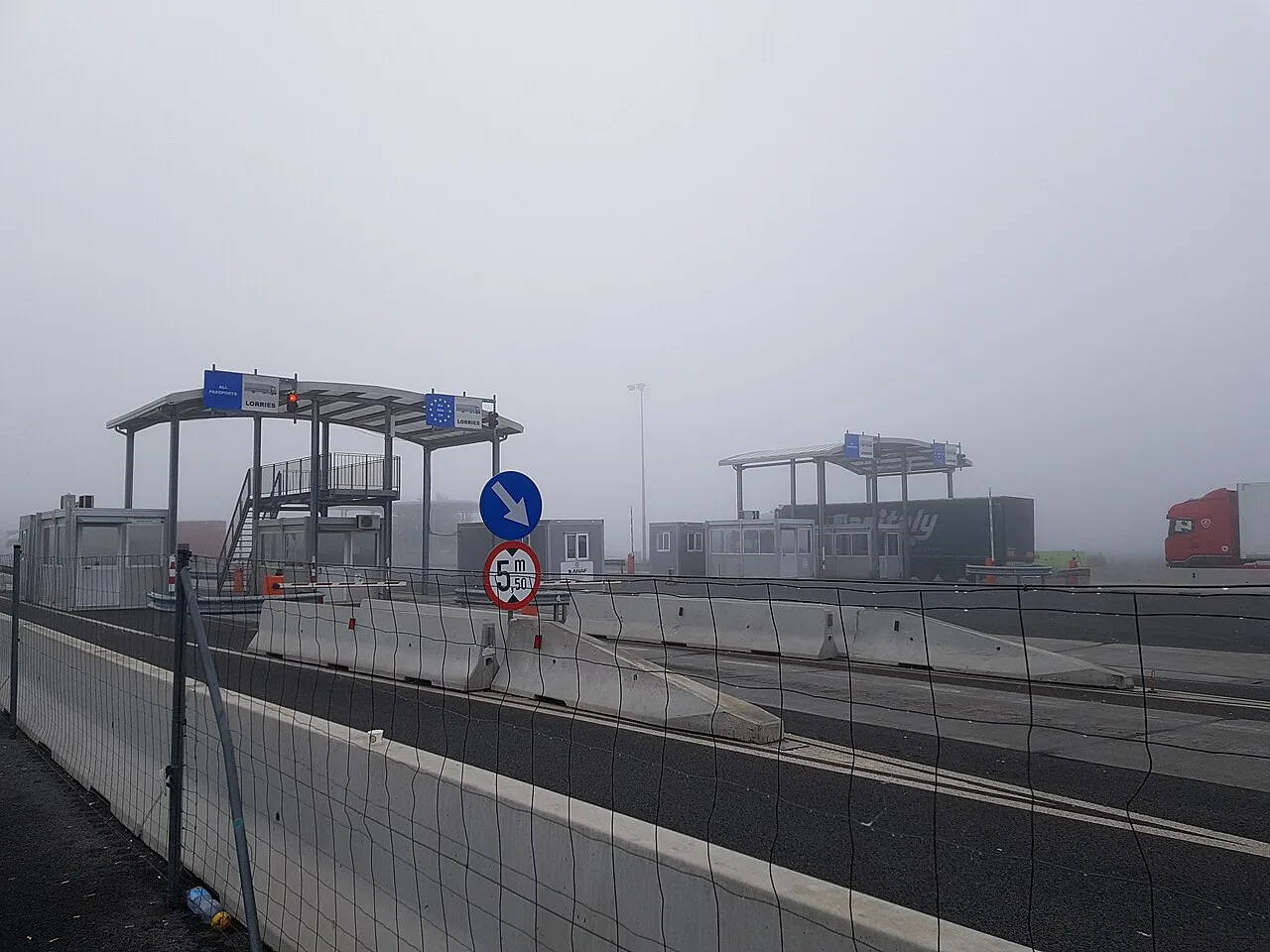
This part is recent, and it matters more than most guides admit. Romania became a full Schengen member on 1 January 2025, when land-border checks were lifted; its airports and seaports had already joined in March 2024. In practice there are no longer passport checks when you cross between Romania and its Schengen neighbours Bulgaria and Hungary, so you drive or take the train straight through, the way you would between France and Germany.
The flip side is that Romania’s borders with its non-Schengen neighbours, Moldova, Serbia and Ukraine, are now external Schengen borders with full checks. And because the 90/180 clock runs Schengen-wide, a Romania trip no longer counts on its own. If you are hopping around Europe, budget those 90 days across the whole zone, not per country, and keep a mental tally. Here is how that maths actually bites: say you spent April and May in Spain and France, that’s roughly 60 days already gone, so a three-week trip to Romania in June still sits comfortably inside the 90, but a second long European hop before that rolling 180-day window resets could tip you over the line and into overstay territory.
The EES: new biometric border checks, already live
This is the part that affects you right now. The Entry/Exit System, or EES, became fully operational across the Schengen area, Romania included, on 10 April 2026. It replaces the old passport stamp with a digital record of every entry and exit for non-EU short-stay visitors.
On the ground it works like this: the first time you cross an external Schengen border after the system went live, it registers a facial image and four fingerprints to build your file. On later crossings those biometrics are reused, which speeds things up. If you are travelling as a family or a group, each person is enrolled individually the first time, so plan for the line to move one traveller at a time on arrival; from your second crossing on, the booth mostly just matches your face to the file it already holds and waves you through. The practical takeaway is to allow a little extra time at your first arrival, especially at a busy hub like Bucharest, while the booth or a self-service kiosk takes your photo and prints. There’s nothing to apply for and nothing to pay: EES happens at the border itself.
One shortcut you may have read about doesn’t apply here yet. Frontex has built a Travel to Europe app that lets travellers with a biometric passport pre-register their document chip and a facial image up to 72 hours before crossing, which trims the booth time. Take the coverage claims with care, because the two countries live on it do different things: Sweden accepts the full package, passport data and facial image and the entry questionnaire, while Portugal takes only the entry questionnaire, which is the smaller half of the job. Everyone else, Romania included, is either piloting or not started, so at Otopeni you still do the whole enrolment on arrival. That country list is from the middle of July 2026 and it had not moved when this page was rechecked on 4 August; it is the part of this page most likely to change first, so look at the official app page before you count on it. Know where you’re landing so queues don’t surprise you, and our guide to which airport to fly into for Romania covers the main gateways and how they compare. EES also catches anyone leaving Romania overland: the road post at Albita and the Ungheni rail crossing into Moldova switched it on in March 2026, and our Bucharest to Chisinau guide sets out what that does to the queue.
ETIAS: still not in force, and no start date announced
Now the one that generates the most confusion. ETIAS, the European Travel Information and Authorisation System, is an online authorisation that visa-exempt travellers will need before they board a flight, train or ferry into the Schengen area. The crucial point for planning: it isn’t in force, there is no live application form, and as of August 2026 the EU isn’t naming a launch date. The official portal used to carry a “last quarter of 2026” window; that line has been taken down, and what stands in its place is a promise to announce a start date several months before the system goes live. eu-LISA, the agency building it, is expected to bring a revised timeline to its management board in September, and the reporting around that points at 2027 rather than this year.
Two things follow from that, and they’re the reason this section exists. First, nobody can sell you an ETIAS today, because there’s nothing to buy: any site charging a fee for one right now is taking money for a document that does not exist. Second, even after launch there’s a long runway before it bites, because the agreed design puts a transitional period of around six months in front of the requirement, followed by a grace period for first-time arrivals.
When it does arrive, the shape of it’s already settled. It’s an authorisation, not a visa: a short online form linked to your passport, usually approved quickly. The fee is 20 euros per application for adults, with under-18s and over-70s exempt from the fee though they still have to apply, and an authorisation is valid for up to three years or until your passport expires, covering multiple short stays. Given how often the date has slipped, don’t plan around any figure you read secondhand; check the official portal, travel-europe.europa.eu, close to your trip. If you hold an EU, EEA or Swiss passport, or a Schengen residence permit, ETIAS won’t apply to you at all. Connectivity is the same kind of decision: settle it before the flight, not in arrivals - our Romania eSIM comparison is built for that.
Your passport, insurance and a quick checklist
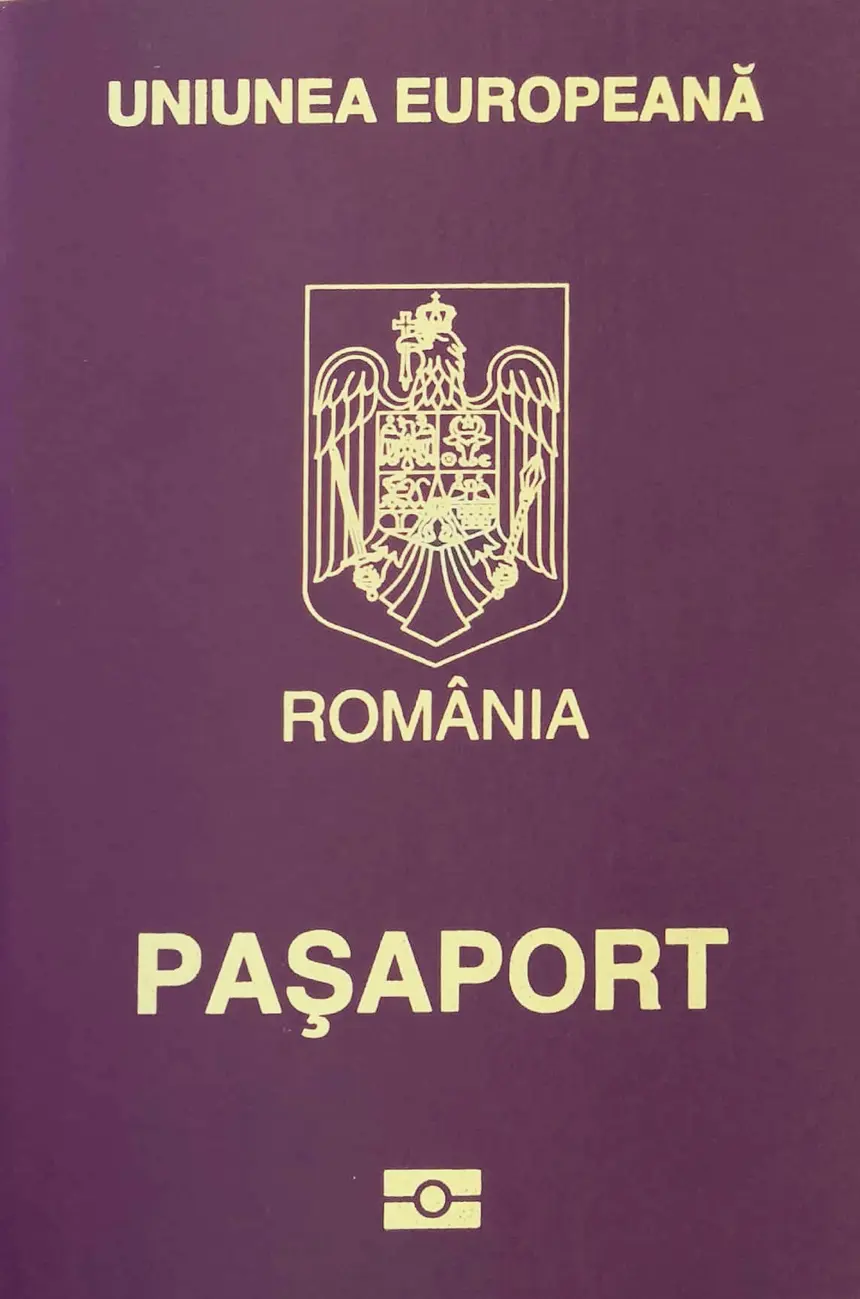
Two passport rules quietly disqualify people, and both are easy to check at home. Your passport must have been issued within the last 10 years on the day you enter, and it must stay valid for at least three months after the day you plan to leave the Schengen area. An older passport that’s technically still in date can fail the first test, so look at the issue date, not only the expiry. As a concrete example, a passport issued in June 2015 is already more than ten years old by early 2026, and it can be refused at check-in or the border even if its printed expiry is still a year away, so if yours is anywhere near either the ten-year or the three-month line, renew it first, ahead of anything non-refundable.
Travel insurance is not a legal requirement for a visa-free short stay, unlike a Schengen visa application, which does require it, but it’s a sensible thing to carry, especially if you’re driving the mountain passes or hiking the Carpathians where a rescue can be costly; our full do you need travel insurance for Romania guide covers the EHIC gap and what a good policy should include. A policy that covers medical care and repatriation takes the financial sting out of the one thing you cannot plan for, and travel medical cover for Romania is worth pricing against your existing cards and plans. Beyond that, the checklist is short: valid passport, no visa for most Western nationals, expect the EES biometric step at the border, and keep half an eye on the official ETIAS page rather than on any date you were quoted.
For everything that comes after the border, the rest of the planning is the enjoyable part: when to visit Romania for the seasons and the crowds, how money works here, because the leu catches out everyone who assumed the euro, and whether Romania is safe for a straight answer on crime, driving and the one genuinely Romanian hazard, bears. Treat this page as orientation, not legal advice. Entry rules move, and the only versions that count on the day are the official EU and Romanian government pages - check those against your own passport and your own dates close to departure.
Read also

Before you go · 8 min read
What to Pack for Romania: Seasons & Essentials
Verified · September 1, 2026What to pack for Romania by season: city heat near 30 C, Carpathian ridges near 10 C in July, Black Sea kit, and winter layers that work.

Before you go · 10 min read
Skiing in Romania: Resorts, Passes & Season
Updated · September 23, 2026Ski Romania: Poiana Brasov, Sinaia, Predeal and Straja day-pass prices in lei, the snow season window and which resort fits your trip.

Before you go · 9 min read
Best Day Trips from Cluj-Napoca
Verified · August 16, 2026Day trips from Cluj by effort: Salina Turda by bus, Rimetea by car, Alba Iulia citadel and Banffy Castle at Bontida, with times and prices in lei.

Before you go · 12 min read
Romania's Black Sea Resorts: Which One to Choose
Verified · September 23, 2026Mamaia, Eforie Nord, Costinesti, Neptun or Vama Veche? What a summer room costs, how to get there from Bucharest and which resort fits your trip.