
Romania Travel Insurance: Rules, Cover & Cost (2026)
Romania travel insurance 2026: not required for 90 visa-free days, mandatory for a Schengen visa (30,000-euro minimum). EHIC/GHIC gaps, cover, cost.
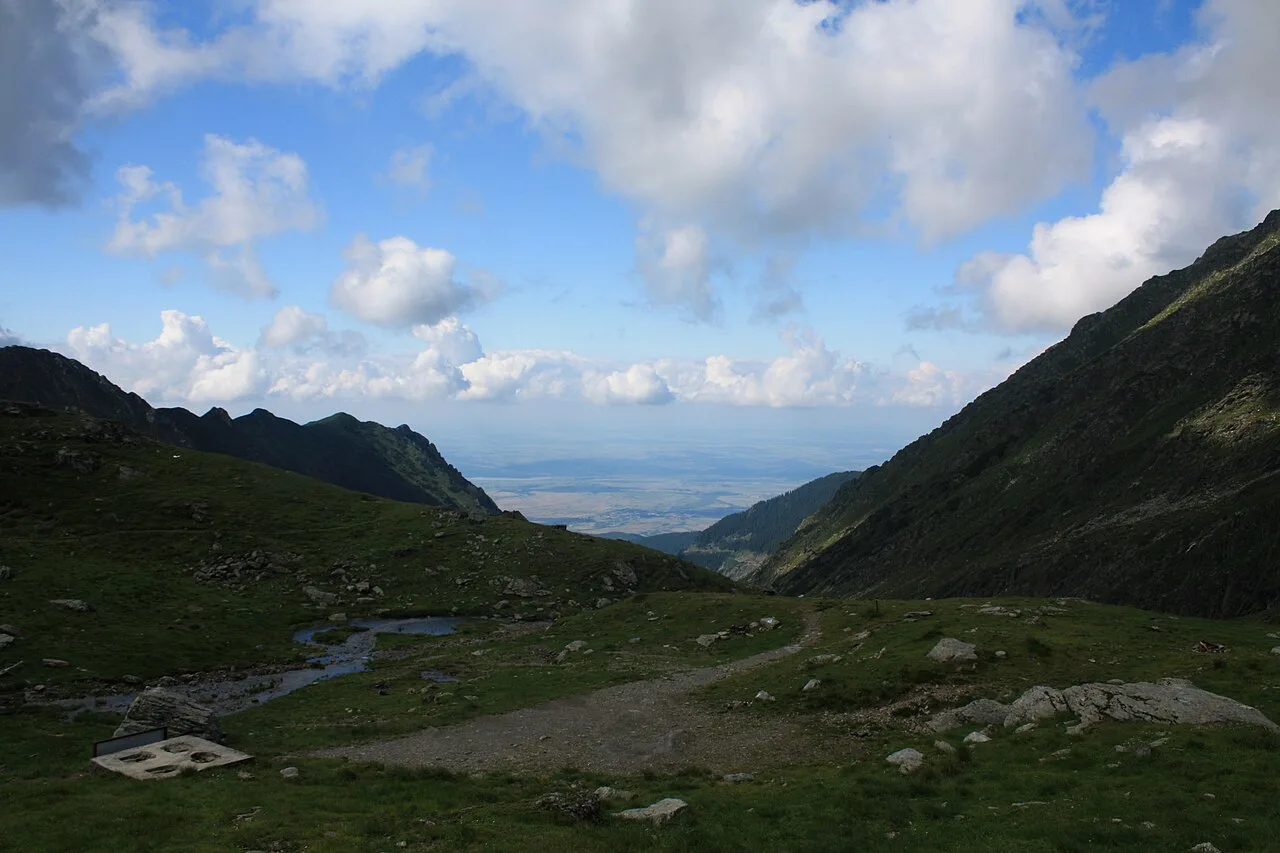
Romania travel insurance is not required for the 90-day visa-free stay that covers US, UK, Canadian, Australian and EU passport holders, but it is a legal condition of a Schengen visa, with a minimum of 30,000 euros in medical cover. Where a policy is not required, it’s still worth having: your European or UK health card won’t fly you home or pull you off a mountain, Romania has real bears and real mountain roads, and a private hospital bill is a private hospital bill anywhere. This is orientation, not legal or insurance advice, and was checked in July 2026; confirm the current rules with official sources and read your own policy wording, that’s the document that pays out, not this page.
Visa-free visitors are not obliged to carry insurance, but should. Travellers who need a Schengen visa to enter are legally obliged to hold it, with a set minimum. And an EHIC or GHIC card, if you hold one, is a useful floor but not a substitute for a proper travel policy.
Is travel insurance mandatory to enter Romania?
For a visa-free short stay, no. Citizens of the US, UK, Canada, Australia, the EU and dozens of other visa-exempt countries can enter Romania for up to 90 days in any 180 on a valid passport alone, with no proof of insurance required at the border. The newer entry systems don’t change this: neither the EES biometric check nor the upcoming ETIAS authorisation adds an insurance requirement. The full picture on passports, the 90/180 rule and ETIAS is in our Romania entry requirements guide.
There’s one big exception. If your nationality means you need a Schengen visa to enter, then travel medical insurance is a legal condition of the visa, not an optional extra. Under the EU visa rules, applicants must show cover of at least 30,000 euros for medical emergencies, hospital treatment and repatriation, valid across the whole Schengen area and for the entire stay. Romania has been a full Schengen member since January 2025, so that Schengen-wide cover applies here too. Without it, the visa application is refused at the document stage, so if you’re in the visa-required group, sort a compliant policy as part of the application.
Your EHIC or GHIC is not travel insurance
This is the trap that catches European and British travellers, so it is worth spelling out. If you’re an EU citizen with a European Health Insurance Card (EHIC), or a UK citizen with a Global Health Insurance Card (GHIC), that card entitles you to state healthcare in Romania on the same terms as a local, because Romania is in the EU. That’s genuinely useful and worth carrying. It’s also nowhere near enough.
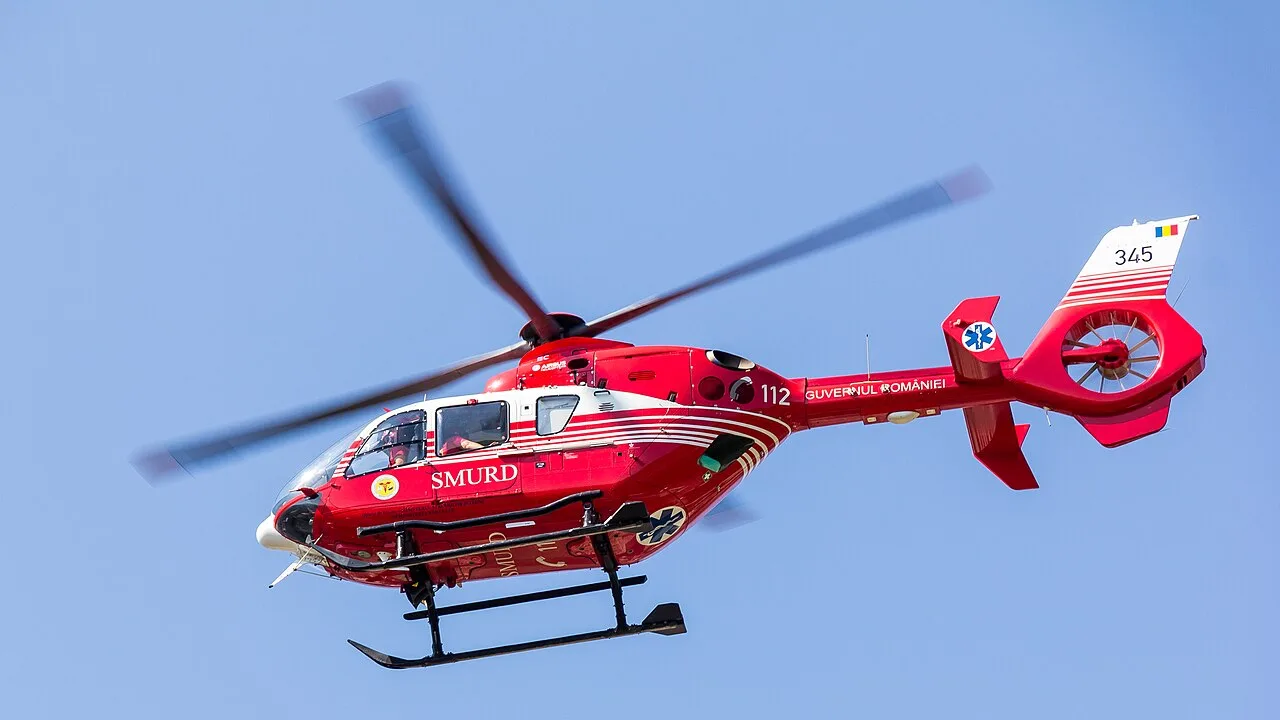
Here is what the card doesn’t cover. It won’t pay to fly you home if you are too ill or injured to travel normally, and a medical repatriation flight can run from around 10,000 to 50,000 pounds. It doesn’t cover mountain or ski rescue, and a helicopter lift off a peak is billed in the thousands. It doesn’t cover private clinics, which in Romania are often faster and more comfortable than the public system, so if you walk into a private hospital you pay the full price yourself. And it does nothing for lost baggage, a stolen phone or a cancelled trip. Travellers from outside the EU and UK, such as Americans, Canadians and Australians, get no reciprocal state cover at all, so for them insurance is the only safety net there is.
Why a policy earns its keep in Romania specifically
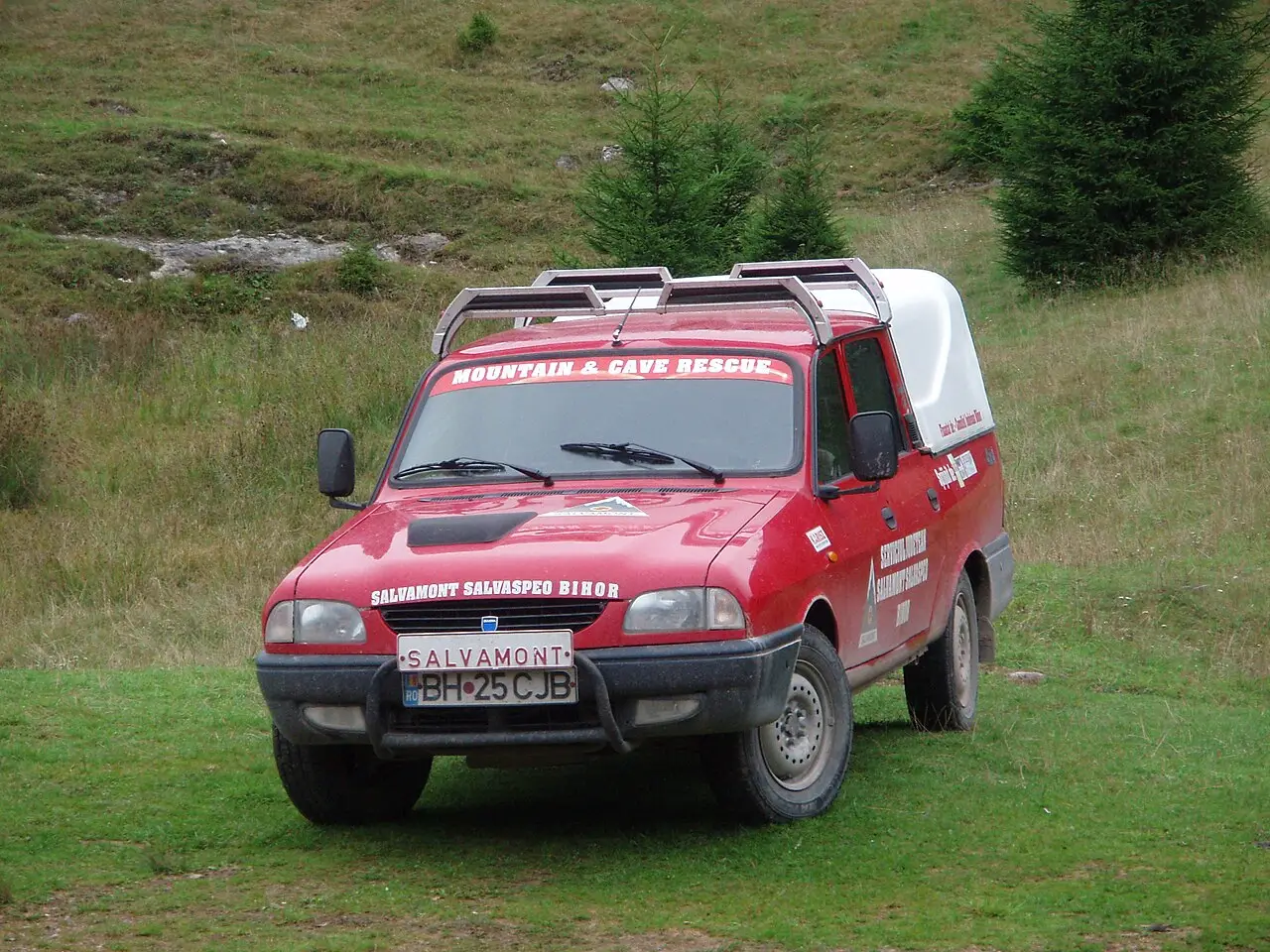
Romania isn’t a high-risk destination, but the specific things people come to do here are exactly the ones that turn a small mishap into a big bill. The Carpathians are prime hiking and skiing country, and the mountains bite. Romania’s mountain-rescue service, Salvamont, is a recognised public service, and as a public service it doesn’t bill you for the rescue operation itself, and the emergency number is the Europe-wide 112. But the ambulance, the hospital stay, the air ambulance and above all a flight home afterwards are not free, and that’s the part a travel policy is built to absorb. A single evacuation flight can cost more than the rest of your trip combined.
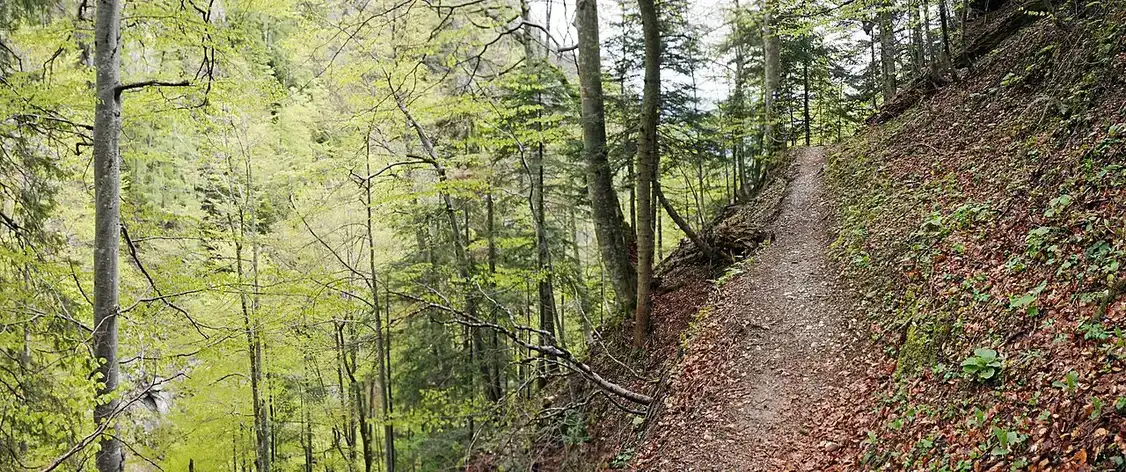
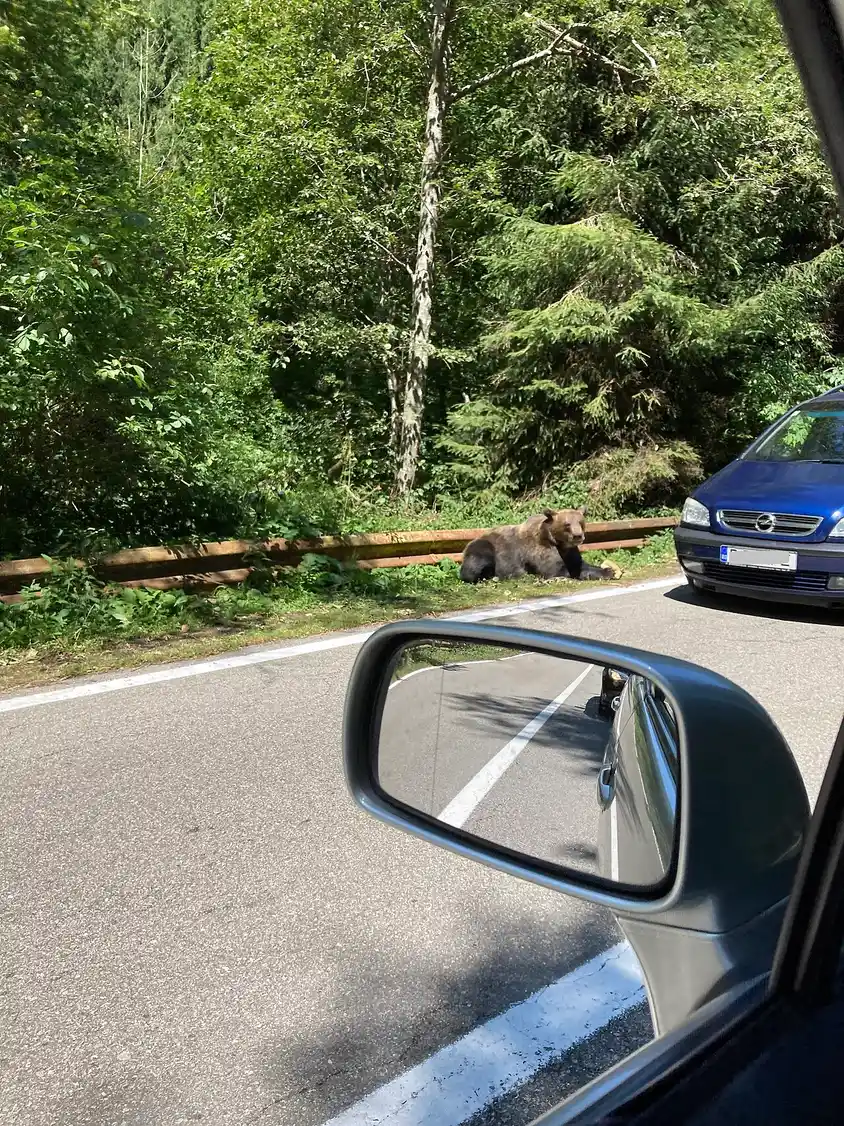
The same logic covers the rest of a Romania trip. If you’re driving the mountain passes like the Transfagarasan, an accident far from a city is precisely when repatriation cover matters. If you’re hiking or camping in the Carpathians, you are in the one part of Europe with a genuinely large brown-bear population, and while attacks are rare, roadside encounters are common enough that our is Romania safe guide treats bears as a real, if manageable, hazard. And for everyday illness, the private clinics that treat foreigners fastest are the ones your card will not touch.
If you are coming to live or work here
Longer stays raise the bar. If you’re applying for Romania’s digital-nomad visa, travel medical insurance is a required document, and the pack asks for cover in the region of 30,000 euros for the whole period, alongside the income proof. The details, and why the income threshold is a formula rather than a fixed number, are in our Romania digital nomad guide. For any long stay, a nomad or expat health policy that keeps you covered across Romania and the wider EU is worth pricing properly rather than stretching a short-trip plan to fit.
What a good policy should actually cover
Don’t just buy the cheapest line and hope. For Romania, look for these things in the wording:
- Emergency medical and hospital treatment, with a limit well above the 30,000-euro Schengen minimum. Big numbers here are cheap to add.
- Repatriation and medical evacuation. This is the expensive event you cannot self-fund, so treat it as the core of the policy, not a nice-to-have.
- Mountain and adventure activities, if you plan to hike, ski or climb. Many standard policies exclude hiking above a certain altitude or winter sports unless you add them, so declare what you’ll actually do.
- 24/7 emergency assistance, a real phone line that arranges and guarantees treatment rather than leaving you to pay and claim.
- The extras that suit your trip, such as rental-car excess if you are driving, and baggage or cancellation cover if that matters to you.
The single most useful habit is to read the activity exclusions first, because that’s where a cheap policy quietly leaves a gap exactly where Romania is most likely to test it. It is worth pricing travel medical cover for Romania that includes the mountains and driving against what your existing cards and bank account already give you.
So do you actually need it?
Match the decision to your trip rather than treating it as all or nothing.
- A short, low-key city break in Bucharest, Brasov or Sibiu, with a decent EHIC or GHIC and no adventurous plans, is genuinely low risk. Insurance is optional here, but a basic policy is cheap peace of mind and still covers the flight home you cannot otherwise fund.
- Anything in the mountains - hiking, skiing, the high passes - moves insurance from optional to strongly recommended, with the right activities declared.
- Driving, a longer stay, the nomad visa, or a Schengen visa all push it to essential, and in the visa cases it’s simply required.
My view is that for the price of a couple of restaurant meals, a policy that covers medical care and a flight home removes the one financial risk on a Romania trip you genuinely cannot control. Romania’s mountains, roads and wildlife are wonderful precisely because they’re real, and a policy simply lets you enjoy them without the worst case nagging at the back of your mind. Get the rest of your planning right too: our entry requirements guide covers the passport and visa small print, money in Romania explains the leu and the card traps, and is Romania safe gives the straight answer on crime, driving and bears. Treat this page as orientation, not legal or insurance advice: rules and products change, so confirm the current position with official sources and read your policy documents in full.
Read also

What to see · 11 min read
Marginimea Sibiului: Shepherd Villages Near Sibiu
Verified · September 5, 202618 shepherd villages west of Sibiu: Rasinari, Sibiel glass icons, Saliste, Paltinis bus fares, and how a day out of town works.

Transport · 14 min read
Bucharest to Budapest: Night Train, Bus & Flights
Verified · September 4, 2026Bucharest to Budapest 2026: CFR night train from 27 EUR, FlixBus from 36.98 EUR in 13h, or a 1h45 flight. Fares, times, border, Oradea stop.

Cities · 13 min read
Predeal: Romania's Highest Ski Town
Verified · September 3, 2026Predeal sits at 1,030-1,110 m on the Bucharest-Brasov line: Clabucet ski, the town itself, and how it stacks up against Sinaia and Poiana.

What to see · 9 min read
Prejmer Fortified Church: UNESCO Near Brasov
Verified · September 3, 2026Prejmer fortified church 15 km from Brasov: Greek-cross plan, 275 wall rooms, UNESCO hours for 2026 and how a visit actually works.