
Romanian Wine: Regions, Grapes & Tasting
Romanian wine regions explained: Dealu Mare reds, sweet Cotnari, Black Sea Murfatlar, the native grapes to order and how to book a cellar tasting.
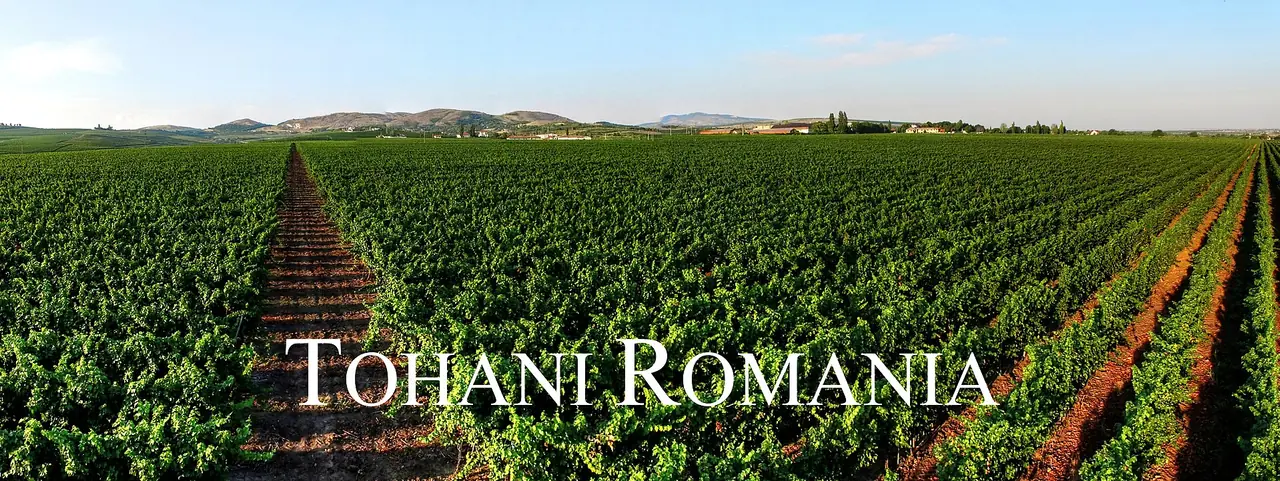
Romania has around 187,000 hectares of vines, the fifth-largest vineyard area in the European Union, and you’ve probably never drunk a bottle of it at home. Three regions account for most of what you’ll meet on the road: Dealu Mare north of Bucharest for the serious reds, Cotnari in Moldavia for honeyed sweet whites, and Murfatlar behind the Black Sea coast for sunny whites and dessert wines. Learn one grape name, Feteasca Neagra, and settle one question first: who’s driving, because the Romanian drink-drive limit is a flat zero.
Booking is where visitors come unstuck. Romanian cellars don’t work like Tuscany, where you drift in off the road at four in the afternoon. Most want a reservation, several set a minimum group size, and the big Cotnari house receives visitors Monday to Friday only, until 15:30, unless you arrive forty strong. Phone or email a week ahead and it runs beautifully, with the tables laid and a winemaker pouring. Turn up unannounced on a Sunday and you’ll be tasting in a supermarket car park.
Is Romanian wine actually any good?
Yes, and its invisibility abroad is a matter of history rather than quality. Winemaking here goes back some 6,000 years, but phylloxera arrived in 1872 and destroyed much of the vineyard, and the replanting leaned on French imports, which is why Merlot, Cabernet Sauvignon and Chardonnay sit beside the native grapes on every list today. Several local varieties survived that reset, and they’re the ones worth your money.
The country makes far more wine than its export reputation suggests, but the real surprise is the price. LacertA, a serious Dealu Mare estate, sells most of its own range at roughly 50 to 120 lei a bottle at the cellar door, and our money in Romania guide puts dinner for two with wine at a mid-range restaurant at 150 to 200 lei, which tells you the wine is rarely the reason a bill climbs. Ordering by the bottle rather than the glass is normal even in modest places.
What to order with what
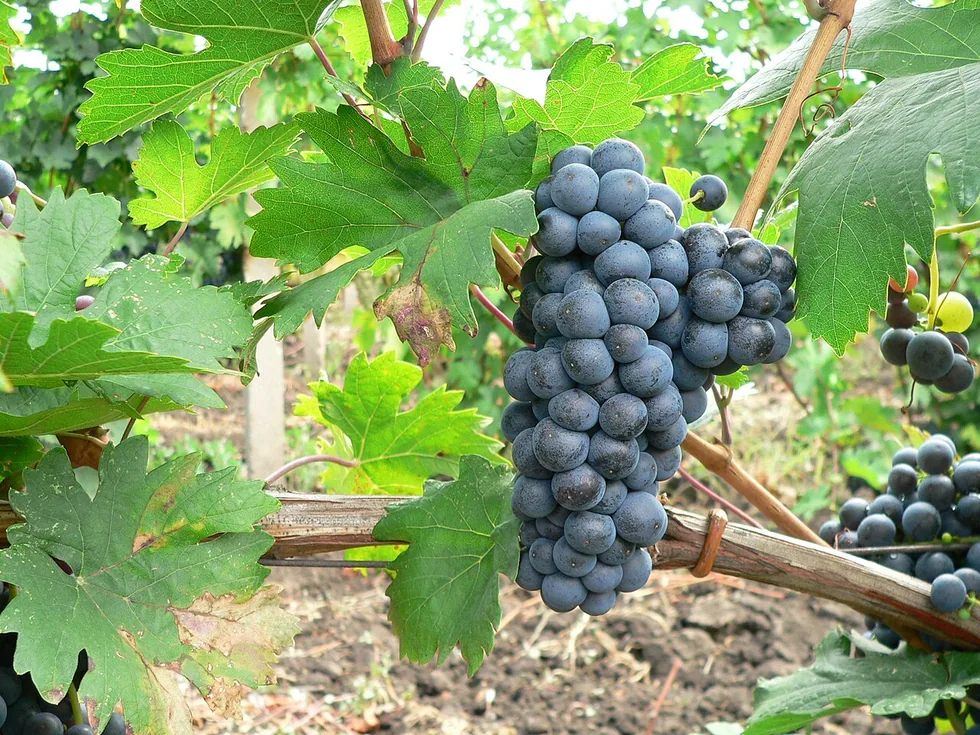
Start with the pairing rather than the grape list. Feteasca Neagra, the “black maiden”, is the flagship red, dark plum and blackberry with a bit of spice, and it’s the bottle for sarmale, a pork knuckle or anything that came off a grill. Babeasca Neagra is the lighter clove-scented red and the smarter order on a 33-degree July evening at a table of mici, because it takes a slight chill and a heavy red doesn’t. On the white side, Feteasca Alba and the crisper Feteasca Regala are floral and low-drama, good with chicken, cheese and the vegetable spreads that open most Romanian meals, while Francusa, the sharp dry white of Moldavia, is the one to ask for with Danube fish.
Sweet wine here’s a course, not a mistake. Grasa de Cotnari is botrytised, made from grapes deliberately left on the vine until noble rot takes them, and it can carry as much as 300 grams of residual sugar per litre, which puts it in the same conversation as Tokaji: pour it with papanasi or a hard sheep cheese rather than at the start of dinner. Tamaioasa Romaneasca is the perfumed alternative, honey and herbs. The Oltenian hills add the fresh-acid white Cramposie and the dark, tannic Negru de Dragasani.
One piece of label vocabulary saves a lot of disappointment: sec means dry, demisec semi-dry, demidulce semi-sweet and dulce sweet. The everyday wine poured by the glass skews sweeter than most northern European palates expect, so if you want a bone-dry white with your fish, say sec and check the bottle rather than trusting the grape name.
Dealu Mare: the red heartland and a 58 km wine road
Dealu Mare is the appellation to aim at if you’ve one day and a car. It runs along the foot of the Southern Carpathians across Prahova and Buzau counties, about 400 square kilometres with some 15,000 hectares under vine, on the 45th parallel, the same line as Bordeaux and Tuscany. Valea Calugareasca is the name attached to its reds and Pietroasele to its whites, and the grape list runs from Feteasca Neagra and Burgund Mare to Cabernet Sauvignon, Merlot and Chardonnay.
What makes it practical is the Drumul Vinului, the Wine Road: 58 kilometres of county road threading the wine villages of Prahova, from Mizil and Tohani through Ceptura, Urlati and Valea Calugareasca towards Baicoi and Floresti. Urlati, a reasonable base for the middle of it, is about 85 km from Bucharest and an hour and a half by car, which makes the region a genuine day trip from the capital rather than an expedition you’ll regret booking. Cellars sit a few kilometres apart, most signposted off the main road, and two or three in a day is a realistic pace once lunch is in the plan. For a ready-made two-day version that strings Urlati, Ceptura, Budureasca and LacertA together with driving times and phone numbers, see our Dealu Mare wine route.
Three names to start with, because “just drive the wine road” is how people end up at locked gates. LacertA, at Fintesti on the Buzau side, is the easiest you’ll plan around: its own site gives visiting hours of 09:00 to 16:00 Monday to Saturday and Sundays by arrangement, it makes six reds and six whites including Feteasca Neagra and Feteasca Alba, and it shuts for a fortnight in August. SERVE, at Ceptura de Jos, is the label most likely to be on a good wine list already, with its Terra Romana range and the Cuvee Charlotte reds; it joined the Purcari group in March 2026 and takes visits by phone. Basilescu, on the edge of Urlati, organises tastings for groups of ten to eighteen and asks you to get in touch for details rather than publishing a price, which is typical here.
Prices at private cellars are the fuzzy part: listings put a tour plus a five-wine tasting at 50 to 100 lei per person, but almost no estate publishes that itself, so settle it when you book.
Cotnari: sweet whites in Moldavia
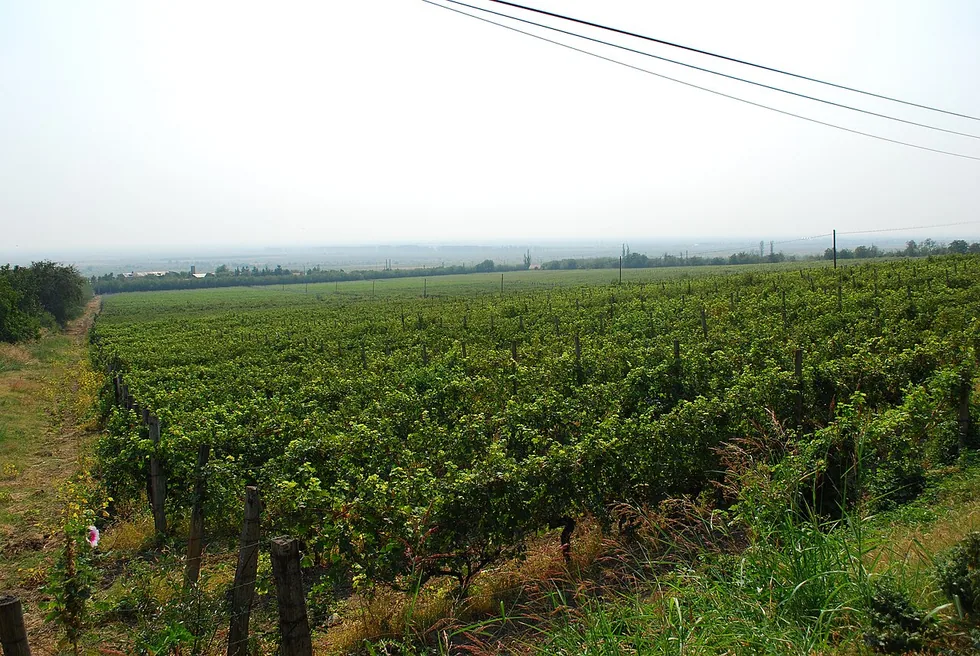
Cotnari is the historic one. The village in Iasi county was first recorded in 1448, and local tradition credits the planting of its vineyards to Stephen the Great, who ruled Moldavia from 1457 to 1504 and kept the place as an alternate residence. The microclimate does the rest: a growing season of around 190 days on sunny slopes, then cold September nights that let noble rot concentrate the sugar in the Grasa grapes. The result is the sweet golden wine Romanians treat as a national heirloom and pull out for weddings and Christmas.
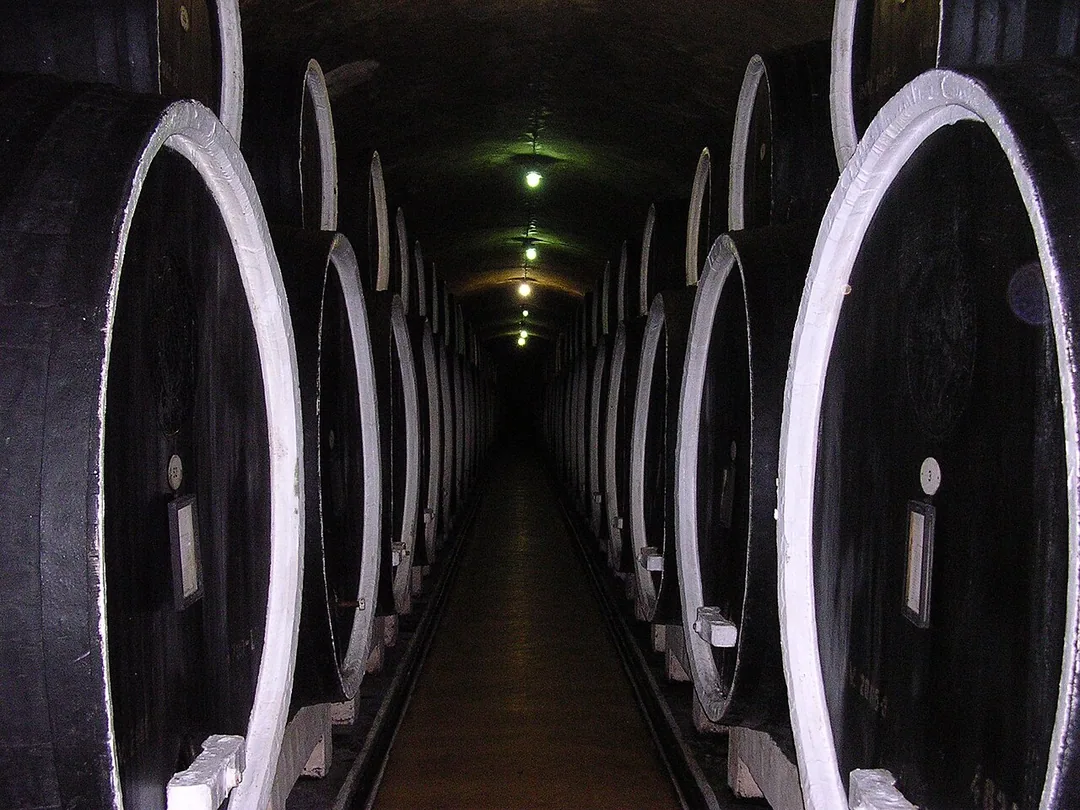
The big Cotnari house publishes its visitor packages, which is rarer than it should be, so you can plan precisely - that’s uncommon for private cellars here. The cellar alone is 10 euro a head, 15 adds a five-wine tasting, 20 buys the cellar with either a cold platter or the wines, 30 combines all three, 45 brings a traditional meal with dessert and coffee, and the 60-euro package adds live music but needs a group of forty (tariff from the winery’s own site, July 2026, worth reconfirming when you book). The rest assume a booking and a minimum of ten people, with slots Monday to Friday until 15:30; evenings and weekends also move to the forty-person minimum. The house quotes in euro even though you’ll be paying in lei.
Read that as a couple and the arithmetic is blunt: you either pay the ten-person rate, join somebody else’s group, or make Cotnari a stop rather than the centrepiece of the day. It’s about an hour northwest of Iasi, so base yourself in the city, where our Iasi guide covers the rest of the trip, and treat the cellar as a half-day out.
Murfatlar and the Black Sea
The third name you’ll see on every supermarket shelf is Murfatlar, the Dobrogea appellation whose vineyards start about 18 km west of Constanta. The climate is the selling point: hard sunshine, low rainfall and a sea breeze that cools the vines and keeps acidity in the grapes, which is why the region built its name on rich whites and heavy sweet dessert wines from Tamaioasa and Muscat. Vines have grown on these slopes for millennia, but the current vineyard dates from 1907, when two Romanian growers replanted them with European varieties, and it now covers around 3,000 hectares.
Be realistic about visiting. Dealu Mare is geared for wine tourism in a way the Dobrogea slopes aren’t, and neither the local tourism office nor the big producer publishes a clear visitor programme, so arrange anything here well ahead. What Murfatlar offers instead is a beach-trip pairing: Roman ruins in the morning, vineyards in the afternoon, a night on the coast. Our guide to Constanta and the Black Sea coast covers that end of the plan.
Dragasani, Recas, Tarnave and the rest
Beyond the big three there are eight wine regions, and a few justify a detour. Dragasani, in the Oltenian hills above the Olt valley, is the home of Cramposie, Negru de Dragasani and the revived Stirbey estate, and it makes some of the country’s most interesting whites. Recas, in the Banat near Timisoara, has grown wine since the 15th century and is the western outlier, closer to Belgrade than to Bucharest. Tarnave, on the Transylvanian plateau, does dry aromatic whites in a cooler style, which is why a Sibiu wine list reads differently from a Bucharest one; our Sibiu food guide points you at the cellar bar where you can test that in one evening.
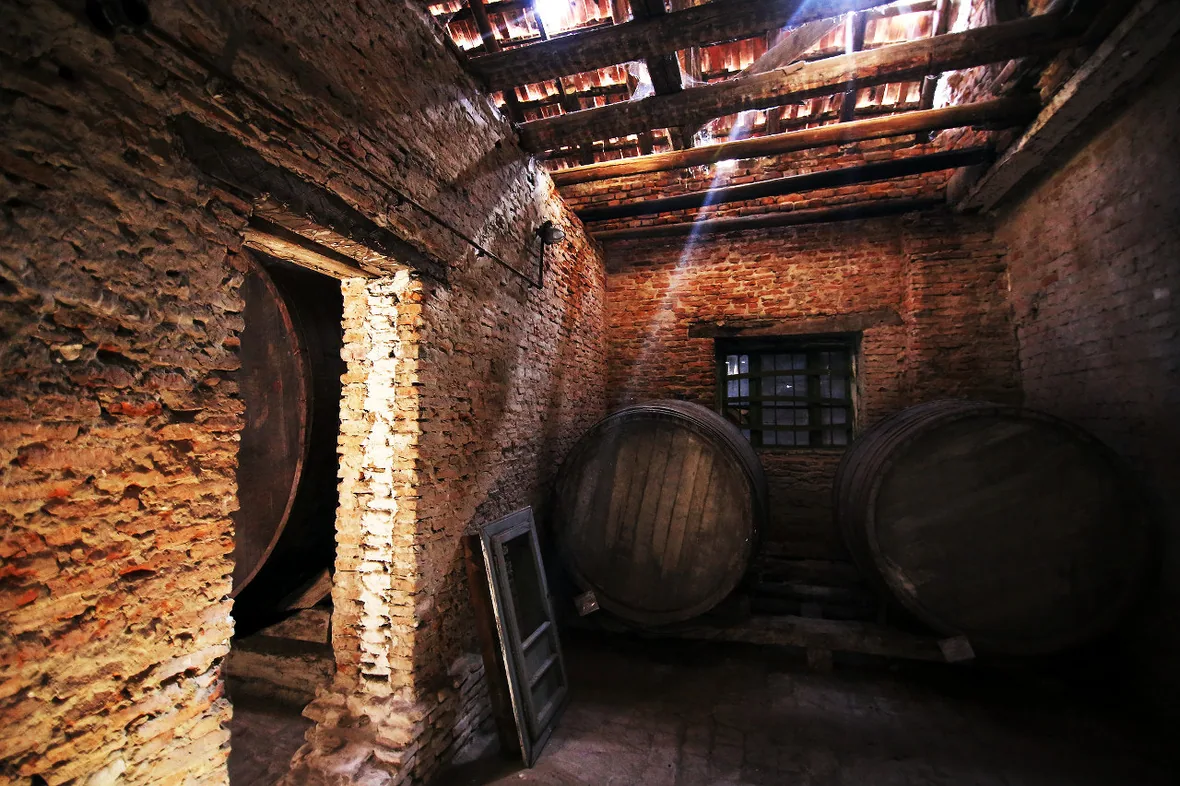
How to actually do a tasting trip
Sort the driver first. Romania enforces a zero blood-alcohol limit with no allowance for a single glass, and the penalties climb from a top-band fine and a licence suspension to criminal prosecution above 0.80 g/l, as our driving in Romania guide sets out. That kills the obvious plan of hiring a car and tasting your way along the wine road. The workable versions are a designated driver, a hired driver or taxi for the day, or a winery with rooms where you sleep on site. A rental car is still the right tool for reaching the cellars, since public transport between wine villages is thin to nonexistent, but somebody has to abstain.
Then book, and book earlier than feels necessary in September and October. Ask three things when you call: whether there’s a minimum number of people, whether the tasting includes food (a plate of cheese and cured meat changes an hour-long tasting a great deal), and whether they sell bottles at the cellar door. Take notes in lei with you, because the smaller estates are casual about card machines. And watch the clock, since cellar visits are often timed to finish by three or four in the afternoon rather than early evening.
When to go, and what to bring home
Harvest runs through September and October, and that’s when the wine country is at its best: presses running, good light, and an autumn festival season in Bucharest and the Dealu Mare villages, though the dates move every year and deserve checking rather than trust in an old listing. Summer works too if you accept that the vines are just green rows and the cellar is the cool part of the day. Winter is the quiet season, when many small estates simply close. Our best time to visit Romania guide sets the wine calendar against the country’s other seasons, and if you would rather sleep among the vines than drive back, compare places to stay in Prahova or Buzau before the harvest weekends fill.
Buy at the cellar rather than the airport: a Feteasca Neagra from a Dealu Mare estate, a half-bottle of Grasa de Cotnari for the dessert course and something aromatic from Dragasani. For what to eat alongside them, from sarmale to the sheep cheeses that flatten a delicate white, our what to eat in Romania guide has the food half of the picture. Book the cellar first, though: the tastings are what turn a wine list into a day out.
Photos
Admission and opening hours
- Admission price
- Cotnari visitor packages 10-60 euro per person (winery site, minimum 10 people, 40 for the 60-euro package). Private Dealu Mare cellars: listings put a tour plus five-wine tasting at roughly 50-100 lei per person, rarely published by the estates themselves.
- Opening hours
- Cotnari: Mon-Fri until 15:30, evenings and weekends only for groups of 40. LacertA (Fintesti): Mon-Sat 09:00-16:00, Sun by prior arrangement, closed for a fortnight in August 2026.
Tasting prices and slots change and most cellars quote on request - confirm when you book. Cotnari publishes in euro, you pay in lei.
Details checked: July 24, 2026
Read also

Food · 10 min read
Best Food in Constanta & Mamaia: Seafood by the Sea
Verified · August 22, 2026Where to eat in Constanta and Mamaia: Bacaro Port, Muse Port, BonFish, Blue Acqua and Pirouette Bistro, all rated above 4 stars, checked August 2026.

Food · 9 min read
Best Food in Sibiu: Traditional & Modern Restaurants
Verified · July 23, 2026Where to eat in Sibiu: cellar cooking at Crama Sibiul Vechi, neo-Romanian at Kombinat, the Marginimea cheeses and Sibiu salami, with prices in lei.

Food · 9 min read
Best Food in Cluj-Napoca: Where to Eat
Verified · July 21, 2026Where to eat in Cluj-Napoca: Roata and Zama for Transylvanian classics, Baracca for fine dining, the veggie scene and Museum Square, prices in lei.

Food · 8 min read
Best Food in Brasov: Where to Eat in the Old Town
Verified · July 18, 2026Where to eat in Brasov's Old Town: Sergiana, La Ceaun, Pilvax and Bistro de l'Arte, the Saxon-Hungarian-Romanian food scene, with prices in lei.