
Best Food in Cluj-Napoca: Where to Eat
Where to eat in Cluj-Napoca: Roata and Zama for Transylvanian classics, Baracca for fine dining, the veggie scene and Museum Square, prices in lei.
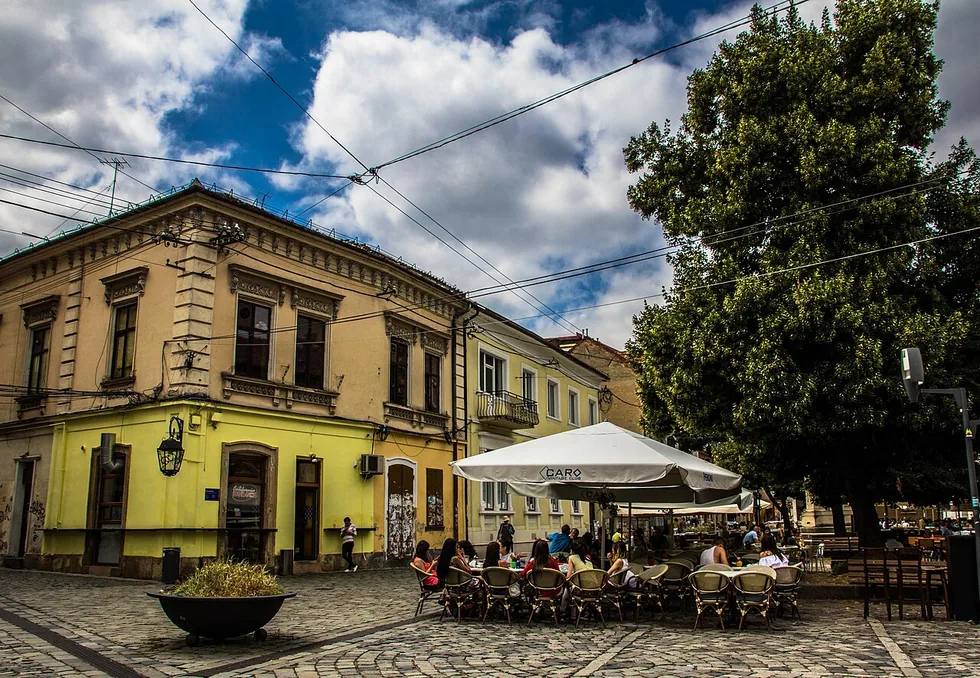
Cluj-Napoca eats better than a city its size has any right to, because it’s Transylvania’s student and tech capital and the crowd here’s young, broke, well-travelled and picky all at once. If you want the list without the reasoning: Roata for the full traditional Transylvanian blowout, Zama for the same cooking with a modern polish, Baracca when you want the best meal in town, and Samsara for the surprisingly strong meat-free scene. The one local plate you shouldn’t skip is varza a la Cluj, the layered cabbage bake the city named after itself, and the heart of the eating-out scene is the terrace huddle of Piata Muzeului, the Museum Square.
For the dishes themselves, sarmale, mici, ciorba, mamaliga and the rest, see our what to eat in Romania guide. This page is about the actual restaurants, and the thing that sets Cluj apart from Brasov or Sibiu: alongside the traditional cellars you get proper fine dining, a genuine specialty-coffee culture and more good vegetarian food than anywhere in the country outside the capital, all because the students and the IT crowd demand it.
Roata: the traditional Transylvanian benchmark
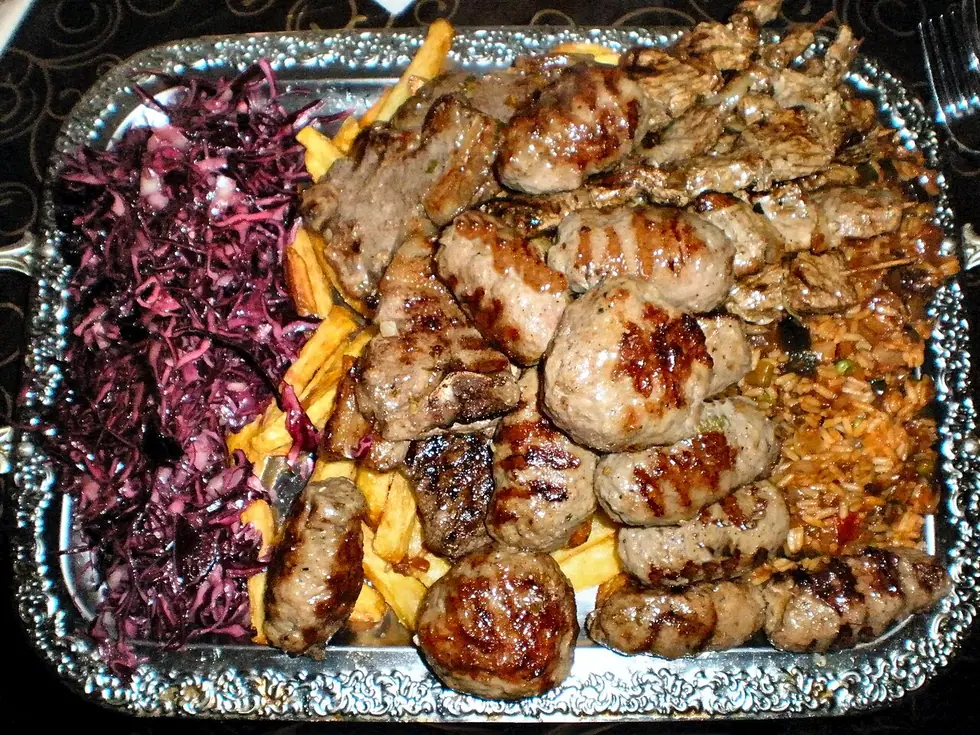
Ask anyone in Cluj where to take a visitor for real local food and Roata comes up first. A few minutes off the centre, Roata is the city’s benchmark for Transylvanian home cooking: cabbage rolls, grilled meats, soups served inside a hollowed loaf, and mamaliga (polenta) with cheese and jumari, the crackling-like pork greaves. Portions are built for farm workers, one order often feeds two, and the house tuica, the fierce plum brandy, arrives stronger than you expect. The setting is rustic without tipping into theme-park folklore, and the service is warm.
Come hungry and come a little early, because it fills with locals and books out on weekend evenings. This is the place to work through the Transylvanian classics in one sitting, so order broadly, share, and pace yourself past the tuica. It sets you up perfectly for a day on foot around the old town, which our Cluj-Napoca travel guide maps out.
Zama: Transylvanian cooking, modernised
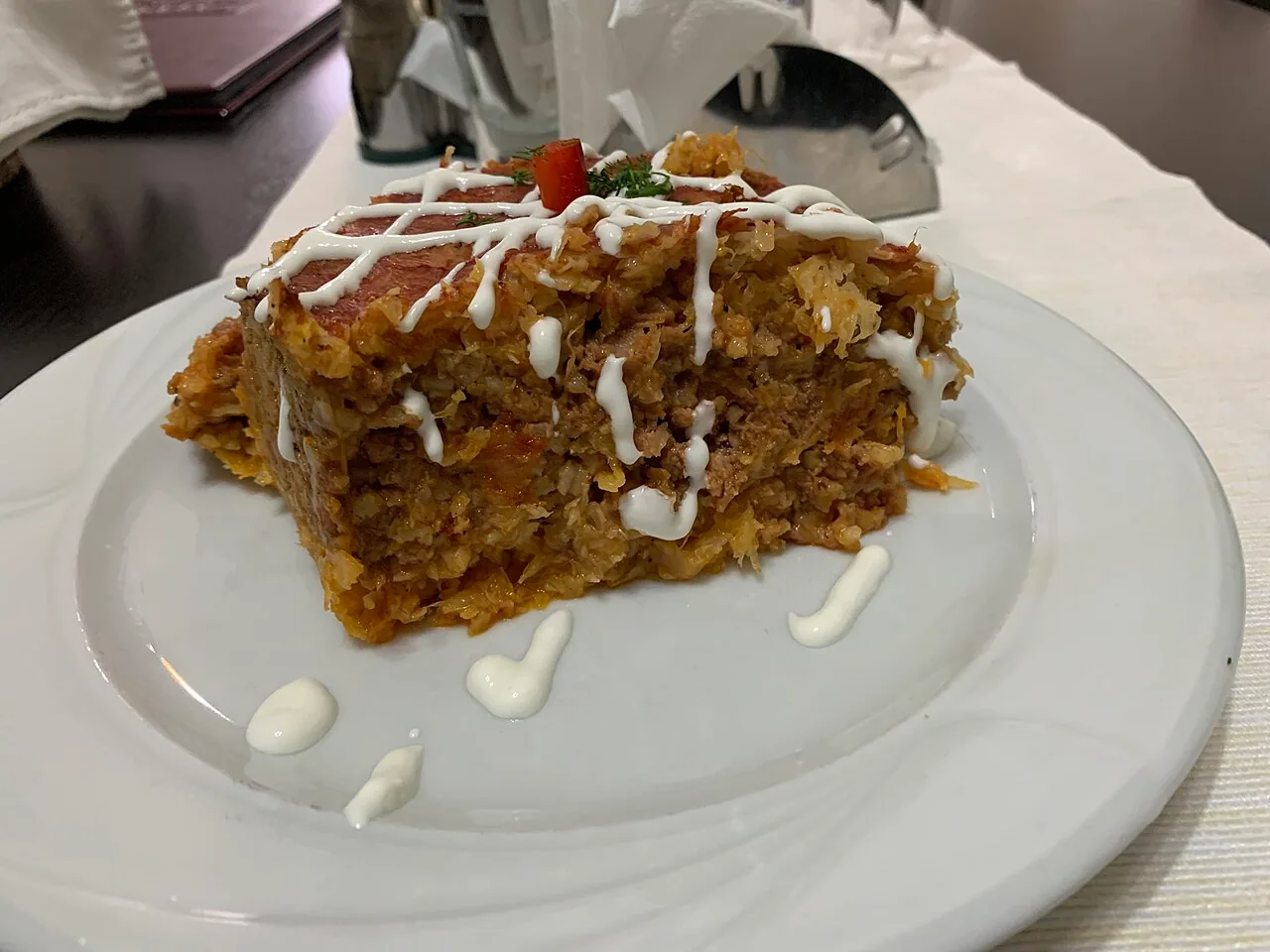
Two minutes off Piata Unirii on Strada Napoca, Zama does what Roata does but dressed up a little: traditional Transylvanian dishes given a modern, colourful presentation in a cosy room, at prices that stay reasonable. This is the easiest place in town to try the dish that carries the city’s name, varza a la Cluj, a rich bake of layered cabbage, minced meat, rice and sour cream that’s Cluj comfort food in a single pot. The soups are excellent too, including a bean soup served with a smoked bone that’s a meal on its own.
Zama suits the traveller who wants the local flavours without the full rustic-cellar heft of Roata, and it’s central enough to walk to from anywhere in the old town. Between these two you have the traditional side of Cluj covered: pick Roata for the hearty, generous version and Zama for the neater, more contemporary one, or do both across a couple of nights and compare.
Baracca: the fine-dining bar
When you want to eat properly rather than just heartily, Baracca is the name most locals land on. It’s contemporary fine dining in a stylish setting, a menu that moves between refined Romanian and international plates, and a kitchen that leans on high-quality, largely local ingredients. It’s the clearest sign of how far Cluj has come as a food city: this isn’t a tourist restaurant coasting on a pretty square, it’s a place locals save for a good night out, and the standard holds up.
Treat it accordingly. It’s pricier than the traditional restaurants, though still a fraction of what an equivalent meal costs in Western Europe, and it is worth booking ahead, especially at weekends. If you’re in Cluj for a special meal, an anniversary or simply want to see the modern end of the city’s kitchen, this is the reservation to make.
The veggie and international side
Here’s where Cluj genuinely pulls ahead of other Romanian cities. The student and tech population sustains a spread of good international and meat-free kitchens that you would struggle to find in Brasov or Sibiu. The standout is Samsara FoodHouse, a vegetarian and largely vegan place that locals recommend over and over, doing creative, generous food (curries, cream soups, raw dishes) that wins over committed carnivores. Don’t confuse it with the separate Samsara Teahouse.
Around it sits the rest of the mix: solid Indian at Indigo, a rotating cast of burger joints, Asian spots and brunch cafes, and enough choice that a week here never feels like pork and polenta on repeat. If you’ve been on a traditional-Romanian diet for a few days on the road, Cluj is where you break it. For the same swing between traditional and modern in a smaller Saxon town, our Brasov food guide covers that scene.
Museum Square, coffee and where the scene lives
The old town has two centres of gravity for eating and drinking. Piata Unirii (Union Square), around the great Gothic church and the Matthias Corvinus statue, is the grand main square ringed with restaurants and cafes. But the real terrace magnet is Piata Muzeului (Museum Square) just north of it, a smaller, prettier, largely pedestrian square where the tables spill out under the trees and the whole old town seems to gather on a warm evening. If you want to eat or drink outside and watch the city go by, this is where to aim.
Cluj also takes its coffee seriously in a way that surprises visitors: it has a real third-wave, specialty-coffee culture, with independent roasters and cafes turning out flat whites and pour-overs to rival any European city. Factor a proper coffee stop into your day here rather than settling for whatever is nearest, because in Cluj the good stuff is easy to find and cheap by Western standards.
Street food and something sweet
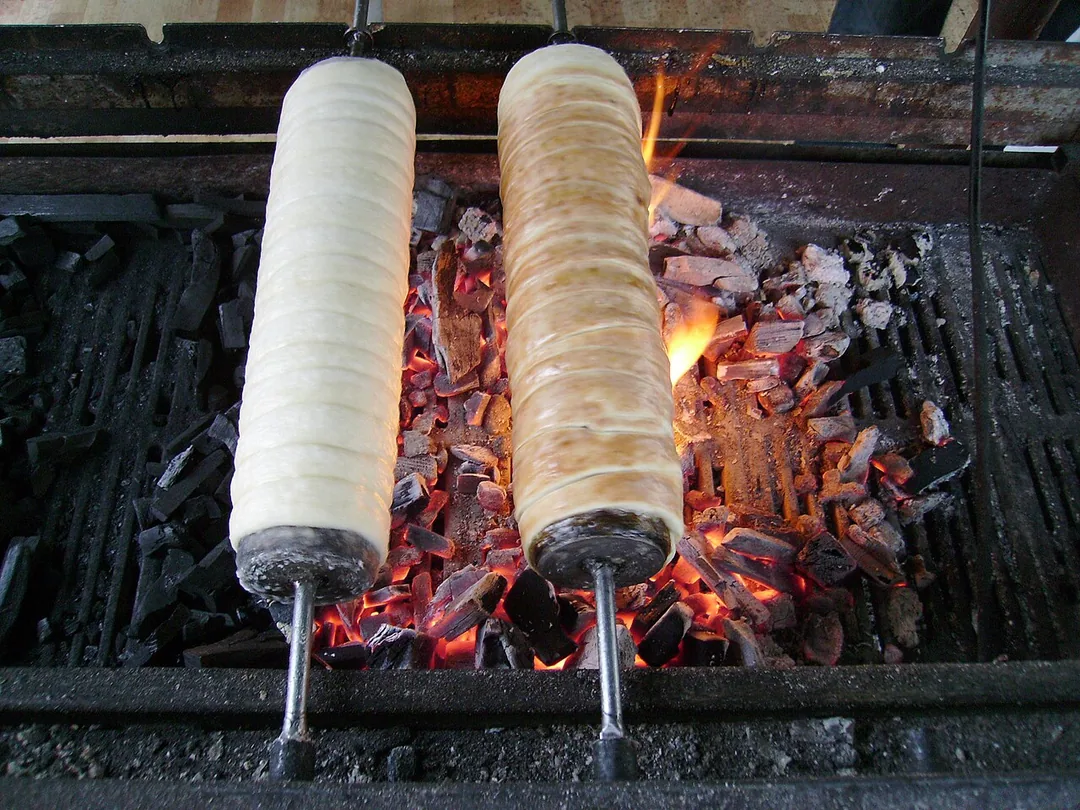
For a cheap bite on the move, Cluj leans on its Hungarian past. This was Kolozsvar, the historic Hungarian city, for centuries, and the sweet you see everywhere is the kurtoskalacs, or chimney cake: a ribbon of dough wound on a spit, roasted over coals until the sugar caramelises, then rolled in cinnamon, walnut or coconut. It’s the tastiest link to that Hungarian heritage, and there’s usually a grill turning them somewhere around the squares.
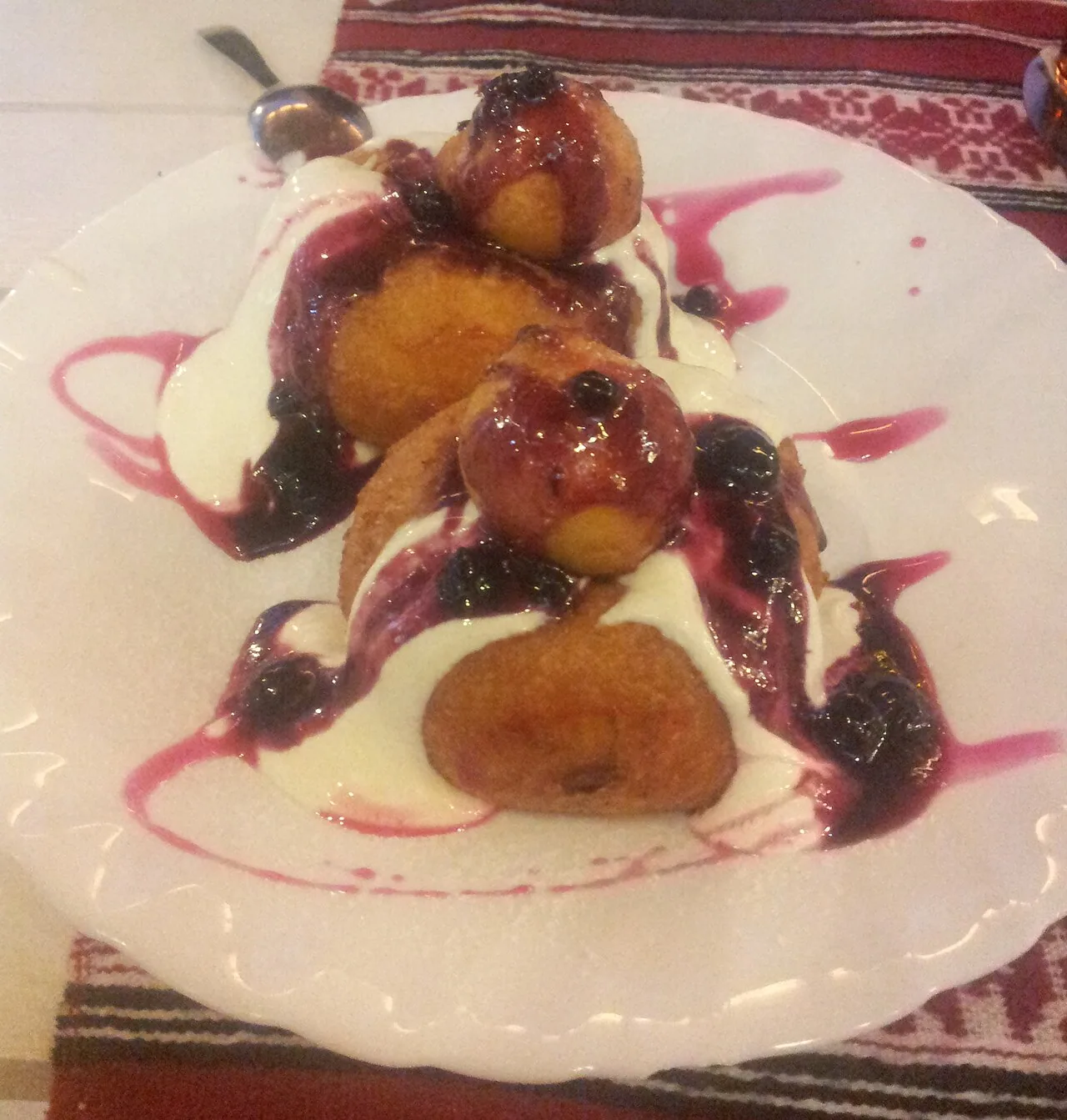
On the Romanian side, hunt down papanasi for dessert: warm fried sweet-cheese doughnuts under a slick of sour cream and sharp berry jam, on most traditional menus and easily enough for two. And for small change there are covrigi, the hot pretzels sold from kiosks, perfect fuel between sights. None of this costs much, and grazing your way around the old town is a fine way to eat on a budget.
Where students eat, and what to skip
Two more practical notes. If you’re counting lei, the student district west of the centre around the Piezisa strip, up toward the Babes-Bolyai campus, is where the cheapest food in the city lives: fast food, cheap bars and student cafes, open late and priced for people with no money. It isn’t fine dining, but it’s honest value and a window on how young Cluj actually eats.
As for what to skip, the usual rule applies: the most heavily touristed terraces right on Piata Unirii can charge square-side prices for ordinary cooking, so use the main square for a drink and a view, and walk a street or two, to Museum Square, Strada Napoca or the places above, for the better meals. Most traditional restaurants don’t take reservations for small tables, so on a weekend evening either come early or expect a short wait.
What you will pay
Cluj sits at the pricier end for Romania, a notch above Brasov, but it’s still cheap by Western European standards. At a traditional restaurant, main courses run roughly forty to ninety lei, soups sit around twenty to thirty-five lei, and a full sit-down meal with a drink usually lands between ninety and a hundred and fifty lei a person; fine dining at Baracca climbs above that but nowhere near Western prices (checked July 2026, so confirm on the current menu). Cards work everywhere, but keep some cash in lei for a chimney cake or a covrig on the go, since Romania is outside the eurozone.
Put it together and a couple of days here easily covers the traditional cellars, a fine-dining night and the veggie and coffee scene without much effort or expense. Base yourself in the walkable old town so all of the above is a short stroll away: compare places to stay in central Cluj near the squares, then eat your way from a bowl of bean soup to a chimney cake and a proper flat white, which is Cluj at its best. Come back from a day out hungry: day trips from Cluj is the menu, this page is dinner.
Photos
Read also

Food · 10 min read
Best Food in Constanta & Mamaia: Seafood by the Sea
Verified · August 22, 2026Where to eat in Constanta and Mamaia: Bacaro Port, Muse Port, BonFish, Blue Acqua and Pirouette Bistro, all rated above 4 stars, checked August 2026.

Food · 11 min read
Romanian Wine: Regions, Grapes & Tasting
Updated · July 24, 2026Romanian wine regions explained: Dealu Mare reds, sweet Cotnari, Black Sea Murfatlar, the native grapes to order and how to book a cellar tasting.

Food · 9 min read
Best Food in Sibiu: Traditional & Modern Restaurants
Verified · July 23, 2026Where to eat in Sibiu: cellar cooking at Crama Sibiul Vechi, neo-Romanian at Kombinat, the Marginimea cheeses and Sibiu salami, with prices in lei.

Food · 8 min read
Best Food in Brasov: Where to Eat in the Old Town
Verified · July 18, 2026Where to eat in Brasov's Old Town: Sergiana, La Ceaun, Pilvax and Bistro de l'Arte, the Saxon-Hungarian-Romanian food scene, with prices in lei.