
Best Food in Brasov: Where to Eat in the Old Town
Where to eat in Brasov's Old Town: Sergiana, La Ceaun, Pilvax and Bistro de l'Arte, the Saxon-Hungarian-Romanian food scene, with prices in lei.
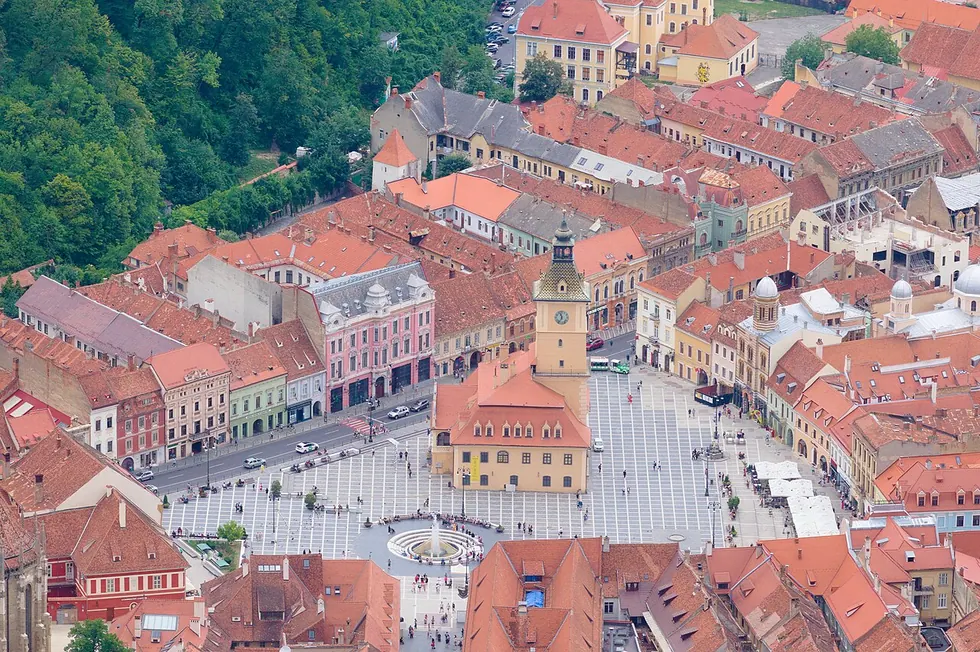
Brasov is one of the best places in Romania to eat, because three kitchens meet here: Saxon German, Hungarian and Romanian, the legacy of the old Transylvanian town the Saxons called Kronstadt. Where to go, in one line: Sergiana for the full traditional spread, La Ceaun for a cheap bowl of something hot on the main square, Pilvax for the Hungarian side, and Bistro de l’Arte when you want a break from pork and polenta. Everything worth eating sits within a ten-minute walk of Council Square, the portions are built for the mountains, and almost nothing needs a reservation, so you can wander and eat on instinct.
For the dishes themselves, sarmale, mici, ciorba and the rest, see our what to eat in Romania guide. This page is about the actual restaurants, and the one rule that saves every visitor money here: the good kitchens sit just off the main promenade, never on it.
Sergiana: the full Transylvanian spread
If you eat one proper meal in Brasov, make it Sergiana, a cellar restaurant just off Council Square on Strada Muresenilor. It’s the town’s benchmark for traditional Transylvanian cooking, and it leans into the region’s mixed heritage: the menu is printed in Saxon, Hungarian and Romanian, the staff wear folk dress, and a lot of the meat and dairy comes from the restaurant’s own farms. Portions are large and prices are fair, which is why it stays packed with both locals and visitors.
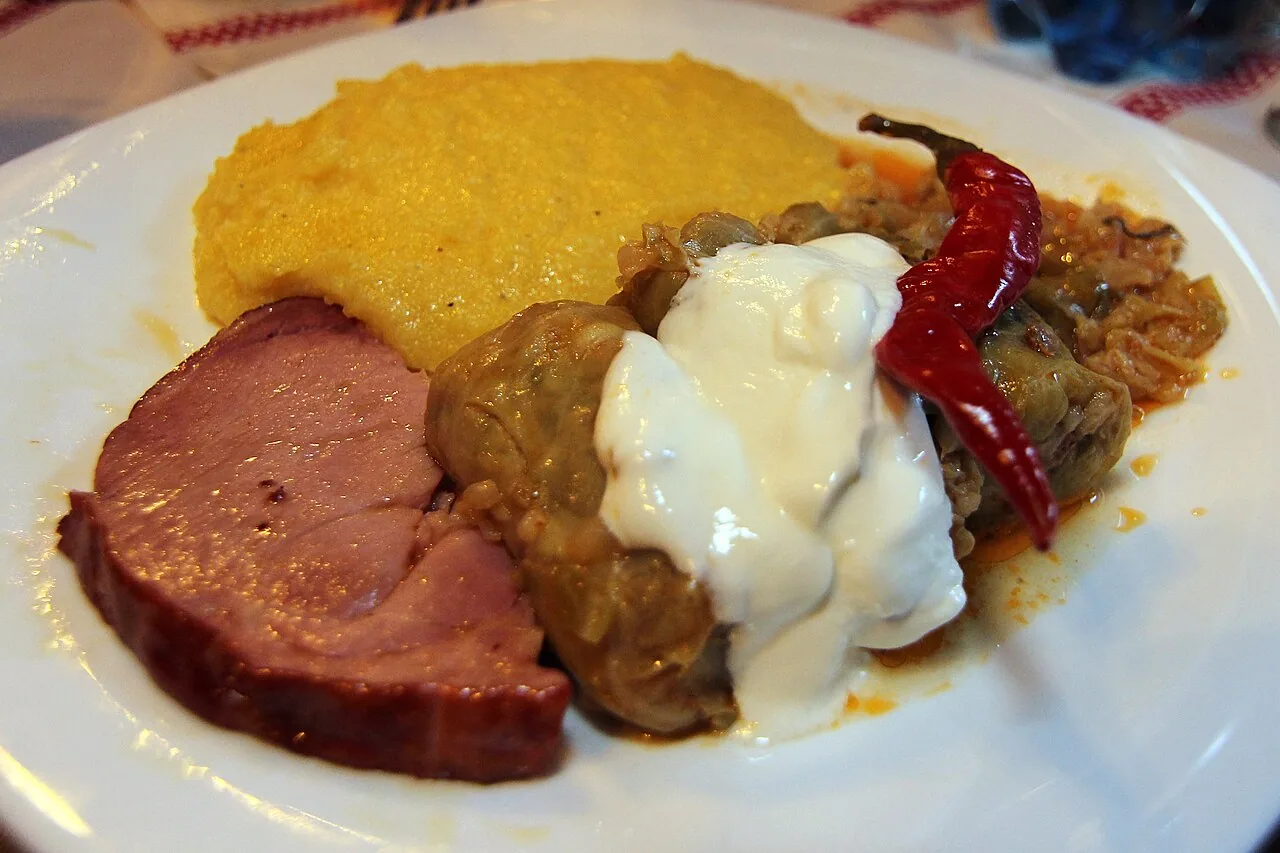
Order the Transylvanian pork stew with polenta, the sarmale, or a smoked-meat platter to see the Saxon side of the kitchen. This was a German merchant town for some 700 years, and that heritage shows up in the smoking, the heavier baking and the cabbage dishes as much as in the architecture outside. Go early or expect to wait: it doesn’t take reservations for small tables at busy times, and the cellar fills up from around seven on weekends. It’s the sort of hearty, generous meal that sets you up for a day on Tampa or a drive out to the castles.
La Ceaun: cheap and hot on the main square
Right on Piata Sfatului, the Council Square that anchors the Old Town, La Ceaun does the simple thing well: dishes cooked in the ceaun, the cast-iron cauldron that gives the place its name. The one to get is ciorba de fasole in paine, a bean soup served inside a hollowed-out round loaf, which is warming, filling and cheap, and exactly what you want after a cold morning on the trails.
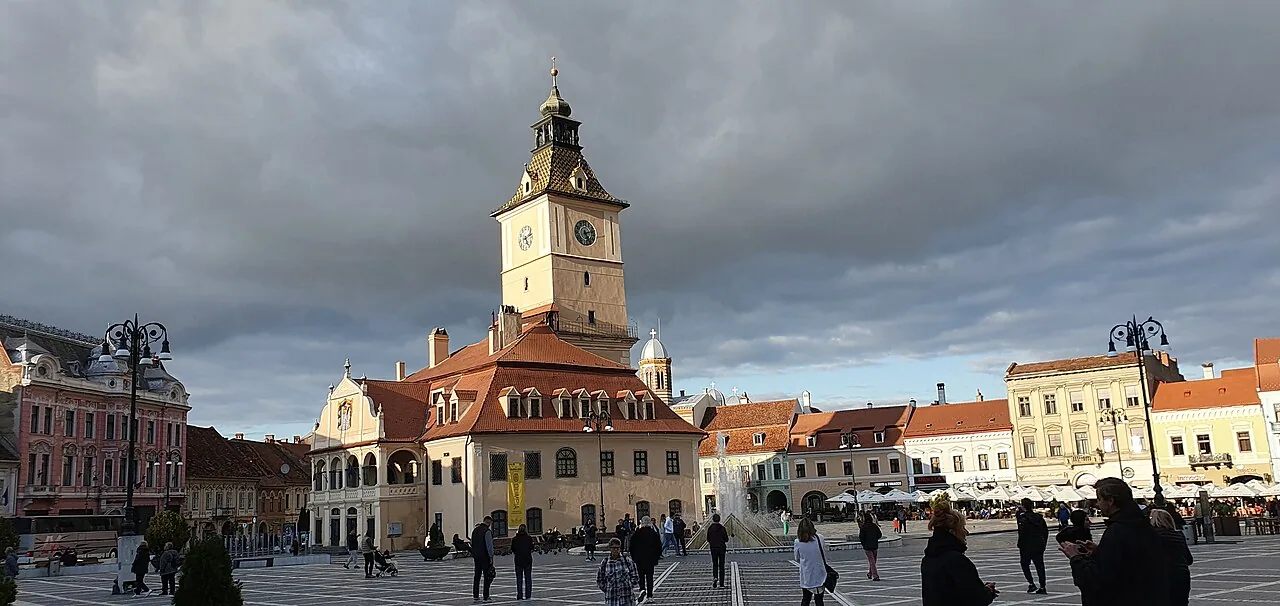
Having a good, honest kitchen this central is unusual, because square-side tables usually mean square-side prices. La Ceaun is the exception that lets you sit in the middle of the postcard without paying a fortune, so it’s a smart lunch stop between the Black Church and the ride up Tampa. Our things to do in Brasov guide maps those sights around the square.
Pilvax: the Hungarian side of Transylvania
Transylvania was Hungarian for centuries, and you taste it at Pilvax, a Hungarian and Transylvanian restaurant a couple of minutes off the square on Strada Michael Weiss. This is the place for a proper bowl of gulyas (goulash), a rich paprika beef soup that’s a meal in itself, along with hearty steaks, fish soup, and a wine list that pulls from Hungarian regions rather than only Romanian ones.
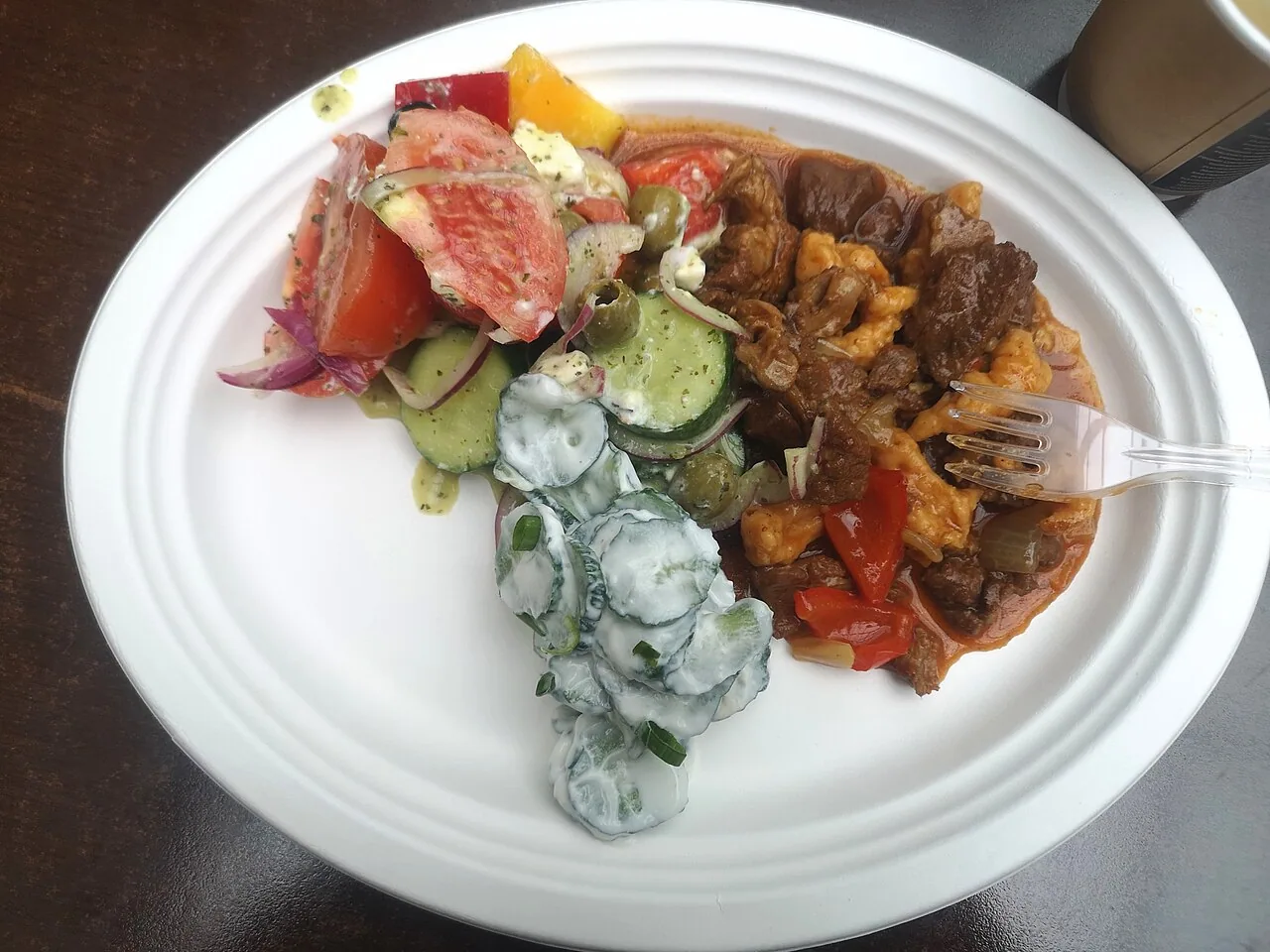
Ordering goulash here rather than sarmale is the easy way to understand how layered this region’s food is: same town, same afternoon, a completely different tradition on the plate. If you are spending a few days in Brasov, alternating a Romanian dinner one night and a Hungarian one the next is the tastiest way to feel the mix.
Bistro de l’Arte: a break from the heavy stuff
Three days of pork and polenta and you’ll crave something lighter, which is where Bistro de l’Arte comes in. Set on a quiet side street near Piata George Enescu, it’s an arty, informal bistro with a bohemian feel, live music some nights, and a menu that plays Romanian dishes off international ones. It is the town’s go-to for a good breakfast or brunch, a long coffee, or a relaxed dinner that isn’t another cauldron of stew.
It’s not traditional and doesn’t pretend to be, and that’s the point: every good eating town needs a change of pace, and this is Brasov’s. It also draws a younger local crowd, so it’s a decent window on how the city actually eats when it isn’t performing tradition for visitors.
Street food and something sweet
The best cheap bite on the move in Brasov is the kurtoskalacs, or chimney cake: a ribbon of sweet dough wound around a spit, roasted over coals until the sugar crust caramelises, then rolled in cinnamon, walnut or coconut. It’s a Szekely Hungarian speciality, and you see it turning on grills all over the Old Town, the tastiest link between the region’s Hungarian past and its sweet tooth. Alongside it you will find covrigi (hot pretzels) for small change, and papanasi, the fried sweet-cheese doughnuts under sour cream and jam, on most traditional dessert menus. In December the whole square becomes a Christmas market where mulled wine (vin fiert) and grilled sausages take over, and grazing the stalls turns into a meal in itself.
Where locals eat, and where not to
Now the rule that matters most. Strada Republicii, the pedestrian promenade running off Council Square, is lovely to stroll but it’s also where you find the weakest value: interchangeable terraces, menus printed in six languages with a photo of every plate, and staff whose main job seems to be filling pavement tables. The better cooking is one street to either side, on Muresenilor, on Michael Weiss, or down in the cellars, so treat Republicii as a walk, not a meal.
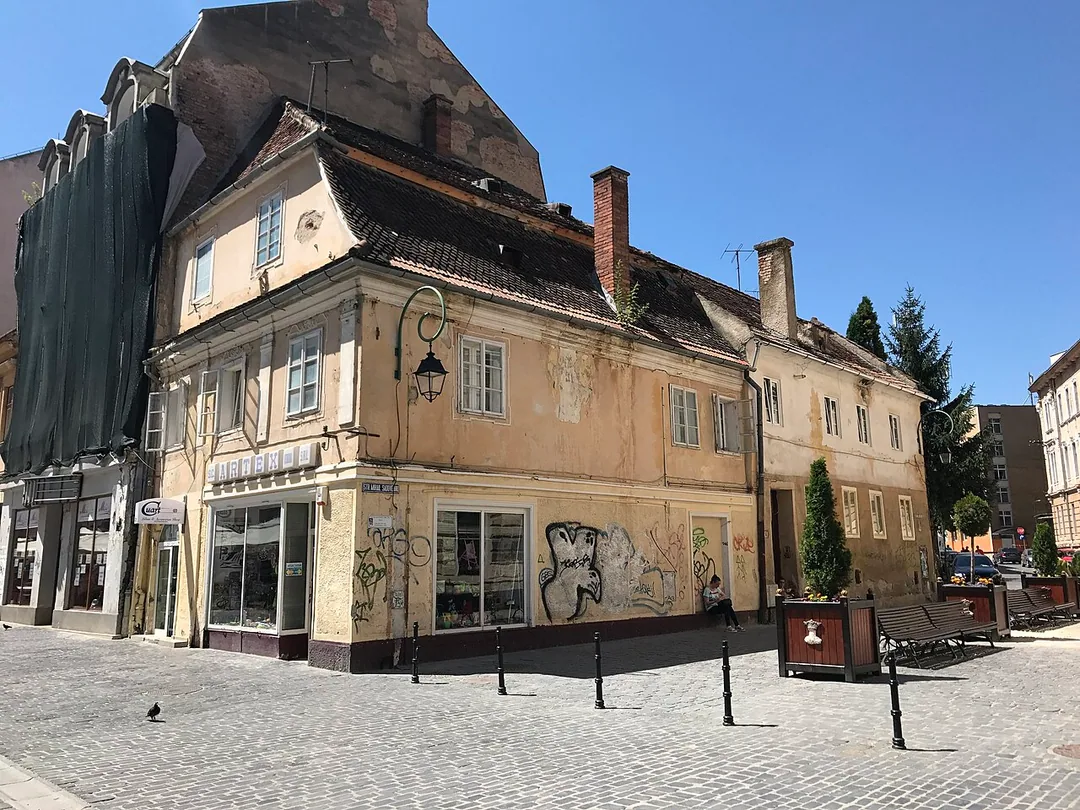
A few more local habits. Most traditional places do not take reservations, so you show up and wait, and the Old Town fills up by about half seven on weekend evenings while locals themselves eat later, around nine. Two more solid traditional names if the ones above are full: Casa Romaneasca over on Piata Unirii near the First Romanian School, good for groups, and Sirul Vamii on Muresenilor for affordable central Romanian plates. And because you are in the mountains, look out for the regional specialities that don’t travel: bulz (baked polenta stuffed with cheese), trout from the valleys, and the smoked sausages the Saxons made their name on.
What you will pay
Brasov is a touch cheaper than Bucharest, and if your trip pairs the two cities, our best food in Bucharest guide covers the capital’s tables from the grand halls to the market grills; head north into Transylvania and our best food in Cluj-Napoca guide maps the region’s liveliest eating city. At a traditional restaurant, main courses run roughly forty to ninety lei, soups sit around twenty to thirty-five lei, and a full sit-down meal with a drink usually lands between ninety and a hundred and fifty lei per person (checked July 2026, so confirm on the current menu). Budget in lei, not euro, since Romania is outside the eurozone; cards are fine in restaurants, but keep some cash for a market snack or a coffee on the go.
Put together, a couple of days here can cover all three cuisines without much effort or expense. Base yourself in the Old Town so everything above is a short walk, and book a room before summer and Christmas-market weekends fill the centre: compare places to stay in the Brasov Old Town before the good ones go. Then you can spend the day at the castles - our guide to linking Peles and Bran covers the hour-long drive between them and the best order to see both - or hike Tampa, and roll back into the square hungry. Brasov is best eaten in that order.
Photos
Read also

Food · 10 min read
Best Food in Constanta & Mamaia: Seafood by the Sea
Verified · August 22, 2026Where to eat in Constanta and Mamaia: Bacaro Port, Muse Port, BonFish, Blue Acqua and Pirouette Bistro, all rated above 4 stars, checked August 2026.

Food · 11 min read
Romanian Wine: Regions, Grapes & Tasting
Updated · July 24, 2026Romanian wine regions explained: Dealu Mare reds, sweet Cotnari, Black Sea Murfatlar, the native grapes to order and how to book a cellar tasting.

Food · 9 min read
Best Food in Sibiu: Traditional & Modern Restaurants
Verified · July 23, 2026Where to eat in Sibiu: cellar cooking at Crama Sibiul Vechi, neo-Romanian at Kombinat, the Marginimea cheeses and Sibiu salami, with prices in lei.

Food · 9 min read
Best Food in Cluj-Napoca: Where to Eat
Verified · July 21, 2026Where to eat in Cluj-Napoca: Roata and Zama for Transylvanian classics, Baracca for fine dining, the veggie scene and Museum Square, prices in lei.