
Libearty Bear Sanctuary: Visiting Zarnesti's Bears
Libearty Bear Sanctuary near Brasov: booking, ticket prices in lei, tour times, the photo fee, the under-5 rule and how to reach Zarnesti.
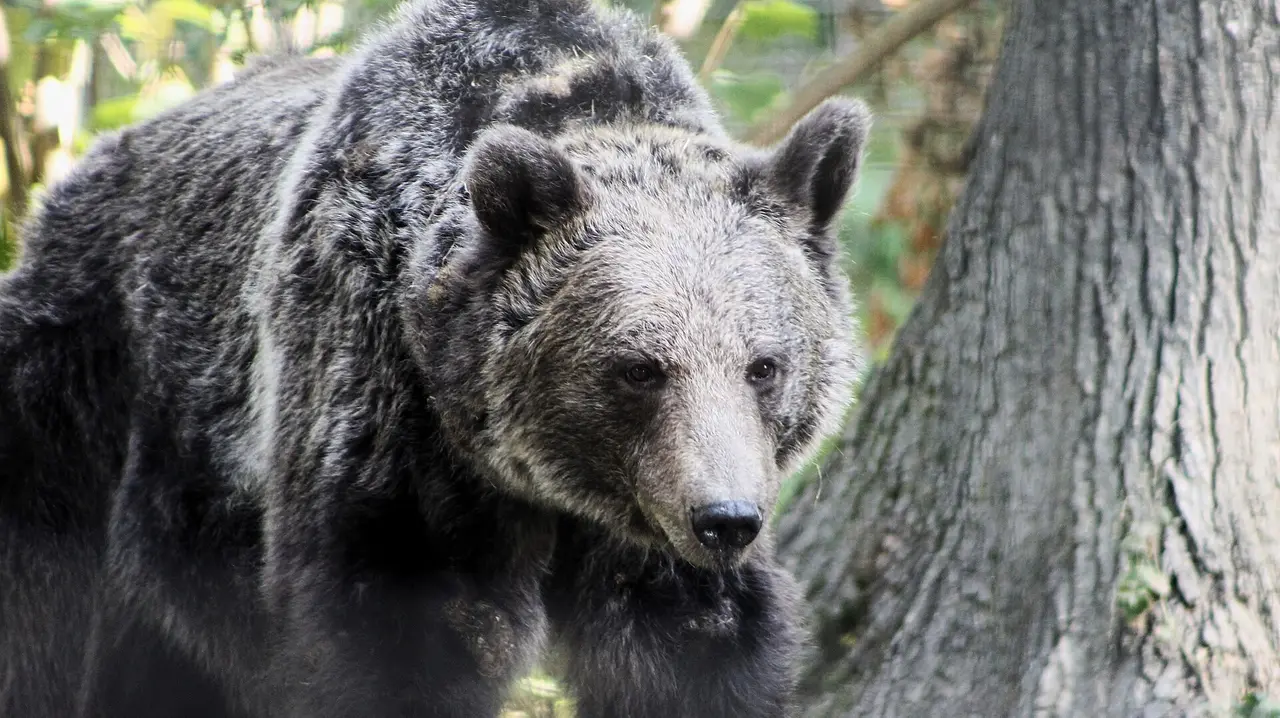
Libearty is a rescue sanctuary for brown bears in 69 hectares of oak forest outside Zarnesti, 28 km from Brasov, and you visit it on a fixed-time guided walk of about an hour along a 2 km forest path. Book ahead on millionsoffriends.org rather than turning up: entry runs in timed groups, tickets are non-refundable and the gate is closed on Mondays. Adults pay 95 lei on a weekday and 100 at the weekend, children 5 to 18 pay 50 to 55, and there’s a 50-lei surcharge to take photographs. Two hard limits that shape the whole visit: children under five are not admitted at all, and the forest terrain rules out wheelchairs and crutches.
This isn’t a zoo, and the distinction matters for what you’ll actually see. Every animal here was rescued from a cage: bears kept outside restaurants and petrol stations to pull in customers, circus animals, cubs sold as photo props. They’re not trained, not fed on cue and not arranged for your camera, so a visit means walking a forest trail and seeing whichever bears happen to be near the path, which on a hot afternoon can be very few.
The story behind it
The sanctuary began with one bear. Cristina Lapis, a Romanian journalist and animal-rights campaigner, found a brown bear called Maya kept in a small, wet cage in the yard of a hotel near Bran Castle, and from 1998 she and her husband drove out to feed and water the animal for four years. Buying the bear was not enough; there was nowhere in Romania for a rescued bear to go. The town of Zarnesti donated land, the Millions of Friends Association was set up to run it, and the sanctuary was founded in 2005, opening its gates in 2006 with backing from the World Society for the Protection of Animals, the Brigitte Bardot Foundation and German veterinary charity Vets United.
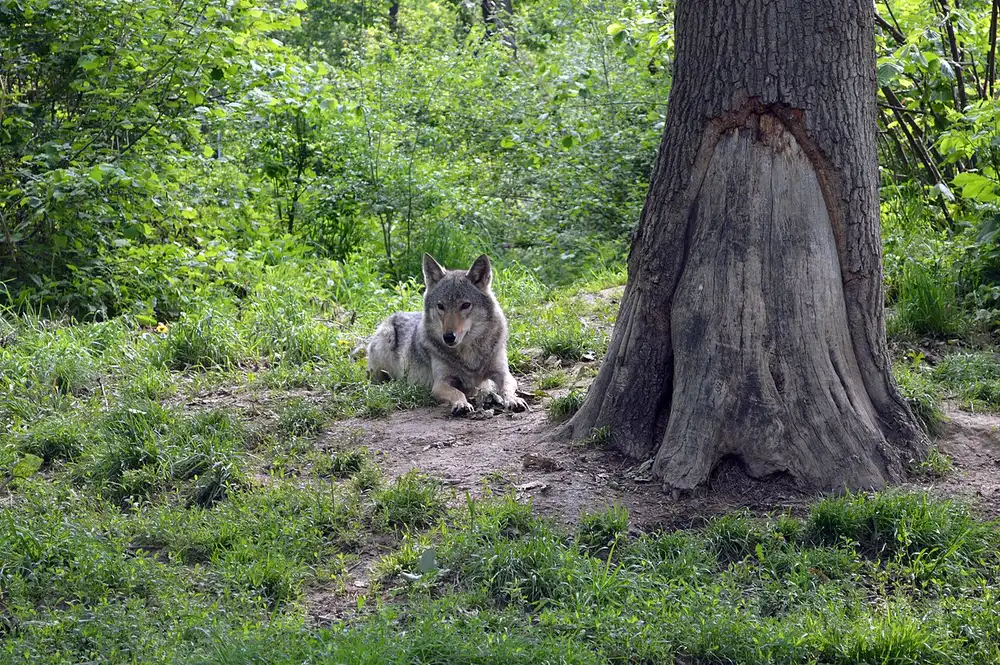
Since then more than 130 bears have passed through, arriving from cages across Romania and beyond, and the sanctuary now describes its resident population as more than 100 brown bears, plus a single Asiatic black bear rescued from the United States. The exact count you see varies with the source and the year, because bears die of old age and new ones keep arriving. There are also wolves and rescued stray dogs on site, taken in from similar circumstances.
What a visit is actually like
The standard visit is the classic tour: a guided group, roughly an hour, along about 2 km of forest path that runs beside the enclosures with a guide telling the individual stories of the animals you pass. Those stories are the point. You get the bear that spent fifteen years on a concrete slab outside a hotel, the one that arrived without claws, the cub raised on bread and beer for tourist photographs. It’s a fairly emotional hour, and it’s why the place stays with people longer than a castle does.
Manage two expectations. First, this is a forest, not an exhibit, and the bears use it: in hot weather they lie up in the shade and you may see a handful rather than a hundred. Morning slots are better for activity. Second, some enclosures near the entrance are quarantine and rehabilitation areas rather than the big forest paddocks, so the first animals you meet may be in smaller spaces than the ones further along the path.
Booking, prices and the traps
Book online in advance. Entry runs in timed groups, and the sanctuary is clear that there’s no guarantee of tickets at the gate; tickets are also non-refundable, so pick your slot carefully. The classic tour has fixed start times, and in summer, June to August, they all fall in the morning, with entries running between 09:00 and 10:45; the schedule and the price table both change by season, so check the current page rather than trusting any figure quoted second hand. Visitors with a disability certificate get in free.
Three rules are strict here. Children under five are not admitted at all, and staff can ask for a document proving a child’s age, which is a hard stop for families with a toddler. Photography carries a 50-lei surcharge on top of the ticket, so if you plan to shoot anything more than a phone snapshot, budget for it. And the terrain rules out wheelchairs and crutches: this is an uneven forest track, not a paved trail. If you want more time and a longer route, private and VIP tours exist from 200 euro plus admission, with a longer accessible route on the VIP option.
Which season and which slot
Bear activity, not opening hours, should drive your choice of date. Brown bears den up through the coldest months, so a mid-winter visit can mean a walk past a lot of quiet forest; spring and early autumn are the liveliest, with animals out foraging and moving between pools. Summer is the easy case, because the sanctuary only runs morning entries then (roughly 09:00 to 10:45); that lines up with when the bears are active, before the midday heat sends them into the shade well back from the path.
The same logic argues for the first entry of the day whatever the month: cooler air, more movement, and a smaller group in front of you on a narrow trail. If you’re choosing between a weekday and a weekend, the weekday is both slightly cheaper and quieter, and the price gap is only five lei, so the real gain is space rather than money.
Getting there, and the ride back
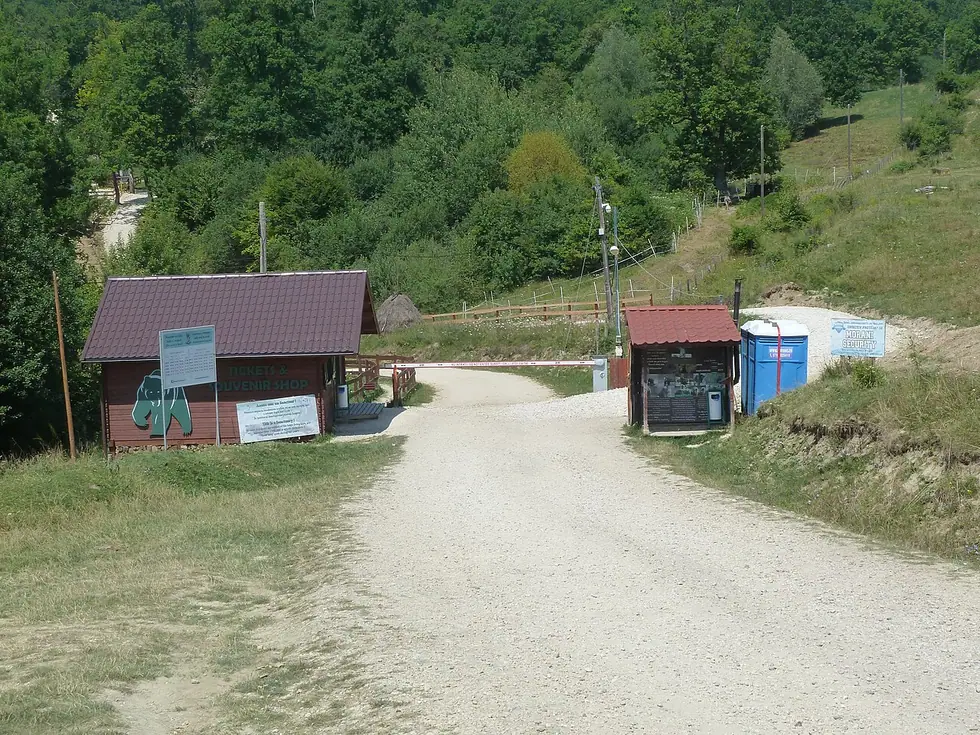
Zarnesti is 28 km west of Brasov, and the sanctuary sits outside the town at the end of a long unsurfaced track, which is the part that trips people up. Driving is simplest, and there’s parking at the gate. If you’re not driving, a taxi or ride-hailing car will get you out there, but the return leg is the problem: this is countryside with no rank and thin app coverage, and visitors regularly report long waits or no cars at all. Either ask your driver to wait, agree a pick-up time, or book a driver for the half day.
Public transport reaches the town of Zarnesti from Brasov but not the sanctuary itself, so you’ll still need to cover the last few kilometres, and there’s no shelter or cafe at the gate to wait in. Small-group tours from Brasov exist and solve the logistics in one purchase, which is a reasonable trade if you would rather not think about any of this. For everything else in the area, our things to do in Brasov guide has the wider shortlist.
Pairing it with the castles
The sanctuary sits in the same corner of Transylvania as the region’s two big fortresses, so a natural half-day plan is a morning tour here and a castle in the afternoon. Rasnov Citadel is the closer of the two and the easier add-on, with its hilltop view over the Barsa plain, and our Rasnov Fortress guide covers the timings. Bran Castle is the famous one and takes longer, so pair it with the earliest sanctuary slot if you want both in a day.
Don’t try to bolt all three onto one afternoon. The sanctuary tour is a fixed hour that you can’t rush or shorten, the drive between Zarnesti and Bran is short but fiddly, and castles close earlier than you expect. Two stops in a day is comfortable, three is a race.
Why bears end up here in the first place
Romania has the largest brown bear population in the European Union, an estimated 10,400 to 12,800 animals according to the Environment Ministry’s preliminary 2025 study, and that abundance is the root of the problem the sanctuary exists to clean up. Cubs orphaned or taken from the wild used to end up chained outside restaurants, at petrol stations and in small private cages as attractions, a practice that was normal for decades before the law and public attitudes shifted.
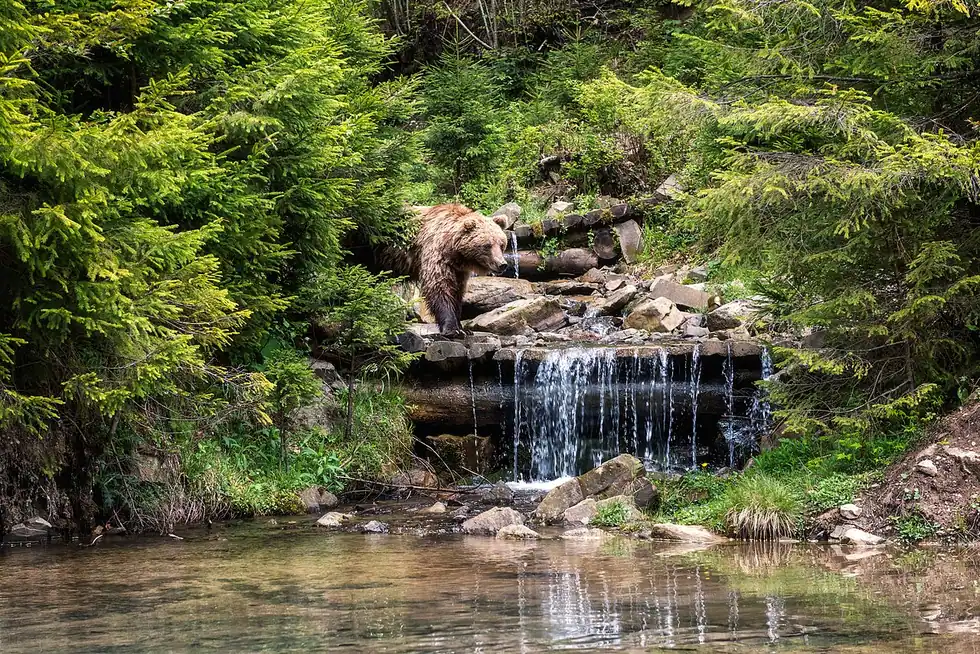
The same abundance shapes how you should behave in the mountains around Zarnesti, where the bears are wild and free. Don’t stop to photograph roadside bears, never feed one, and treat food storage seriously if you’re camping: our Carpathian hiking guide sets out the practical rules, and is Romania safe puts the risk in proportion. Feeding roadside bears is exactly how a wild animal becomes a problem animal, which is how a lot of these residents began.
Is it worth the trip?
Yes, with one condition: come for the story rather than for guaranteed close-up wildlife. If you want animals on demand at a fixed distance, a zoo will deliver that and this won’t. What you get here instead is a well-run conservation project that has genuinely changed how Romania treats captive bears, an hour in the forest with a guide who knows every animal by name, and a use for your ticket money that you can feel good about.
Practically, treat it as a morning: an early slot, an hour’s walk, back in Brasov for lunch, a castle in the afternoon. Book the ticket, plan the ride home in advance, leave the toddler with someone, and decide in advance whether you’re paying the photo fee, because the queue at the hut isn’t the moment to work it out.
Photos
Admission and opening hours
- Admission price
- Adults 95 lei on weekdays and 100 at weekends, children 5-18 at 50 and 55, students 18-24 at 75 and 80; visitors with a disability certificate enter free. Photography costs 50 lei extra. Private and VIP tours run from 200 euro plus tickets. Rates change by season, so check before booking.
- Opening hours
- Tuesday to Sunday, closed Mondays for maintenance. The classic tour lasts about an hour over a 2 km forest path and starts at fixed entry times; in summer (June-August) these run in the morning only, between 09:00 and 10:45. Times shift by season.
Prices and entry times change by season and tickets are non-refundable, with weekend rates applying on public holidays. Book through millionsoffriends.org before you travel. Children under 5 are not admitted and the terrain rules out wheelchairs and crutches. Checked July 2026.
Details checked: July 23, 2026
Read also

What to see · 11 min read
Marginimea Sibiului: Shepherd Villages Near Sibiu
Verified · September 5, 202618 shepherd villages west of Sibiu: Rasinari, Sibiel glass icons, Saliste, Paltinis bus fares, and how a day out of town works.

What to see · 9 min read
Prejmer Fortified Church: UNESCO Near Brasov
Verified · September 3, 2026Prejmer fortified church 15 km from Brasov: Greek-cross plan, 275 wall rooms, UNESCO hours for 2026 and how a visit actually works.

What to see · 11 min read
ASTRA Museum Sibiu: Romania's Great Open-Air Village
Verified · August 29, 2026ASTRA Museum near Sibiu: 50-lei tickets, hours by season, how to get there, and which of the 400+ buildings across 96 hectares to see first.

What to see · 10 min read
Bucegi Sphinx & Babele: Cable Car from Busteni
Updated · August 26, 2026Ride the Busteni cable car to the Sphinx and Babele: 2026 return fare 199 lei, hours from 08:30, and how to pair it with Peles or Cantacuzino.