
Sinaia: More Than Peles Castle
Sinaia beyond Peles Castle: the monastery, the Belle Epoque casino, the Bucegi cable car and skiing, real prices in lei and how to get there.
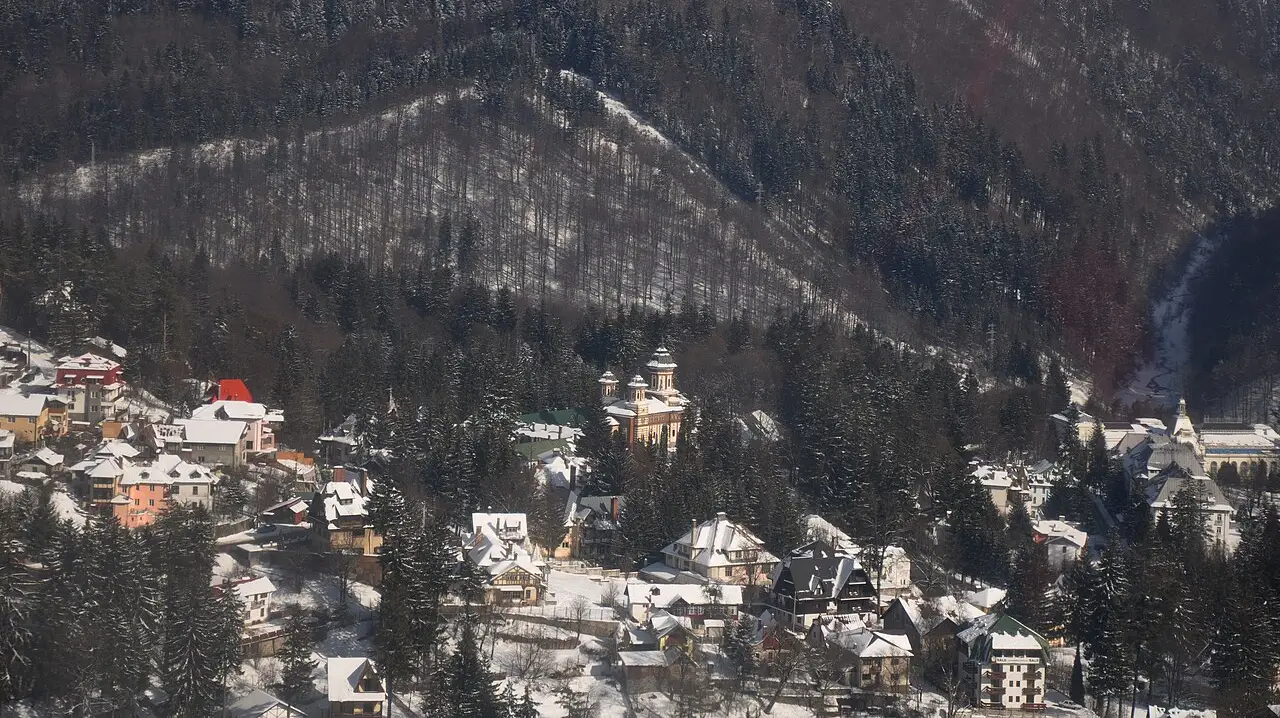
Most people give Sinaia three hours: off the Bucharest train, up to Peles Castle, photo, back on the train. That’s a mistake. Sinaia is a proper mountain resort in its own right, the grandest of the string of towns strung up the Prahova Valley, and it earns a full day or an overnight for what surrounds the famous castle: a 300-year-old monastery that gave the town its name, a Belle Epoque casino, and a cable car that lifts you straight into the high Bucegi mountains. This guide covers the town beyond Peles, with real prices in lei and how to fit it together.
The short version: Sinaia sits at around 800 metres on the main railway between Bucharest and Brasov, which makes it one of the easiest mountain escapes in the country. Come for the day if all you want is the castle, but stay a night and you get the monastery, the old spa-town centre, a ride up to 2,000 metres, and in winter one of Romania’s better-known ski slopes, all without a car. How Sinaia’s day pass stacks up against Poiana Brasov, Predeal and Straja is on Skiing in Romania.
Where is Sinaia, and why go beyond Peles?
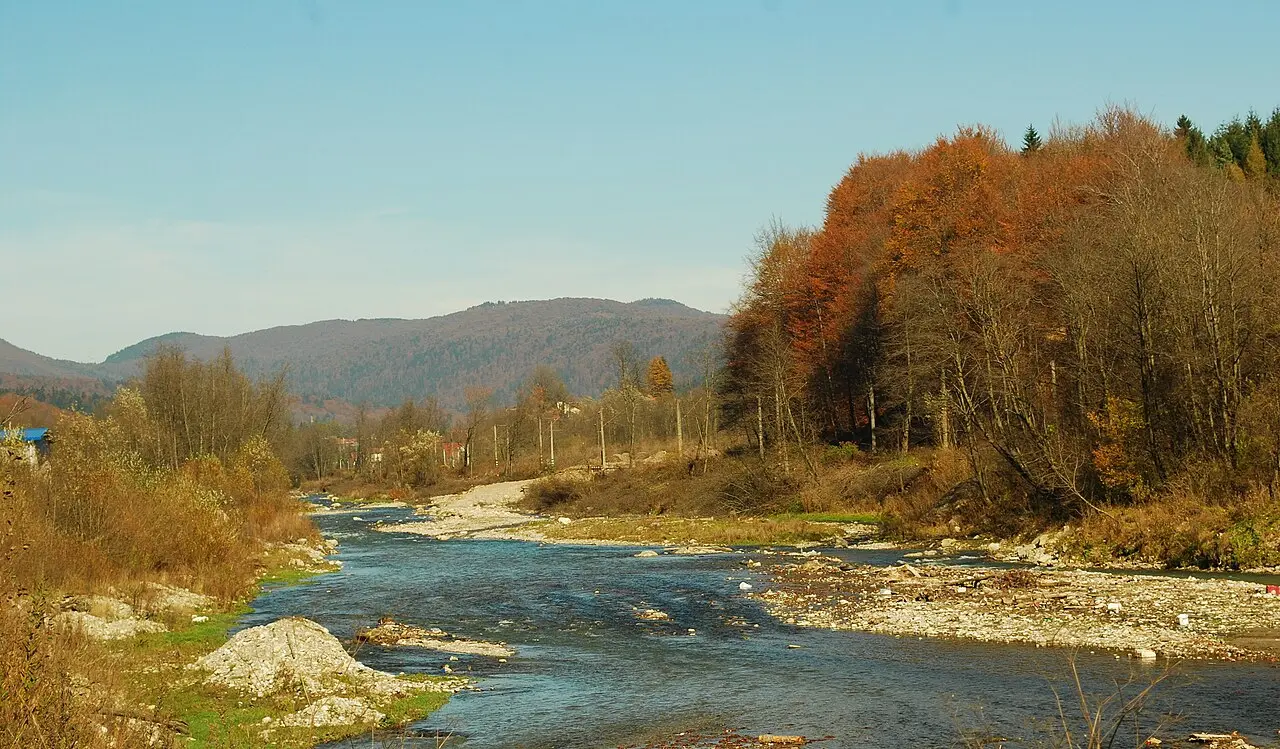
Sinaia is the star of the Prahova Valley, the deep, forested corridor that carries the road and railway from Bucharest up through the Carpathians toward Brasov. It sits at roughly 767 to 860 metres above sea level, wedged between the Bucegi massif to the west and the Baiu mountains to the east, which is why the old guidebooks nicknamed it “the Pearl of the Carpathians”. It’s a small place, around 9,000 residents, but it has punched above its weight since Romania’s royal family chose it as their summer base in the 19th century, and that royal-resort pedigree is still what you feel walking the centre.
The reason to look past Peles is simple: the castle is genuinely superb, but it’s a one-to-two-hour visit, and treating it as the whole of Sinaia sells the town short. Do the castle, yes, but leave time for the monastery a few minutes’ walk away, ride the cable car for the view most day-trippers never see, and eat a long lunch in a town that was built to be lingered in. Our dedicated guide to Peles Castle covers the palace itself, tickets, tour tiers and all, so this page deliberately spends its time on everything else.
The Sinaia Monastery: the town’s namesake
Start with the reason the town exists at all. The Sinaia Monastery was founded in 1695 by the nobleman Mihail Cantacuzino, who named it after Mount Sinai following a pilgrimage to the Holy Land, and the settlement that grew up around the monastery simply took its name. So the town is named after the monastery, and the monastery is named after a mountain in Egypt, which is a nice piece of trivia to have ready when someone asks why a Carpathian resort shares a name with the biblical Sinai.
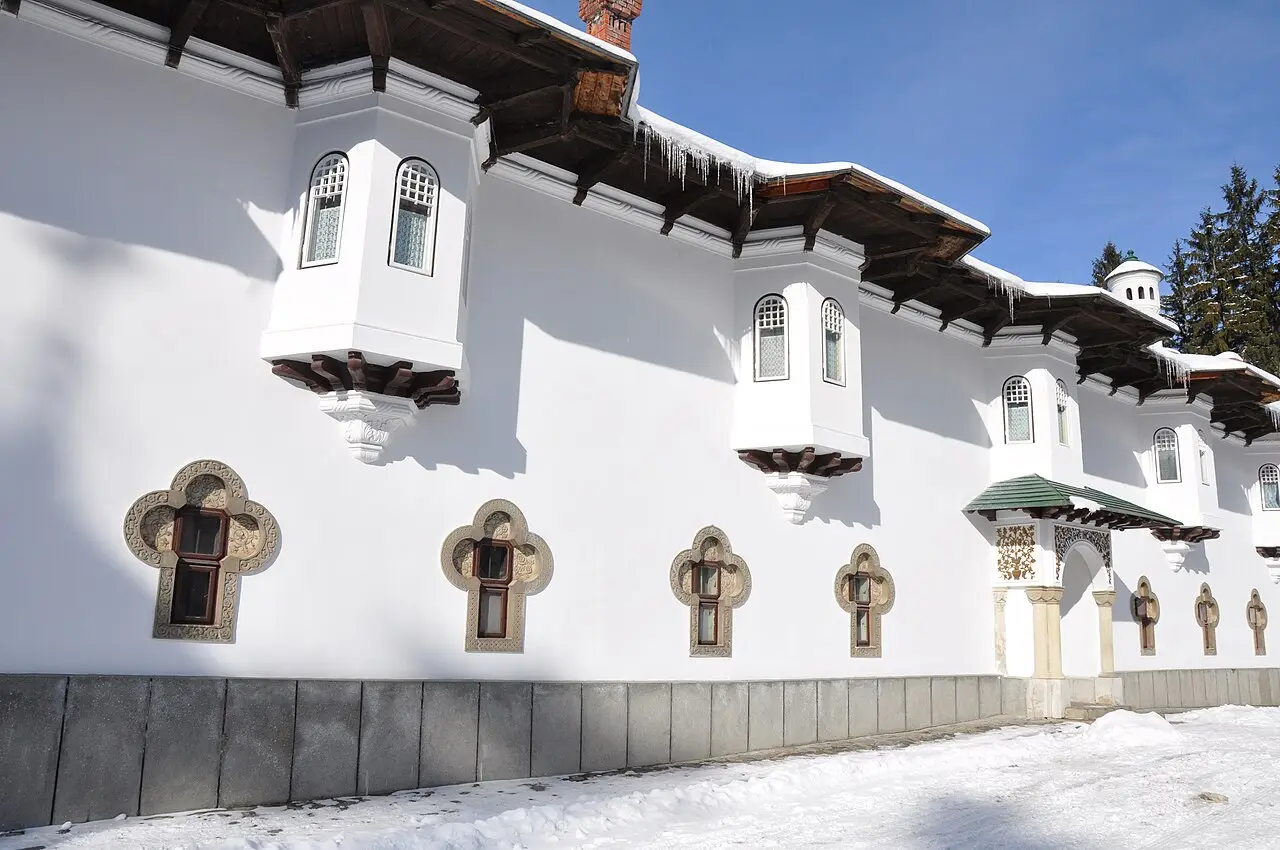
There are really two churches in the walled complex: the small old church from the 1690s and a larger one added in the 1840s. It’s a working monastery, so dress modestly and keep quiet, but it’s free to walk into the courtyard and it takes twenty minutes. Crucially, it sits on the same wooded hillside road that leads up to Peles, so you pass it anyway, there’s no excuse to skip it.
The casino and the Belle Epoque centre
When Sinaia became the royal summer capital, the money and the fashionable crowd followed, and the town built itself a proper spa-resort centre to match: grand hotels, a wooded park laced with promenades, and the landmark that anchors it all, the Casino. Opened in 1913 and inspired by the casino at Monte Carlo, it was the gambling and social hub of interwar high society; today it works as an events and international conference centre rather than a gaming hall, but the building and the park around it are the heart of the old resort and the best place to feel its Belle Epoque swagger.
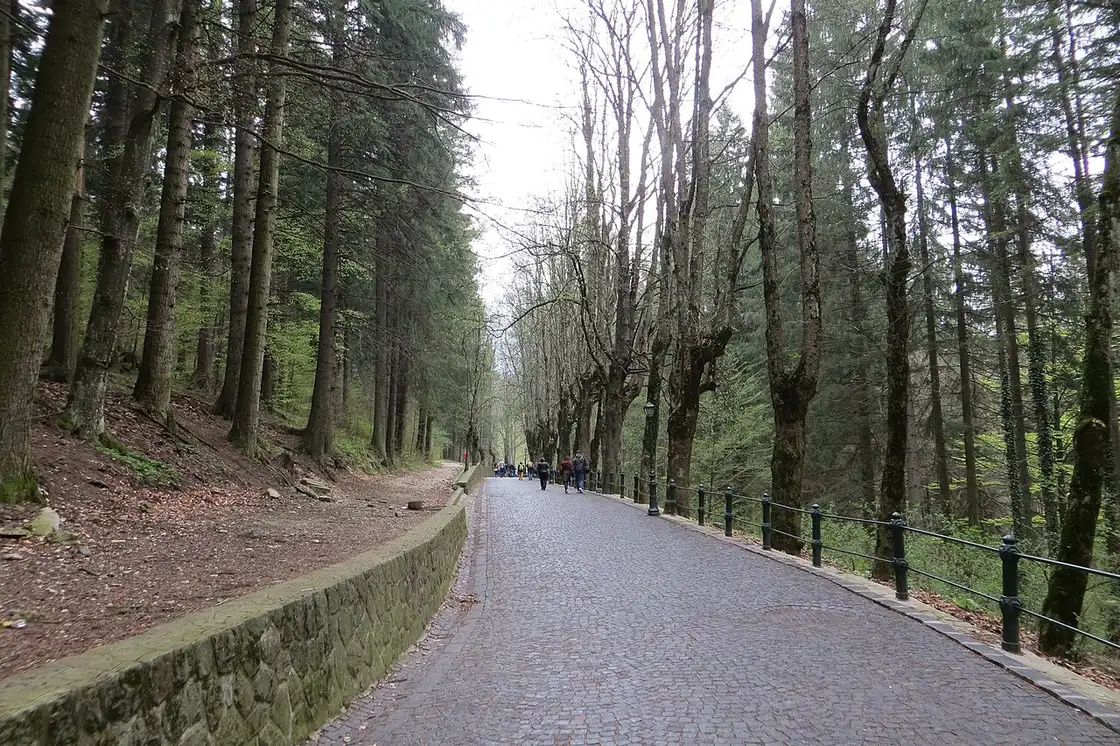
This is also where the town’s cultural pedigree shows. The composer George Enescu, Romania’s most famous musician, spent his summers here at the Luminis villa, and the resort’s parks and villas carry the names of the royal circle, Carmen Sylva was the pen name of Queen Elisabeth. You don’t need a ticket for any of this. An hour wandering the centre, the park and the promenades, coffee on a terrace, is the kind of slow time Sinaia was built for and most day-trippers never take.
Up into the Bucegi by cable car
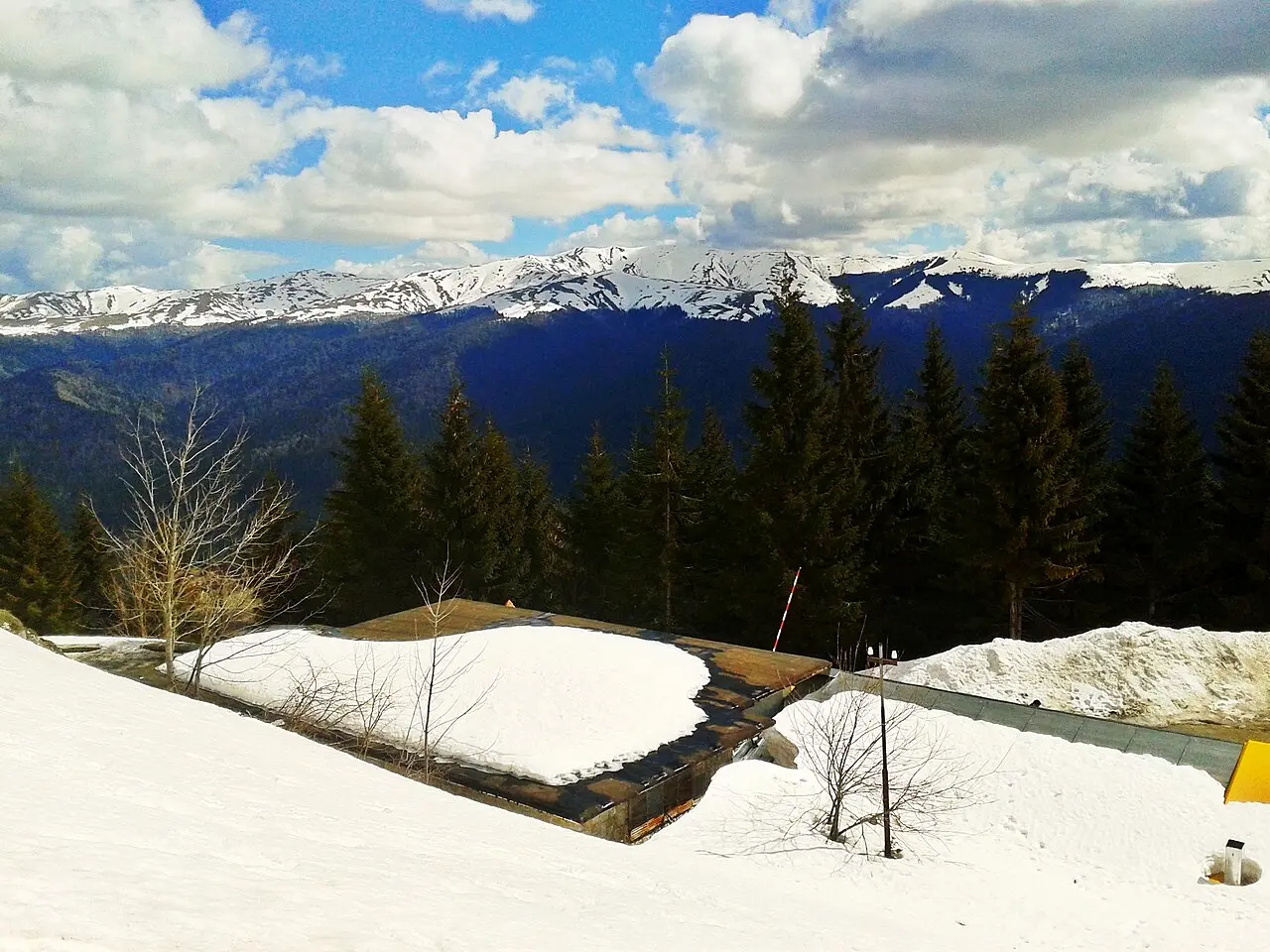
One thing turns Sinaia from a pretty stop into a real mountain base: you can be at 2,000 metres in the alpine zone within half an hour of the town centre, no hiking required. A cable car climbs from Sinaia up to two stations on the edge of the Bucegi plateau, Cota 1400 and Cota 2000, named for their rough altitudes, and from the top you step out onto open high mountain with enormous views.
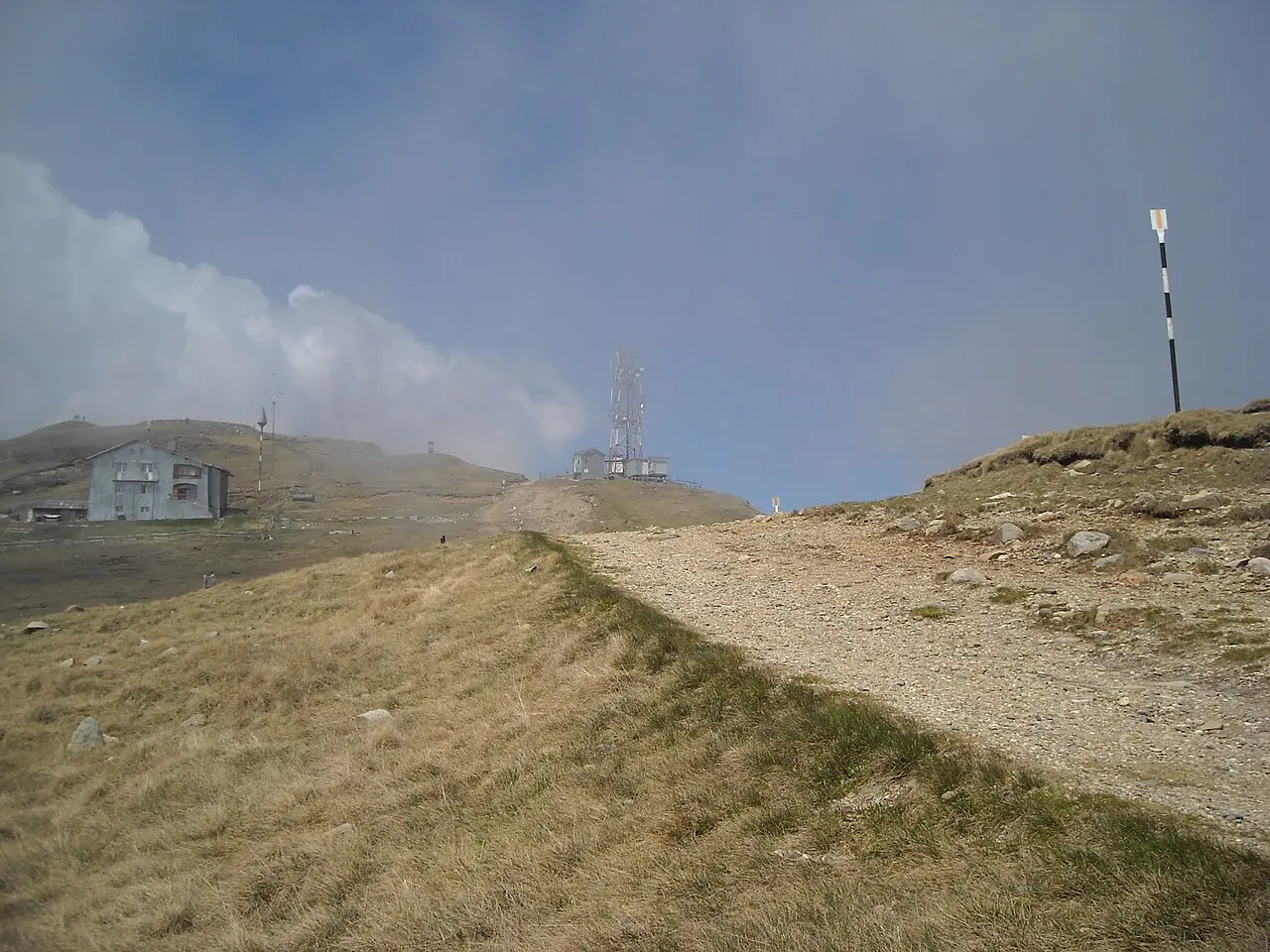
Prices, checked in September 2026 against the operator, are 44 lei to Cota 1400 and 75 lei to Cota 2000 one way on the classic telecabina, with the up-and-down ticket over both sections at 119 lei; a newer gondola run by a different operator covers the same climb, so make sure you’re queuing for the line you mean to ride. The telecabina runs 09:00 to 18:00 and the gondola 09:30 to 17:30, and, this matters, the upper section shuts down in high wind, so on a gusty day you may only get to Cota 1400. From the top you can walk the plateau to the Sphinx and Babele rock formations or, if you’re equipped and experienced, push on toward Omu, at 2,505 metres the roof of the Bucegi. If mountain walking is your reason for coming, the Bucegi is the most accessible of the high Carpathian ranges, though even from the cable-car station the weather up there turns fast and deserves respect.
Skiing in Sinaia
Sinaia is a winter resort as much as a summer one. It has 16 marked ski slopes served by the same cable-car system, spread across the Bucegi shoulder above town, and the mix runs from gentle blue runs up at Cota 1400 to steeper, more serious pistes higher up, which gives it a slightly more advanced reputation than the very beginner-friendly slopes elsewhere. The season is roughly December to March depending on snow.
If you’re choosing where to ski in Romania, the comparison that matters is with Poiana Brasov, the country’s biggest and best-organised resort a little further north. Poiana is the safer bet for beginners and for reliable, modern lift-served pistes; Sinaia rewards you with mountain-town atmosphere and that direct link into the high Bucegi. Our Poiana Brasov skiing guide lays out the slopes, the ski pass and the season if you’re weighing the two.
The royal estate is more than one castle
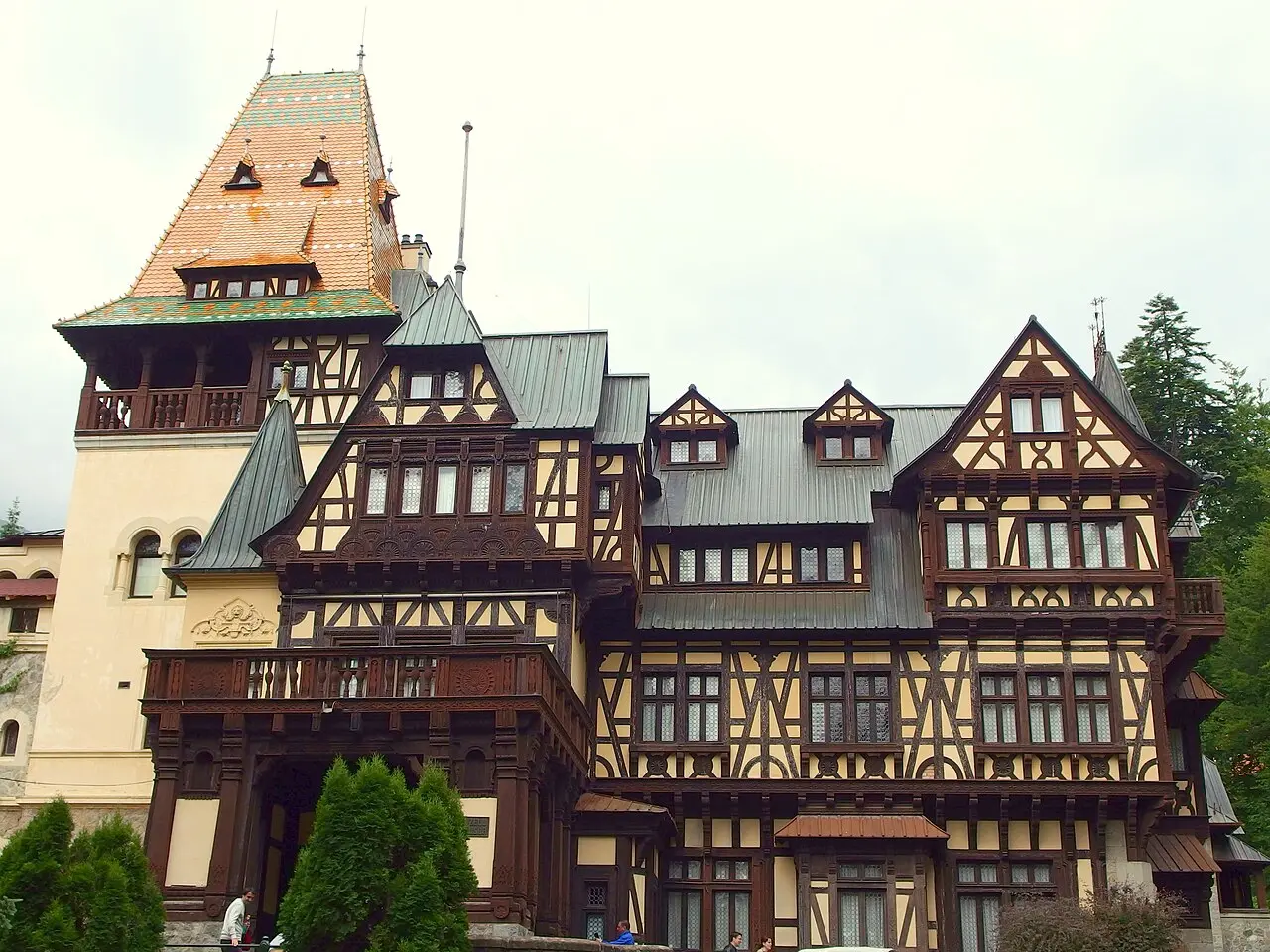
The famous castle is only the headline act of a whole royal estate scattered through the forest above the town. Alongside Peles sits Pelisor, the smaller, more intimate Art Nouveau residence built for King Ferdinand and Queen Marie, and the grounds hold the Foisor hunting lodge and a cluster of half-timbered royal service buildings. Pelisor in particular is the one extra ticket to buy if you liked Peles, its interiors, styled by Queen Marie, are lighter and more personal than the heavy grandeur next door. Our Pelisor guide covers its tickets, slots and closure dates.
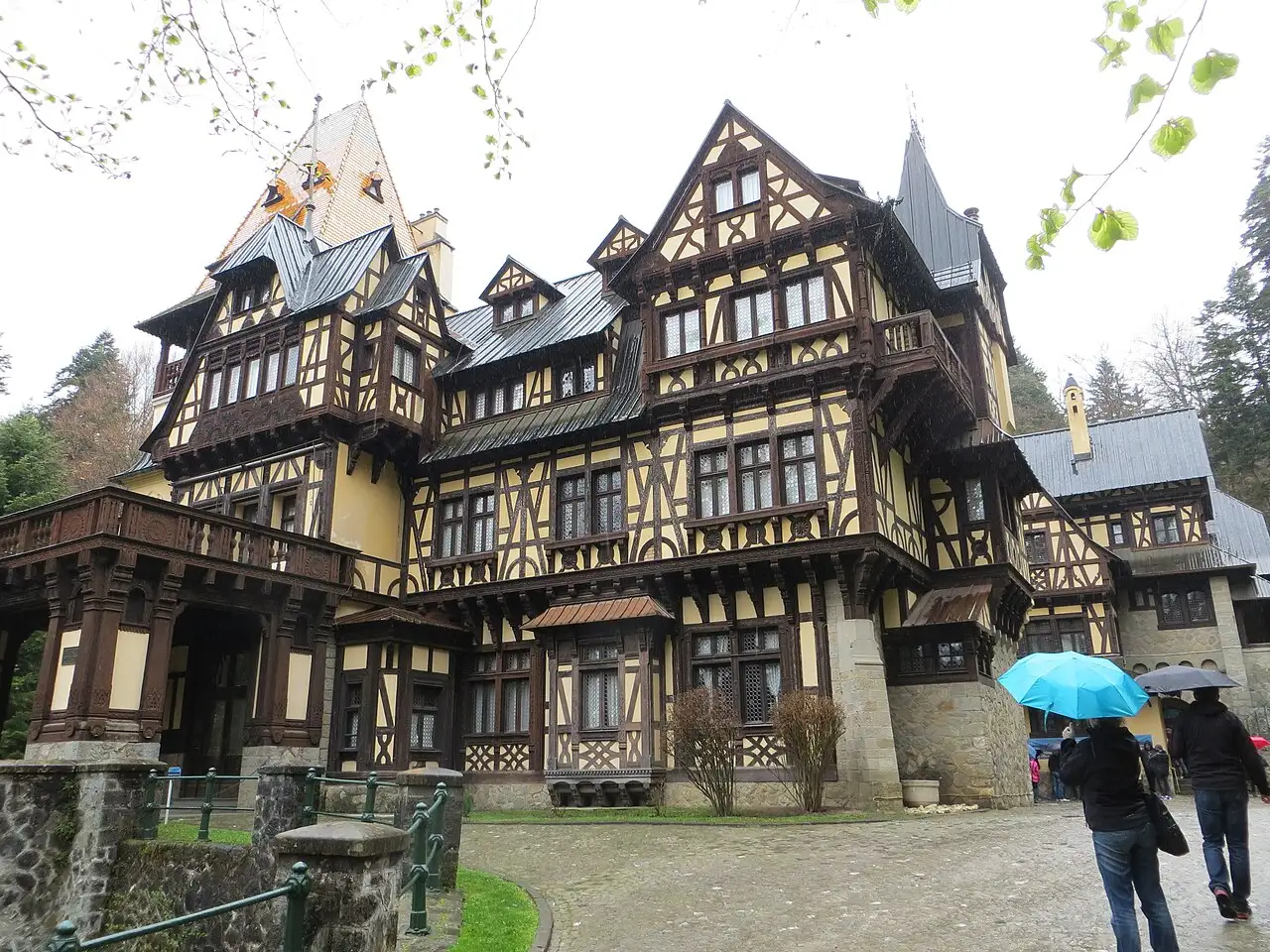
The point is that the whole hillside is a park you walk through, monastery, castles, villas and promenades linked by wooded paths, rather than a single ticketed sight. Give it half a day and you see why the royals never wanted to leave.
How long to stay, and where to base
For most people a full day does Sinaia justice: monastery, Peles and Pelisor in the morning, cable car and a plateau walk or a late lunch in the afternoon. Stay a night, though, and you’ll get the town at its best, early and late, when the day-trip coaches have gone and the centre is yours, plus a proper mountain morning without racing a train timetable. It also makes a smart, atmospheric base for the wider Prahova Valley and the Bucegi, more characterful than sleeping in Brasov or busing up from Bucharest. To compare places to sleep, from the grand old spa hotels to small guesthouses on the hillside, look at hotels in Sinaia early for a summer weekend, when the town fills up.
Busteni, the next town up the valley, is the other main Bucegi gateway, with its own cable car to the Sphinx and Babele and the dramatic Caraiman cross, so a Sinaia base lets you sample both if you’re hopping the valley. For a sense of when to come, our guide to the best time to visit Romania covers the seasons, and the mountains are at their friendliest from late spring to early autumn, with the ski months a separate calendar of their own.
How to get to Sinaia
This is the easy part, and it’s Sinaia’s trump card. The town sits directly on the main Bucharest to Brasov railway, so trains are the obvious way in: reckon on about an hour and a half from Bucharest - the fast InterRegio services run 1h25 to 1h35, and only the slow Regio trains stretch past two hours - and about an hour down from Brasov, with the station right in the centre a short walk from everything. Check the current CFR Calatori timetable, as services and fares shift, but the frequency is good and the ride up the Prahova gorge is scenic in its own right.
By car the A3 motorway takes you only as far as Ploiesti, and the rest is the DN1 up the valley, which brings the obvious warning: the DN1 through the Prahova Valley is notorious for weekend jams, Friday evenings up and Sunday evenings back, when half of Bucharest heads for the mountains. If you drive, avoid those windows or take the train instead. A rental car only makes sense if you plan to roam the wider region; for Sinaia itself, the train drops you in the middle of town and you won’t miss the wheels. For a Bucharest day trip built around the castle, start with Bucharest to Sinaia. If you’re threading Sinaia into a bigger trip, the Bucharest to Brasov page covers the whole valley corridor that Sinaia sits on.
The short version
Sinaia is worth far more than the standard three-hour Peles stop. Give it a full day or an overnight and you get the 1695 monastery that named the town, the Belle Epoque casino and spa-town centre, a cable car straight up to 2,000 metres in the Bucegi (75 lei one way to Cota 2000), Romania’s royal estate of castles and villas, and, in winter, 16 ski slopes on the mountain above. It sits right on the Bucharest to Brasov railway, so it’s one of the simplest mountain escapes in the country, no car required. Do Peles, of course, but don’t let it be the only thing you do here.
On the map
The map loads on click - to keep the page lightweight.
The map didn’t load. Check your connection and refresh the page.
Admission and opening hours
- Admission price
- Cable car up into the Bucegi (2025/26): the classic telecabina is 44 lei to Cota 1400 and 75 lei to Cota 2000 (adults, one way); up and down over both sections is 119 lei. There is also a newer gondola run by a separate operator. Sinaia Monastery entry is a few lei.
- Opening hours
- Cable cars generally run about 08:00-17:00 and stop in high wind (the top section is the most weather-sensitive). Two different operators run the telecabina and the gondola, so check which line is open before you queue.
Cable-car prices, operators and schedules change season to season and with the wind - confirm the current tariff and which line is running before you go. Checked July 2026.
Details checked: July 16, 2026
Read also

Cities · 13 min read
Predeal: Romania's Highest Ski Town
Verified · September 3, 2026Predeal sits at 1,030-1,110 m on the Bucharest-Brasov line: Clabucet ski, the town itself, and how it stacks up against Sinaia and Poiana.

Cities · 10 min read
Suceava Travel Guide: Fortress & Bucovina Gateway
Updated · August 25, 2026Things to do in Suceava: Stephen the Great's fortress, the UNESCO Saint John monastery, village museums, and using the city as a base for Bucovina.

Cities · 9 min read
Where to Stay in Sighisoara: Citadel or Lower Town
Verified · August 24, 2026Where to stay in Sighisoara: citadel vs Lower Town, price bands in lei, parking, the medieval festival, and who should sleep inside the walls.

Cities · 11 min read
Where to Stay in Timisoara: Best Areas & Hotels
Verified · August 19, 2026Where to stay in Timisoara: Cetate vs Fabric vs Iosefin vs Circumvalatiunii - who each suits, walk times, prices in lei, and getting in from the airport.